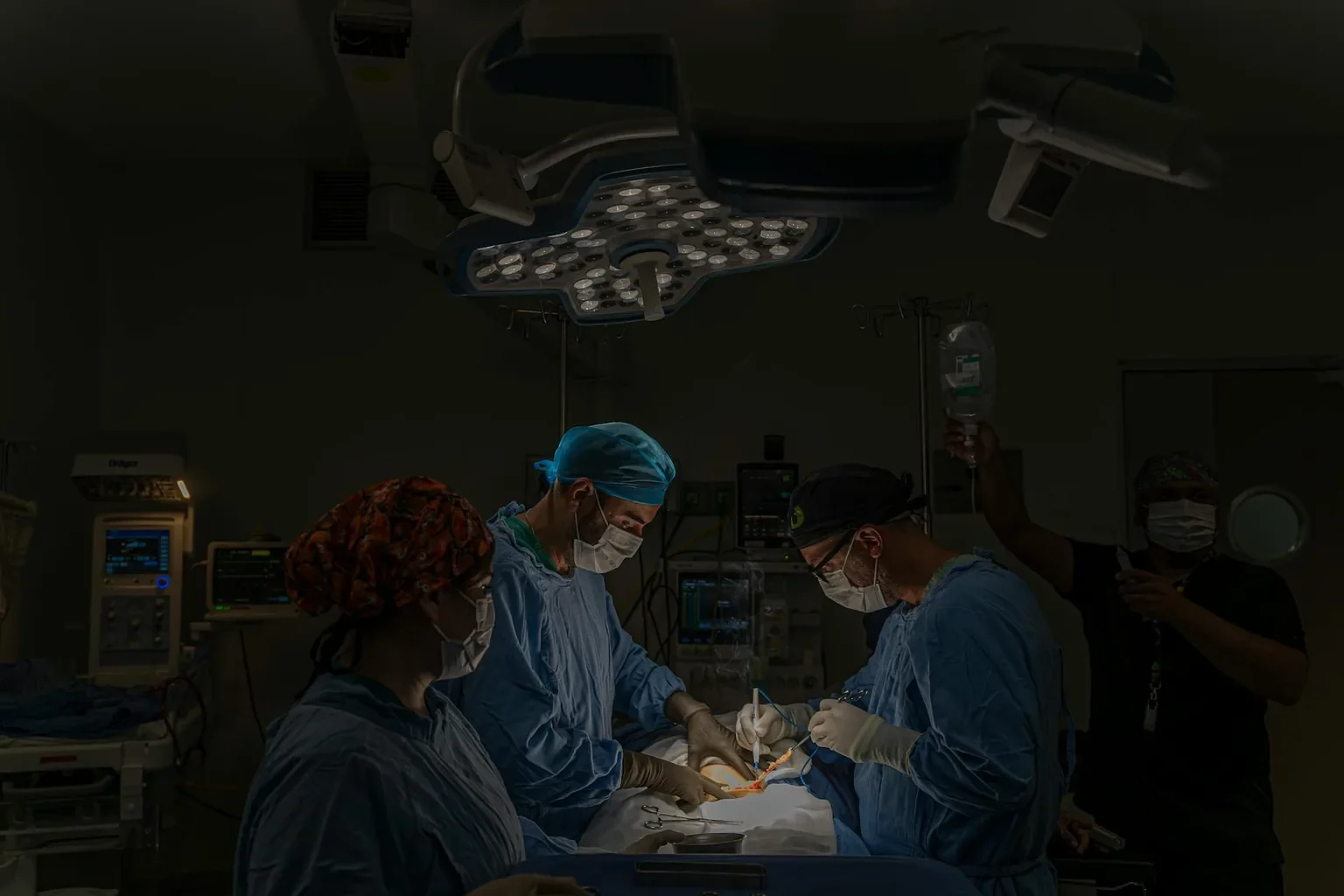
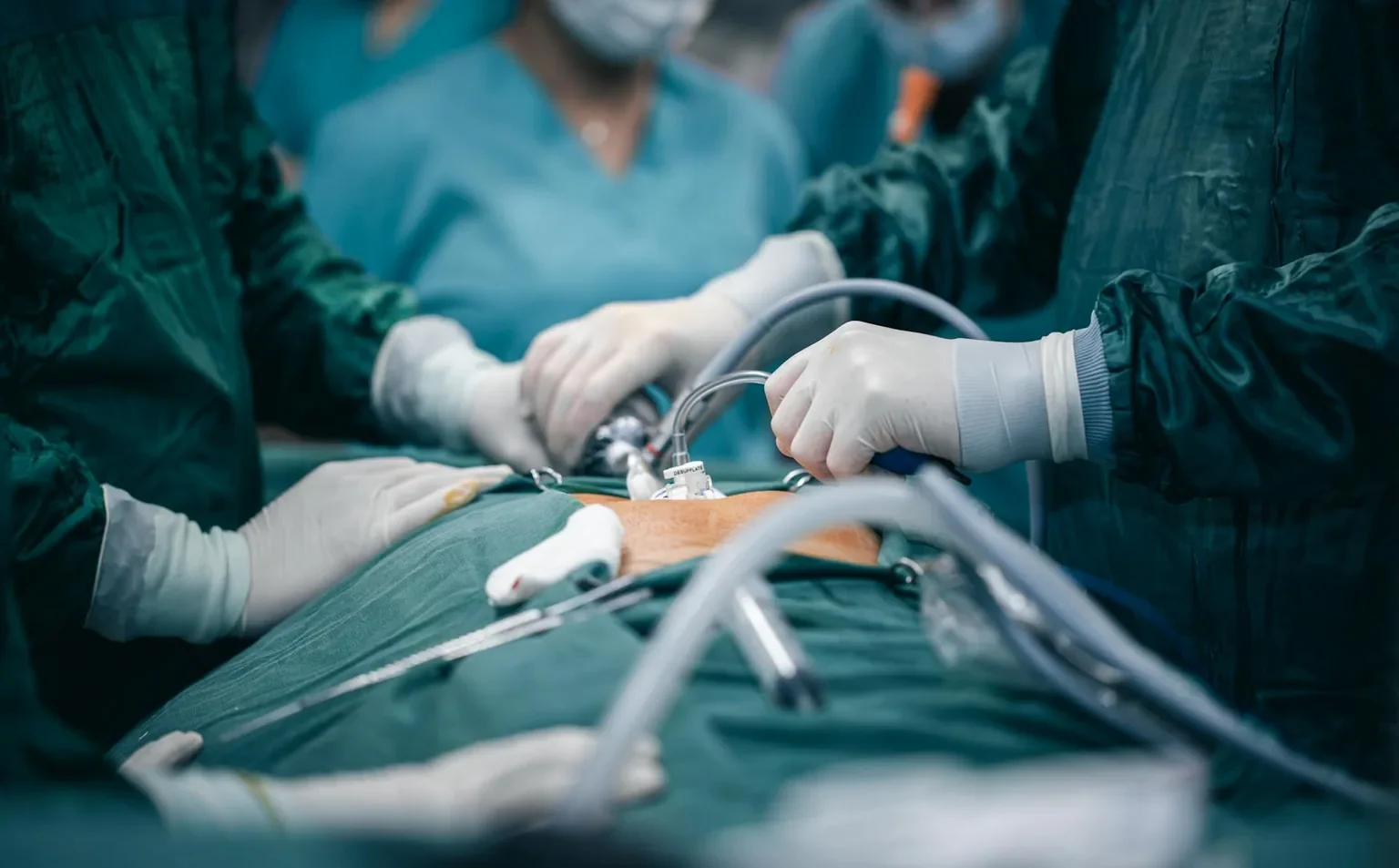
Surgical procedures for the heart and blood vessels, including coronary artery bypass grafting (CABG), pacemaker implantation, heart valve repair, and treatments for blocked arteries.

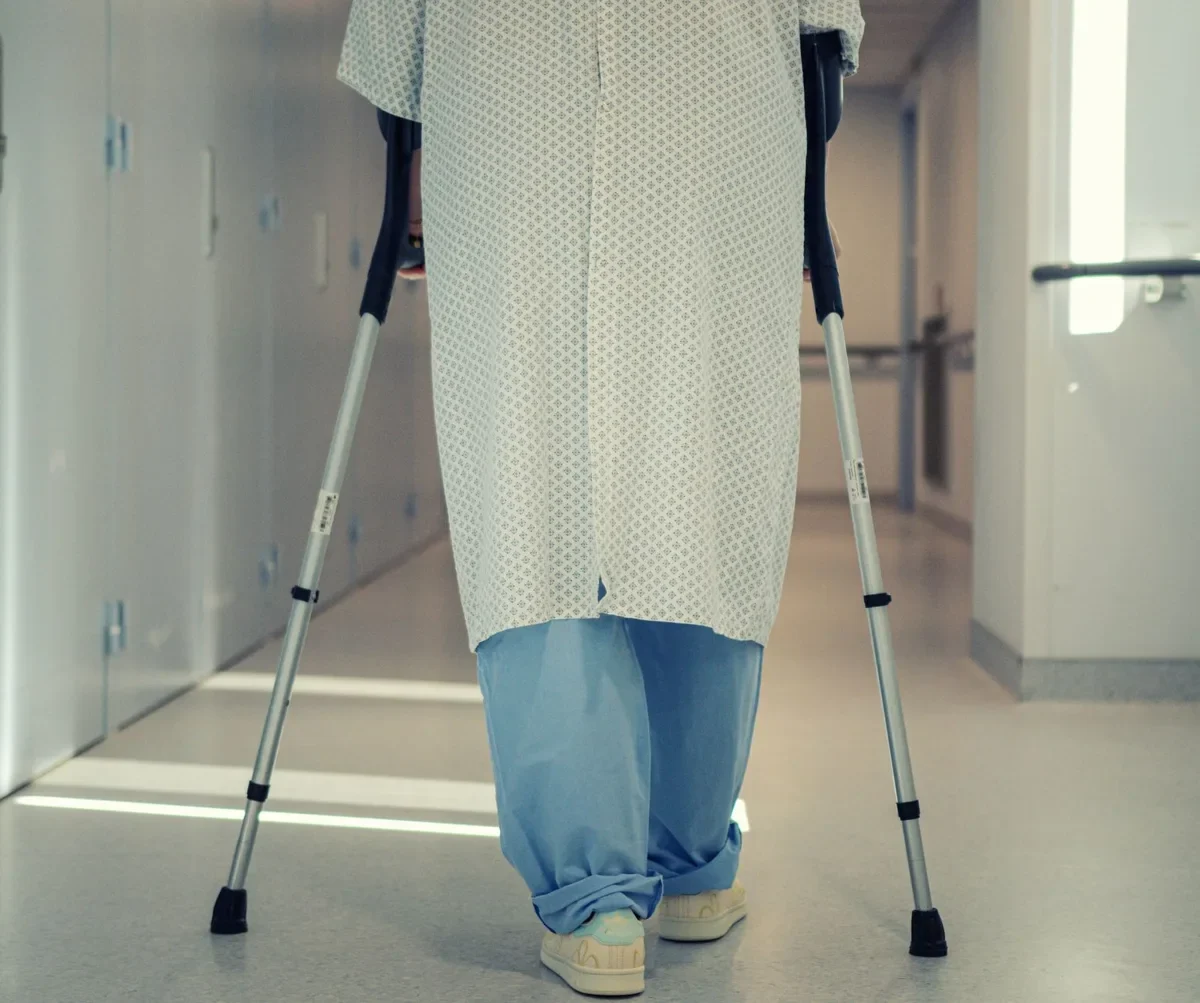


Procedures that repair or replace bones, joints, and connective tissue. Common examples include total hip replacement, total knee replacement, and shoulder surgery.







Surgeries that treat conditions of the brain, spinal cord, and nervous system, from tumor removal to spinal fusion and treatment of nerve compression.
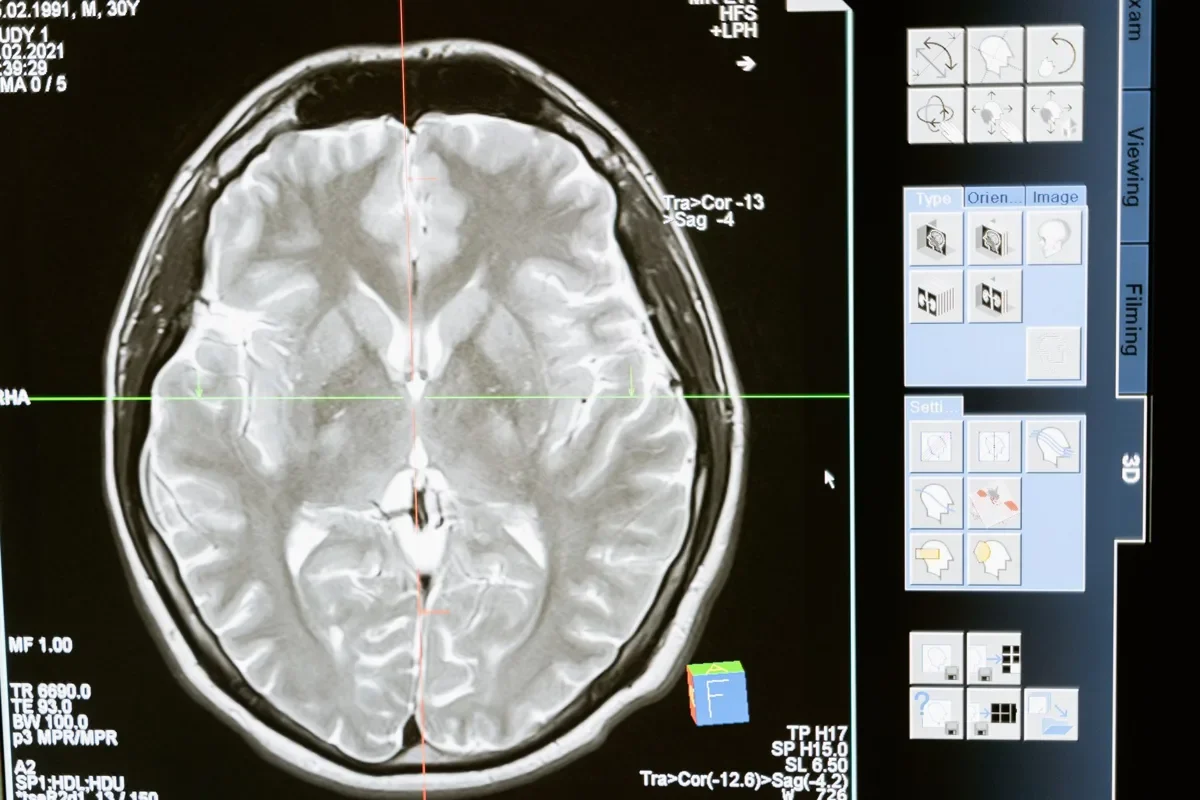

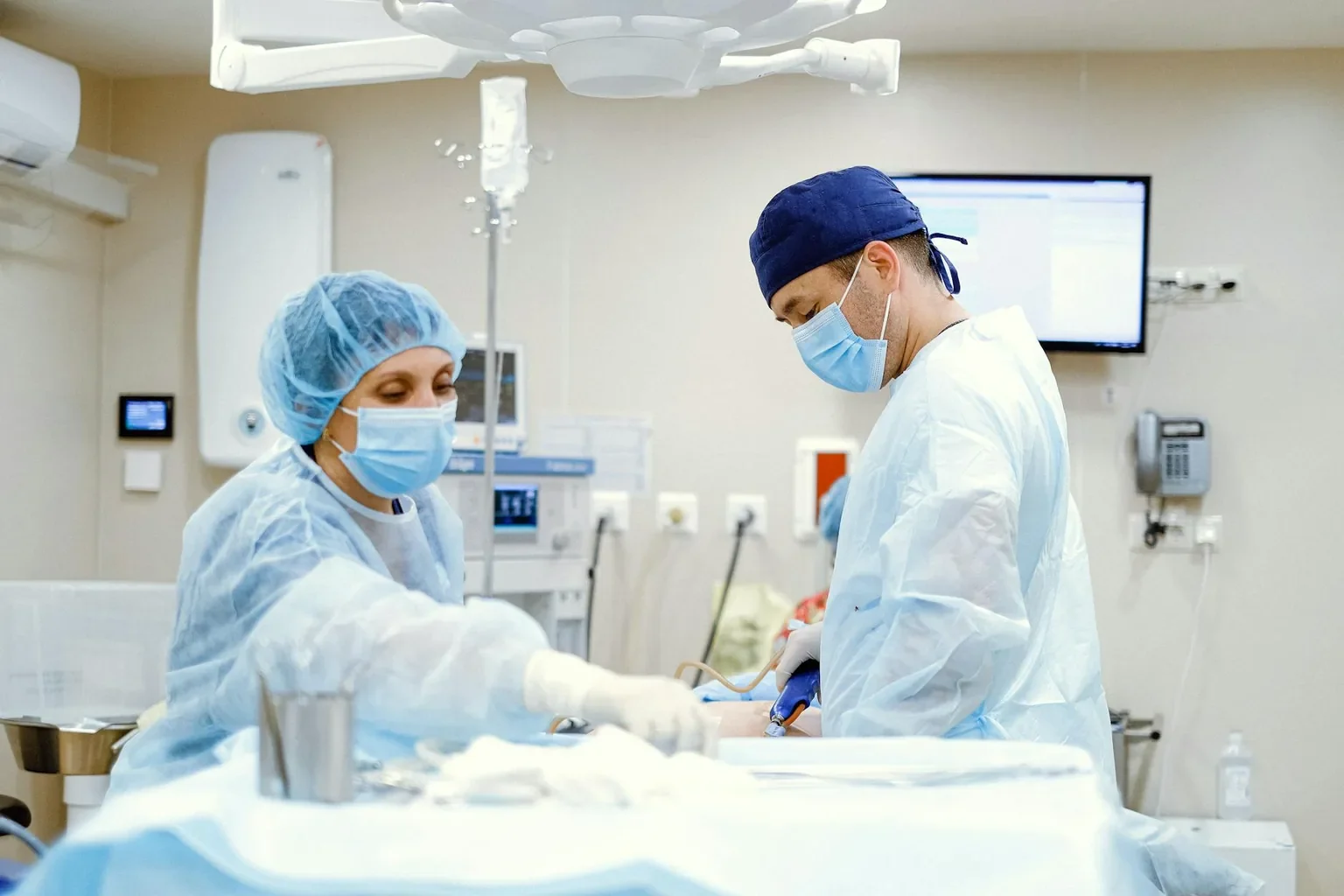



Procedures that treat the stomach, intestines, gallbladder, and other digestive organs. Includes appendectomy, cholecystectomy, hernia repair, and bowel surgery.





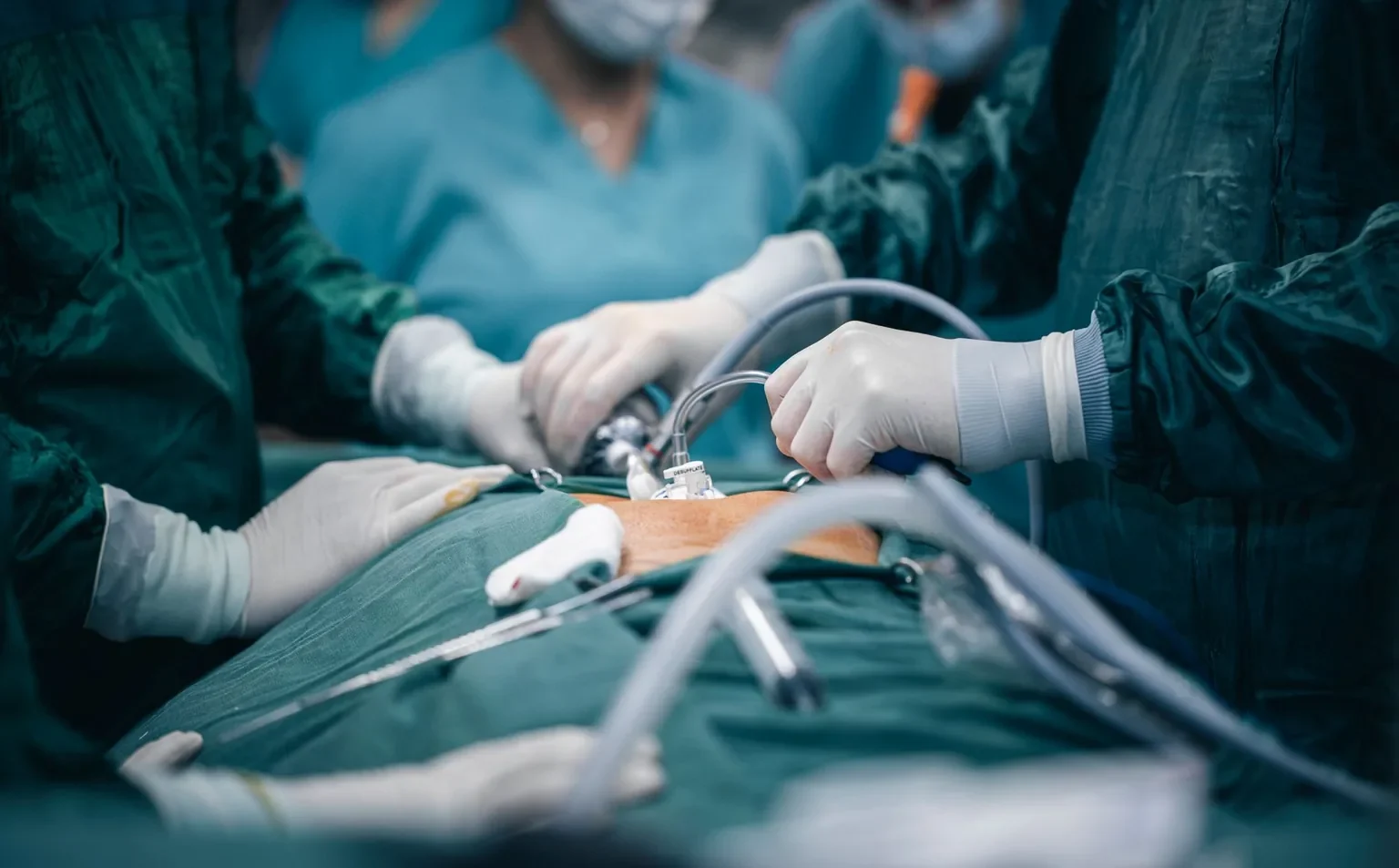

Procedures that treat the kidneys, bladder, prostate, and urinary tract, including kidney stone removal, prostatectomy, and bladder reconstruction.




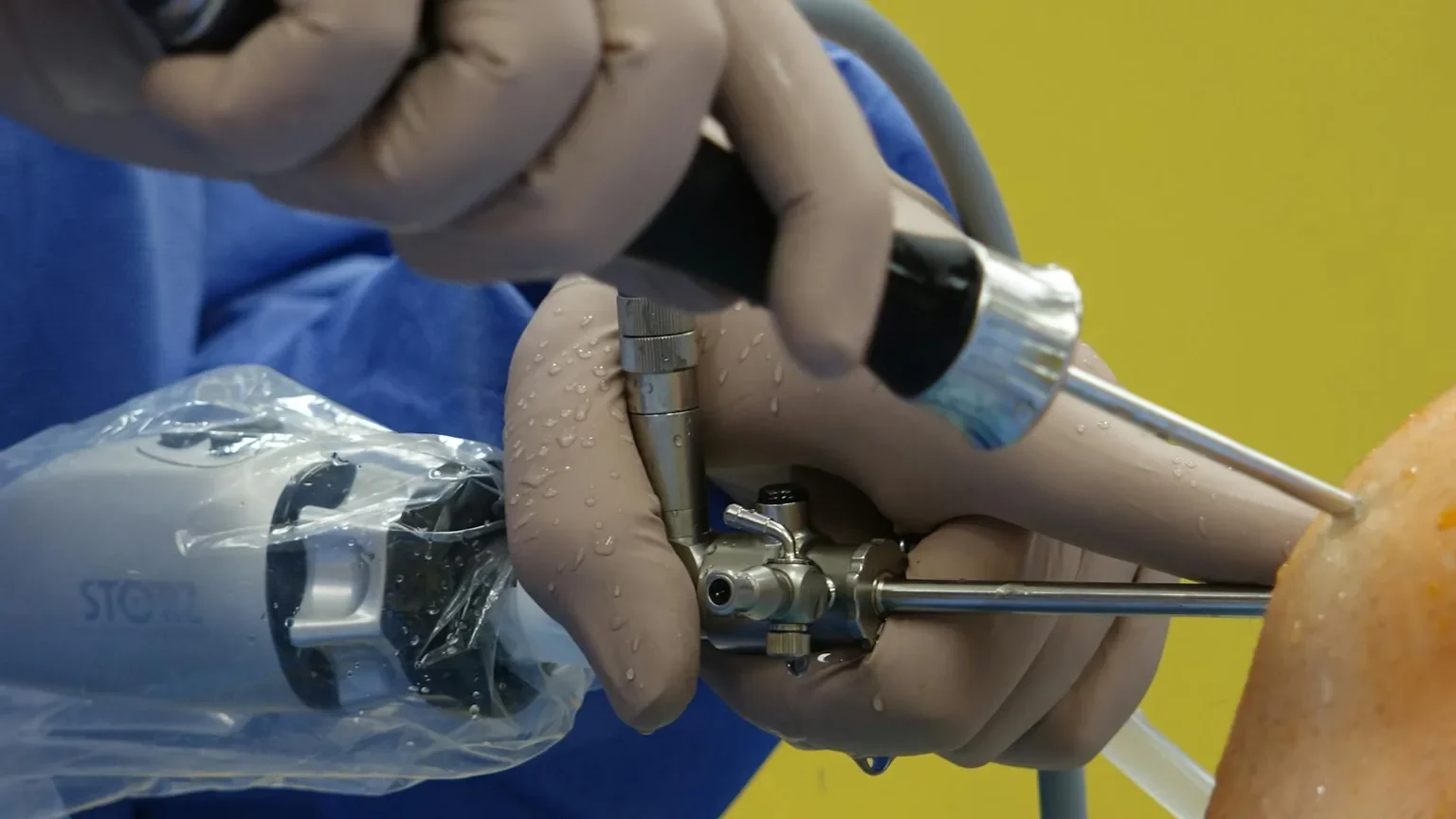


Procedures that treat the reproductive organs, including hysterectomy, ovarian cyst removal, fibroid surgery, and minimally invasive gynecological care.



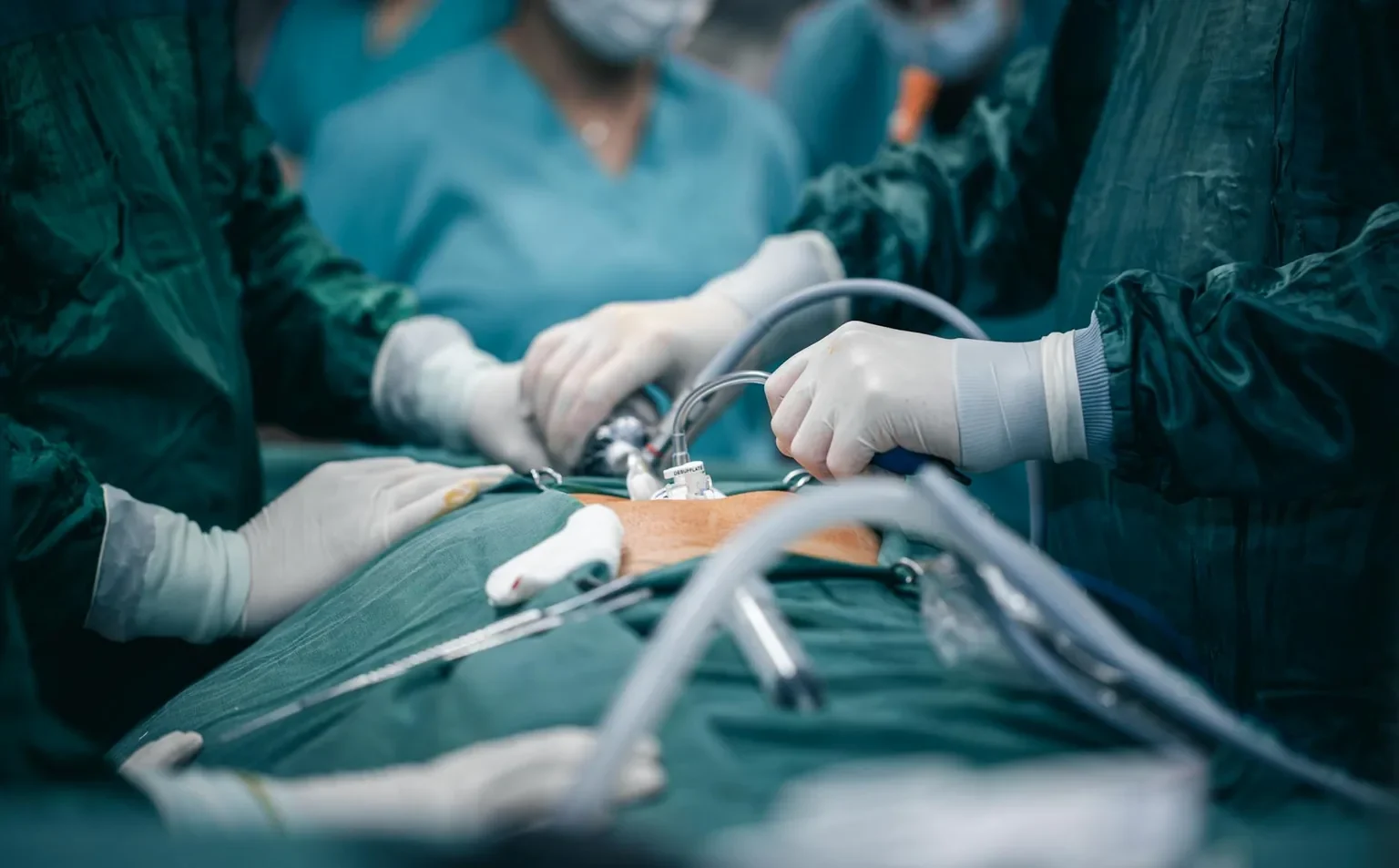



Eye surgeries that restore or preserve vision, including cataract surgery, LASIK, glaucoma surgery, and retinal repair.



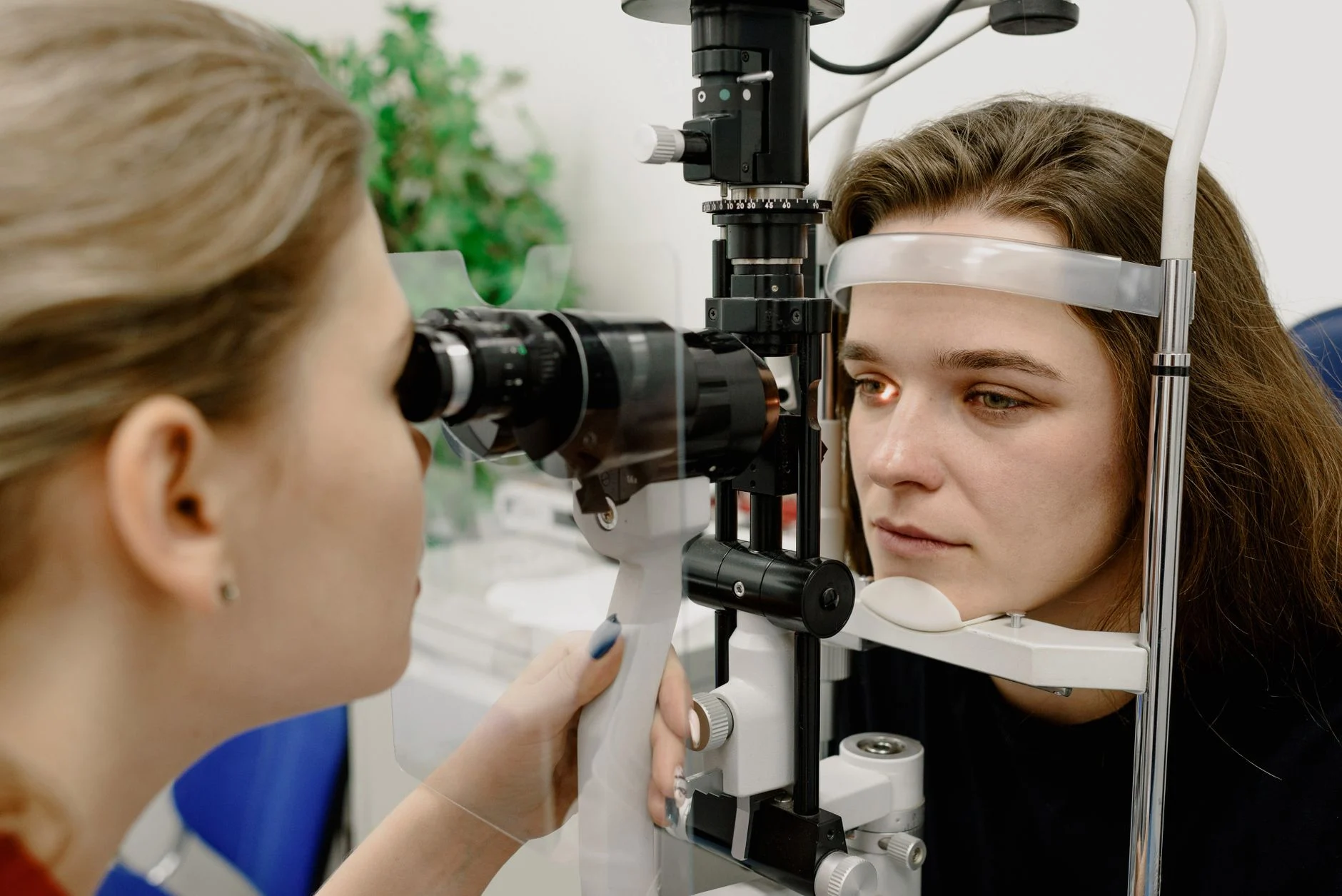



Surgeries on the ears, nose, throat, and related structures. Common procedures include tonsillectomy, sinus surgery, and hearing-related interventions.

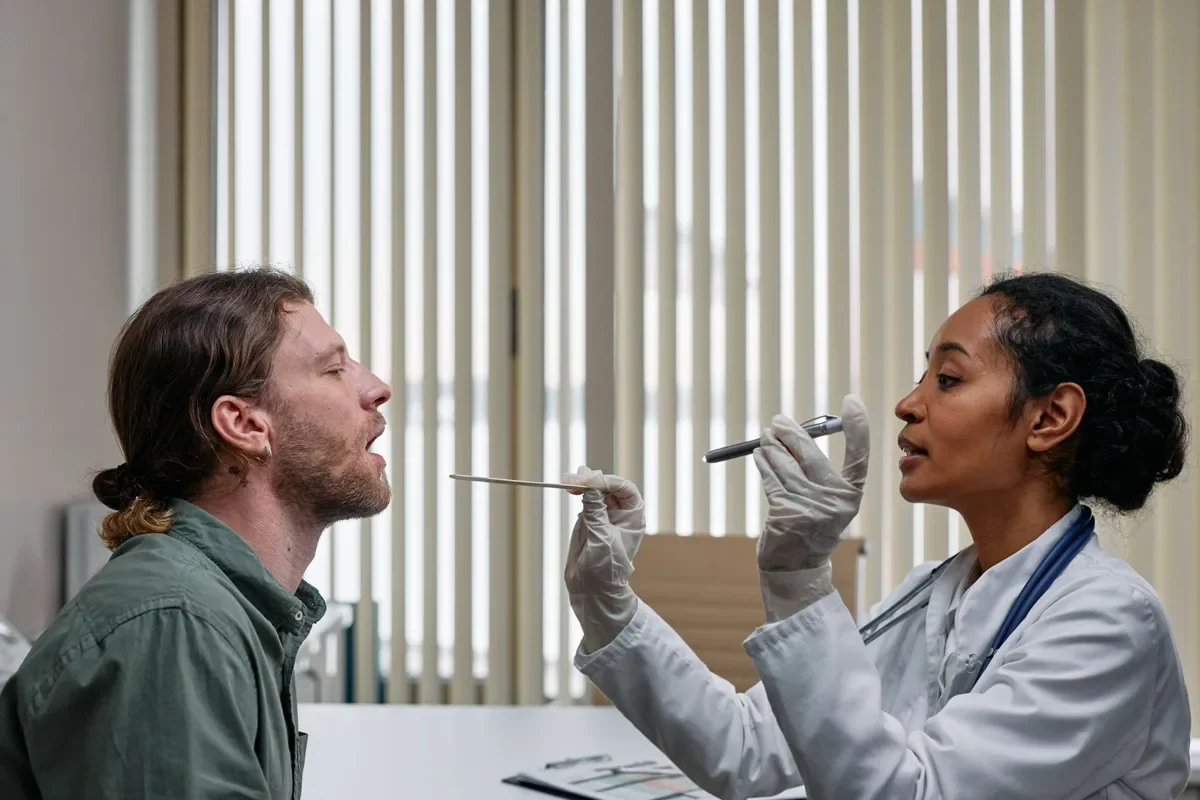


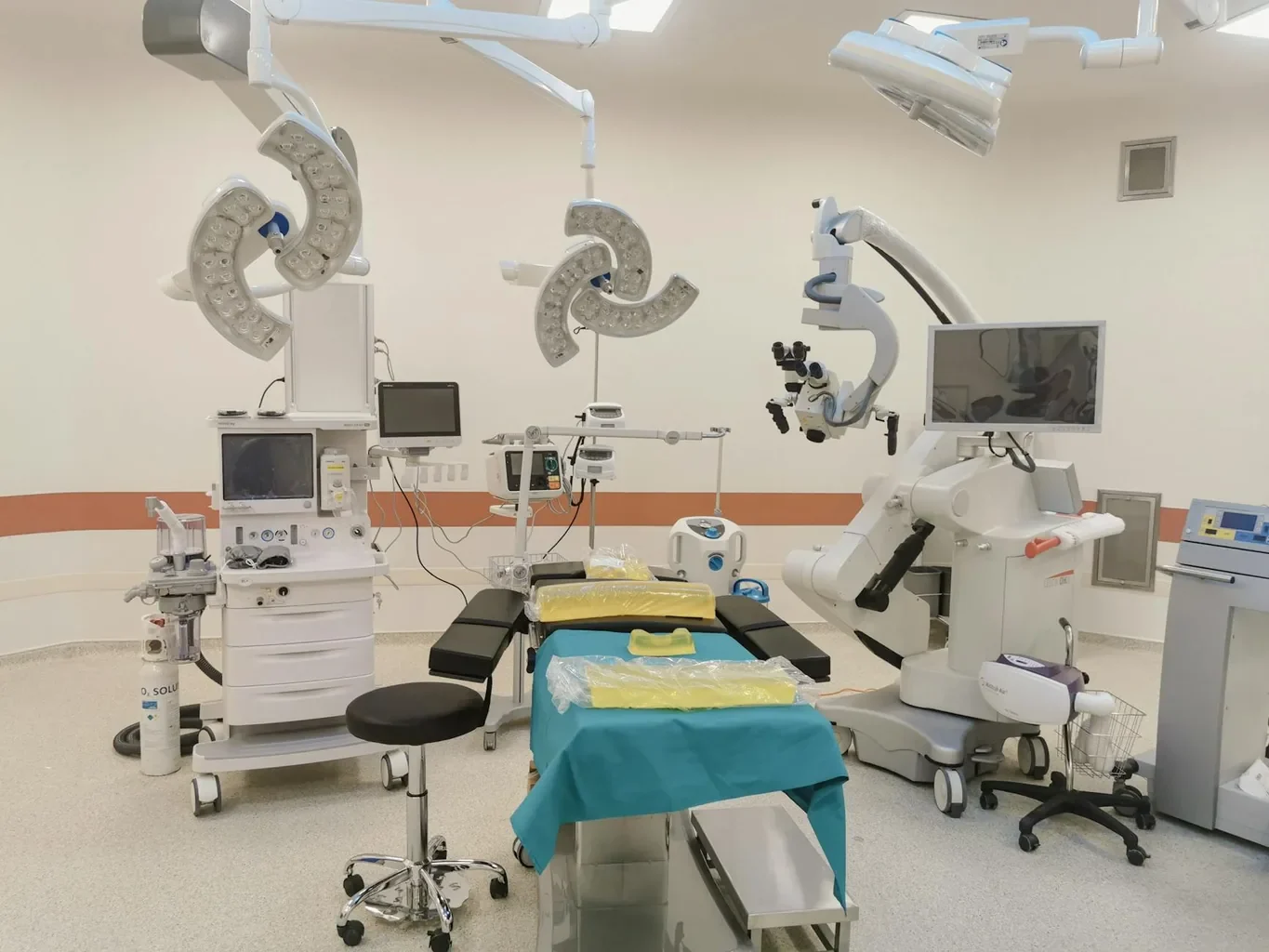


Procedures that restore form and function after injury, illness, or congenital differences, ranging from skin grafts to complex craniofacial reconstruction.



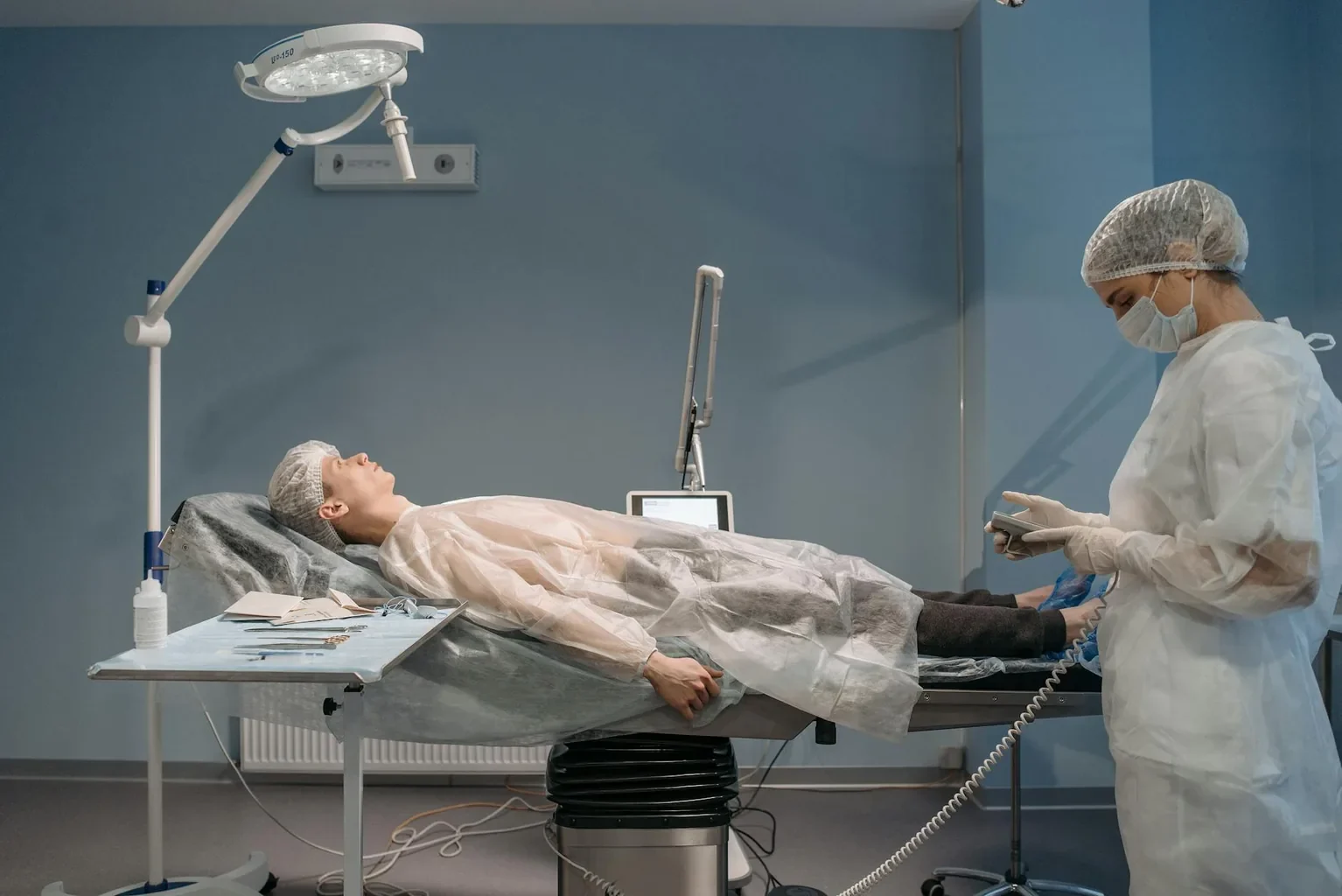



Surgical treatments that remove or manage cancer, often combined with chemotherapy and radiation. Examples include tumor removal, mastectomy, and lymph node biopsy.



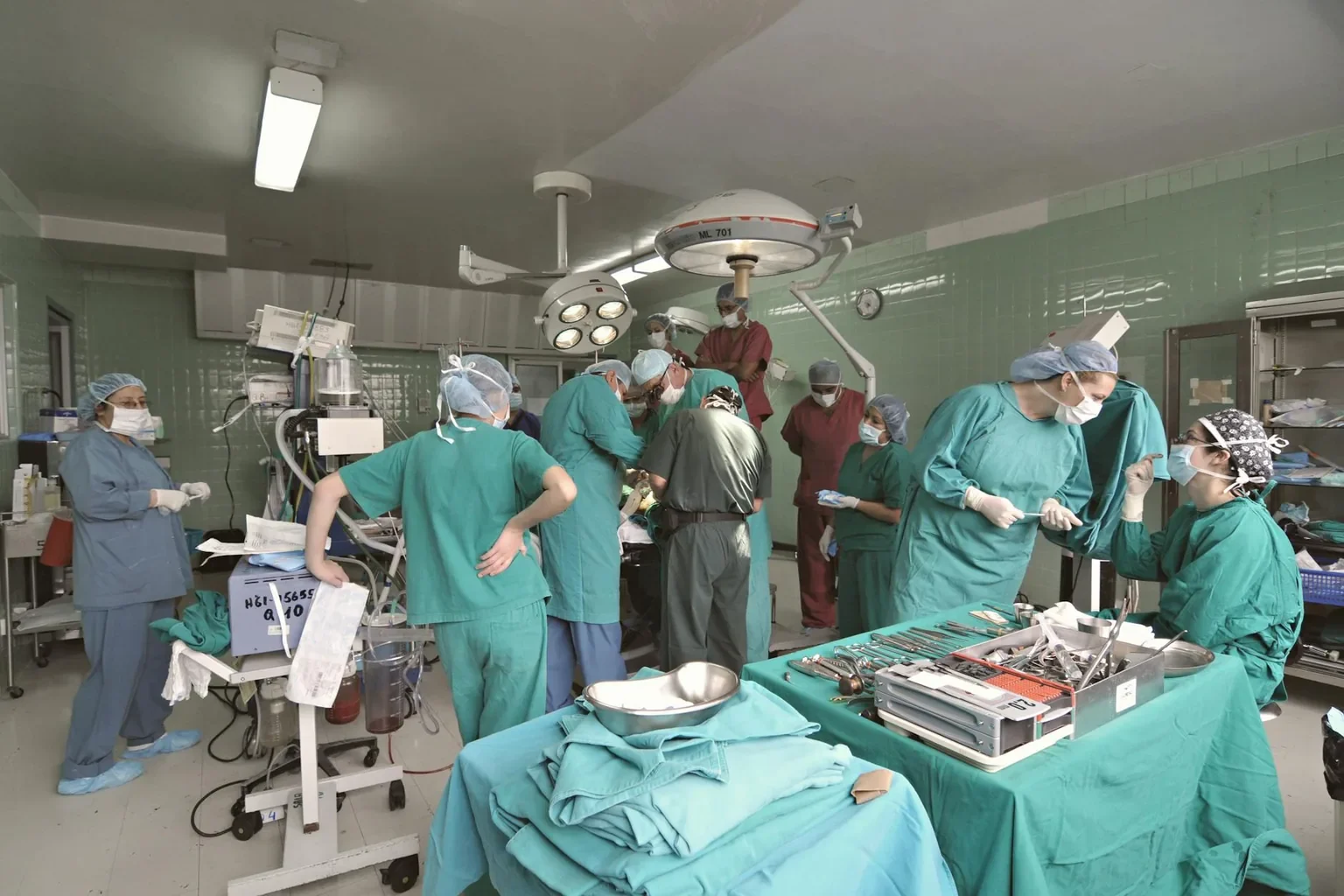



Procedures that replace damaged organs or tissues with healthy donor ones. Includes kidney, liver, heart, lung, and bone marrow transplantation.

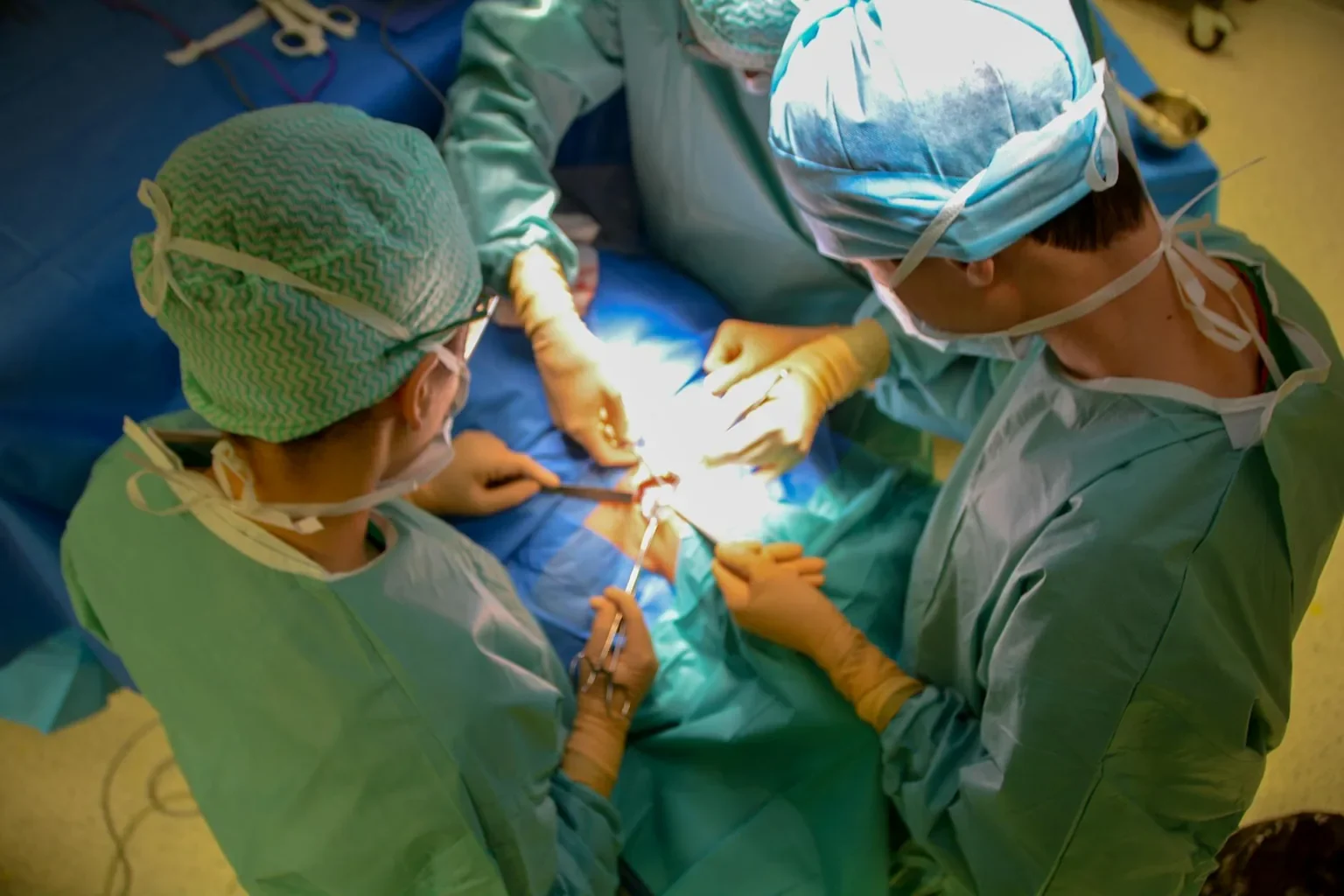


Modern surgical approaches that use small incisions and specialized tools to reduce recovery time and scarring. Includes laparoscopy, arthroscopy, and robotic-assisted surgery.