Medically reviewed by the Know Your Surgery Editorial Team. Last reviewed: May 2026.
A mastectomy is the surgical removal of breast tissue, most often performed to treat or prevent breast cancer. For many patients, the procedure is part of a broader breast cancer care plan that may include lymph node evaluation, radiation, chemotherapy, hormonal therapy, and breast reconstruction. For others, it is a preventive (prophylactic) step taken when genetic or family history risk is very high.
This guide gives you a calm, plain-English overview of what mastectomy is, the main types of mastectomy used today, who tends to need the procedure, and what the patient journey looks like at a high level. Detailed information on causes and diagnosis, the operating-room steps, and patient questions live in the other articles in this cluster.
Significance and Prevalence of Mastectomy in the United States
Breast cancer is the most common cancer in American women (other than skin cancer). According to the American Cancer Society (ACS), Centers for Disease Control and Prevention (CDC), and National Cancer Institute (NCI), about 1 in 8 women in the US will be diagnosed with invasive breast cancer in her lifetime. Tens of thousands of mastectomies are performed in the US each year, both for treatment and for risk reduction.
Modern breast cancer surgery has changed significantly in recent decades. Many women with early-stage cancer are now candidates for breast-conserving surgery (lumpectomy) followed by radiation, with similar long-term outcomes to mastectomy. For other patients, mastectomy remains the recommended approach. Skin-sparing and nipple-sparing techniques, combined with modern reconstruction options, have improved cosmetic outcomes for many patients who choose mastectomy.
Mastectomy is most often part of a multidisciplinary plan involving breast surgery, plastic surgery, medical oncology, radiation oncology, genetics, and other specialties. Outcomes are best when the team coordinates care.
What Is a Mastectomy?
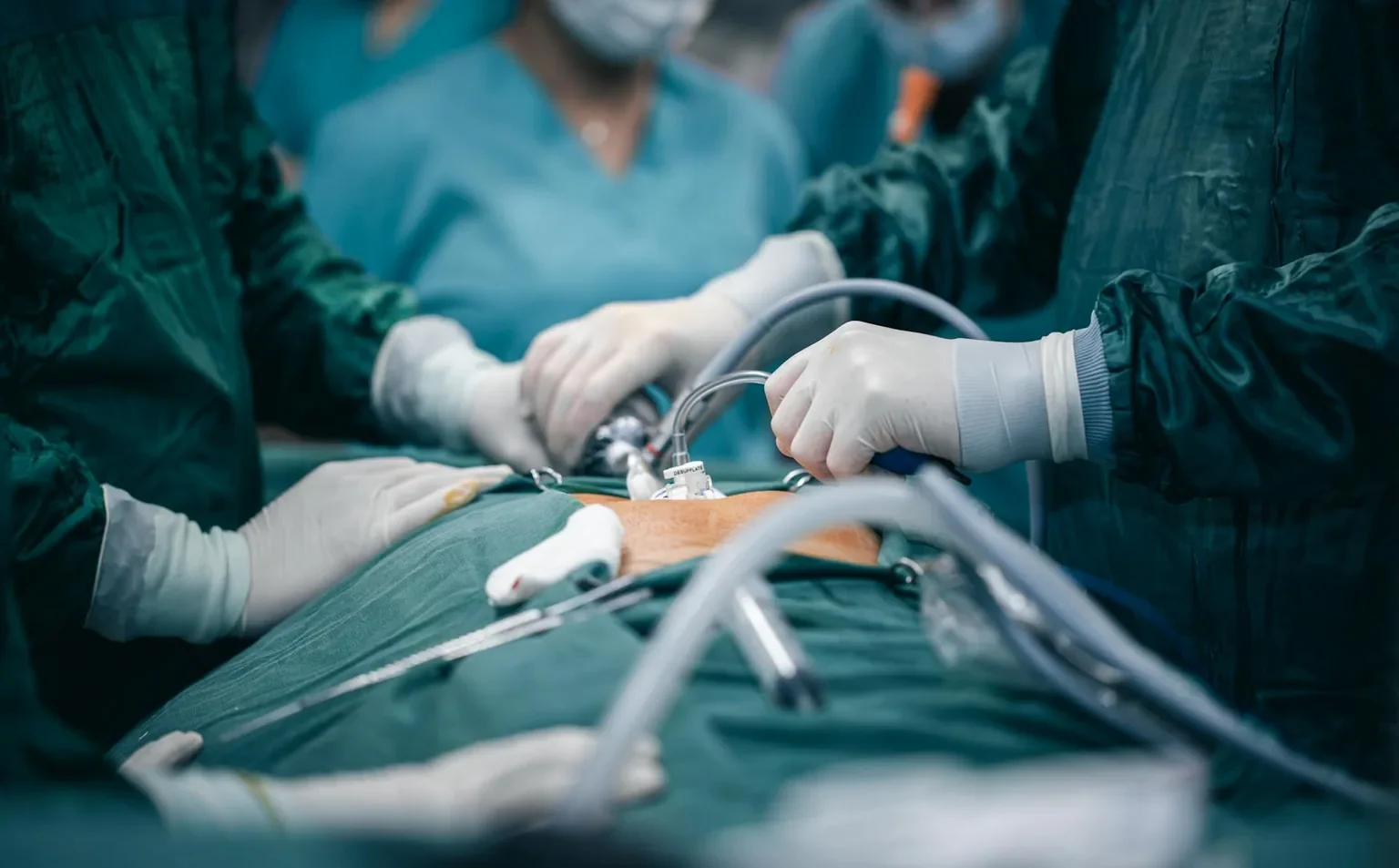
A mastectomy is the surgical removal of all or most of the breast tissue. It is performed by a breast or general surgeon, usually under general anesthesia in a hospital operating room. Depending on the type, the procedure may also include removal of the nipple, areola, and overlying skin, plus evaluation of nearby lymph nodes.
The goals of mastectomy typically include:
- Removing the cancer fully
- Reducing future cancer risk in high-risk patients (prophylactic mastectomy)
- Reducing the chance of cancer recurrence
- Providing a foundation for any planned reconstruction
- Coordinating with other cancer treatments
The full step-by-step procedure walkthrough lives in our procedure and recovery article.
How the Breast and Lymph System Are Organized

The breast contains glandular tissue (lobules and ducts that make and carry milk), fat, connective tissue, blood vessels, and lymphatic vessels. Beneath the breast lies the chest wall muscle (pectoralis). Lymphatic vessels drain mainly into lymph nodes under the arm (axillary lymph nodes), which are an important part of staging breast cancer.
When a cancer is found, the surgical team typically considers both the breast tissue itself and the nearby lymph nodes. Some procedures combine breast surgery with sentinel lymph node biopsy or axillary lymph node dissection.
Main Types of Mastectomy

US surgeons today use several established mastectomy approaches. The choice depends on cancer stage, tumor location, patient health, and patient preferences.
Total (simple) mastectomy. Removes the entire breast tissue, the nipple, and the areola, but does not remove underarm lymph nodes (a separate sentinel node biopsy may be done). Often used for early-stage cancer or for prophylactic mastectomy.
Modified radical mastectomy. Removes the breast tissue, nipple, areola, overlying skin, and most underarm lymph nodes. Used when the cancer has spread to lymph nodes.
Skin-sparing mastectomy. Removes the breast tissue, nipple, and areola but preserves most of the breast skin envelope, allowing better reconstruction outcomes.
Nipple-sparing mastectomy. Removes the breast tissue while preserving the nipple, areola, and skin. Suitable for select patients based on tumor size and location.
Double mastectomy (bilateral mastectomy). Removes both breasts. Often used for cancer in both breasts, certain genetic mutations, or by patient choice for risk reduction.
Prophylactic mastectomy. A preventive procedure, often considered for women with strong family history or BRCA1/BRCA2 gene mutations.
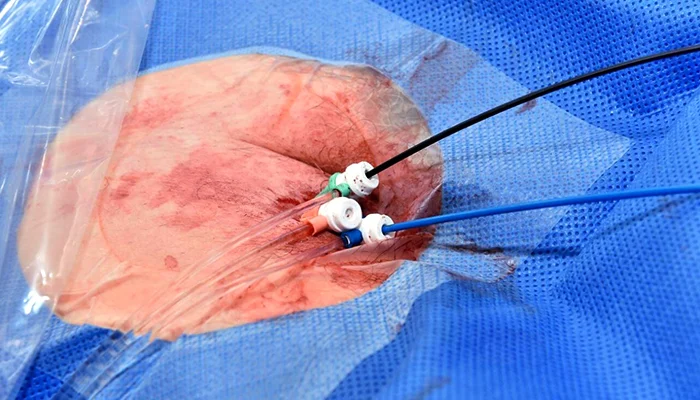
A single sentence on emerging methods: some centers offer robotic-assisted mastectomy in research settings, although this is not yet standard. We compare the techniques in more depth in our procedure and recovery article.
Surgical Techniques at a High Level
Most mastectomies are performed under general anesthesia. Operating times typically range from 2 to 4 hours, and longer if combined with reconstruction. Patients are at the hospital for assessment, anesthesia, recovery, and (often) at least one overnight stay.
The surgical team monitors comfort and safety throughout, and patients are moved to a recovery area immediately after surgery. Most patients have at least one drain (a soft tube to remove fluid) for one to two weeks after mastectomy.
If reconstruction is planned, it can be performed at the same time (immediate reconstruction) or later (delayed reconstruction). The plastic surgery team participates in planning either way.
What Gets Removed in a Mastectomy?
What is removed depends on the type of mastectomy:
- Total mastectomy: all breast tissue, nipple, areola
- Modified radical mastectomy: breast tissue, nipple, areola, overlying skin, most underarm lymph nodes
- Skin-sparing: breast tissue, nipple, areola; most skin preserved
- Nipple-sparing: breast tissue; nipple, areola, and skin preserved
The chest wall muscles are typically preserved in modern mastectomies (older “radical mastectomies” that removed muscles are rarely performed today).
Who Might Need a Mastectomy?
Mastectomy is generally considered when:
- The cancer involves a large portion of the breast or multiple areas
- Radiation therapy after lumpectomy is not safe or desired
- Cancer has recurred after lumpectomy and radiation
- The patient prefers mastectomy after careful discussion of options
- The patient has a strong genetic risk (such as BRCA1/BRCA2 mutation) and chooses prophylactic mastectomy
- The cancer is invasive and breast-conserving surgery is not a good option
Common reasons in the United States include:
- Invasive breast cancer, depending on stage and location
- Ductal carcinoma in situ (DCIS), in some cases
- Inflammatory breast cancer
- Recurrent breast cancer
- High-risk genetic mutations (BRCA1, BRCA2, PALB2, others)
- Patient choice in selected scenarios
We cover causes and diagnostic criteria in detail in our causes and diagnosis article.
Early Warning Signs of Breast Cancer
Mastectomy is often considered after breast cancer is diagnosed. Common warning signs that warrant medical evaluation include:
- A new lump or mass in the breast or underarm
- Change in breast size, shape, or contour
- Skin changes (dimpling, puckering, redness, scaling)
- Nipple inversion or new nipple discharge (especially bloody)
- Persistent breast pain in one specific area
- Swelling of part or all of the breast
- An area that feels different from surrounding tissue
These symptoms can have many causes, but any new or persistent breast change deserves prompt clinical evaluation. Imaging (mammogram, ultrasound, sometimes MRI) and a tissue biopsy are usually needed to make a diagnosis. Most breast lumps are not cancer, but only a clinician can determine that.
Your Mastectomy Journey at a Glance
Although every patient’s path is different, the typical mastectomy journey in the United States follows a familiar pattern.
It often begins with the discovery of a breast change (during self-exam, screening mammogram, or routine clinical breast exam). Diagnostic imaging and a needle biopsy determine whether cancer is present and what type. Once cancer is confirmed, the patient meets with a multidisciplinary team to discuss surgery, radiation, chemotherapy, hormonal therapy, and reconstruction options.
When mastectomy is chosen, pre-operative preparation includes blood tests, anesthesia review, imaging review, conversations about reconstruction (immediate or delayed), and detailed education on what to expect. The surgery itself typically takes 2 to 4 hours, longer if combined with reconstruction.
After surgery, patients usually stay in the hospital for 1 to 2 nights for uncomplicated mastectomy (longer if reconstruction is more complex). Drains are managed at home, with daily measurements until removal at the follow-up visit. Recovery continues at home with support from family, friends, and the care team.
For patients receiving additional treatment (chemotherapy, radiation, hormonal therapy), the calendar of care extends for months to years. Detailed timelines are covered in our procedure and recovery article.
Frequently Asked Questions
Is a mastectomy major surgery?
Yes. Mastectomy is major surgery performed under general anesthesia, usually requiring 1 to 2 nights in the hospital. Recovery takes weeks. Many patients combine mastectomy with reconstruction, which can extend the recovery period.
Will I need reconstruction?
Reconstruction is a personal decision, not a medical requirement. Some patients choose immediate reconstruction at the time of mastectomy. Others choose delayed reconstruction or no reconstruction. The plastic surgery team participates in the conversation early so the patient can make an informed choice.
Can I have breast-conserving surgery instead?
For some patients with early-stage cancer, lumpectomy followed by radiation has similar long-term outcomes to mastectomy. The decision depends on tumor size, location, type, and patient preferences. The breast surgical team will discuss the options.
Continue Reading the Mastectomy Cluster
- Mastectomy: Causes, Diagnosis, and When to Consider Surgery
- Mastectomy: Procedure, Recovery, and Rehabilitation
- Mastectomy: FAQs, Statistics, and Patient Stories
Sources
- American Cancer Society (ACS). Mastectomy: types and considerations. https://www.cancer.org/cancer/types/breast-cancer/treatment/surgery-for-breast-cancer/mastectomy.html
- National Cancer Institute (NCI). Breast cancer treatment. https://www.cancer.gov/types/breast/patient/breast-treatment-pdq
- Centers for Disease Control and Prevention (CDC). Breast cancer statistics. https://www.cdc.gov/breast-cancer/
- Mayo Clinic. Mastectomy: overview. https://www.mayoclinic.org/tests-procedures/mastectomy/about/pac-20384879
- Cleveland Clinic. Mastectomy: overview. https://my.clevelandclinic.org/health/treatments/8330-mastectomy
- American Society of Plastic Surgeons (ASPS). Breast reconstruction. https://www.plasticsurgery.org/reconstructive-procedures/breast-reconstruction
Medical Disclaimer
The information in this article is for general education and is not a substitute for professional medical advice, diagnosis, or treatment. Always consult a qualified healthcare provider with questions about a breast cancer diagnosis, screening, or surgery. Never disregard professional medical advice or delay in seeking it because of something you have read here.