Recovery after total knee replacement is a gradual, months-long process for most US patients, and the work you put into physical therapy shapes the result. The first weeks focus on controlling pain and swelling, protecting the wound, preventing blood clots, and steadily rebuilding motion and strength. This checklist organizes what to do, what to avoid, and when to call your care team, broken down week by week from surgery day through the full year of recovery.
This piece complements our broader total knee replacement cluster. For the procedure walkthrough and decision context, see our total knee replacement overview, causes and diagnosis article, and full procedure and recovery walkthrough. For long-term FAQ and outcomes, see our total knee replacement FAQs article.
Right After Surgery: The First 24 to 48 Hours
Total knee replacement in the US is often same-day outpatient or a single overnight stay, occasionally longer for patients who need more support. Recovery starts almost immediately.
- You will usually stand and take a few steps with a walker and a physical therapist the same day or the next morning
- Pain is managed with a combination of medications; tell your team what is and is not working
- Ice and elevation help control swelling; keep the leg elevated when resting
- Blood-clot prevention begins right away with a blood thinner, compression devices, ankle pumps, and early walking
- Breathing exercises help prevent lung problems
Week 1 Checklist (Days 1 to 7)

Week 1 is about safe movement at home, wound care, swelling control, and starting your exercise program.
Physical therapy and movement
- Do your prescribed exercises several times a day; consistency now drives your long-term motion
- Walk with a walker or crutches as instructed, bearing weight as allowed
- Work on straightening the knee fully and bending it a little more each day
- On stairs, lead with your non-operated leg going up and your operated leg going down
Wound care and swelling
- Keep the incision clean and dry; follow instructions on showering and dressing changes
- Ice and elevate the leg regularly to control swelling
- Some swelling and bruising down the leg is expected
Blood-clot awareness
- Continue your blood thinner and compression as prescribed
- Keep doing ankle pumps and short, frequent walks
Warning signs that need urgent attention
- Calf pain, tenderness, warmth, or new swelling in the leg (possible blood clot)
- Sudden shortness of breath or chest pain (possible clot in the lung; call 911)
- Fever over 100°F (37.8°C), increasing wound redness, or drainage (possible infection)
- Sudden inability to bear weight or a knee that gives way
Weeks 2 to 3 Checklist
By weeks 2 to 3, the wound is closing and outpatient physical therapy usually ramps up.
- Staples or sutures are typically removed around 10 to 14 days if used
- Continue outpatient or home physical therapy; a common early goal is about 90 degrees of knee bend
- Keep icing and elevating to manage swelling, which is normal for weeks to months
- Progress from a walker to a cane as your therapist advises
- Most people are still not driving yet, especially after a right knee replacement
Weeks 4 to 6 Checklist
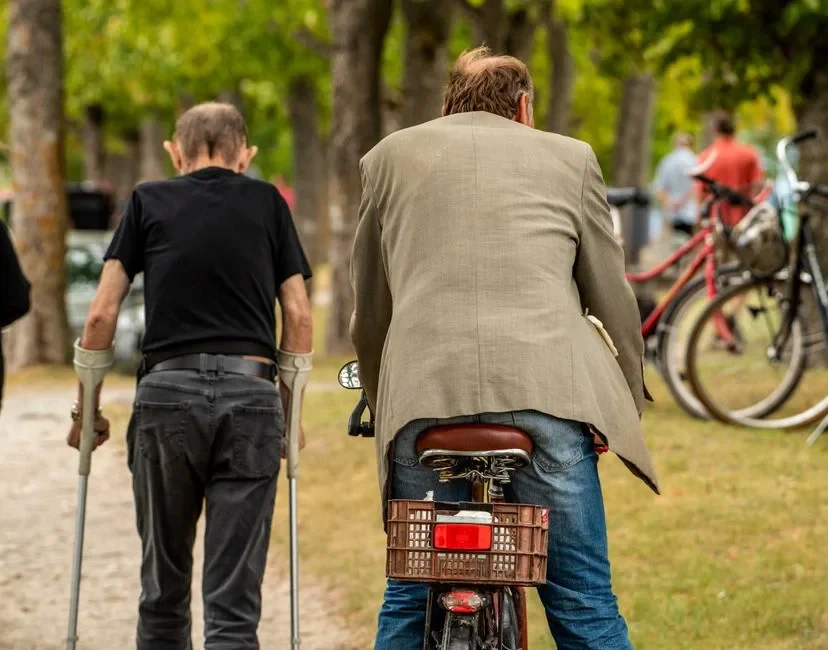
By weeks 4 to 6, many patients walk more comfortably and gain independence.
- Many people transition off the walker and cane during this window, as cleared by their therapist
- Driving often resumes around 4 to 6 weeks once you are off narcotic pain medication and have enough control and reaction time; confirm with your surgeon
- Desk workers often return to work around 4 to 6 weeks; physically demanding jobs take longer
- Keep up physical therapy; continued gains in motion and strength depend on it
Weeks 6 to 12 Checklist
Weeks 6 to 12 bring steady functional gains for most patients.
- Walking distance and stamina improve; many resume most daily activities
- Continue strengthening exercises and work toward fuller knee bend
- Low-impact activity such as walking, stationary cycling, and swimming is usually encouraged once cleared
- Swelling continues to decrease gradually
Long-Term Recovery (3 Months to 1 Year)
Recovery continues well beyond the early weeks. Most people keep improving for up to a year.
- Strength, motion, and comfort typically continue to improve through 6 to 12 months
- Stick with a long-term exercise routine to protect the new joint
- Favor low-impact activities; most surgeons advise avoiding high-impact sports like running and jumping
- Kneeling is often uncomfortable but is not harmful to the implant; follow your surgeon’s advice on it
- Modern knee implants are durable: the AAOS reports more than 90 percent are still working well 15 years after surgery. Your surgeon monitors the joint over time
- Tell any dentist or doctor about your implant before certain procedures, per your surgeon’s guidance
What Is Normal, What Is Not
Normal in the first weeks to months:
- Swelling and warmth around the knee that slowly improve over weeks to months
- Bruising down the leg
- A clicking or clunking sensation from the implant
- Numbness on the outer side of the incision
- Difficulty sleeping in the early weeks
Not normal, contact your care team:
- Calf pain, warmth, or new leg swelling (possible blood clot)
- Chest pain or shortness of breath (possible lung clot; call 911)
- Fever, increasing redness, or wound drainage (possible infection)
- Severe pain not controlled by medication, or a knee that will not bend or straighten
When to Call Your Doctor
Call your surgeon’s office without delay for:
- Signs of a blood clot in the leg: calf pain, tenderness, warmth, or new swelling
- Fever over 100°F (37.8°C), increasing wound redness, warmth, or drainage
- A wound that reopens or bleeds
- Severe pain not relieved by your medication
- A fall or an injury to the new knee
Call 911 for sudden shortness of breath, chest pain, or coughing up blood, which can signal a clot that has traveled to the lungs and is a medical emergency.
Tips for Caregivers and Family
Support in the first 2 to 6 weeks matters most, since mobility is limited early on.
- Help set up a safe home before surgery: remove trip hazards, add a raised toilet seat, and keep daily items within reach
- Drive the patient to physical therapy and follow-up visits
- Encourage the home exercise program every day; gentle consistency is what works
- Help with meals, ice packs, and medication timing
- Watch for signs of a blood clot or infection and help arrange a prompt call
Frequently Asked Questions
How long does recovery take after a total knee replacement?
Most people walk with a cane or unaided within a few weeks and return to many daily activities by 6 to 12 weeks. Strength, motion, and comfort continue to improve for up to a year.
When can I walk without a walker?
Many people move from a walker to a cane within the first 2 to 3 weeks and off the cane around 4 to 6 weeks, as their physical therapist advises. Timing is individual.
When can I drive again?
Driving often resumes around 4 to 6 weeks, once you are off narcotic pain medication and have enough strength and reaction time. Right-knee replacements usually take a bit longer. Confirm with your surgeon.
When can I return to work?
Desk workers often return around 4 to 6 weeks. Jobs that involve standing, walking, or lifting require more time, sometimes 3 months or more.
How much physical therapy will I need?
Physical therapy is central to recovery. Most people do daily home exercises plus outpatient sessions for several weeks to a few months. The effort you put in strongly affects your final range of motion.
Why is my knee still swollen and warm weeks later?
Swelling and warmth are normal and can persist for weeks to months as the knee heals. Ice, elevation, and exercise help. Contact your team if swelling is sudden, one-sided in the calf, or paired with fever or redness.
What are the signs of a blood clot after knee surgery?
Watch for calf pain, tenderness, warmth, or new swelling in the leg. Sudden shortness of breath or chest pain can mean a clot has traveled to the lungs and is an emergency; call 911. Blood-clot prevention is a key part of early recovery.
When will I feel fully recovered?
Most patients feel substantially better by 3 months and continue to improve through 6 to 12 months. Sticking with low-impact activity and exercise protects the new joint long term.
Continue Reading the Total Knee Replacement Cluster
- Total Knee Replacement: Overview, Types, and What to Expect
- Total Knee Replacement: Causes, Diagnosis, and When to Consider Surgery
- Total Knee Replacement: Procedure, Recovery, and Rehabilitation
- Total Knee Replacement: FAQs, Statistics, and Patient Stories
- Total Knee Replacement: Questions to Ask Your Surgeon
Sources
- American Academy of Orthopaedic Surgeons (AAOS), OrthoInfo. Total knee replacement and rehabilitation exercise guide. https://www.orthoinfo.org/en/treatment/total-knee-replacement/
- NIH MedlinePlus. Knee joint replacement, discharge and aftercare. https://medlineplus.gov/ency/patientinstructions/000170.htm
- American Joint Replacement Registry (AJRR), American Academy of Orthopaedic Surgeons. https://www.aaos.org/registries/
- Mayo Clinic. Knee replacement: recovery. https://www.mayoclinic.org/tests-procedures/knee-replacement/about/pac-20385276
- Cleveland Clinic. Knee replacement recovery and aftercare. https://my.clevelandclinic.org/health/treatments/8512-knee-replacement
Medical Disclaimer
The information in this article is for general education and reflects typical US recovery patterns. Individual recovery varies based on your health, the surgical approach, and how consistently you complete physical therapy. Always follow the specific instructions from your surgeon and physical therapist. Seek urgent care for signs of a blood clot, infection, or severe uncontrolled pain, and call 911 for chest pain or shortness of breath. This article is not medical advice.
Planning the financial side alongside recovery? Our US total knee replacement cost breakdown covers surgery pricing, Medicare and commercial insurance, and out-of-pocket costs.