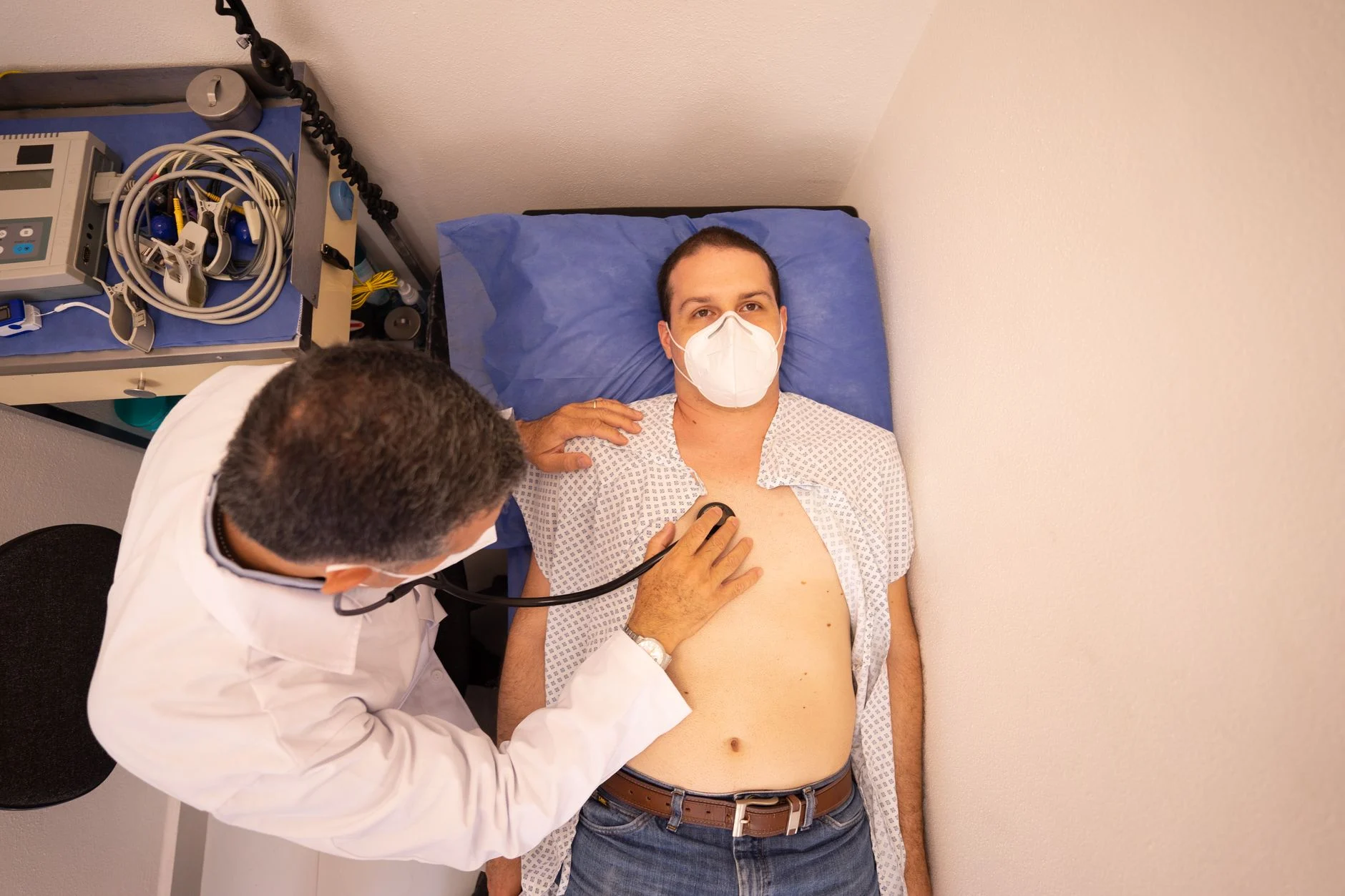
For many adults preparing for knee replacement, the biggest unknown is what the surgery actually involves and what recovery will look like in the weeks and months that follow. Knowing the general flow makes the experience less intimidating and helps patients prepare their homes, their support, and their expectations.
This guide walks through total knee replacement step by step: how to prepare, what happens on the day of surgery, what the implant looks like once it is in place, and the typical rehabilitation path most patients follow during recovery.
How to Prepare for Knee Replacement Surgery
Most surgeons begin formal preparation a few weeks before the operation. The goal is to make sure the body is in the best possible shape, the home is ready, and the patient knows what to expect.
A typical pre-operative plan includes:
- Medical evaluation. Blood tests, an EKG, and a physical exam to confirm the patient is healthy enough for surgery.
- Medication review. Blood thinners, anti-inflammatory drugs, herbal supplements, and certain prescription medications may need to be paused or adjusted.
- Dental clearance. Many surgeons ask patients to address active dental issues before surgery to lower the risk of infection.
- Pre-habilitation exercises. Physical therapy before surgery to strengthen the muscles around the knee.
- Lifestyle adjustments. Quitting smoking, controlling blood sugar, and reaching a stable weight can all reduce risk.
- Home preparation. Removing trip hazards, setting up a recovery space on the main floor, adding a raised toilet seat or shower bench, and arranging meals and help for the first week or two.
- Equipment review. Walkers, crutches, ice machines, and assistive devices the surgeon may recommend.
The American Academy of Orthopaedic Surgeons (AAOS) emphasizes that the better prepared a patient is at home, the smoother the early recovery tends to be.
Anesthesia and Pain Control Options
Knee replacement is performed under either general anesthesia or spinal anesthesia, sometimes combined with regional nerve blocks. The anesthesia team usually meets with the patient before surgery to review options and choose the safest plan.
- General anesthesia keeps the patient fully asleep during surgery.
- Spinal anesthesia numbs the body from the waist down. Many patients are sedated but not fully unconscious.
- Regional nerve blocks are local injections that numb the nerves around the knee. They are commonly added on top of general or spinal anesthesia to lower pain in the first hours after surgery.
After surgery, pain is managed with a combination of approaches. According to the Cleveland Clinic and AAOS, most modern programs use a “multimodal” plan that combines several non-opioid medications with limited short-term opioids when needed. Ice, elevation, and early movement are also part of pain control.
What Happens During Total Knee Replacement Surgery
Total knee replacement (also called total knee arthroplasty) is a resurfacing procedure. The surgeon does not remove the entire knee. Instead, the worn cartilage and a small layer of bone are replaced with smooth artificial parts.
A typical procedure follows this pattern:
- Incision. A vertical incision is made over the front of the knee. The length depends on the patient’s anatomy and the chosen technique.
- Joint exposure. The kneecap is moved aside so the surgeon can see the surfaces of the femur and tibia.
- Damaged surface removal. The damaged cartilage and a thin layer of bone are removed from the lower femur, the upper tibia, and (in many cases) the back of the kneecap.
- Implant placement. A metal cap is fitted to the femur, a metal plate is secured to the tibia, and a smooth polyethylene spacer is placed between them. A small plastic button may be added to the back of the kneecap if needed.
- Fixation. The implant is held in place with bone cement, by direct press-fit so bone grows into the surface, or with a hybrid approach.
- Alignment and balance. The surgeon checks the alignment, the soft tissue tension, and how smoothly the new joint moves through its range.
- Closure. The layers of tissue are closed with sutures or staples and a sterile dressing is applied.
The entire procedure typically takes one to two hours. The exact length depends on anatomy, prior surgeries, and the specific implant.
Surgical Approaches and Technology
Most total knee replacements in the United States are still performed using traditional manual techniques. Some surgeons use minimally invasive approaches with shorter incisions, while others use computer-navigated or robotic-assisted systems to help guide bone cuts and implant alignment.
The AAOS notes that all of these techniques use the same general categories of implants, and the surgeon chooses an approach based on training, the patient’s anatomy, and the type of damage being treated. The decision is best made together with the surgeon, who can explain why a particular approach fits a particular knee.
Where the Surgery Is Performed and How Long Patients Stay
Knee replacement used to almost always involve a hospital stay of several days. Today, the picture is more flexible. According to the American Joint Replacement Registry (AJRR) 2024 Annual Report, a growing share of patients are now discharged the same day or the day after surgery, and outpatient surgery centers have become more common for healthy candidates.
The exact setting depends on:
- The patient’s overall health
- Their support at home
- Whether the surgeon’s program is set up for outpatient care
- Insurance coverage
Patients with multiple health conditions or limited home support typically stay one to two nights. Some go to a short-term rehabilitation facility before returning home.
What to Expect Right After Surgery
The first hours after knee replacement focus on safety, pain control, and gentle movement. Most patients are surprised at how soon they are encouraged to stand and take a few supported steps.
A typical immediate post-op experience includes:
- Recovery room. Vital signs are monitored as anesthesia wears off.
- Early movement. Many programs have patients stand and walk a short distance with a walker on the same day or the next morning.
- Pain management. A multimodal plan with scheduled medications, ice, and elevation.
- Blood clot prevention. Compression devices on the legs, blood-thinning medication, and frequent ankle pumps.
- Wound care education. Instructions for keeping the incision clean and dry.
- Discharge planning. A physical therapist and nurse review home exercises, walking aids, medications, and warning signs.
Each program differs slightly, but the goal everywhere is the same: get the patient moving safely as soon as possible.
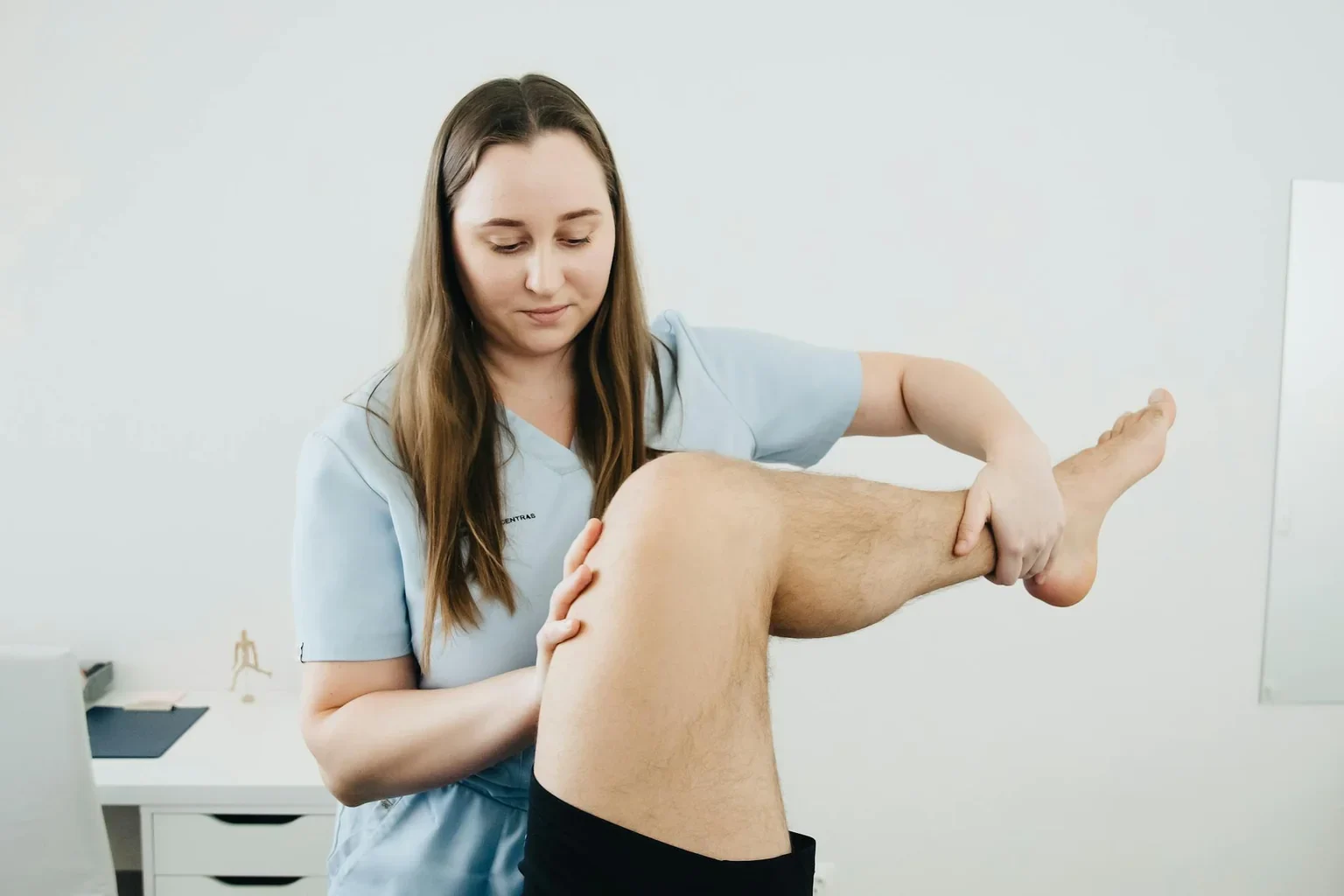
The Rehabilitation Phases After Knee Replacement
Recovery from knee replacement is a process, not a single event. Most patients move through several broad phases. Exact timing depends on age, health, the type of implant, and how committed the patient is to rehabilitation.
Early Recovery (the First Few Weeks)
Focus is on swelling control, gentle range of motion, and safe walking with a walker or crutches. Patients usually start outpatient or home physical therapy soon after surgery. Wound healing, sleep adjustments, and managing pain take most of the energy in this phase.
Middle Recovery (Several Weeks to a Few Months)
Strength work begins. Patients usually move from a walker to a cane and then to walking unaided. Range of motion improves and stair climbing becomes more comfortable. Many patients start to drive again once their surgeon clears them and they can react safely. Return to desk-based work is often possible during this phase, while physically demanding jobs take longer.
Later Recovery (Continued Improvement Over Many Months)
Strength, balance, and confidence keep improving for many months after surgery. Most patients continue a home exercise routine even after formal therapy ends. The knee may still feel different from a natural joint for a long period, which is expected.
The AAOS and Mayo Clinic both stress that recovery is gradual and that consistency with exercises is more important than intensity.
Physical Therapy and Home Exercises
Physical therapy is the engine of recovery. Without it, even a perfectly placed implant will not perform as well as it could. A typical program includes:
- Range of motion exercises to restore bending and straightening
- Strengthening exercises for the quadriceps, hamstrings, and hip muscles
- Balance work to reduce fall risk
- Walking practice with progressive distance
- Stair training as the leg gets stronger
- Daily home routines that patients continue between sessions
Most surgeons recommend that patients prioritize attending therapy and doing daily home exercises, even on days when the knee feels stiff.

Activities and Lifestyle After Knee Replacement
Most patients return to walking, golfing, gardening, swimming, biking, and traveling. Higher-impact activities such as long-distance running and competitive contact sports are usually discouraged because they can shorten the life of the implant.
Sensible long-term habits include:
- A regular low-impact exercise routine
- Maintaining a healthy weight
- Wearing supportive footwear
- Avoiding repeated heavy impact
- Telling future dentists and doctors about the implant when relevant
Possible Risks and Complications
Knee replacement is generally considered a safe and effective surgery, but it is still major surgery. Possible risks include:
- Infection
- Blood clots in the leg or lungs
- Bleeding
- Nerve or blood vessel injury
- Stiffness or limited range of motion
- Persistent pain
- Implant loosening, wear, or rare instability over time
- Anesthesia-related risks
Many of these risks are reduced through good preparation, careful surgical technique, attentive aftercare, and patient adherence to physical therapy. Patients are encouraged to discuss their personal risk factors openly with their surgeon.
Warning Signs to Report After Surgery
Patients are usually given a list of symptoms that need prompt attention after surgery. Common warning signs include:
- Increasing redness, warmth, or drainage at the incision
- Fever
- Calf pain, swelling, or tenderness in either leg
- Sudden chest pain or shortness of breath
- Pain that is not controlled by the prescribed medications
- A noticeable change in the alignment of the leg
When in doubt, calling the surgeon’s office is always preferred over waiting.
Long-Term Care of the Knee Implant
A modern knee implant is built to last many years with regular use. Long-term care includes routine follow-up visits, periodic X-rays as recommended by the surgeon, and ongoing strength and flexibility work at home. Patients should also let other healthcare providers know about the implant, since some procedures (such as certain dental work) may call for added precautions.
If you are still gathering basic information about knee replacement, our overview of total knee replacement explains the basics of the procedure and the implant. If you are still deciding whether surgery is the right step, the causes and decision guide covers the conditions and conversations involved. Patient questions, statistics, and concerns about life after surgery are covered in our FAQ guide.
Frequently Asked Questions
How long does total knee replacement surgery take?
The procedure itself usually takes one to two hours, depending on anatomy and the technique used. The full hospital experience, including preparation, anesthesia, and initial recovery, takes longer.
Will I need physical therapy after knee replacement?
Yes. Physical therapy is a key part of recovery. Most patients begin gentle exercises soon after surgery and continue with formal therapy and home exercises for several weeks to several months.
What activities should I avoid after knee replacement?
Most surgeons advise avoiding repeated high-impact activity, such as long-distance running, jumping sports, and contact sports, because they can shorten the life of the implant. Walking, swimming, biking, and similar low-impact activities are usually encouraged.
Disclaimer: This article is for general informational and educational purposes only. It is not intended as medical advice, diagnosis, or treatment. Always talk with a qualified healthcare professional for guidance about your individual situation. The information presented here does not replace a consultation with a licensed medical provider.