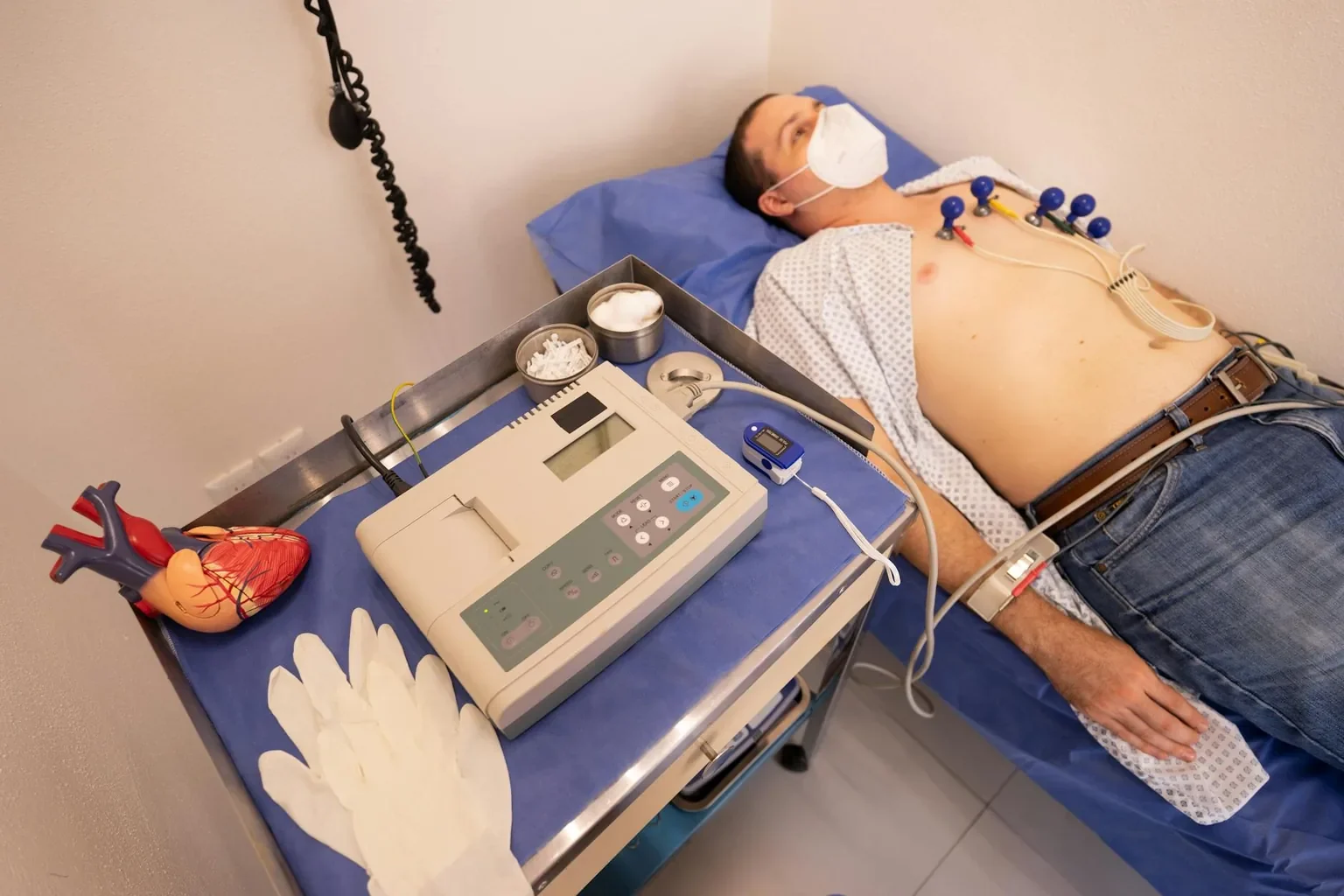
A biventricular pacemaker is a specialized cardiac device that helps the two lower chambers of the heart (the ventricles) beat together in a coordinated rhythm. It is used to treat certain forms of heart failure where the ventricles are not squeezing in sync. Because it re-synchronizes the heart’s contraction, the therapy is known as cardiac resynchronization therapy, or CRT. This 2026 US patient guide explains how a biventricular pacemaker differs from a standard pacemaker, who needs one, what the procedure involves, and what life with the device typically looks like.
What Is a Biventricular Pacemaker?
A standard pacemaker has one or two leads (thin insulated wires) placed in the heart. A biventricular pacemaker has three leads:
- One in the right atrium (upper right chamber)
- One in the right ventricle (lower right chamber)
- One that reaches the left ventricle (lower left chamber) through a vein on the surface of the heart
By stimulating both ventricles at nearly the same instant, the device restores a coordinated squeeze. In many patients, this improves how much blood the heart moves with each beat, reduces heart failure symptoms, and can improve survival.
CRT-P vs CRT-D
There are two main types of biventricular devices:
- CRT-P (pacemaker only): Provides resynchronization pacing but does not deliver shocks for life-threatening arrhythmias.
- CRT-D (with defibrillator): Combines resynchronization pacing with an implantable cardioverter-defibrillator (ICD). If a dangerous fast rhythm develops, the device can deliver a shock to restore normal rhythm.
The choice between CRT-P and CRT-D depends on the patient’s underlying condition, risk of dangerous arrhythmia, and overall health goals.
How a Biventricular Pacemaker Differs From a Standard Pacemaker
Both devices sit under the skin below the collarbone and both use leads to reach the heart. The key differences:
- Number of leads: Standard single-chamber pacemakers use one lead; dual-chamber use two; biventricular use three.
- Purpose: Standard pacemakers correct slow rhythms or heart-block. Biventricular pacemakers correct uncoordinated contraction between the two ventricles.
- Target patients: Standard pacemakers are used for sick sinus syndrome, AV block, and other conduction problems. Biventricular pacemakers are used for specific types of heart failure with electrical dyssynchrony.
- Procedure length: Biventricular implants generally take longer because placing the left ventricular lead through the coronary sinus can be technically demanding.
How Doctors Decide Who Needs One
Guidelines from the American Heart Association, American College of Cardiology, and Heart Rhythm Society specify the criteria. In broad terms, cardiologists consider CRT for patients who meet all of the following:
- Symptomatic heart failure despite optimal guideline-directed medical therapy
- Reduced ejection fraction (typically 35 percent or lower) confirmed by echocardiogram
- Wide QRS complex on the ECG (typically 130 milliseconds or more), especially with a left bundle branch block pattern
- Adequate expected life expectancy and functional status to benefit from the therapy
Not everyone with heart failure benefits from CRT. Patients with a narrow QRS or a right bundle branch block pattern generally see less benefit. Careful pre-procedure evaluation is essential.
Pre-Procedure Evaluation
Before scheduling implantation, cardiologists typically order:
- Echocardiogram to confirm reduced ejection fraction and rule out other structural problems
- 12-lead ECG to measure QRS width and identify bundle branch block pattern
- Blood tests including kidney function, thyroid function, and electrolytes
- Chest X-ray
- Sometimes a stress test or cardiac imaging to assess anatomy
The Implantation Procedure
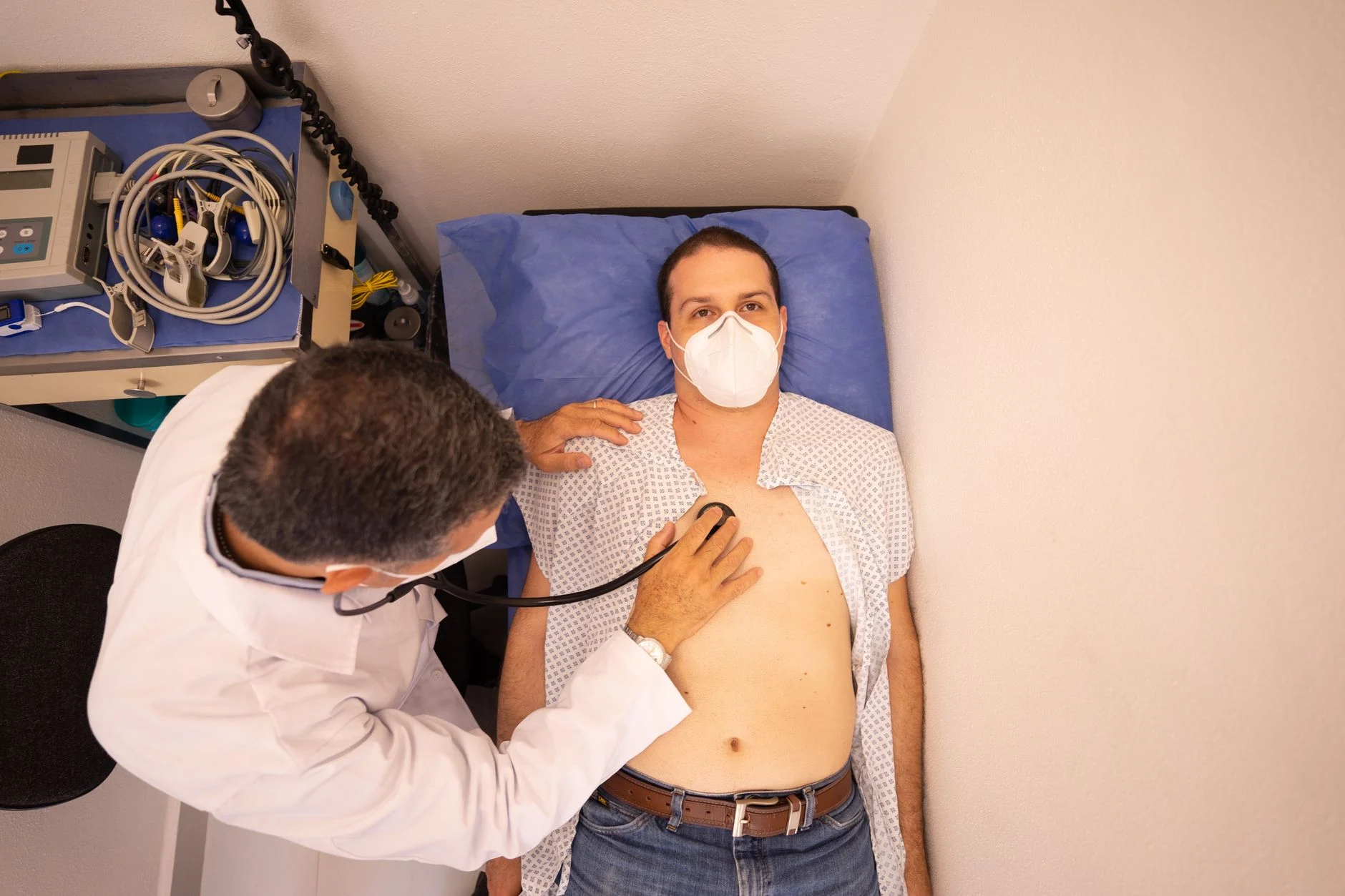
A biventricular pacemaker is implanted by a specialized cardiologist called an electrophysiologist. The procedure typically involves:
- Preparation and sedation. The patient receives IV sedation and local anesthesia to the skin under the collarbone. General anesthesia is used less often but sometimes needed.
- Access to the heart. A small incision is made below the left or right collarbone. The electrophysiologist gains access to a large vein (typically the subclavian or cephalic).
- Placement of leads. Two leads are advanced into the right atrium and right ventricle using X-ray guidance. The third lead is advanced through the coronary sinus, a natural venous structure on the back of the heart, to reach a branch near the left ventricle.
- Device pocket. A pocket is created under the skin to hold the generator. The leads are connected and tested.
- Closure. The incision is closed with dissolvable stitches or surgical glue. Most patients spend one night in the hospital for monitoring.
Typical procedure time is 2 to 4 hours, though it can vary based on anatomy.
Recovery After Implantation
Common recovery guidance:
- Keep the incision clean and dry for the first several days
- Avoid heavy lifting or raising the arm on the implant side above the shoulder for 4 to 6 weeks (to allow leads to settle)
- Avoid submerging the site (bath, pool, hot tub) until the incision has fully healed
- Take prescribed antibiotics as directed
- Return for a wound check and device interrogation at 1 to 2 weeks
- Report any signs of infection, wound drainage, high fever, or unusual pain
Most patients return to light daily activity within a few days and full activity by 6 weeks.
Living With a Biventricular Pacemaker
Routine Monitoring
Devices are checked in clinic and often remotely. Remote monitoring transmits device data to your cardiologist through a bedside unit or smartphone-based system. This allows early detection of lead problems, changes in arrhythmia burden, and changes in the patient’s overall status.
Battery Life
Modern CRT devices generally last 5 to 10 years depending on usage. When the battery approaches the end of its service life, the generator (not the leads) is replaced in a shorter outpatient procedure.
Everyday Living
Most electronic devices are safe. General guidance:
- Keep cell phones and smartwatches at least 6 inches from the device
- Airport security metal detectors are fine to walk through; carry a device ID card
- Avoid strong industrial magnets and high-power welding equipment
- Discuss MRI safety with your electrophysiology team; most modern devices are MRI-conditional under specific protocols
Benefits, Risks, and What to Expect Long Term
Benefits
For appropriately selected patients, CRT can:
- Reduce heart failure symptoms (shortness of breath, fatigue, fluid retention)
- Improve exercise capacity and quality of life
- Reduce heart failure hospitalizations
- Improve ejection fraction over time in many patients (sometimes called “reverse remodeling”)
- Reduce mortality in appropriate patient groups
Not every patient responds to CRT. Around one in three appropriately selected patients does not see the expected clinical improvement, a phenomenon sometimes called non-response.
Risks
- Bleeding, infection, or wound complications at the implant site
- Pneumothorax (small collapsed lung from the vein access) — uncommon
- Lead dislodgement or fracture over time
- Diaphragmatic stimulation (feeling a hiccup-like twitch) if the left ventricular lead irritates the phrenic nerve; often adjustable
- Device infection, requiring antibiotics or, rarely, device removal
Frequently Asked Questions
Will a biventricular pacemaker cure my heart failure?
CRT does not cure the underlying heart failure. It treats the electrical dyssynchrony contributing to the problem. Guideline-directed medications and lifestyle measures remain essential.
Can I feel the pacemaker working?
Most people do not feel the pacing itself. Some notice occasional light twitching if the left ventricular lead sits close to the phrenic nerve. This can usually be adjusted during a device check.
How is a CRT-D different from a regular ICD?
A regular ICD monitors for dangerous rhythms and delivers shocks when needed. A CRT-D adds the resynchronization function. It is used when patients meet criteria for both therapies.
Related Reading on Know Your Surgery
- Pacemaker Implantation: Overview and Symptoms
- Pacemaker: Why You Might Need One and How Doctors Decide
- Life After Pacemaker Implantation: Treatment and Management
- How Much Does a Pacemaker Cost in the United States?
- Pacemaker Recovery Checklist Week by Week
Sources
- American Heart Association: Cardiac resynchronization therapy patient guides
- American College of Cardiology/AHA/HRS Guidelines on Device-Based Therapy of Cardiac Rhythm Abnormalities
- Heart Rhythm Society: Patient resources on CRT and ICD
- National Heart, Lung, and Blood Institute (NHLBI): Heart failure and pacemaker patient education
- Mayo Clinic and Cleveland Clinic: Biventricular pacemaker patient guides
Medical Disclaimer: This article is for informational purposes only and does not constitute medical advice or a substitute for evaluation by a qualified electrophysiologist or cardiologist. Decisions about CRT are highly individualized. Discuss options with your cardiac care team before making treatment decisions.