Medically reviewed by the Know Your Surgery Editorial Team. Last reviewed: May 2026.
A kidney stone is a hard mineral deposit that forms inside the kidney. Most small stones pass on their own with hydration and time. When a stone is too large, too painful, or blocks the flow of urine, a urologist may recommend kidney stone removal to clear the stone and restore healthy drainage.
This guide gives you a calm, plain-English overview of what kidney stone removal is, the main treatment approaches available in the United States today, who tends to need a procedure, and what the patient journey looks like at a high level. Detailed information on causes and diagnosis, the procedure-room steps, and patient questions live in the other articles in this cluster.
Significance and Prevalence of Kidney Stone Disease in the United States
Kidney stones are common in the United States. According to the National Institute of Diabetes and Digestive and Kidney Diseases (NIDDK) and the Centers for Disease Control and Prevention (CDC), about 1 in 11 Americans will have a kidney stone in their lifetime, and prevalence has been rising for several decades.
The American Urological Association (AUA) describes stone disease as one of the most common reasons adults visit emergency departments for severe abdominal or flank pain. A first stone often signals a higher chance of future stones, with recurrence rates around 50 percent over 10 years without preventive care.
Most patients with small stones do not need surgery. For larger stones, stones causing infection, or stones blocking urine flow, a urologic procedure is often the safest path. Modern minimally invasive approaches have made kidney stone removal a routine, well-studied set of procedures with excellent outcomes.
What Is Kidney Stone Removal?
Kidney stone removal is a general term for procedures that break up or extract stones from the kidney or the urinary tract. The goal is to clear the stone, relieve pain and obstruction, prevent infection, and protect kidney function.
The procedure is performed by a urologist, usually under sedation or general anesthesia. There are three main approaches in US hospitals today: ureteroscopy with laser, shock wave lithotripsy, and percutaneous nephrolithotomy. The choice depends on the size, location, and composition of the stone, along with patient factors. The full step-by-step procedure walkthrough lives in our procedure and recovery article.
How the Kidneys and Urinary Tract Work
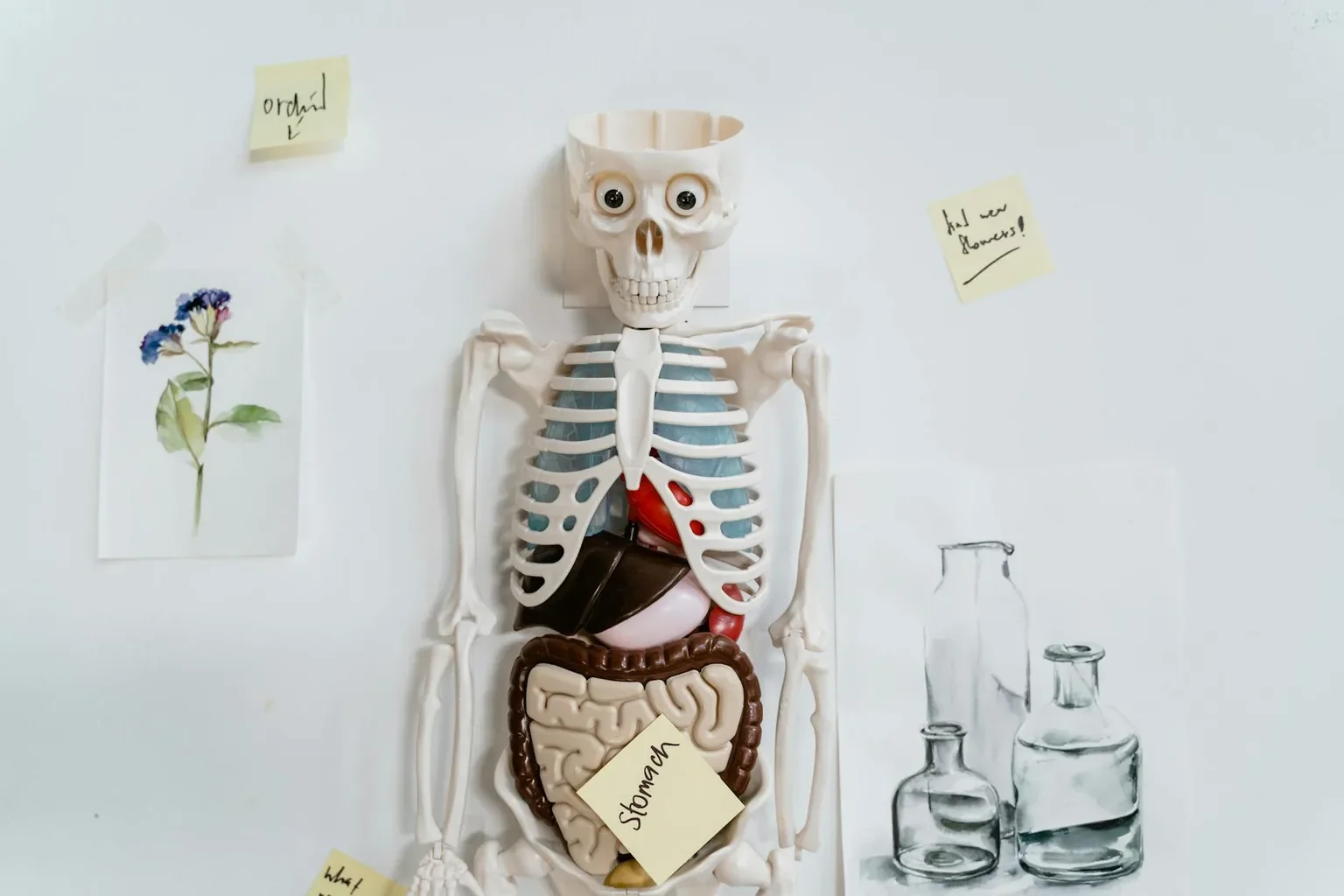
The two kidneys sit in the back of the upper abdomen. They filter waste and extra fluid from the blood and produce urine. Urine drains through two thin tubes called ureters into the bladder, and exits the body through the urethra.
A stone forms when minerals in the urine (most often calcium oxalate, but also calcium phosphate, uric acid, struvite, or cystine) crystallize and clump together. Small stones may pass through the urinary tract unnoticed. Larger stones can become stuck in the kidney itself, in the ureter, or near the bladder, causing pain and blocking urine flow.
When stones are very large, infected, or stuck for too long, they can damage the kidney. The procedures described below are designed to clear the stone safely.
Main Approaches to Kidney Stone Removal
US urologists today use three established approaches. Each has trade-offs in terms of recovery, scarring, and which stones are best suited.
Ureteroscopy with laser lithotripsy (URS). A thin scope is passed through the urethra and bladder, up the ureter, and to the stone. A small laser fiber breaks the stone into tiny fragments that can be removed with a basket or pass naturally. There are no incisions. URS is widely used for stones in the ureter and many stones in the kidney.
Shock wave lithotripsy (SWL or ESWL). Focused sound waves are aimed at the stone from outside the body. The stone breaks into small pieces that pass in the urine over days or weeks. SWL is non-invasive and does not require incisions or scopes, but it works best for smaller, softer stones in the kidney or upper ureter.
Percutaneous nephrolithotomy (PCNL). A small incision is made in the back, and a tube is placed directly into the kidney. The surgeon uses scopes and instruments to break up and remove larger stones. PCNL is the standard for large stones (typically over 2 cm), staghorn stones, and stones that cannot be cleared by URS or SWL.
A single sentence on emerging methods: some centers offer “mini-PCNL” or “micro-PCNL” with smaller tracts, although these are less common. We compare the techniques in more depth in our procedure and recovery article.
Surgical Techniques at a High Level
Most kidney stone procedures are performed under general anesthesia or deep sedation, depending on the technique and patient. Operating times typically range from 30 to 90 minutes, although patients are at the hospital or surgery center longer for assessment, anesthesia, and recovery.
Many ureteroscopy and SWL cases are outpatient, meaning patients go home the same day. PCNL usually requires a one to two day hospital stay. The surgical team monitors comfort and safety throughout, and patients are moved to a recovery area immediately after the procedure.
In some cases, the urologist places a soft, flexible tube called a ureteral stent to help the ureter heal and drain afterward. The stent is usually removed in a brief office visit a few days to a few weeks later.
What Gets Removed in Kidney Stone Surgery?
Only the stone (and stone fragments) are removed. The kidney, ureter, bladder, and other parts of the urinary tract are preserved. There are no implants, grafts, or replacements. In some cases, the urologist also takes a small sample of stone fragments for laboratory analysis to identify the stone’s mineral composition. This helps guide prevention going forward.
Who Might Need Kidney Stone Removal?
Procedural treatment is generally recommended when:
- The stone is too large to pass on its own
- The stone is blocking urine flow from the kidney
- The stone is causing severe pain that does not respond to medication
- There is infection in the urinary tract along with a stone
- The patient has only one functioning kidney and a stone
- Stones are recurrent and growing despite preventive care
- Imaging shows a stone is unlikely to pass within a reasonable time
Patients with smaller, uncomplicated stones may be managed with hydration, pain medication, and a medication that relaxes the ureter (called medical expulsive therapy). We cover the decision pathway in detail in our causes and diagnosis article.
Early Warning Signs of a Kidney Stone
Kidney stones often announce themselves with sudden, severe pain. Common warning signs that warrant prompt medical evaluation include:
- Sharp, severe pain in the back, side, or lower abdomen
- Pain that comes in waves and may radiate to the groin
- Pink, red, or brown tint in the urine (blood)
- Cloudy or foul-smelling urine
- Frequent or urgent need to urinate
- Burning during urination
- Nausea or vomiting
- Fever and chills (suggests possible infection)
These symptoms can have many causes, but the combination of severe back or flank pain with blood in the urine is highly suggestive of a stone. Anyone with severe pain plus fever should seek immediate emergency evaluation, since a blocked, infected stone is a urologic emergency.
Your Kidney Stone Removal Journey at a Glance
Although every patient’s path is different, the typical kidney stone journey in the United States follows a familiar pattern.
It often begins with the sudden onset of severe flank or abdominal pain, sometimes with blood in the urine, which prompts a trip to the emergency department or urgent care. Imaging (most often a low-dose CT scan, sometimes ultrasound) confirms the diagnosis. Pain control, IV fluids, and anti-nausea medication are started in the emergency department.
For small stones with no infection or blockage, the patient is typically sent home with pain medication and instructions to strain urine to catch the stone. For larger stones, blocking stones, or stones with infection, a urologist is consulted and a procedure is planned.
The procedure itself takes 30 to 90 minutes depending on the technique. After recovery from anesthesia, many patients with ureteroscopy or SWL go home the same day. PCNL patients usually stay one to two nights. Recovery continues at home with rest, hydration, and follow-up with the urologist.
For complex or recurrent stones, a longer hospital stay and a longer rehabilitation pathway are possible. Detailed timelines are covered in our procedure and recovery article.
Frequently Asked Questions
Is kidney stone removal major surgery?
Most kidney stone procedures (ureteroscopy and SWL) are minimally invasive or non-invasive. They are performed under anesthesia in a hospital or outpatient setting, but most patients go home the same day. PCNL is more involved and requires a small incision and a hospital stay.
Can kidney stones be treated without surgery?
Yes, in many cases. Small stones (typically under 5 mm) often pass on their own with hydration, pain medication, and time. Some patients are also given a medication that helps relax the ureter to ease passage. Larger stones, blocking stones, or stones with infection usually need a procedure.
Will I be able to live normally after kidney stone removal?
Yes. The kidneys, ureters, and bladder remain in place and continue to function. Most patients return to normal activities within days for ureteroscopy or SWL, and within one to two weeks for PCNL. Lifestyle changes (especially drinking more water) help prevent future stones.
Continue Reading the Kidney Stone Removal Cluster
- Kidney Stone Removal: Causes, Diagnosis, and When to Consider Surgery
- Kidney Stone Removal: Procedure, Recovery, and Rehabilitation
- Kidney Stone Removal: FAQs, Statistics, and Patient Stories
Sources
- American Urological Association (AUA). Kidney stones: surgical management guideline. https://www.auanet.org/guidelines-and-quality/guidelines
- National Institute of Diabetes and Digestive and Kidney Diseases (NIDDK). Kidney stones. https://www.niddk.nih.gov/health-information/urologic-diseases/kidney-stones
- Centers for Disease Control and Prevention (CDC). Kidney disease statistics. https://www.cdc.gov/kidney-disease/data-research/
- Mayo Clinic. Kidney stones: overview and treatment. https://www.mayoclinic.org/diseases-conditions/kidney-stones/symptoms-causes/syc-20355755
- Cleveland Clinic. Kidney stones: overview. https://my.clevelandclinic.org/health/diseases/15604-kidney-stones
Medical Disclaimer
The information in this article is for general education and is not a substitute for professional medical advice, diagnosis, or treatment. Always consult a qualified healthcare provider with questions about kidney pain or urinary symptoms. Never disregard professional medical advice or delay in seeking it because of something you have read here. If you have severe back or flank pain with fever, chills, or vomiting, seek immediate medical evaluation in an emergency department.