Recovery after gallbladder removal (cholecystectomy) is usually smooth for most US patients, especially after the common laparoscopic approach, but the first few weeks still involve a clear set of steps: caring for small incisions, easing back into eating, managing shoulder discomfort from the procedure, and knowing which symptoms need a call to your surgeon. This checklist organizes what to do, what to avoid, and when to seek help, broken down week by week from surgery day through long-term life without a gallbladder.
This piece complements our broader cholecystectomy cluster. For the procedure walkthrough and decision context, see our cholecystectomy overview, causes and diagnosis article, and full procedure and recovery walkthrough. For long-term FAQ and outcomes, see our cholecystectomy FAQs article.
Recovery at a Glance
Here is the typical week-by-week recovery timeline after gallbladder removal for most US patients. Follow the specific instructions from your surgeon, especially if you had open surgery.
| Timeframe | What most US patients can expect |
|---|---|
| First 24 hours | Most laparoscopic patients go home the same day. Rest, fluids, and gentle movement. |
| Week 1 (days 1 to 7) | Incision care, gentle eating, and watching for problems. |
| Week 2 (days 8 to 14) | Incisions are healing; most laparoscopic patients feel noticeably better. |
| Weeks 3 to 4 | Most laparoscopic patients return to normal routines; open surgery takes longer. |
| Long term | A full, healthy life without a gallbladder; most people need no special long-term diet. |
This timeline reflects typical US recovery patterns; see the sources listed at the end of this guide. It is general education, not medical advice.
Know Your Approach First
Recovery time depends on how the gallbladder was removed:
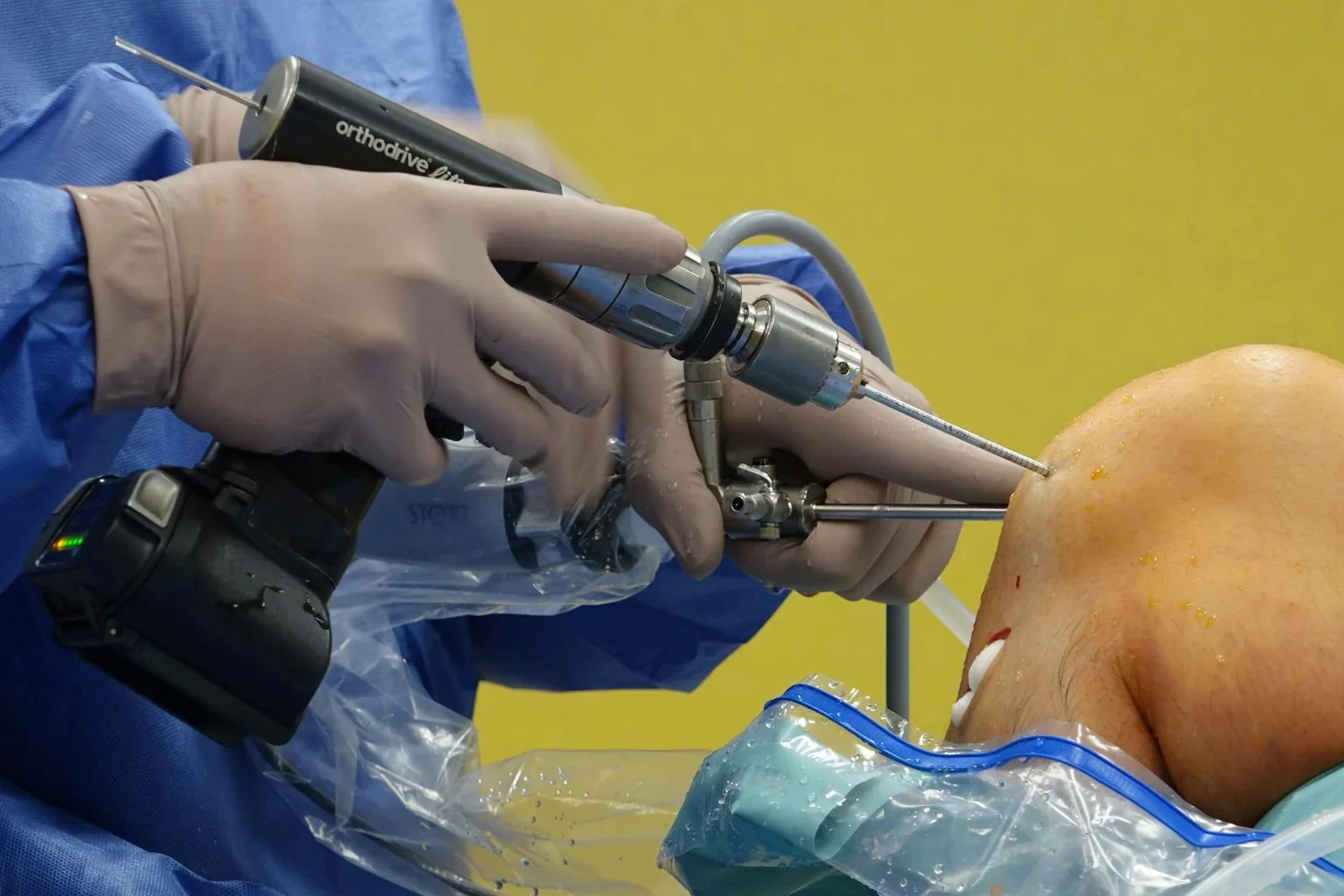
- Laparoscopic cholecystectomy: Over 90 percent of US cases. Removed through 3 or 4 small incisions, often as same-day outpatient surgery. Most people return to normal activity within 1 to 2 weeks.
- Open cholecystectomy: A larger single incision, used when the anatomy is very inflamed or scarred. Usually a hospital stay of a few days, sometimes up to a week, and a longer recovery, often 6 to 8 weeks.
Right After Surgery: The First 24 Hours
Most laparoscopic patients go home the same day. The first 24 hours focus on rest, fluids, and gentle movement.
- Arrange a ride home; do not drive the day of surgery
- Shoulder or upper-back discomfort is common and normal after laparoscopic surgery, caused by the carbon dioxide gas used to inflate the abdomen; it usually eases over several days to a week, and walking helps
- Start with clear liquids, then light foods as your stomach settles
- Get up and walk short distances to lower the risk of blood clots and help the gas dissipate
- Keep the incision dressings clean and dry
- Take pain medication as prescribed
Week 1 Checklist (Days 1 to 7)

Week 1 focuses on incision care, gentle eating, and watching for problems.
Incision and wound care
- Keep incisions clean and dry; how they were closed (surgical glue, dissolvable stitches, Steri-strips, or staples) determines when you can shower and when strips or stitches come off, so follow your surgeon’s instructions (often showering is allowed after 24 to 48 hours)
- Do not soak in a bath, hot tub, or pool until cleared
- Watch for redness, swelling, warmth, drainage, or increasing pain, which can signal infection
Eating and digestion
- Start with smaller, lower-fat meals and add foods back gradually
- Loose stools or mild diarrhea is common as your body adjusts to bile flowing directly into the intestine; it can last 4 to 8 weeks, sometimes longer
- Stay hydrated, aiming for about 8 to 10 glasses of water a day, and add fiber as tolerated if your surgeon agrees
Activity
- Walk several times a day; light activity speeds recovery
- Avoid strenuous activity and heavy lifting for at least a couple of weeks; your surgeon may advise not lifting more than about 10 pounds
- Do not drive until you are off prescription pain medication and can move comfortably, often a few days to a week for laparoscopic surgery
- Many people with desk jobs return to work in about 1 week after laparoscopic surgery
Warning signs that need prompt attention
- Fever over 101°F (38.3°C) or chills
- Yellowing of the skin or eyes (jaundice), dark urine, or pale clay-colored stools
- Severe or worsening abdominal pain
- Persistent nausea or vomiting, or inability to keep fluids down
- Redness, swelling, or drainage at an incision
Week 2 Checklist (Days 8 to 14)
By week 2, incisions are healing and most laparoscopic patients feel noticeably better.
- Incisions should look closed and less tender; keep them clean
- Continue reintroducing foods; most people gradually return to a normal diet
- Increase walking and daily activity as comfort allows
- Continue to avoid heavy lifting and strenuous exercise
- Open-surgery patients should keep following stricter activity limits
Weeks 3 to 4 Checklist
Most laparoscopic patients are back to normal routines by weeks 3 to 4. Open-surgery recovery takes longer.
- Resume exercise and heavier lifting once your surgeon confirms it is safe
- For open surgery, avoid heavy lifting for about 4 to 6 weeks
- Attend any follow-up appointment
- Report any ongoing digestive issues so your team can help manage them
Long-Term Life Without a Gallbladder

You can live a full, healthy life without a gallbladder. The liver still makes bile; it simply flows directly into the small intestine.
- Most people eventually eat a normal diet, though some do better limiting very high-fat or greasy meals
- A small number of people have ongoing loose stools or diarrhea after gallbladder removal (sometimes called post-cholecystectomy syndrome); your doctor can suggest diet changes or medication
- No routine long-term restrictions or medications are needed for most patients
- Keep regular checkups and report any new digestive symptoms
What Is Normal, What Is Not
Normal in the first days to weeks:
- Shoulder or upper-back discomfort from surgical gas for 1 to 3 days
- Mild bruising, tenderness, or numbness around the incisions
- Loose stools or mild diarrhea while your digestion adjusts
- Feeling tired for the first week or two
Not normal, contact your surgeon promptly:
- Fever or chills
- Yellowing of the skin or eyes, or dark urine (possible bile duct problem)
- Severe or worsening belly pain
- Persistent vomiting or an inability to keep fluids down
- Incision redness, warmth, or drainage
When to Call Your Doctor
Call your surgeon without delay for:
- Fever over 101°F (38.3°C) or chills
- Jaundice (yellow skin or eyes), dark urine, or pale clay-colored stools
- Severe or increasing abdominal pain
- Nausea and vomiting that will not stop
- Redness, swelling, warmth, or drainage at an incision
Seek emergency care for severe, unrelenting abdominal pain, a high fever with chills, or signs of a serious reaction, which can indicate a bile leak, bile duct injury, or infection that needs urgent treatment.
Tips for Caregivers and Family
Support in the first week helps most, especially after open surgery.
- Drive the patient home and to follow-up visits
- Help prepare smaller, lower-fat meals in the first weeks
- Encourage short, frequent walks and discourage heavy lifting
- Help track medications and watch for fever, jaundice, or worsening pain
- Be patient with fatigue and digestive changes in the first weeks
Frequently Asked Questions
How long does recovery take after gallbladder removal?
Most laparoscopic patients return to normal activity within 1 to 2 weeks, with desk work often possible around 1 week. Open surgery takes longer, usually 4 to 6 weeks.
What should I eat after gallbladder removal?
Start with smaller, lower-fat meals and add foods back gradually. Most people return to a normal diet over a few weeks. Some do better limiting very greasy or high-fat meals, especially early on.
Why do I have shoulder pain after laparoscopic surgery?
The carbon dioxide gas used to inflate the abdomen during laparoscopic surgery can irritate the diaphragm and cause referred shoulder or upper-back discomfort. It is normal and usually eases within 1 to 3 days. Walking helps.
When can I return to work?
Many people with desk jobs return about 1 week after laparoscopic surgery. Physically demanding jobs and open surgery require more time; ask your surgeon.
When can I drive again?
Do not drive until you are off prescription pain medication and can move and brake comfortably, often a few days to a week after laparoscopic surgery.
Is diarrhea normal after gallbladder removal?
Mild, temporary loose stools are common as bile now flows directly into the intestine. For most people this settles within weeks. If diarrhea is persistent or severe, your doctor can suggest diet changes or medication.
When can I lift and exercise again?
Avoid lifting more than about 10 pounds and avoid strenuous exercise until your surgeon clears you, often around 2 to 4 weeks for laparoscopic surgery and 4 to 6 weeks for open surgery.
Will I need a special diet forever?
Most people do not. The liver continues to produce bile, and the body adapts. A minority benefit from limiting very high-fat meals long term.
Continue Reading the Cholecystectomy Cluster
- Cholecystectomy: Overview, Types, and What to Expect
- Cholecystectomy: Causes, Diagnosis, and When to Consider Surgery
- Cholecystectomy: Procedure, Recovery, and Rehabilitation
- Cholecystectomy: FAQs, Statistics, and Patient Stories
Sources
- Society of American Gastrointestinal and Endoscopic Surgeons (SAGES). Laparoscopic gallbladder removal (cholecystectomy) patient information. https://www.sages.org/patient-resources/
- American College of Surgeons (ACS). Cholecystectomy surgical patient education. https://www.facs.org/for-patients/
- NIH MedlinePlus. Gallbladder removal, laparoscopic, discharge. https://medlineplus.gov/ency/patientinstructions/000200.htm
- National Institute of Diabetes and Digestive and Kidney Diseases (NIDDK), NIH. Gallstones and treatment. https://www.niddk.nih.gov/health-information/digestive-diseases/gallstones
- Mayo Clinic. Cholecystectomy: recovery. https://www.mayoclinic.org/tests-procedures/cholecystectomy/about/pac-20384818
- Cleveland Clinic. Cholecystectomy recovery and aftercare. https://my.clevelandclinic.org/health/treatments/7016-gallbladder-removal-cholecystectomy
Medical Disclaimer
The information in this article is for general education and reflects typical US recovery patterns. Individual recovery varies based on whether surgery was laparoscopic or open and on overall health. Always follow the specific instructions from your surgeon and care team. Seek prompt care for fever or chills, jaundice, severe abdominal pain, or persistent vomiting after gallbladder surgery. This article is not medical advice.
Planning the financial side alongside recovery? Our US cholecystectomy cost breakdown covers surgery pricing, Medicare and commercial insurance, and out-of-pocket costs.