Medically reviewed for current US clinical guidance · Last reviewed: October 21, 2026
Common surgeries in the United States have billed costs that range from about $2,000 per eye for LASIK to roughly $1.66 million in total billed charges for a heart transplant, but what a patient actually pays is usually far lower, and transplants are widely covered at approved centers. Medically necessary procedures are covered by Medicare and most private plans, so insured patients typically owe a deductible and coinsurance up to their out-of-pocket maximum, while elective and cosmetic procedures such as LASIK and hair transplants are paid in full. This index compiles the typical 2026 US price ranges for eighteen common surgeries in one place, drawn from the Know Your Surgery cost guides, each of which cites US sources such as the Centers for Medicare and Medicaid Services, FAIR Health, and the relevant medical specialty societies.
| Procedure | Typical US billed range | Insured out-of-pocket | Usually covered? |
|---|---|---|---|
| LASIK (per eye) | $2,000 to $3,000 | Paid in full; not covered | No, elective |
| Cataract surgery (per eye) | $3,500 to $7,000 self-pay | $0 to $500 with Medicare | Yes, when medically necessary |
| Hair transplant | $10,000 to $50,000 | Paid in full; not covered | No, cosmetic |
| Tonsillectomy | $4,000 to $10,000 | About $1,000 to $3,000 | Yes, when medically necessary |
| Cholecystectomy (gallbladder removal) | $8,000 to $20,000 | Varies by plan | Yes, when medically necessary |
| Appendectomy | $10,000 to $30,000 | Varies by plan | Yes, usually an emergency |
| Hysterectomy | $10,000 to $25,000 | About $1,500 to $5,000 | Yes, when medically necessary |
| Mastectomy | $10,000 to $30,000 (more with reconstruction) | Varies by plan | Yes, reconstruction covered under the WHCRA |
| Kidney stone removal | $10,000 to $40,000 | Varies by plan | Yes, when medically necessary |
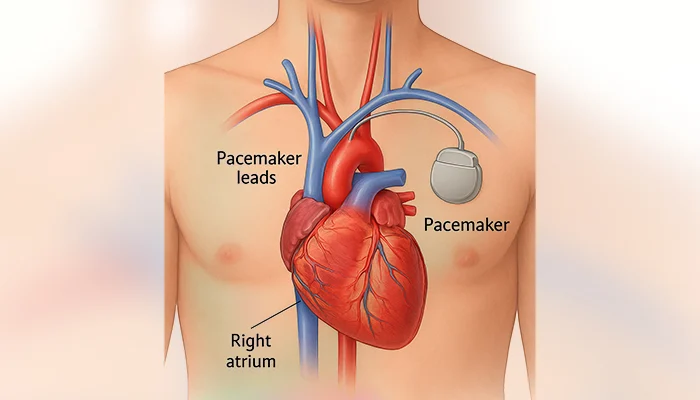
| Pacemaker | $19,000 to $96,000 | A few hundred to a few thousand | Yes, when medically necessary |
| Total hip replacement | $30,000 to $70,000 | Varies by plan | Yes, when medically necessary |
| Total knee replacement | $30,000 to $70,000 | Varies by plan | Yes, when medically necessary |
| Carotid endarterectomy | $15,000 to $30,000 | About $1,500 to $5,000 | Yes, when medically necessary |
| Peripheral vascular disease treatment | $10,000 to $70,000 | About $2,000 to $7,000 | Yes, when medically necessary |
| Cardiac ablation | $20,000 to $50,000 | About $1,500 to $6,000 | Yes, when medically necessary |
| Kidney transplant | About $450,000 billed (full episode) | Often a few thousand with coverage | Yes, widely covered (Medicare ESRD) |
| Coronary artery bypass (CABG) | $40,000 to $150,000 or more | Up to the plan’s out-of-pocket maximum; Medicare a few hundred to a few thousand | Yes, when medically necessary |
| Heart transplant | About $1.66 million billed (first year, 2020 estimate) | Depends on plan; most patients pay far less than billed | Yes, at approved transplant centers |
How We Compiled This Index
Each range above is taken from a dedicated Know Your Surgery cost guide for that procedure. Those guides build their figures from US-specific sources, including the Centers for Medicare and Medicaid Services (CMS) fee and coverage data, FAIR Health consumer cost estimates, and the relevant US specialty societies such as the American Academy of Ophthalmology, the American Academy of Otolaryngology, the American College of Obstetricians and Gynecologists, the American Academy of Orthopaedic Surgeons, and the Heart Rhythm Society. Figures reflect typical 2026 US patterns and are updated as the underlying guides are refreshed. They are ranges, not quotes, because the real price depends on the facility, the region, the surgical approach, your insurance, and the complexity of your case.
Surgery Costs by Category
- Eye surgery: LASIK and cataract surgery are among the lower-cost procedures per eye, though LASIK is elective and paid out of pocket while medically necessary cataract surgery is generally covered.
- ENT surgery: Tonsillectomy is a common outpatient procedure, usually covered when medically necessary.
- Gastrointestinal surgery: Gallbladder removal and appendectomy are frequent abdominal operations, often done laparoscopically.
- Gynecological and breast surgery: Hysterectomy and mastectomy are major procedures; breast reconstruction after mastectomy is covered under the Women’s Health and Cancer Rights Act.
- Urological surgery: Kidney stone removal costs vary widely by the specific procedure used.
- Cardiovascular surgery: Bypass surgery, a pacemaker, carotid endarterectomy, cardiac ablation, and peripheral vascular disease treatment vary widely in cost, driven by the device used and whether care is open surgery or a minimally invasive procedure.
- Transplant surgery: A heart transplant has the highest total billed charges here, about $1.66 million in the first year by a 2020 estimate. A kidney transplant runs about $450,000 billed. Both are widely covered, and the Medicare end-stage renal disease benefit helps kidney patients, so insured patients pay far less.
- Orthopedic surgery: Total hip and total knee replacement are among the highest-cost procedures here, reflecting the implant, hospital stay, and therapy.
- Cosmetic surgery: Hair transplants are elective and paid in full out of pocket.
What Drives Surgery Costs in the US
- Facility setting: The facility fee is often the largest line item. An ambulatory surgical center usually bills less than a hospital outpatient department for the same procedure.
- Insurance vs self-pay: Covered procedures leave insured patients owing only their deductible and coinsurance up to the out-of-pocket maximum, while uninsured patients face the full billed amount, often with self-pay discounts.
- Surgical approach: Minimally invasive surgery is often outpatient or a short stay, while open surgery usually means a longer stay and a higher total.
- Region: Prices run higher in some metro areas and lower in others.
- Complexity and complications: Emergencies, longer operations, and complications raise the cost, which is why every figure here is a range.
Insured vs Uninsured: What You Actually Pay
For a covered, medically necessary surgery, your cost is set by your plan, not the billed amount. You pay your deductible, then coinsurance, until you reach your annual out-of-pocket maximum, after which the plan pays the rest for the year. Elective and cosmetic procedures such as LASIK and hair transplants are not covered, so you pay the full price, though you can often use tax-advantaged FSA or HSA funds for eligible procedures. If you are uninsured, ask for a self-pay discount, request a good-faith estimate under the No Surprises Act before scheduling, and check whether a nonprofit hospital’s financial assistance program applies to you.
How to Get a Personal Cost Estimate
- Open the full guide for your procedure for a detailed breakdown.
- Ask the surgeon’s office for the specific procedure codes they plan to bill.
- Call your insurer with those codes to learn your expected out-of-pocket cost.
- Confirm the surgeon, facility, and anesthesiologist are all in network.
- If you are uninsured or paying cash, request a good-faith estimate under the No Surprises Act and ask about self-pay discounts and payment plans.
Frequently Asked Questions
Which surgery on this list costs the most?
A heart transplant has the highest total billed charges, about $1.66 million in the first year by a 2020 estimate, though it is widely covered so patients rarely pay that amount. A kidney transplant runs about $450,000 billed. Among the rest, total hip and total knee replacement run about $30,000 to $70,000, and a complex pacemaker can reach about $96,000 billed. Insured patients usually pay a fraction of these amounts.
Which costs the least?
LASIK and cataract surgery are among the lowest per eye. LASIK runs about $2,000 to $3,000 per eye but is paid out of pocket, while medically necessary cataract surgery is generally covered.
Why are the cost ranges so wide?
The billed total depends on the facility, the region, the surgical approach, your insurance, and how complex your case is. A straightforward outpatient case at a surgery center can cost far less than an inpatient open surgery for the same procedure.
Are these prices with or without insurance?
The billed range is before insurance. The out-of-pocket column shows what insured patients typically pay, which depends on your plan. Elective procedures such as LASIK and hair transplants are paid in full.
How can I lower my surgery cost?
Ask whether an ambulatory surgical center is an option, confirm everyone is in network, use FSA or HSA funds for eligible procedures, request a good-faith estimate, and ask about self-pay discounts and financial assistance.
Full List of US Cost Guides
- LASIK (per eye) full cost guide
- Cataract surgery (per eye) full cost guide
- Hair transplant full cost guide
- Tonsillectomy full cost guide
- Cholecystectomy (gallbladder removal) full cost guide
- Appendectomy full cost guide
- Hysterectomy full cost guide
- Mastectomy full cost guide
- Kidney stone removal full cost guide
- Pacemaker full cost guide
- Total hip replacement full cost guide
- Total knee replacement full cost guide
- Carotid endarterectomy full cost guide
- Peripheral vascular disease treatment full cost guide
- Cardiac ablation full cost guide
- Kidney transplant full cost guide
- Coronary artery bypass (CABG) full cost guide
- Heart transplant full cost guide
Sources
- Centers for Medicare and Medicaid Services (CMS). Coverage and cost data. https://www.medicare.gov/
- FAIR Health Consumer. US medical and surgical cost estimates. https://fairhealthconsumer.org/
- US No Surprises Act. Good-faith estimate rights. https://www.cms.gov/nosurprises
- Procedure-specific figures and their citations are listed in each linked Know Your Surgery cost guide above.
Medical Disclaimer
This index is for general education and reflects typical 2026 US price ranges, which vary by facility, region, surgical approach, insurance, and case complexity. It is not medical or financial advice. Confirm costs and coverage with your surgeon, facility, and insurance plan.