Medically reviewed by the Know Your Surgery Editorial Team. Last reviewed: May 2026.
Cataracts are a normal part of aging for most people, but the decision about whether and when to have surgery is personal. It depends on how much the cataract is interfering with daily life, on the eye examination findings, and on each patient’s overall health. This article explains why cataracts develop, how ophthalmologists confirm and measure them, and how patients and surgeons together decide that the time is right for surgery.
If you have not yet read the cluster overview, you may want to start with our overview of cataract surgery before diving into the diagnostic and decision details below.
What Causes Cataracts?
A cataract forms when the proteins in the natural lens of the eye begin to clump together and form cloudy areas. The lens normally remains clear because of the orderly arrangement of these proteins. With age and other influences, that arrangement breaks down, light no longer passes through the lens cleanly, and vision gradually blurs.
Aging is by far the most common cause. According to the National Eye Institute (NEI), most cataracts in the United States are age-related, with risk increasing significantly after age 60. By age 80, most Americans have either developed cataracts or already had cataract surgery.
Other less common causes include:
- Congenital cataracts that are present at birth or develop in childhood, often related to genetic factors or maternal infections during pregnancy
- Traumatic cataracts that develop after an injury to the eye, sometimes years after the event
- Secondary cataracts that develop in the context of other medical conditions or treatments, such as diabetes or long-term corticosteroid use
- Radiation cataracts caused by significant exposure to ultraviolet, infrared, or ionizing radiation
While the underlying mechanism varies, the end result is similar: a clouded lens that scatters light and reduces vision quality.
Risk Factors That Make Cataracts More Likely

Several factors increase the likelihood of developing cataracts earlier or more rapidly. Understanding them can help patients make informed lifestyle choices and stay alert to vision changes.
- Age. The single largest risk factor, with risk rising sharply after age 60.
- Diabetes. Long-standing or poorly controlled diabetes is associated with earlier and faster cataract development.
- Long-term ultraviolet (UV) exposure. Years of sun exposure without UV-protective eyewear can accelerate lens changes.
- Smoking. Smoking is linked to a higher risk of nuclear cataracts in particular.
- Prolonged corticosteroid use. Oral, inhaled, or topical steroids used over extended periods may contribute to cataract formation.
- Prior eye surgery, eye injury, or chronic eye inflammation. These can lead to localized cataracts in the affected eye.
- Family history. A family history of early cataracts can raise individual risk.
- Heavy alcohol use. Some studies link heavy long-term alcohol use to higher cataract risk, though evidence is mixed.
Not every person with these risk factors develops cataracts, and many people develop cataracts without obvious risk factors. Risk factors help guide preventive habits and timing of eye examinations.
How Ophthalmologists Diagnose Cataracts
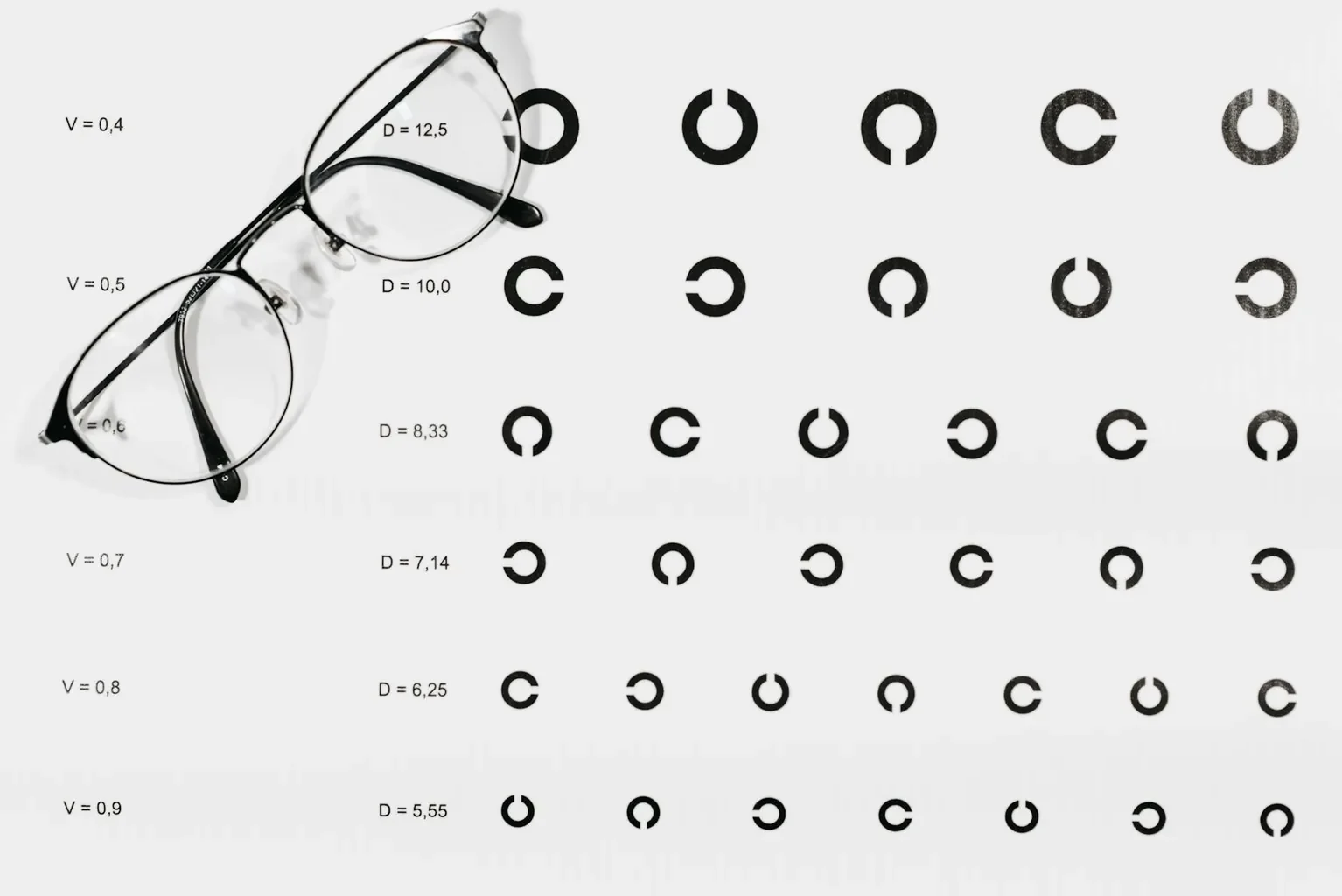
A cataract is typically confirmed during a comprehensive eye examination, performed by an ophthalmologist or an optometrist. The examination is non-invasive and usually painless. Several tests are typically combined to evaluate vision quality, eye health, and the presence and severity of any cataract.
Visual acuity test. This is the familiar reading-chart test, sometimes called the Snellen test, which measures how clearly each eye sees at standard distances. Patients are tested with one eye covered at a time, with and without their current glasses or contact lenses.
Slit-lamp examination. The slit lamp is a specialized microscope that allows the eye-care professional to see the front structures of the eye, including the cornea, iris, and lens, in fine detail. A cataract is often visible directly through the slit lamp as a cloudy area within the lens.
Dilated eye examination. Drops are placed in the eye to widen the pupil, giving the doctor a clearer view of the lens, retina, and optic nerve. This helps confirm the cataract and rule out other conditions that could be contributing to the vision loss, such as macular degeneration or glaucoma.
Glare and contrast testing. Some patients have relatively normal acuity on a standard chart but struggle with glare or low-contrast situations. Specialized tests can confirm whether glare or contrast loss is significant enough to affect daily life.
Tonometry and additional tests. Eye pressure measurement (tonometry) and other tests may be performed to rule out coexisting eye conditions before surgery is considered.
Pre-Surgical Measurements
If surgery is being considered, additional measurements help select the right intraocular lens (IOL) for the patient. These measurements are precise and form the foundation of a successful outcome.
Biometry, often performed with an instrument called the IOL Master, measures the length of the eye and the curvature of the cornea. These numbers are used to calculate the power of the IOL.
Keratometry measures the shape of the cornea in detail. This is especially important for patients considering toric IOLs, which correct astigmatism.
Optical coherence tomography (OCT) may be used to image the retina and optic nerve in detail, especially when the surgeon wants to confirm there are no other conditions present that could limit vision after surgery.
These measurements typically take place at a separate appointment in the weeks before surgery. They are quick and painless. Detailed coverage of the day-of-surgery preparation lives in our procedure and recovery article.
When to Consider Cataract Surgery
There is no single visual acuity number or cataract grade that triggers surgery. Cataract surgery in the United States is considered when the cataract is meaningfully affecting the patient’s daily life and when the patient and surgeon agree that surgery is the right next step.
The American Academy of Ophthalmology (AAO) frames this as a shared decision. Important questions to discuss with your ophthalmologist include:
- Is your vision making it harder to drive safely, especially at night?
- Are you struggling to read newspapers, menus, or screens at usual distances?
- Is glare from headlights, sunlight, or lamps becoming uncomfortable?
- Are you finding it harder to recognize faces, watch television, or enjoy hobbies?
- Are you tripping, stumbling, or feeling less safe moving around your home?
- Do new glasses no longer give you the clarity they once did?
If several of these are true and the eye examination confirms a significant cataract, surgery is generally appropriate. For mild cataracts that are not yet affecting daily activities, watchful waiting with periodic eye examinations is reasonable.
How the Decision Is Made
Cataract surgery is largely an elective procedure. Most patients can take time to gather information, ask questions, and choose a surgeon they trust. The decision usually involves three layers.
Medical necessity. The surgeon assesses how much vision loss is due to the cataract specifically (rather than another eye condition) and whether the cataract is significantly limiting function.
Lifestyle and goals. The patient’s daily life, work, hobbies, and overall priorities shape the timing. Someone who relies heavily on driving for work may decide to proceed sooner than someone with low daily vision demands.
IOL choice. As covered in our overview article, the IOL category (monofocal, toric, multifocal, or extended depth-of-focus) significantly affects post-surgical vision. The decision involves trade-offs between glasses-independence, cost, and individual eye anatomy.
For patients with cataracts in both eyes, the standard practice in the United States is to perform the surgeries one eye at a time, usually a few weeks apart. This allows the first eye to heal and the patient to evaluate the result before proceeding with the second eye. Detailed cost and Medicare information lives in our FAQs and statistics article.
Conditions That May Affect the Surgical Plan
Some coexisting eye and health conditions can change how surgery is planned, what IOL is recommended, or what outcome to expect.
- Macular degeneration. Patients with significant age-related macular degeneration may have improved overall vision after cataract surgery, but central vision loss from the macular degeneration will remain.
- Diabetic retinopathy. Patients with diabetic retinopathy benefit from coordination between the cataract surgeon and the retinal specialist.
- Glaucoma. Patients with glaucoma may have additional considerations for IOL choice and post-operative care.
- Severe dry eye. Significant dry eye can affect both the pre-operative measurements and post-operative comfort and vision quality.
- Use of certain medications. Some medications, including certain prostate medications, can affect the iris during surgery and require additional planning.
A thorough eye examination and medical history review help the surgical team account for these factors well before the day of surgery.
What Happens After You Decide
Once the decision to proceed with cataract surgery is made, the patient typically meets with the surgical team to confirm the IOL choice, review medications, and arrange logistics such as transportation home on the day of surgery. The procedure itself, the recovery timeline, and the eye drop regimen are covered in detail in our procedure and recovery article.
The conversation with your ophthalmologist is the most important step. Bring written questions, share your daily vision concerns honestly, and take notes. A clear understanding of what to expect makes the entire experience smoother.
Continue Reading the Cataract Surgery Cluster
- Cataract Surgery: Overview, Types, and What to Expect
- Cataract Surgery: Procedure, Recovery, and Rehabilitation
- Cataract Surgery: FAQs, Statistics, and Patient Stories
Sources
- American Academy of Ophthalmology (AAO). Cataracts: Causes and Diagnosis. https://www.aao.org/eye-health/diseases/what-are-cataracts
- National Eye Institute (NEI), National Institutes of Health. Cataracts. https://www.nei.nih.gov/learn-about-eye-health/eye-conditions-and-diseases/cataracts
- Centers for Disease Control and Prevention (CDC). Vision Health Initiative. https://www.cdc.gov/visionhealth/
- Mayo Clinic. Cataracts: Symptoms, causes, and diagnosis. https://www.mayoclinic.org/diseases-conditions/cataracts/symptoms-causes/syc-20353790
- Cleveland Clinic. Cataracts. https://my.clevelandclinic.org/health/diseases/8589-cataracts
Medical Disclaimer
The information in this article is for general education and is not a substitute for professional medical advice, diagnosis, or treatment. Always consult a qualified healthcare provider with questions about your eyes or vision. Never disregard professional medical advice or delay in seeking it because of something you have read here.
Cost is often part of the timing decision. Our US-specific breakdown of what cataract surgery costs covers Medicare, insurance, and premium-lens upgrades so you can plan alongside the medical timing.