A gallbladder attack, medically called biliary colic, is a sudden episode of sharp pain in the upper right or upper middle abdomen. It happens when a gallstone temporarily blocks the flow of bile out of the gallbladder. The pain can last from 30 minutes to several hours and often shows up an hour or two after a fatty meal. Some attacks resolve on their own; others are early warning signs of a more serious problem like cholecystitis (gallbladder inflammation), pancreatitis, or infection. This 2026 US patient guide walks through what a gallbladder attack feels like, what causes it, how long it typically lasts, when the pain means you need emergency care, and how doctors treat both single attacks and recurrent ones.
What Is a Gallbladder Attack?
The gallbladder is a small pear-shaped organ that sits below the liver. Its job is to store bile, a fluid made by the liver that helps break down fats during digestion. When you eat, especially a fatty meal, the gallbladder squeezes to release bile into the small intestine. If a gallstone gets in the way of that release, the gallbladder keeps squeezing against a blocked outlet. That is what causes the classic pain of a gallbladder attack.
Gallstones themselves are common. According to the National Institute of Diabetes and Digestive and Kidney Diseases (NIDDK), around 10 to 15 percent of US adults have gallstones. Most people with gallstones never feel them. When gallstones do cause symptoms, the attack is the first warning sign.
What Does a Gallbladder Attack Feel Like?
Classic symptoms:
- Sudden, sharp, or cramping pain in the upper right side of the abdomen, just below the ribs
- Pain that may radiate to the right shoulder blade or between the shoulder blades
- Pain that builds up quickly, peaks within an hour, and can last from 30 minutes to several hours
- Nausea and sometimes vomiting
- A feeling of pressure, bloating, or fullness after eating
- Sweating and restlessness during the attack
Less classic (but still gallbladder-related):
- Vague upper abdominal discomfort mistaken for indigestion
- Chest-area pain (the gallbladder can refer pain to the sternum)
- Waking up in the middle of the night with pain, often after a heavy dinner
How Long Does a Gallbladder Attack Last?
Most uncomplicated biliary colic episodes last 30 minutes to 6 hours. The pain typically builds fast, plateaus, and then gradually eases as the gallstone slips back or falls out of the way. Once the outlet clears, the squeezing stops and pain fades.
If pain lasts beyond 6 hours or is accompanied by fever, jaundice, or persistent vomiting, the situation may no longer be a simple attack. It could be:
- Acute cholecystitis — the gallbladder is fully inflamed and possibly infected
- Choledocholithiasis — a stone stuck in the common bile duct, blocking flow from the liver
- Cholangitis — infection in the bile duct, which can be life-threatening
- Gallstone pancreatitis — a stone has irritated or blocked the pancreatic duct
Common Triggers
Not every fatty meal causes an attack, but certain patterns are linked to biliary colic episodes:
- Heavy, fatty, or greasy meals (butter, fried foods, creamy sauces, fatty cuts of meat)
- Large meals after a period of not eating (holidays, breaking a fast)
- Rapid weight loss, including some medically-supervised weight-loss programs
- Eating patterns that involve long stretches of skipping meals
- Certain medications that affect bile flow
- Pregnancy, which changes hormone levels that affect gallbladder function
Who Is at Higher Risk?
Common risk factors for gallstones and gallbladder attacks:
- Female sex (women are two to three times more likely than men to develop gallstones)
- Age 40 and older
- Being overweight or having recently lost weight rapidly
- Pregnancy or recent pregnancy
- Family history of gallstones
- Native American, Hispanic, or Northern European heritage (higher gallstone prevalence)
- Diabetes or metabolic syndrome
- Diet high in refined carbohydrates and low in fiber
- Sedentary lifestyle
When a Gallbladder Attack Is an Emergency
Go to the emergency department right away if you have any of these signs:
- Pain lasting more than 6 hours without letting up
- Fever above 101 F (38.3 C) with abdominal pain
- Yellowing of the skin or the whites of the eyes (jaundice)
- Dark tea-colored urine or clay-colored stools
- Persistent vomiting
- Confusion, low blood pressure, or rapid breathing (signs of severe infection)
- Sudden very severe pain that keeps getting worse rather than easing
- Pain that spreads across the whole abdomen
These signs may point to acute cholecystitis, an infected bile duct, gallstone pancreatitis, or another complication that needs prompt hospital care. Do not wait to see if the pain will pass.
What to Do During a Milder Attack
If your symptoms are mild and you have been evaluated before for gallstones by a physician, you can generally manage a brief attack at home while it passes. Home comfort measures include:
- Rest in a comfortable position; some people find lying on the left side helps
- Apply a warm compress to the upper right abdomen
- Sip water or a clear, non-fatty liquid
- Take over-the-counter pain relievers your doctor has previously approved (avoid NSAIDs if you have a history of ulcer or kidney disease)
- Avoid eating anything until the pain resolves
If this is your first attack, or if the pain is unusually severe, seek medical evaluation the same day rather than treating at home.
How Doctors Diagnose a Gallbladder Attack
Diagnosis usually starts with your symptom description and a focused physical exam. Doctors then order:
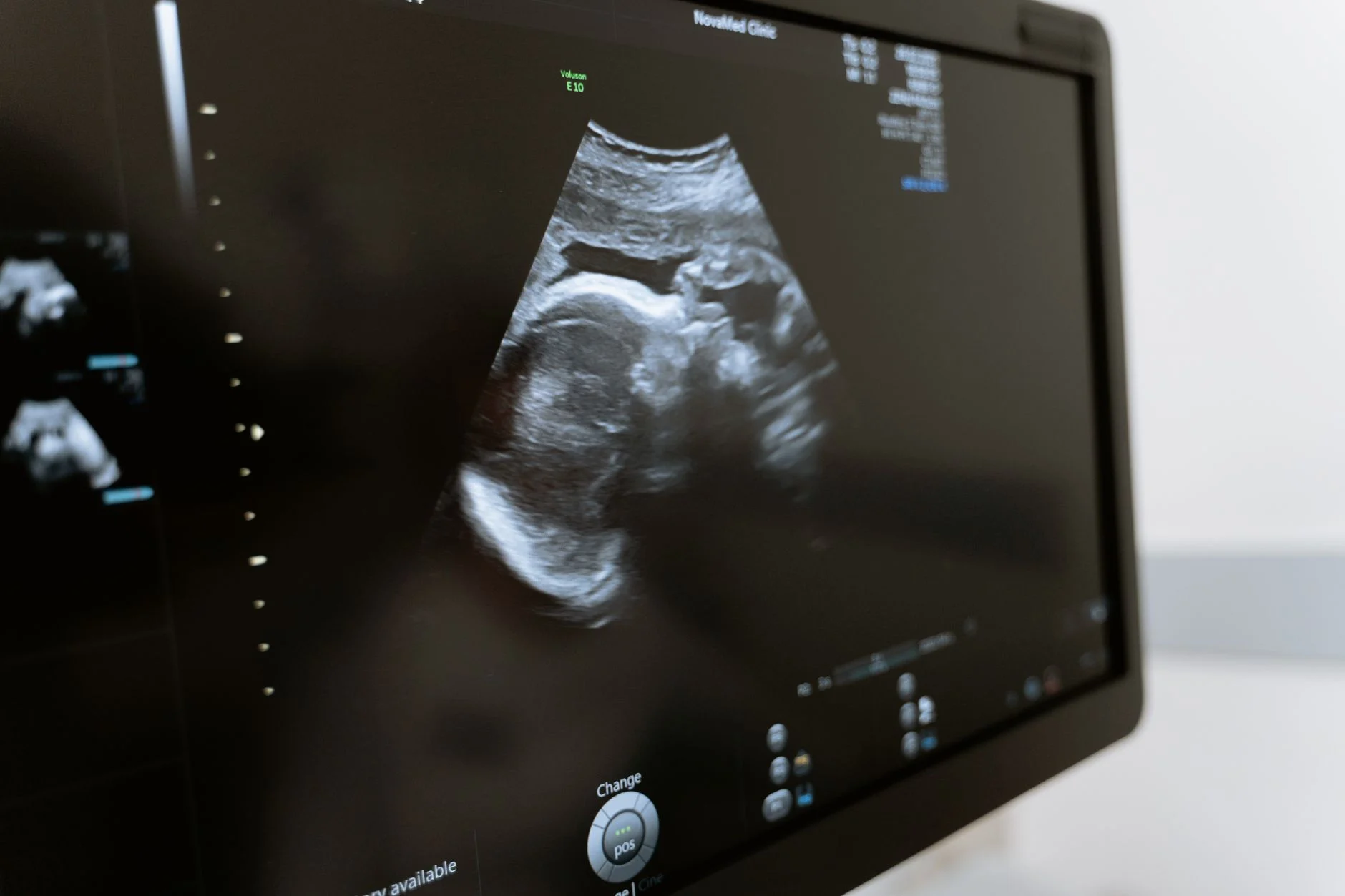
- Abdominal ultrasound — the first-line imaging test. Highly effective at showing gallstones, gallbladder wall thickening, and fluid around the gallbladder.
- Blood tests — check for infection markers, liver enzymes, and pancreatic enzymes to rule out cholecystitis, bile duct blockage, and pancreatitis.
- HIDA scan — a nuclear medicine scan sometimes used when ultrasound is inconclusive but the story sounds classic for gallbladder disease.
- MRCP or ERCP — specialized imaging or endoscopic procedure used when there is concern that a stone is stuck in the common bile duct.
Treatment Options
Single, Uncomplicated Attack
If you have one clear gallbladder attack with no complications, doctors typically:
- Confirm gallstones on ultrasound
- Recommend a low-fat diet in the short term to reduce the chance of another attack
- Schedule a follow-up to plan a definitive treatment (usually surgery) since another attack is very likely in the following months
Recurrent Attacks or Complications: Cholecystectomy
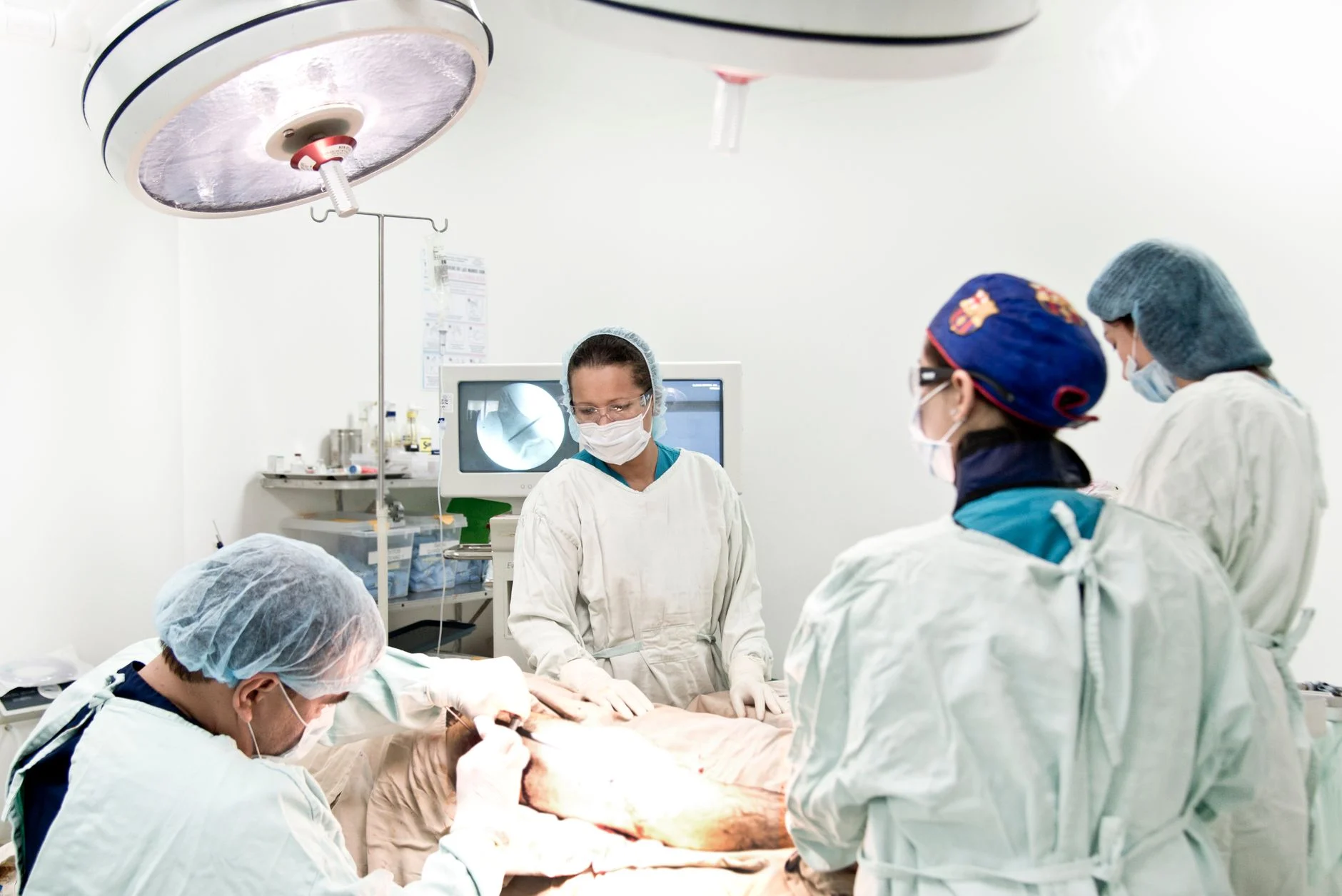
The definitive treatment for recurrent biliary colic or any complication (cholecystitis, bile duct stones, pancreatitis) is surgical removal of the gallbladder, called cholecystectomy. In the US, over 90 percent of cholecystectomies are done laparoscopically. Most patients go home the same day or the next morning and return to normal activity within one to two weeks.
Living without a gallbladder is generally well tolerated. Bile still flows from the liver into the small intestine, just continuously rather than being stored and released in a squeeze. Most people notice no long-term difference. Some experience looser stools for a few weeks after surgery, which usually settles.
Non-Surgical Options (Limited)
For patients who cannot safely undergo surgery, oral bile acid medications may slowly dissolve small cholesterol gallstones. This approach is rarely used in the US because it takes months to years, does not work for pigment stones, and stones often come back after treatment stops.
Diet After a Gallbladder Attack
Until you have a definitive plan, most doctors recommend:
- Small, frequent meals rather than large ones
- Limit fried foods, butter, cream, cheese, fatty red meat, and rich sauces
- Choose lean protein: fish, chicken, beans, tofu
- Increase fiber gradually: vegetables, whole grains, fresh fruit
- Limit refined carbohydrates and added sugar
- Stay well hydrated
Diet changes may reduce attack frequency but will not dissolve existing gallstones. They are a bridge, not a cure.
Frequently Asked Questions
Can a gallbladder attack go away on its own?
Yes, most single uncomplicated biliary colic attacks resolve within a few hours as the gallstone slips out of the way. However, once you have had one attack, you are very likely to have another within a year. Doctors generally recommend planning surgery rather than waiting for repeat attacks or complications.
How can I tell the difference between a gallbladder attack and a heart attack?
They can feel similar because both cause upper-body pain. Some general (but not definitive) patterns: gallbladder pain is more commonly on the right side and worsens after fatty meals, while heart attack pain is often central, with shortness of breath, sweating, and left-arm involvement. If you are unsure, treat it as a heart attack and call 911. Do not try to sort it out at home.
Do I have to have my gallbladder removed after one attack?
Not always immediately, but most people who have had one clear attack will have another. Surgeons and gastroenterologists typically recommend elective cholecystectomy after a first confirmed attack to avoid future complications. The decision is individualized and includes factors like age, other medical conditions, and how disruptive the attacks are.
Related Reading on Know Your Surgery
- Cholecystectomy: Overview, Types, and What to Expect
- Cholecystectomy: Causes, Diagnosis, and When to Consider Surgery
- Cholecystectomy: Procedure, Recovery, and Rehabilitation
- Cholecystectomy: FAQs, Statistics, and Patient Stories
Sources
- National Institute of Diabetes and Digestive and Kidney Diseases (NIDDK): Gallstones patient guides
- American College of Surgeons: Gallbladder disease and cholecystectomy resources
- Society of American Gastrointestinal and Endoscopic Surgeons (SAGES): Laparoscopic cholecystectomy guidelines
- Mayo Clinic: Gallstones and gallbladder disease patient education
- UpToDate: Approach to abdominal pain in adults, gallstone disease diagnosis and management
Medical Disclaimer: This article is for informational purposes only and does not constitute medical advice or a substitute for evaluation by a qualified healthcare professional. If you have severe abdominal pain, fever, jaundice, or other emergency warning signs, seek immediate medical care. Do not attempt to self-diagnose or self-treat suspected gallbladder disease.