Cholecystectomy is the surgical removal of the gallbladder, a small pear-shaped organ that sits just below the liver and stores bile produced by the liver. For US adults with painful gallstones, gallbladder inflammation, or related complications, cholecystectomy offers durable, well-studied relief and is one of the most commonly performed abdominal surgeries in the United States. This guide explains what cholecystectomy is, the main types performed in US hospitals today, who tends to need it, and what the patient journey typically looks like.
For the detailed candidate evaluation process, see our candidate evaluation article. For the step-by-step procedure walkthrough and recovery timeline, see our procedure and recovery article. For statistics, costs, and answers to common patient questions, see our FAQs article.
Significance and Prevalence of Cholecystectomy in the United States
Cholecystectomy is one of the most common general surgery procedures performed in the United States. According to the American College of Surgeons (ACS) and the Society of American Gastrointestinal and Endoscopic Surgeons (SAGES), approximately 600,000 to 700,000 cholecystectomies are performed in the US each year. The vast majority (more than 90 percent) are performed laparoscopically, a minimally invasive approach that has largely replaced traditional open surgery since the 1990s.
Gallstones affect an estimated 20 to 25 million US adults, though many never develop symptoms. When gallstones do cause pain, inflammation, or complications, surgery is the definitive treatment. Cholecystectomy is generally a safe, well-tolerated procedure with excellent long-term outcomes for most patients.
What Is Cholecystectomy?
Cholecystectomy is the surgical removal of the gallbladder. The gallbladder stores bile produced by the liver and releases it into the small intestine to help digest fats. When the gallbladder is removed, the liver continues to produce bile, which flows directly into the small intestine. Most patients adjust to life without a gallbladder within weeks and resume normal diets and activities.
The procedure can be performed using two main approaches:
- Laparoscopic (minimally invasive): Three or four small incisions, a camera (laparoscope), and slender instruments
- Open: A single larger incision in the upper right abdomen
Both approaches accomplish the same goal — complete removal of the gallbladder. Laparoscopic is now the strong default in the US because it results in less pain, shorter hospital stay, faster recovery, and smaller scars.
How the Gallbladder Works
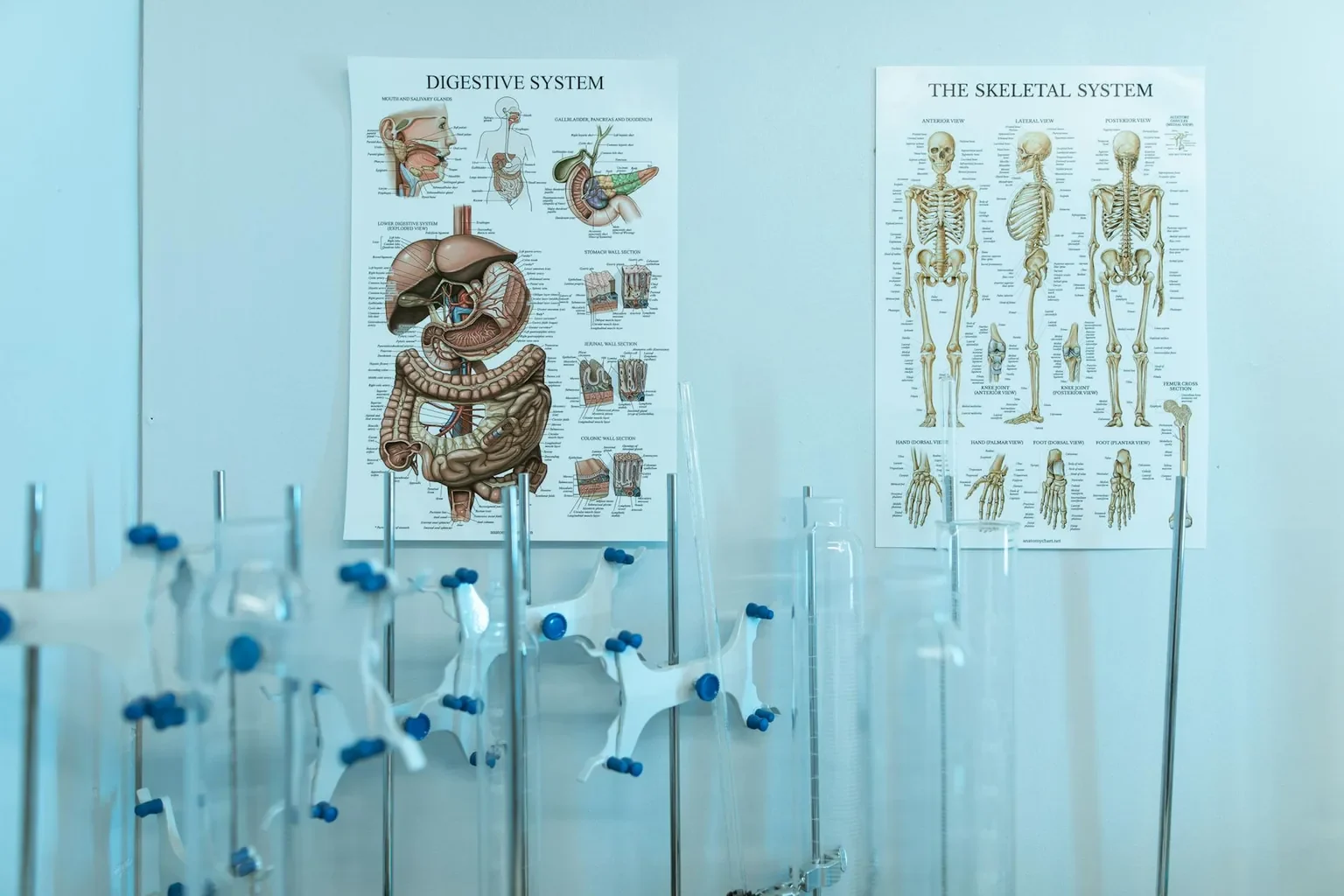
The gallbladder is a small organ (about 3 to 4 inches long) that sits beneath the liver on the right side of the upper abdomen. Bile, made in the liver, is stored and concentrated in the gallbladder. When you eat a fatty meal, the gallbladder contracts and releases bile into the small intestine through the bile ducts. Bile helps emulsify fats so the body can absorb them.
When gallstones (hardened deposits of bile, cholesterol, or pigments) form in the gallbladder, they can:
- Block the cystic duct, causing painful gallbladder attacks (biliary colic)
- Trigger gallbladder inflammation (cholecystitis)
- Pass into the common bile duct and cause jaundice or pancreatitis
- Lead to chronic gallbladder dysfunction
Cholecystectomy removes the gallbladder and the gallstones inside it permanently.
Main Types of Cholecystectomy
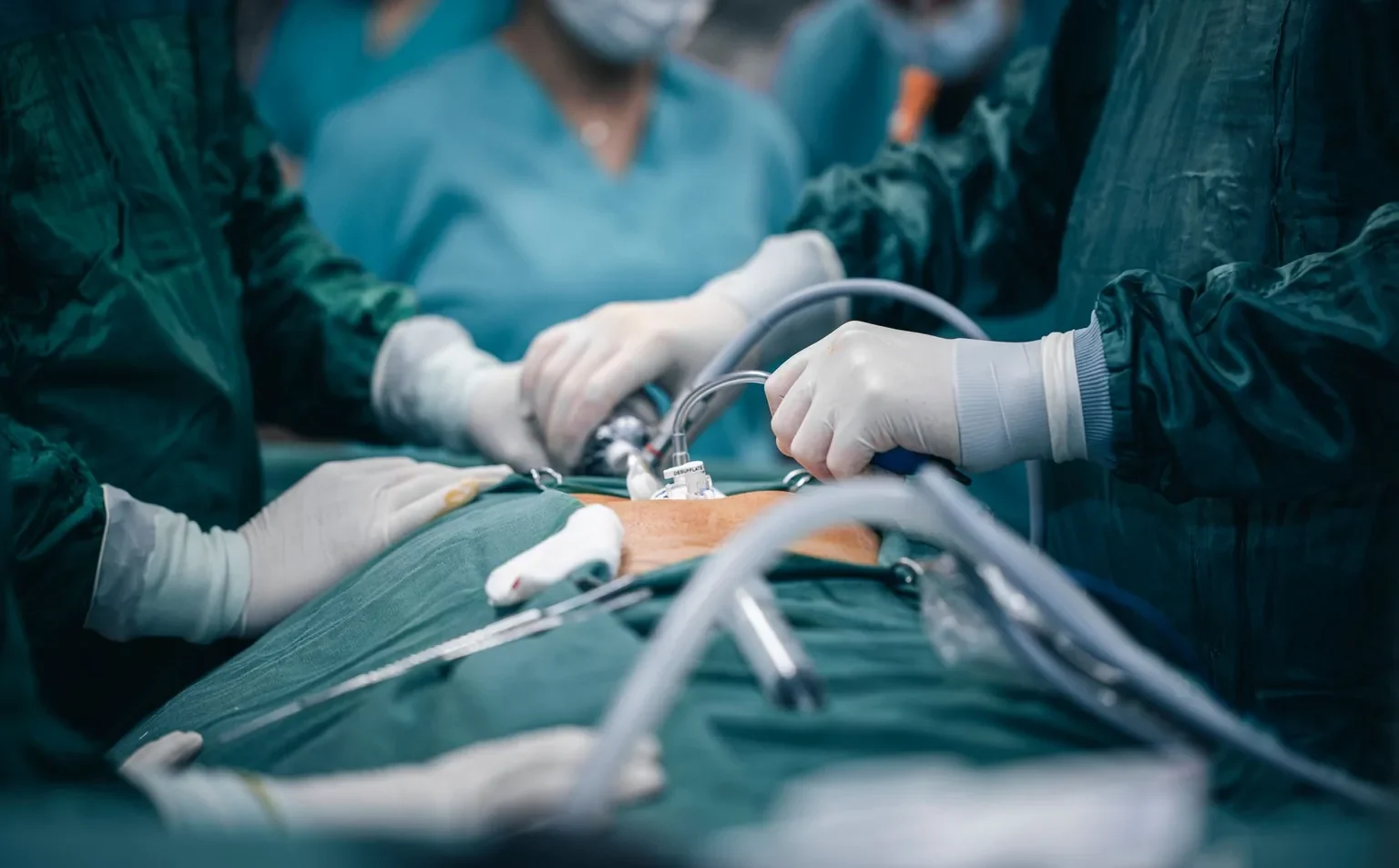
US surgeons today perform several variations of cholecystectomy. The choice depends on the patient’s anatomy, the urgency of the procedure, and the surgeon’s training.
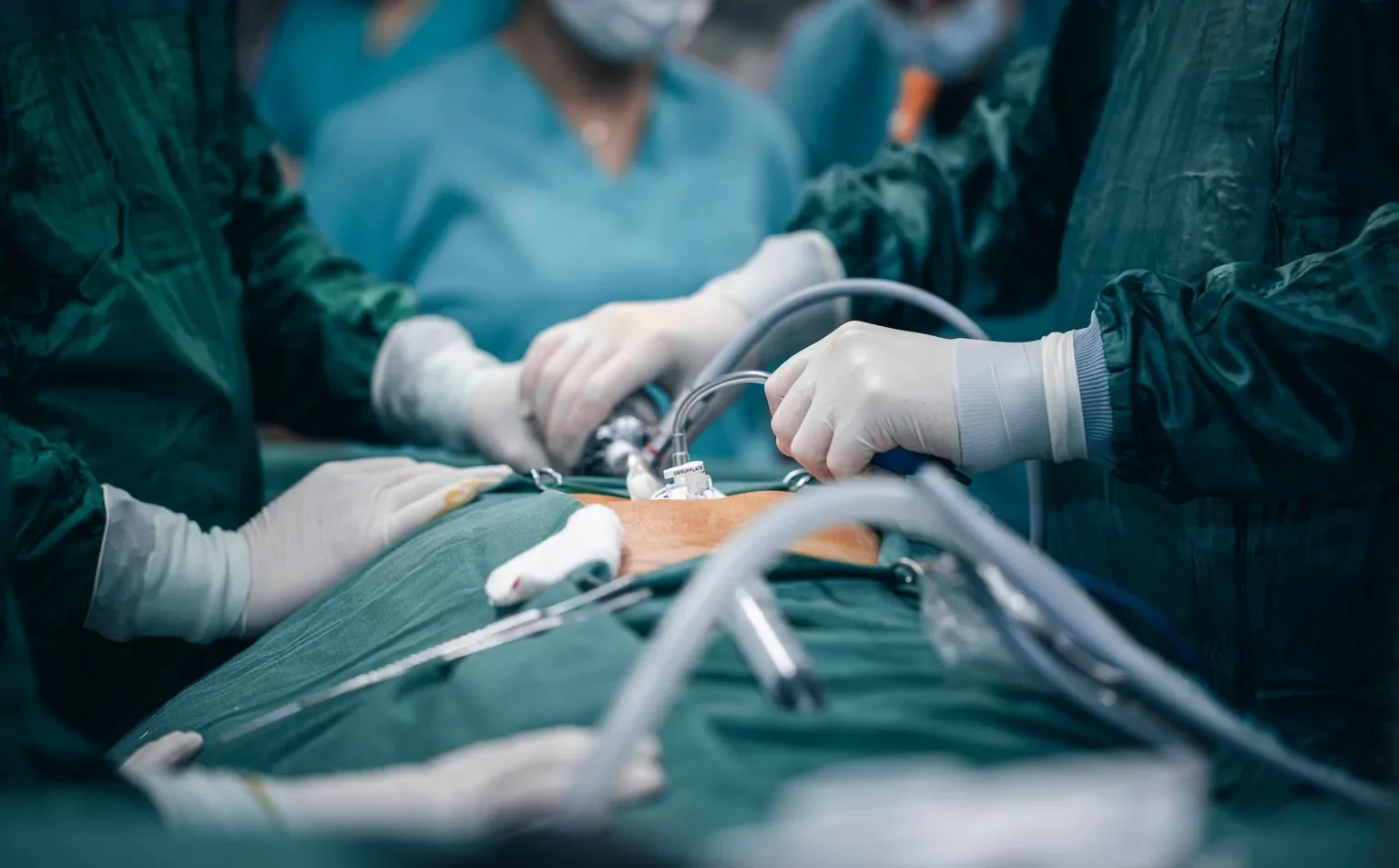
Laparoscopic cholecystectomy (standard approach). Performed through 3 to 4 small incisions (each less than half an inch). A camera (laparoscope) and slender instruments are inserted through the small ports. Carbon dioxide gas inflates the abdomen for visualization. The gallbladder is detached and removed through one of the small incisions. This is the standard approach in the United States and is used in more than 90 percent of cases.
Robotic-assisted laparoscopic cholecystectomy. Uses the same minimally invasive concept, but the surgeon operates a robotic console rather than hand-held instruments. The robotic platform provides 3D visualization and precise instrument control. Outcomes are similar to standard laparoscopic surgery for most patients. Selected centers prefer robotic platforms for complex cases.
Single-incision laparoscopic cholecystectomy (SILS). Performed through one larger incision (typically at the belly button) instead of multiple small incisions. Cosmetic outcomes can be slightly better but the technique is more demanding and not all surgeons perform it.
Open cholecystectomy. A single larger incision (5 to 7 inches) in the upper right abdomen. Reserved for cases where the laparoscopic approach is not safe or feasible — for example, severe inflammation, scarring from prior surgery, or anatomic variations. Less than 10 percent of US cholecystectomies are open today, and some begin laparoscopically and convert to open mid-procedure if needed.
Emergency vs elective cholecystectomy. Most cholecystectomies are scheduled in advance after a gallbladder attack or diagnosis. Some are urgent or emergency procedures for acute cholecystitis, severe pain, or complications such as bile duct stones or perforation.
Surgical Techniques at a High Level
Most US cholecystectomies are performed under general anesthesia in an operating room. The surgical team includes a general surgeon (sometimes a hepatobiliary specialist), an anesthesiologist, scrub nurses, and OR support staff. The procedure typically takes 1 to 2 hours, though complex cases can take longer.
The surgeon identifies and isolates two key structures (the cystic duct and cystic artery), clips and divides them, then carefully separates the gallbladder from the liver bed. Intraoperative imaging (sometimes a cholangiogram) may be used to confirm anatomy and rule out common bile duct stones. The gallbladder is placed in a retrieval bag and removed through one of the small incisions.
Most laparoscopic cholecystectomies are done as outpatient or short-stay procedures. Patients go home the same day or after one night in the hospital. Open cholecystectomies usually involve a 3 to 5 day hospital stay.
What Gets Removed in a Cholecystectomy?
Only the gallbladder is removed. The liver, bile ducts, pancreas, and small intestine remain intact. The cystic duct (which connects the gallbladder to the common bile duct) is clipped and divided so the common bile duct can continue to deliver bile to the small intestine.
The gallbladder is a non-essential organ for most people. The liver continues to produce bile, which flows directly into the small intestine instead of being stored. Most patients digest food normally after cholecystectomy. A minority experience mild changes in fat digestion or bowel habits, which usually settle over weeks to months.
Who Might Need a Cholecystectomy?
Common reasons for cholecystectomy in US patients include:
- Symptomatic gallstones (biliary colic) — episodes of intense right upper abdominal pain, often after fatty meals
- Acute or chronic cholecystitis — inflammation of the gallbladder
- Gallstone-related complications — pancreatitis, jaundice, common bile duct stones
- Gallbladder dyskinesia — gallbladder dysfunction without stones
- Gallbladder polyps — growths in the gallbladder that may be precancerous
- Gallbladder cancer — rare but serious indication
The decision to proceed with surgery is individualized based on symptom frequency, complication risk, and overall health. The detailed evaluation process is covered in our candidate evaluation article.
Early Warning Signs of Gallbladder Problems
Most cholecystectomy candidates have experienced one or more of these warning signs:
- Sharp pain in the upper right abdomen, often after fatty meals
- Pain radiating to the right shoulder or upper back
- Nausea or vomiting with episodes of abdominal pain
- Bloating, gas, or indigestion (especially after fatty meals)
- Yellowing of skin or eyes (jaundice)
- Fever with abdominal pain (possible infection)
- Dark urine or pale-colored stools
Sudden severe abdominal pain, high fever, persistent vomiting, or jaundice should prompt urgent medical evaluation. These can indicate acute cholecystitis or gallstone-related complications that may need emergency treatment.
Your Cholecystectomy Journey at a Glance
Although every patient’s path is different, the typical US cholecystectomy journey follows a familiar pattern.
It often begins with episodes of right-sided abdominal pain or a diagnosis of gallstones during workup for another condition. The primary care doctor or emergency physician orders an abdominal ultrasound, which is the standard first-line test for gallbladder disease. Additional imaging (HIDA scan, CT, or MRCP) may be ordered if the ultrasound is inconclusive.
Once gallbladder disease is confirmed and the patient is referred to a general surgeon, the surgeon reviews symptoms, imaging, medical history, and overall health to determine if surgery is appropriate. Most patients are excellent candidates for laparoscopic cholecystectomy. The surgeon discusses the procedure, risks, benefits, recovery, and any alternatives.
Surgery is typically scheduled within days to weeks of the decision, depending on urgency. On the day of surgery, the patient arrives at the hospital or surgery center fasting from midnight. After pre-op evaluation, the procedure is performed under general anesthesia. Most patients spend a few hours in recovery and go home the same day with prescriptions for pain medication and dietary instructions.
Recovery progresses rapidly for most patients. Light walking begins the same day. Office work usually resumes in 1 to 2 weeks. Full return to normal activities, including exercise and heavy lifting, typically takes 2 to 4 weeks. Most patients see the surgeon for a follow-up visit 2 to 4 weeks after surgery to confirm healing.
Detailed timelines are covered in our procedure and recovery article.
Frequently Asked Questions
Is cholecystectomy a major surgery?
Laparoscopic cholecystectomy is considered a routine, minimally invasive surgery. While any general anesthesia procedure carries risks, modern cholecystectomy is generally safe with excellent outcomes. Open cholecystectomy is more major and requires a longer recovery.
Can I live without a gallbladder?
Yes. The gallbladder is not essential. The liver continues to produce bile, which flows directly into the small intestine. Most patients adjust within weeks. A minority experience mild diet sensitivities (especially to very fatty meals) that typically improve over time.
How long does the surgery take?
Most laparoscopic cholecystectomies take 1 to 2 hours, plus additional time for anesthesia preparation and recovery. The total hospital visit is usually 4 to 6 hours for outpatient cases.
Continue Reading the Cholecystectomy Cluster
- Cholecystectomy: Candidate Evaluation and When to Consider Surgery
- Cholecystectomy: Procedure, Recovery, and Rehabilitation
- Cholecystectomy: FAQs, Statistics, and Patient Stories
Sources
- American College of Surgeons (ACS). Gallbladder removal information. https://www.facs.org/
- Society of American Gastrointestinal and Endoscopic Surgeons (SAGES). Cholecystectomy guidelines. https://www.sages.org/publications/guidelines/
- National Institute of Diabetes and Digestive and Kidney Diseases (NIDDK). Gallstones. https://www.niddk.nih.gov/health-information/digestive-diseases/gallstones
- Mayo Clinic. Cholecystectomy (gallbladder removal). https://www.mayoclinic.org/tests-procedures/cholecystectomy/about/pac-20384818
- Cleveland Clinic. Cholecystectomy. https://my.clevelandclinic.org/health/treatments/15580-cholecystectomy-gallbladder-removal-surgery
- NIH MedlinePlus. Gallbladder removal — laparoscopic. https://medlineplus.gov/ency/article/007016.htm
Medical Disclaimer
The information in this article is for general education and is not a substitute for professional medical advice, diagnosis, or treatment. Always consult a qualified surgeon and your medical team for guidance specific to your condition. Seek urgent care for severe abdominal pain, high fever, persistent vomiting, or jaundice.