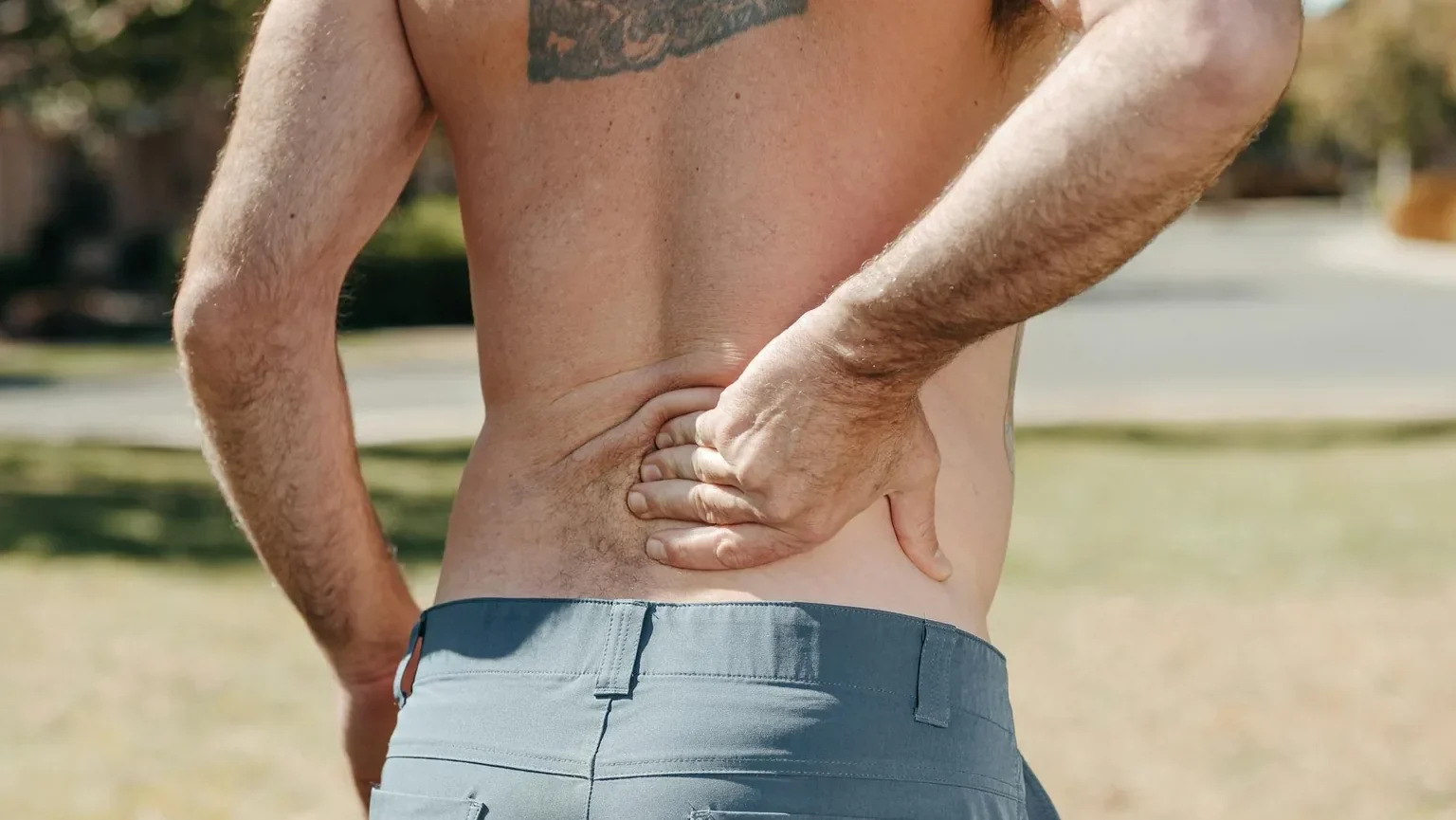
Cholecystectomy is one of the most common abdominal surgeries in the United States, but not everyone with gallstones needs it, and the decision depends on a careful evaluation. Whether you’re a candidate depends on your symptoms, imaging findings, overall health, and the type of gallbladder condition. This article walks through what causes gallbladder problems, how doctors evaluate candidates for surgery, and how the decision is made.
If you are new to the topic, the cluster overview article is a useful starting place.
What Causes Gallbladder Problems?
Most cholecystectomies are performed for gallstone-related conditions. Gallstones (cholelithiasis) are hardened deposits that form in the gallbladder from cholesterol, bilirubin, or other bile components.
Cholesterol gallstones. The most common type in US patients (about 80 percent of gallstones). Form when bile contains too much cholesterol relative to bile salts and lecithin. Risk factors include obesity, rapid weight loss, certain medications, and female sex.
Pigment gallstones. Smaller, darker stones formed from bilirubin. Associated with chronic hemolytic conditions, cirrhosis, and certain infections.
Gallbladder sludge. A precursor to gallstones; thick, particulate bile that can cause similar symptoms.
Less common causes of gallbladder disease that lead to surgery include:
- Acalculous cholecystitis — gallbladder inflammation without stones (often in critically ill patients)
- Gallbladder polyps — growths in the gallbladder wall, some of which are precancerous
- Gallbladder dyskinesia (biliary dyskinesia) — gallbladder dysfunction without visible stones
- Gallbladder cancer — rare, but more common in elderly patients with chronic gallstones
Risk Factors for Gallbladder Disease
Several factors increase the likelihood of developing gallstones or gallbladder problems:
- Sex: Women have approximately twice the risk of men, partly due to estrogen effects on bile
- Age: Risk increases after age 40
- Obesity and high BMI
- Rapid weight loss or fasting
- Pregnancy (especially after multiple pregnancies)
- Family history of gallstones
- Diabetes
- Certain ethnic backgrounds (higher rates in Hispanic, Native American populations)
- Diet high in saturated fats, low in fiber
- Certain medications (oral contraceptives, hormone therapy, ceftriaxone, octreotide)
- Sedentary lifestyle
- Crohn’s disease and other conditions that affect bile absorption
These risk factors don’t automatically mean surgery is needed, but they raise the likelihood of developing symptoms.
Symptoms That May Indicate Cholecystectomy
Common symptoms that prompt evaluation for gallbladder surgery include:
- Biliary colic — episodes of sharp, cramping pain in the upper right or upper middle abdomen, often lasting 30 minutes to several hours, frequently after fatty meals
- Pain radiating to the right shoulder or upper back
- Nausea and vomiting with pain episodes
- Bloating, gas, indigestion especially after fatty meals
- Fever or chills (may indicate gallbladder infection)
- Jaundice (yellowing of skin or eyes, suggests a bile duct stone)
- Persistent right upper abdominal tenderness
Severe sudden abdominal pain, high fever, persistent vomiting, or jaundice warrant urgent medical attention. These can signal acute cholecystitis, common bile duct obstruction, or gallstone pancreatitis.
How Doctors Evaluate Candidates for Cholecystectomy
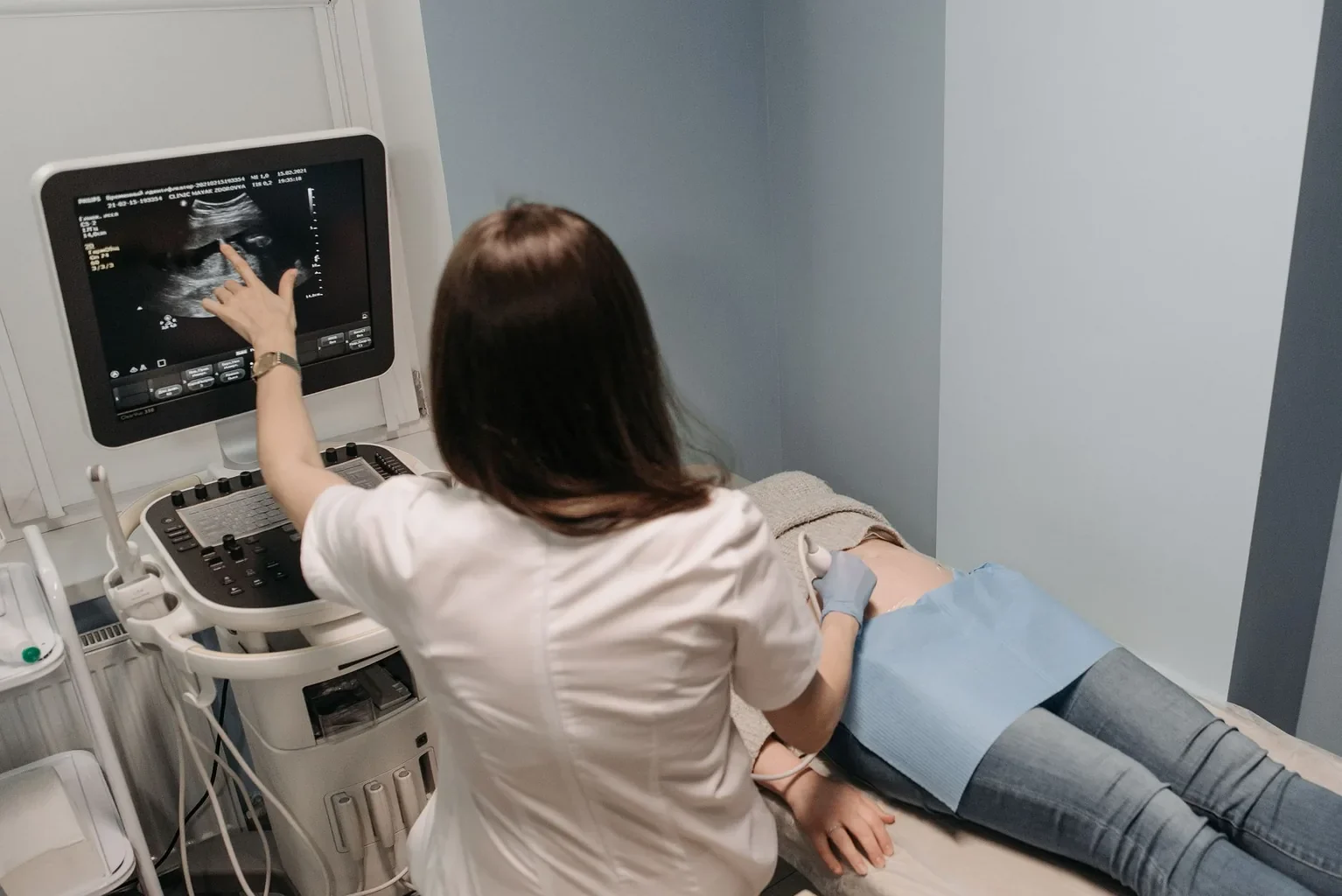
The evaluation process for cholecystectomy typically includes a clinical assessment plus imaging and laboratory tests.
Clinical history and physical exam. The doctor asks about pain pattern, timing relative to meals, fever, weight changes, prior episodes, family history, and medications. The exam includes palpation of the upper abdomen and Murphy’s sign (a clinical test for gallbladder inflammation).
Blood tests. A complete blood count, liver function panel, and lipase or amylase help identify infection (elevated white count), bile duct obstruction (elevated bilirubin, alkaline phosphatase), or pancreatitis (elevated lipase).
Abdominal ultrasound. The first-line imaging test in the US. Ultrasound is excellent at detecting gallstones, gallbladder wall thickening, and surrounding fluid (signs of inflammation). It is non-invasive, widely available, and does not use radiation.
HIDA scan (cholescintigraphy). A nuclear medicine test that evaluates gallbladder function. Used when ultrasound is inconclusive or to assess gallbladder dyskinesia. The test calculates the gallbladder ejection fraction.
CT scan of the abdomen. Useful for assessing complications such as perforation, abscess, or pancreatitis. Less sensitive than ultrasound for gallstones themselves.
MRCP (magnetic resonance cholangiopancreatography). Detailed imaging of the bile ducts and pancreatic duct. Used when bile duct stones or anatomic variations are suspected.
ERCP (endoscopic retrograde cholangiopancreatography). Both diagnostic and therapeutic. Used when bile duct stones need to be removed before or after cholecystectomy.
Endoscopic ultrasound (EUS). Combines endoscopy with ultrasound. Reserved for specific situations like suspected small bile duct stones.
The surgeon reviews these results and discusses whether cholecystectomy is appropriate, what approach is best, and what specific outcomes to expect.
Differential Considerations
Not everyone with abdominal pain has gallbladder disease. The evaluation may identify other conditions that mimic gallbladder symptoms:
- Peptic ulcer disease
- Gastritis or gastroesophageal reflux
- Pancreatitis
- Hepatitis or other liver conditions
- Kidney stones or kidney infections
- Irritable bowel syndrome
- Heart problems (atypical chest or epigastric pain)
Sometimes patients have gallstones plus another condition. The clinical and imaging workup helps determine which conditions are causing symptoms.
When to Consider Cholecystectomy
Cholecystectomy is generally recommended when:
- Symptomatic gallstones — recurring biliary colic episodes
- Acute cholecystitis — gallbladder inflammation requiring treatment
- Gallstone-related complications — pancreatitis, common bile duct stones, jaundice
- Gallbladder polyps larger than 1 cm or growing on follow-up
- Porcelain gallbladder (calcified gallbladder wall) due to cancer risk
- Gallbladder dyskinesia with low ejection fraction and typical symptoms
- Suspected or confirmed gallbladder cancer
Cholecystectomy is generally NOT recommended for:
- Asymptomatic (silent) gallstones in most patients — surgery is not needed unless symptoms develop
- Severe medical conditions that make surgery unsafe; medical management may be tried first
- Pregnancy in the first trimester — surgery is often delayed to the second trimester unless urgent
Some patients with silent gallstones are still considered for surgery in specific situations: sickle cell disease, transplant candidates, certain chronic immunosuppression, or planned bariatric surgery.
How the Decision Is Made

The choice to proceed with cholecystectomy involves several factors:
Symptom severity and frequency. Severe, frequent episodes are a stronger indication for surgery than rare, mild ones.
Complication risk. Acute cholecystitis, gallstone pancreatitis, or common bile duct stones tilt strongly toward surgery.
Overall health. Healthier patients tolerate surgery better. Patients with severe heart, lung, or other conditions may need optimization or alternative approaches.
Age and life expectancy. For very elderly or terminally ill patients, surgery may not be appropriate; conservative management may be preferred.
Patient preferences and lifestyle. Some patients prefer surgery to avoid future attacks; others prefer to try diet modification first.
Imaging findings. Stones, gallbladder wall thickening, polyps, or other abnormalities all influence the decision.
Cost and insurance. Most US insurance plans cover medically necessary cholecystectomy. Discussed further in our FAQs and statistics article.
For most patients with symptomatic gallstones, surgery is straightforward and recommended. The discussion is detailed but typically brief because the procedure is well-established.
Pre-Surgical Preparation
Once cholecystectomy is planned, the team prepares the patient:
- Pre-op labs and EKG if not recent
- Stop blood thinners (aspirin, warfarin, DOACs) as directed
- Fasting starting at midnight before surgery
- Arrange a driver — no driving for 24 hours after general anesthesia
- Plan for recovery time at home (1 to 2 weeks for desk work)
- Discuss medications with the surgical team
The procedure itself, recovery, and aftercare are covered in detail in our procedure and recovery article.
Conditions That May Affect the Surgical Plan
Some coexisting conditions can change the cholecystectomy approach:
- Severe obesity — may make laparoscopic surgery more technically challenging
- Prior abdominal surgery or adhesions — may complicate access and increase open-conversion risk
- Pregnancy — surgery in the second trimester is generally safest; specialized approach
- Cirrhosis — increases bleeding and complication risk; specialized teams needed
- Anticoagulation — needs careful management of blood thinner timing
- Advanced cardiac or lung disease — may need cardiology or pulmonology clearance
The surgical team accounts for these in the operative plan.
What Happens After You Decide
Once cholecystectomy is scheduled, the team handles pre-op coordination. The procedure itself, recovery, and home recovery period are covered in detail in our procedure and recovery article.
The conversation with your surgeon is straightforward but important. Key things to confirm: surgical approach (laparoscopic, robotic, open if anticipated), what to expect on surgery day, dietary instructions before and after, and the follow-up schedule.
Continue Reading the Cholecystectomy Cluster
- Cholecystectomy: Overview, Types, and What to Expect
- Cholecystectomy: Procedure, Recovery, and Rehabilitation
- Cholecystectomy: FAQs, Statistics, and Patient Stories
Sources
- American College of Surgeons (ACS). Patient information on cholecystectomy. https://www.facs.org/
- Society of American Gastrointestinal and Endoscopic Surgeons (SAGES). Guidelines for laparoscopic cholecystectomy. https://www.sages.org/publications/guidelines/
- National Institute of Diabetes and Digestive and Kidney Diseases (NIDDK). Gallstones diagnosis and treatment. https://www.niddk.nih.gov/health-information/digestive-diseases/gallstones
- Mayo Clinic. Gallstones: diagnosis and treatment. https://www.mayoclinic.org/diseases-conditions/gallstones/symptoms-causes/syc-20354214
- Cleveland Clinic. Gallstones. https://my.clevelandclinic.org/health/diseases/7313-gallstones
- NIH MedlinePlus. Gallstones. https://medlineplus.gov/gallstones.html
Medical Disclaimer
The information in this article is for general education and is not a substitute for professional medical advice, diagnosis, or treatment. Always consult a qualified surgeon and your medical team for guidance specific to your condition.