Medically reviewed for current US clinical guidance · Last reviewed: June 30, 2026
Cataracts in the United States are most commonly age-related, but several other factors — medical conditions, medications, UV exposure, eye injury, and more — can contribute to their development or speed up progression. When a US patient develops vision symptoms or a routine eye exam reveals lens changes, a sequence of clinical evaluation and specialized testing confirms the diagnosis and grades the severity. This article walks through what causes cataracts, who is at higher risk, and how cataracts are diagnosed and monitored.
If you are new to cataracts, the cluster overview article is a useful starting place.
What Causes Cataracts?
The eye’s natural lens is mostly water and structural proteins (called crystallins) arranged in a precise pattern that keeps the lens clear. Several mechanisms can disrupt this arrangement and lead to cataracts:
Age-related protein changes. Over decades, lens proteins gradually denature and clump together. This is the most common mechanism behind cataracts in US adults.
Oxidative stress. Free radical damage from UV light, smoking, and metabolic processes contributes to lens protein damage over time.
Metabolic disturbances. Diabetes can alter the lens’s chemistry, accelerating cataract development.
Medications. Long-term corticosteroid use (oral, inhaled, eye drops, injected) is a well-known cause of cataracts, particularly posterior subcapsular cataracts.
Trauma or surgery. Eye injury or prior intraocular surgery can damage the lens directly or indirectly, leading to cataract formation.
Radiation. Therapeutic radiation to the head (for cancer treatment) or unusual occupational exposure can cause cataracts.
Genetic and congenital factors. Some cataracts are present at birth or in early childhood due to inherited mutations, infections during pregnancy, or developmental conditions.
Major Risk Factors for Cataracts
Several factors significantly raise the likelihood of developing cataracts in US adults.
Age. By far the strongest risk factor. Most cataracts in the US become clinically apparent after age 60. By age 80, more than half of Americans have cataracts or have had cataract surgery.
Diabetes. Both type 1 and type 2 diabetes raise cataract risk and accelerate progression, especially when blood sugar is poorly controlled.
Smoking. Strong association with cataracts, particularly nuclear sclerotic type. Quitting reduces risk.
Heavy alcohol use. Increases risk.
UV exposure. Prolonged sun exposure without UV-protective sunglasses raises risk.
Long-term steroid use. Posterior subcapsular cataracts are particularly associated with steroid medications (oral prednisone, inhaled steroids for asthma/COPD, prolonged steroid eye drops, joint injections).
Prior eye surgery or trauma. Any intraocular surgery (such as vitrectomy) or significant eye injury can cause cataract formation.
Family history of early or significant cataracts.
Certain medical conditions. Hypertension (in some studies), high cholesterol, metabolic syndrome, and certain genetic conditions.
Radiation therapy to the head.
Obesity (modest association in some studies).
Common Symptoms That Suggest Cataracts
Symptoms that prompt an eye doctor visit:
- Cloudy, blurry, or hazy vision that gradually worsens
- Glare from car headlights, streetlights, or sunlight
- Halos around lights, especially at night
- Difficulty driving at night
- Fading or yellowing of colors
- Double vision in one eye
- Frequent changes in glasses prescription
- Difficulty reading, especially in low light
- Needing brighter lighting for close work
If you experience sudden vision loss, severe pain, light flashes, or new floaters, seek urgent eye care for evaluation of other conditions.
How US Eye Care Professionals Evaluate Suspected Cataracts
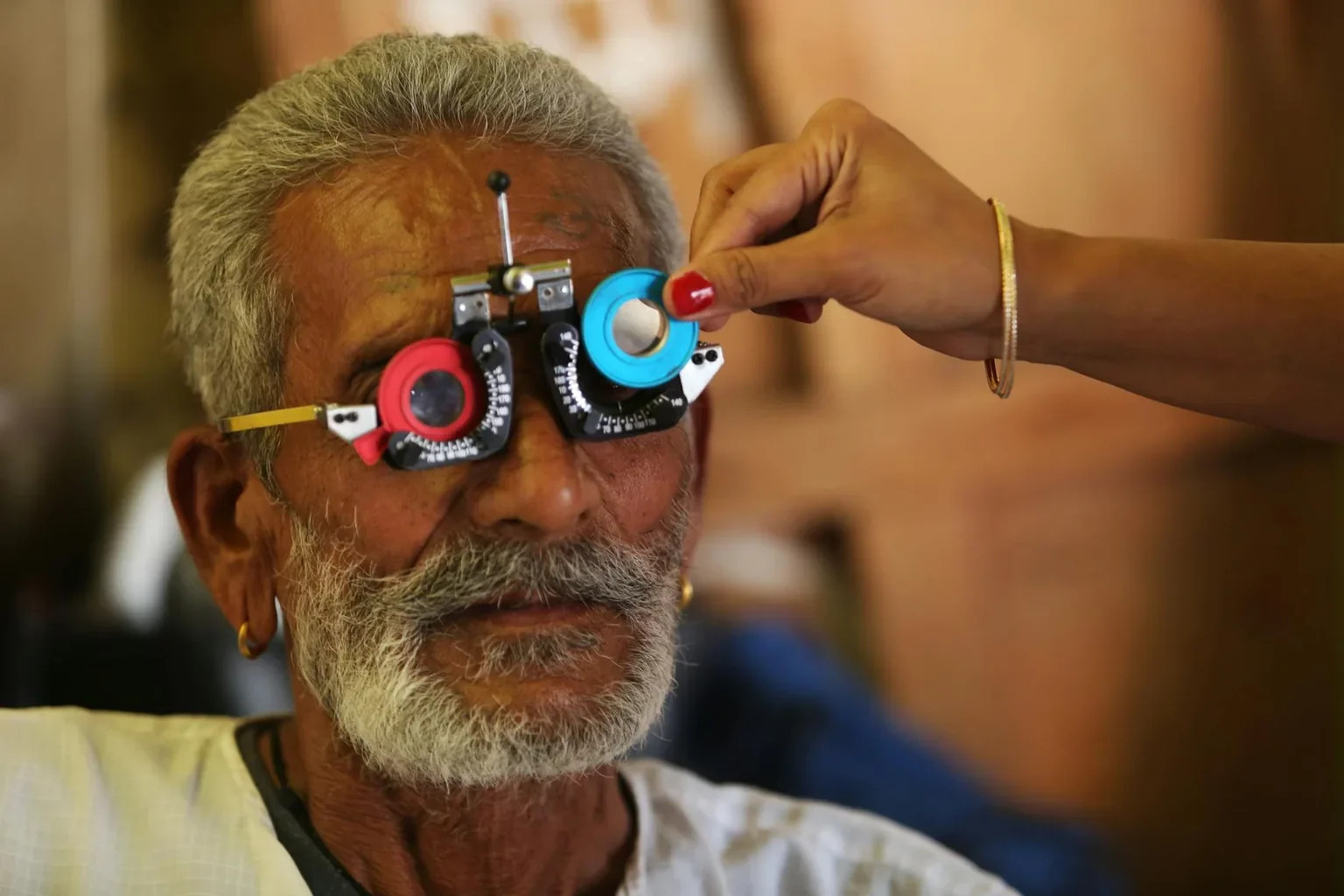
The standard US workup for suspected cataracts combines clinical history, visual acuity testing, refraction, and a detailed eye exam. Most cataracts are diagnosed by a routine eye care professional and confirmed with specialty exam.
Clinical history
The eye doctor asks about:
- Visual symptoms and how they affect daily activities
- Driving comfort (especially night driving)
- Family history of cataracts or eye disease
- Medical conditions, especially diabetes
- Medications, especially steroids
- Prior eye surgery, trauma, or inflammation
- Sun exposure and lifestyle
- Smoking and alcohol use
Eye exam components
Visual acuity testing. Standard eye chart reading at distance and near, both with and without your current prescription.
Refraction. Measures your current prescription and determines if updated glasses might improve vision (sometimes deferring the need for surgery).
Slit-lamp examination. The gold-standard tool for diagnosing cataracts. A special microscope with bright light allows the doctor to examine the lens in detail and identify the type and severity of cataract.
Dilated eye exam. Eye drops are used to widen the pupils so the lens, retina, and optic nerve can be fully evaluated. This also helps confirm cataract grade and rule out other eye conditions.
Pupil and ocular motility tests. Assess eye movement and pupil function.
Tonometry. Measures intraocular pressure to screen for glaucoma, a common co-existing condition in older adults.
Specialized testing
Brightness acuity testing (BAT). Measures how much vision drops with bright light. Glare from cataracts may significantly reduce functional vision even when standard acuity is preserved.
Contrast sensitivity testing. Evaluates the ability to distinguish shades of gray, often reduced by cataracts before standard acuity drops.
Optical coherence tomography (OCT). Detailed imaging of retinal structure, used to rule out coexisting macular degeneration or diabetic retinopathy.
A-scan / B-scan ultrasound. Used in surgery planning to measure eye length for intraocular lens calculation.
Biometry (IOL calculation). Measurements (axial length, corneal curvature) for choosing the correct intraocular lens (IOL) power for surgery.
Differential Considerations
Not every vision change is due to cataracts. The diagnostic workup helps identify or rule out:
- Refractive error changes (sometimes a new glasses prescription is all that’s needed)
- Age-related macular degeneration (AMD)
- Diabetic retinopathy
- Glaucoma
- Dry eye syndrome
- Posterior vitreous detachment
- Optic nerve conditions
- Corneal disease (Fuchs dystrophy, irregular astigmatism)
Patients with cataracts plus another eye condition need individualized planning, especially before surgery.
When to See an Eye Doctor
Schedule an evaluation with an eye care professional if you:
- Have noticeable cloudy or hazy vision
- Are bothered by glare at night
- Need stronger lighting for routine activities
- Are due for a routine eye exam (annual for adults 65+, every 1-2 years for adults 40-64)
- Have diabetes or take long-term steroids
- Have family history of significant cataracts or vision loss
Seek urgent eye care for:
- Sudden vision loss in one or both eyes
- Severe eye pain
- New floaters and flashes
- Curtain or shadow over your vision (possible retinal detachment)
- Severe headache with vision change
How the Diagnosis Is Made
The diagnosis of cataracts typically follows this process:
- Clinical history and symptom review
- Visual acuity and refraction testing
- Slit-lamp examination — the definitive way to identify cataracts
- Dilated eye exam to assess lens and rule out other conditions
- Specialized testing (glare testing, contrast sensitivity, OCT as needed)
- Grading the cataract by type and severity
- Surgical evaluation if symptoms are affecting daily life — biometry for IOL planning
If cataract is the dominant cause of vision change and symptoms are affecting daily life, the patient is referred to a cataract surgeon (or the optometrist coordinates with one).
What Happens After Diagnosis
Once cataracts are diagnosed, the next steps depend on symptom severity:
- Mild cataracts with no symptoms: Annual monitoring, routine eye care
- Mild to moderate cataracts with manageable symptoms: Updated glasses, brighter lighting, anti-glare measures (sunglasses, brimmed hat)
- Cataracts affecting daily activities: Surgical evaluation
- Significant cataracts with safety implications (driving, falls): Surgical evaluation often prioritized
The surgical evaluation and procedure are covered in our cataract surgery cluster, cost guide, and surgery-vs-waiting decision article.
Continue Reading the Cataracts Cluster
- Cataracts: Overview, Types, and Symptoms
- Cataracts: Treatment, Prevention, and Management
- Cataracts: FAQs, Statistics, and Patient Stories
- Cataract Surgery: Candidate Evaluation and When to Consider Surgery
Sources
- National Eye Institute (NEI). Cataracts: causes and diagnosis. https://www.nei.nih.gov/learn-about-eye-health/eye-conditions-and-diseases/cataracts
- American Academy of Ophthalmology (AAO). Cataract evaluation. https://www.aao.org/eye-health/diseases/what-are-cataracts
- American Society of Cataract and Refractive Surgery (ASCRS). Diagnostic resources. https://ascrs.org/patients
- Mayo Clinic. Cataracts: diagnosis and treatment. https://www.mayoclinic.org/diseases-conditions/cataracts/diagnosis-treatment/drc-20353795
- Cleveland Clinic. Cataracts. https://my.clevelandclinic.org/health/diseases/8589-cataracts
- NIH MedlinePlus. Cataract. https://medlineplus.gov/cataract.html
- Centers for Disease Control and Prevention (CDC). Common eye disorders. https://www.cdc.gov/visionhealth/
Medical Disclaimer
The information in this article is for general education and is not a substitute for professional medical advice, diagnosis, or treatment. Always consult a qualified eye care professional with questions about cataracts, eye symptoms, or testing.