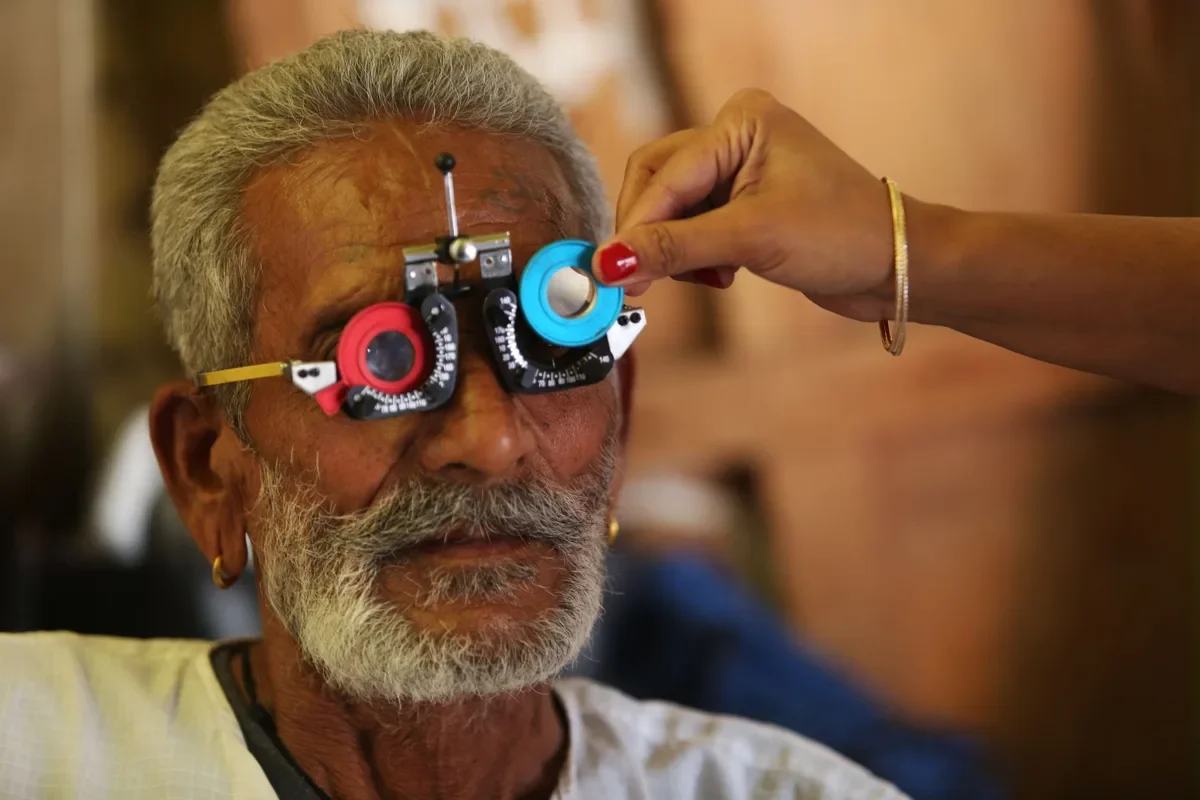
Treatment of cataracts in the United States is highly individualized. Many adults can manage early cataracts for years with stronger glasses and simple environmental changes. When cataracts begin to interfere with daily life, surgery (with replacement of the natural lens by an artificial intraocular lens, or IOL) is the definitive treatment. This article walks through the full range of treatment options, when to consider each, and how to prevent or slow cataract progression long-term.
For symptoms and types, see our overview article. For causes and diagnosis, see our causes article. When surgery is the next step, our cataract surgery cluster, cost guide, and surgery-vs-waiting article cover the surgical pathway in detail.
Treatment Approaches at a Glance
US ophthalmologists generally use a stepwise approach:
- No or very mild symptoms: Annual monitoring, routine eye care
- Mild to moderate symptoms: Updated glasses, anti-glare measures, brighter lighting, lifestyle adjustments
- Cataracts affecting daily life: Cataract surgery with IOL implantation
- Severe vision impairment: Cataract surgery generally recommended
There are no proven medical treatments (drops, pills, supplements) that reverse cataracts in adults. Surgical replacement of the lens is the only definitive treatment.
Watchful Waiting for Early Cataracts
For most US adults with early cataracts, the standard recommendation is watchful waiting with routine eye exams and supportive measures.
When watchful waiting is the right choice:
- Vision is still functional for daily activities
- Symptoms are mild or manageable
- Updated glasses still provide acceptable vision
- No significant safety concerns (e.g., night driving)
What watchful waiting looks like in practice:
- Annual comprehensive eye exam (more often if recommended)
- Update glasses prescription as needed
- Brighter lighting for reading and close work
- Anti-glare strategies: brimmed hat, polarized sunglasses, anti-glare lens coatings
- Adjusting night driving habits when glare becomes prominent
- Healthy lifestyle to reduce progression (smoking cessation, sun protection, blood sugar control)
- Watch for changes that warrant surgical evaluation
Cataract Surgery: The Definitive Treatment
When cataracts begin affecting daily life, cataract surgery with intraocular lens (IOL) implantation is the standard treatment. It is one of the most refined and successful procedures in modern medicine.
Why surgery is the only definitive treatment:
- Cataracts cannot be reversed medically
- Vision tends to progressively worsen over time
- Surgery is highly effective and routine in the US healthcare system
- The artificial IOL provides clear, durable vision for the rest of life
- Modern outpatient surgery is brief and well-tolerated
The procedure overview, recovery timeline, cost details, and the decision of when to proceed are covered in our paired surgical cluster:
- Cataract Surgery: Overview, Types, and What to Expect
- Cataract Surgery: Candidate Evaluation and When to Consider Surgery
- Cataract Surgery: Procedure, Recovery, and Rehabilitation
- Cataract Surgery: FAQs, Statistics, and Patient Stories
- Cataract Surgery Cost in the United States
- Cataract Surgery vs Waiting: When to Have Surgery
Non-Surgical Strategies That Help

While no current medications reverse cataracts, several strategies can manage symptoms and slow progression.
Updated eyeglasses prescription. As cataracts progress, the lens prescription often shifts. Updated glasses can significantly improve vision in early cataracts.
Anti-glare lenses. Anti-glare or anti-reflective lens coatings reduce glare from screens, headlights, and indoor lights. Photochromic or polarized sunglasses help outdoors.
Better lighting. Adding brighter task lighting (over a desk, reading chair, or kitchen counter) often helps significantly with cataract-related dimness.
Larger print, magnifiers, and electronic readers. For reading, larger fonts and electronic devices with adjustable brightness help.
Adjusting night driving. Limiting night driving, using anti-glare windshield products, and avoiding routes with very bright oncoming traffic are common adjustments.
Treating coexisting conditions. Addressing dry eye, controlling diabetes, and managing glaucoma can improve overall visual comfort and may slow cataract progression.
Smoking cessation. Quitting smoking reduces oxidative stress and may slow cataract progression.
Sun protection. UV-blocking sunglasses (rated UV400 or 100 percent UVA/UVB) and wide-brimmed hats reduce ongoing UV damage to the lens.
Prevention of Cataracts

While most age-related cataracts cannot be entirely prevented, several strategies reduce risk and slow progression in US adults:
- UV protection. Consistent use of UV-blocking sunglasses (UV400 / 100 percent UVA-UVB) and wide-brimmed hats throughout life.
- Smoking cessation. Smoking is a strong modifiable risk factor.
- Healthy diet. Diets rich in vegetables, fruits, omega-3 fatty acids, and lutein/zeaxanthin (leafy greens) are associated with lower cataract risk.
- Maintain healthy blood sugar. Good diabetes control reduces diabetic cataract risk.
- Limit alcohol to moderate levels.
- Avoid unnecessary long-term steroid use when alternatives exist. Discuss with your prescriber.
- Routine eye exams to catch and monitor changes early.
- Eye protection during sports, occupational hazards, and home repairs to prevent traumatic cataracts.
- Manage hypertension and cholesterol as part of overall vascular health.
Long-Term Management
If you are managing cataracts long-term without surgery:
- Annual comprehensive eye exam with a specific focus on cataract progression
- Update glasses prescription as the lens changes
- Brighter lighting for reading, kitchen, work
- Anti-glare strategies for driving and screens
- Sun protection consistently
- Healthy lifestyle: don’t smoke, manage diabetes and blood pressure, maintain a balanced diet
- Communicate with your doctor about changes in daily function — driving, reading, work, hobbies
- Plan for eventual surgery with realistic expectations
If you have had cataract surgery on one or both eyes:
- Follow post-op instructions carefully (eye drops, restrictions)
- Attend follow-up visits
- Use UV-protective sunglasses going forward
- Continue annual eye exams
- Watch for late complications (rare): posterior capsule opacification (the “secondary cataract” treatable with YAG laser), inflammation, retinal issues
- Most patients enjoy clear vision for many years post-surgery
Treatment for Specific Cataract Types
Posterior capsule opacification (PCO). Sometimes called a “secondary cataract,” PCO occurs when the lens capsule (which holds the IOL) becomes cloudy months to years after cataract surgery. Treatment is a quick, painless office procedure called YAG laser capsulotomy.
Traumatic cataracts. Often require prompt surgical evaluation because they may progress quickly and may be associated with other eye injuries.
Pediatric cataracts. Need specialized pediatric ophthalmology care. Early treatment is critical to prevent amblyopia (lazy eye).
Cataracts with other eye conditions. Patients with concurrent macular degeneration, diabetic retinopathy, glaucoma, or other conditions need individualized surgical planning. Cataract surgery can still improve vision but realistic expectations should be discussed.
When Surgical Intervention Becomes Urgent
Most cataracts allow time for thoughtful decision-making. Certain situations warrant earlier or more urgent surgical evaluation:
- Significant difficulty driving safely
- Falls or near-falls related to vision
- Dense cataracts preventing exam of the retina or treatment of other eye conditions
- Lens-induced glaucoma (rare but serious complication)
- Sudden worsening of vision warranting prompt evaluation
- Loss of independence in daily activities
How the Decision Is Made
The choice between continuing watchful waiting and proceeding with cataract surgery depends on:
- Visual symptoms and their impact on daily life and safety
- Best-corrected visual acuity (though no specific threshold mandates surgery)
- Contrast sensitivity and glare testing results
- Overall eye health and presence of other conditions
- Patient preferences and lifestyle
- Hobbies, work demands, and driving needs
- Comfort with the procedure and informed expectations
Our surgery-vs-waiting decision article discusses this decision in depth.
Continue Reading the Cataracts Cluster
- Cataracts: Overview, Types, and Symptoms
- Cataracts: Causes, Risk Factors, and Diagnosis
- Cataracts: FAQs, Statistics, and Patient Stories
- Cataract Surgery: Procedure, Recovery, and Rehabilitation
- Cataract Surgery Cost in the United States
Sources
- National Eye Institute (NEI). Cataracts treatment. https://www.nei.nih.gov/learn-about-eye-health/eye-conditions-and-diseases/cataracts
- American Academy of Ophthalmology (AAO). Cataract treatment guidelines. https://www.aao.org/eye-health/diseases/cataract-treatment-options
- American Society of Cataract and Refractive Surgery (ASCRS). Cataract surgery resources. https://ascrs.org/patients
- U.S. Food and Drug Administration (FDA). Intraocular lenses. https://www.fda.gov/medical-devices/implants-and-prosthetics/intraocular-lenses
- Mayo Clinic. Cataract treatment options. https://www.mayoclinic.org/diseases-conditions/cataracts/diagnosis-treatment/drc-20353795
- Cleveland Clinic. Cataracts. https://my.clevelandclinic.org/health/diseases/8589-cataracts
- NIH MedlinePlus. Cataract. https://medlineplus.gov/cataract.html
Medical Disclaimer
The information in this article is for general education and is not a substitute for professional medical advice, diagnosis, or treatment. Always consult a qualified eye care professional with questions about cataract treatment, surgical options, or supportive care.