Medically reviewed by the Know Your Surgery Editorial Team. Last reviewed: May 2026.
A hysterectomy is the surgical removal of the uterus. It is one of the most commonly performed major surgeries on women in the United States, used to treat conditions that cause pain, bleeding, or other quality-of-life concerns when other treatments have not helped. For many patients, hysterectomy ends years of symptoms that were limiting daily life. It is also a permanent decision, so it deserves a careful, well-informed conversation with a trusted gynecologist.
This guide gives you a calm, plain-English overview of what a hysterectomy is, the main types of the procedure, the surgical approaches available in the United States, who tends to need surgery, and what the patient journey usually looks like. Detailed information on causes and decision-making, the operating-room steps, and patient questions live in the other articles in this cluster.
Significance and Prevalence of Hysterectomy in the United States
Hysterectomy is one of the most frequently performed major surgical procedures on women in the United States. According to data tracked by the Centers for Disease Control and Prevention (CDC), several hundred thousand hysterectomies are performed each year. The American College of Obstetricians and Gynecologists (ACOG) describes hysterectomy as a routine and well-studied procedure with a long safety record.
Most hysterectomies are performed for non-cancerous conditions such as uterine fibroids, abnormal bleeding, endometriosis, and pelvic prolapse. A smaller share is performed for gynecologic cancers, where removal of the uterus is part of cancer treatment. The exact mix has shifted in recent decades as less invasive treatments and minimally invasive surgical approaches have grown.
The procedure is often life-changing for patients with severe symptoms, with a meaningful improvement in pain, bleeding, and overall quality of life reported in clinical guidelines. At the same time, ACOG emphasizes that hysterectomy is a major surgery and a permanent decision, so it should be considered when other less invasive options have been exhausted, do not apply, or are not preferred by the patient.
What Is a Hysterectomy?
A hysterectomy is a procedure to remove the uterus, the pear-shaped organ in the pelvis where pregnancy develops. Depending on the medical reason, the surgeon may also remove the cervix (the lower opening of the uterus) and, in some cases, the fallopian tubes and ovaries. After hysterectomy, the patient no longer has menstrual periods and cannot become pregnant.
Hysterectomy is performed under anesthesia in a hospital operating room or outpatient surgical center. There are several different surgical approaches, ranging from traditional open surgery to minimally invasive laparoscopic and robotic techniques. The choice of approach depends on the medical reason, the size of the uterus, the patient’s anatomy, prior surgeries, and the surgeon’s training. The full step-by-step procedure walkthrough is covered in our procedure and recovery article.
How the Female Reproductive System Works (Simple Anatomy)

The female reproductive system sits low in the pelvis. The uterus is connected at the top to the two fallopian tubes, which lead out to the two ovaries on either side. The lower opening of the uterus is the cervix, which connects to the upper end of the vagina. Together, these organs are responsible for menstruation, pregnancy, and the production of estrogen and progesterone (mainly by the ovaries).
In a hysterectomy, the focus is on the uterus. The fallopian tubes, ovaries, and vagina are kept or removed based on the specific surgical plan. Removing the ovaries (oophorectomy) or fallopian tubes (salpingectomy) is a separate decision with its own implications, especially around hormones and menopause. We cover the formal decision framework in our causes and diagnosis article.
What Gets Removed in a Hysterectomy?
There are several variations, each with a specific name. Your surgeon will discuss which option fits your situation.
Total hysterectomy removes the uterus and cervix together. This is the most common type performed today.
Supracervical (subtotal or partial) hysterectomy removes the uterus while preserving the cervix.
Radical hysterectomy removes the uterus, cervix, surrounding tissue, and the upper part of the vagina. This is typically performed for certain gynecologic cancers.
Hysterectomy with bilateral salpingo-oophorectomy (BSO) is a hysterectomy combined with removal of both fallopian tubes and both ovaries. This is sometimes recommended for cancer treatment or for patients with high genetic risk.
Hysterectomy with bilateral salpingectomy removes both fallopian tubes while keeping the ovaries, often considered as a strategy to reduce the risk of certain ovarian cancers.
The decision about what to remove is made together with your gynecologist, based on the medical reason, your age, and your personal preferences.
Main Surgical Approaches
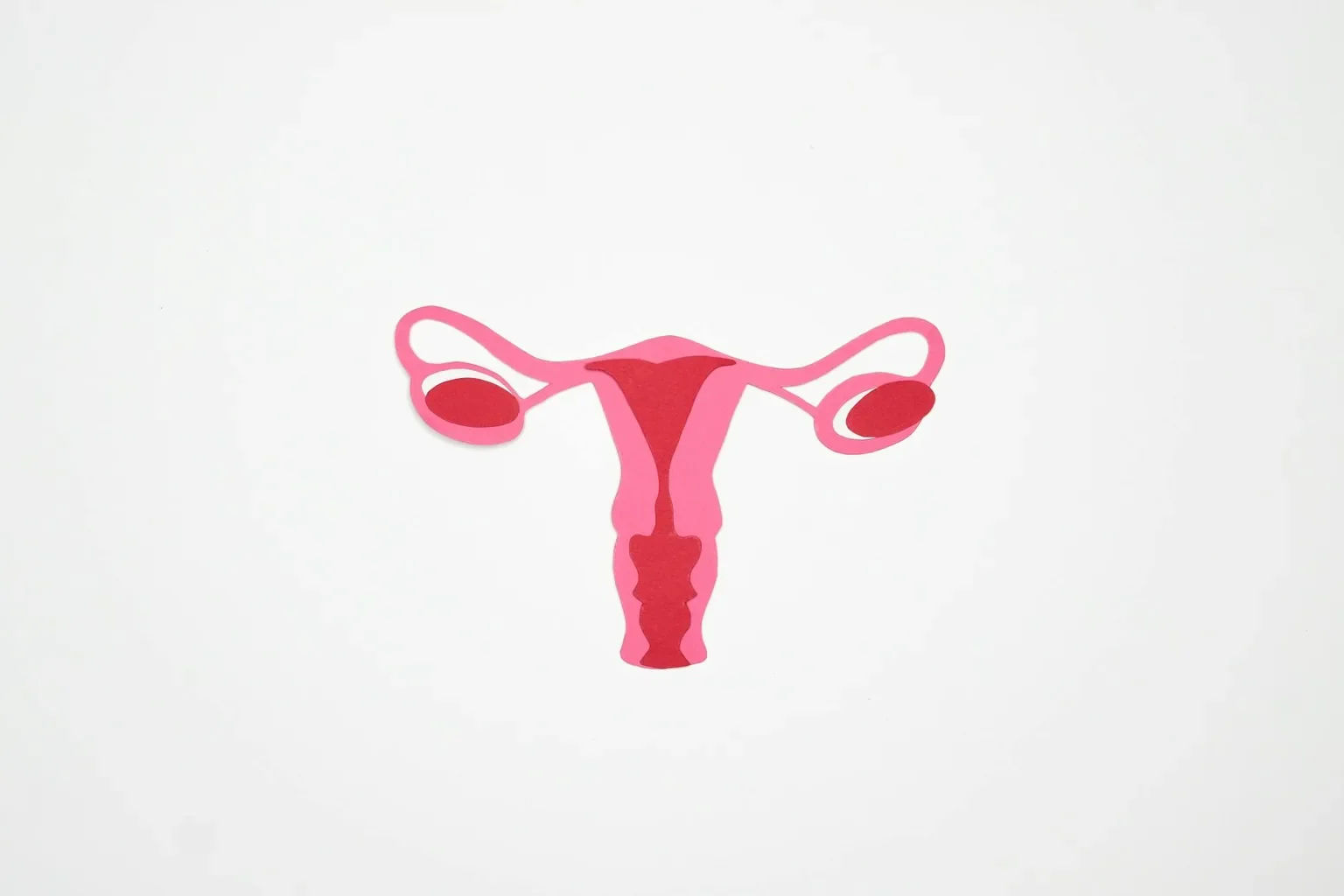
US gynecologic surgeons use several established approaches. Each has trade-offs in terms of recovery time, scarring, and which patients are best suited.
Abdominal hysterectomy uses an incision in the lower abdomen, similar to a cesarean section incision. It is well suited for very large uteruses, suspected cancers, or anatomy that limits other approaches.
Vaginal hysterectomy removes the uterus through the vagina with no external incision. It typically has a shorter recovery and minimal scarring, but is best for patients with smaller uteruses and good vaginal access.
Laparoscopic hysterectomy uses several small abdominal incisions and a thin camera to perform the surgery. It usually offers a faster recovery than open surgery.
Robotic-assisted laparoscopic hysterectomy uses a surgical robot operated by the surgeon. It is similar to laparoscopic surgery in healing and recovery, with some surgeons preferring it for complex cases.
A single sentence on emerging approaches: there are continued refinements such as single-site laparoscopic surgery and natural-orifice approaches at certain centers, but the four approaches above cover the great majority of US cases. The detailed comparison and a step-by-step walkthrough of each are covered in our procedure and recovery article.
Surgical Techniques at a High Level
Modern hysterectomy is most often performed under general anesthesia, with the patient fully asleep. In some vaginal hysterectomies, regional anesthesia (such as spinal anesthesia) is used. The procedure is performed in a hospital operating room, with most patients staying one to two nights for open abdominal surgeries and many minimally invasive surgeries done as same-day or next-day discharges.
The operating time varies from one to several hours depending on the approach, the size of the uterus, and the complexity of the case. The surgical team monitors comfort and safety throughout, and the recovery period begins immediately after surgery in a recovery area before the patient is moved to a hospital room or sent home.
Who Might Need a Hysterectomy?
Hysterectomy is generally considered when other less invasive treatments have not worked or are not appropriate. The most common medical reasons in the United States, per ACOG guidance, are:
- Uterine fibroids that cause significant bleeding, pain, or pressure
- Abnormal uterine bleeding that does not respond to medication or less invasive procedures
- Endometriosis that has not improved with medication or surgery to preserve fertility
- Uterine prolapse, where the uterus descends from its normal position and causes symptoms
- Gynecologic cancer or pre-cancer of the uterus, cervix, or ovaries
- Adenomyosis, a condition where the uterine lining grows into the muscle wall
- Chronic pelvic pain with a uterine source after thorough evaluation
A primary care doctor or gynecologist evaluates the symptoms, runs the appropriate tests, and refers the patient to a gynecologic surgeon when surgery is being considered. We cover the formal decision framework in detail in our causes and diagnosis article.
Early Warning Signs That a Hysterectomy Evaluation May Be Needed
Many patients live with symptoms for years before considering surgery. Common signs that warrant a careful evaluation by a gynecologist include:
- Heavy or prolonged menstrual bleeding that interferes with daily life
- Severe menstrual cramps unresponsive to medication
- Bleeding between periods or after menopause
- Pelvic pressure, fullness, or a sense of something falling
- Pain during intercourse
- Frequent urination or trouble emptying the bladder due to a pelvic mass
- An enlarged uterus on examination or imaging
- A new gynecologic cancer diagnosis
Noticing these signs is a reason to schedule an evaluation. Most causes are not cancer, but a thorough workup ensures the right diagnosis and the right next step.
Your Hysterectomy Journey at a Glance
Although every patient’s path is different, the typical hysterectomy journey in the United States follows a familiar pattern.
It begins with a conversation at the gynecologist’s office about ongoing symptoms. The clinician performs an examination, orders relevant testing, and may recommend medications, less invasive procedures, or surgery. When surgery is the planned next step, the patient meets with the gynecologic surgeon to discuss the type of hysterectomy, the surgical approach, and what to expect.
Pre-surgical preparation includes blood tests, imaging if needed, and a discussion of medications and anesthesia. On the day of surgery, the patient arrives at the hospital or surgical center, has the procedure performed under anesthesia, and recovers in a hospital room or, in many minimally invasive cases, goes home the same day or next day.
Recovery happens in stages. Many patients with vaginal or laparoscopic surgery resume light activities within one to two weeks, with full recovery in four to six weeks. Patients with abdominal hysterectomy typically need closer to six weeks. The detailed timeline lives in our procedure and recovery article.
Frequently Asked Questions
Will a hysterectomy put me into menopause?
Removing only the uterus does not cause menopause. If your ovaries are kept, they continue to make estrogen and progesterone until natural menopause. If both ovaries are removed at the same time, surgical menopause begins immediately and your gynecologist will discuss management options.
Will I still have periods after a hysterectomy?
No. Once the uterus is removed, menstrual periods stop permanently. This is one of the most reliable improvements after hysterectomy for patients with heavy or painful bleeding.
Is hysterectomy permanent? Can I become pregnant later?
Yes, hysterectomy is permanent and ends the ability to become pregnant. Because of this, the decision involves careful conversation with your gynecologist, especially for younger patients. The decision framework is covered in our causes and diagnosis article.
Continue Reading the Hysterectomy Cluster
- Hysterectomy: Causes, Diagnosis, and When to Consider Surgery
- Hysterectomy: Procedure, Recovery, and Rehabilitation
- Hysterectomy: FAQs, Statistics, and Patient Stories
Sources
- American College of Obstetricians and Gynecologists (ACOG). Hysterectomy: clinical practice guidance. https://www.acog.org/womens-health/faqs/hysterectomy
- Centers for Disease Control and Prevention (CDC). Reproductive health: hysterectomy data. https://www.cdc.gov/reproductivehealth/
- National Institutes of Health (NIH) MedlinePlus. Hysterectomy. https://medlineplus.gov/hysterectomy.html
- Mayo Clinic. Hysterectomy: overview. https://www.mayoclinic.org/tests-procedures/abdominal-hysterectomy/about/pac-20384559
- Cleveland Clinic. Hysterectomy: overview. https://my.clevelandclinic.org/health/treatments/4852-hysterectomy
Medical Disclaimer
The information in this article is for general education and is not a substitute for professional medical advice, diagnosis, or treatment. Always consult a qualified healthcare provider with questions about your gynecologic health, treatment options, or surgery. Never disregard professional medical advice or delay in seeking it because of something you have read here.