Recovery after cataract surgery is usually quick and comfortable for most US patients, but the first few weeks still involve a clear set of daily steps: using eye drops on schedule, protecting the eye, and knowing which symptoms are normal and which need a call to your surgeon. This checklist organizes what to do, what to avoid, and when to seek help, broken down week by week from surgery day through long-term follow-up.
This piece complements our broader cataract cluster. For the procedure walkthrough and decision context, see our cataract surgery overview, causes and diagnosis article, and full procedure and recovery walkthrough. For long-term FAQ and outcomes, see our cataract surgery FAQs article.
Recovery at a Glance
Here is the typical week-by-week recovery timeline after cataract surgery for most US patients. Recovery varies from person to person, so follow the specific instructions from your eye surgeon.
| Timeframe | What most US patients can expect |
|---|---|
| First 24 hours | Outpatient surgery, about 15 to 30 minutes. Shield the eye, rest, and start the prescribed eye drops. |
| Week 1 (days 1 to 7) | The most protective phase. Use drops on schedule, avoid rubbing the eye and getting water in it, and skip heavy lifting. |
| Week 2 (days 8 to 14) | Vision is usually clearer and more stable. Many daily activities resume while the eye keeps healing. |
| Weeks 3 to 4 | Near-complete healing for most patients. Prescription drops are typically finished. |
| Weeks 4 to 6 | Vision is usually stable enough for a final glasses prescription. |
| Long term (after 6 weeks) | The eye is typically healed. Keep routine eye exams. |
This timeline reflects typical US recovery patterns; see the sources listed at the end of this guide. It is general education, not medical advice.
Right After Surgery: The First 24 Hours
Cataract surgery in the United States is almost always an outpatient procedure done under topical or local anesthesia in about 15 to 30 minutes. The first 24 hours focus on rest and protecting the eye.
- Arrange for someone to drive you home; do not drive the day of surgery
- Wear the protective eye shield home and while sleeping or napping
- Blurry, hazy, or slightly double vision is normal at first and improves over the following days
- Mild scratchiness, watering, or a feeling of grit in the eye is common
- Do not rub or press on the eye
- Rest, and avoid strenuous activity for the remainder of the day
- Begin prescribed eye drops as directed, or the morning after if instructed
Week 1 Checklist (Days 1 to 7)
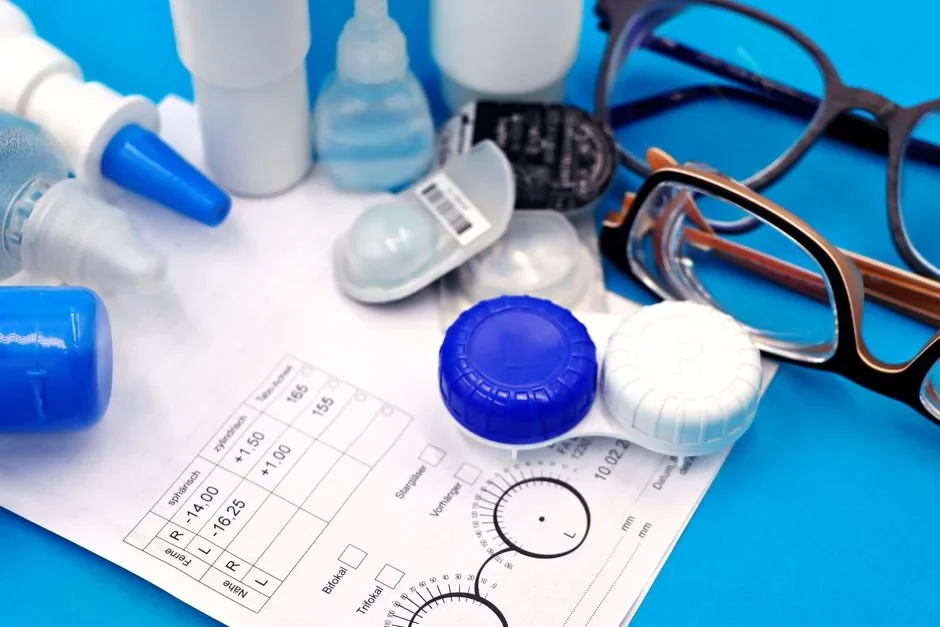
Week 1 is the most protective phase. The small incision is self-sealing and healing, and the eye is settling around the new intraocular lens (IOL). Most patients have a follow-up exam the day after surgery.
Eye drops and medication
- Use antibiotic and anti-inflammatory (steroid, and sometimes an NSAID) drops exactly on the prescribed schedule
- Wait about 5 minutes between different drops so each is absorbed
- Wash your hands before every dose and avoid touching the dropper tip to the eye
- Do not stop drops early even if the eye feels normal
Eye protection and daily care
- Wear the shield while sleeping for the first several nights to about a week to avoid accidental rubbing
- Do not rub, press, or splash water directly into the eye
- Showering is usually fine the day after surgery, but keep water, soap, and shampoo out of the eye for the first several days; tilt your head back when washing your hair
- Gently wipe away discharge with a clean tissue, from the inner to outer corner
- Avoid eye makeup until your surgeon clears it, usually about 1 week
Activity limits
- For about the first 48 hours, do not bend so your head goes below your waist, and avoid straining
- Avoid strenuous activity and heavy lifting for about the first week; your surgeon may give you a specific weight limit
- No swimming pools, hot tubs, oceans, or lakes in the first week
- Avoid dusty, dirty, or windy environments; wear sunglasses outdoors
- Light walking, reading, watching television, and using a phone or computer are generally fine
- Driving may be allowed within a few days once vision meets your state standard, but only after your surgeon confirms
Warning signs that need prompt attention
- Increasing or severe eye pain not relieved by over-the-counter pain relief
- Vision that gets worse rather than better
- New flashes of light, a shower of floaters, or a shadow or curtain across your vision
- Increasing redness, thick discharge, or swelling of the lid
- Nausea and vomiting with eye pain
Week 2 Checklist (Days 8 to 14)
By week 2, vision is usually clearer and more stable, and many daily activities can resume, though the eye is still healing.
Medication
- Continue the drop schedule; your surgeon may begin tapering the steroid drop
- Keep using the shield at night if advised
Activity
- Most people return to desk work, walking, and light routines
- Reading, screens, and television are unrestricted as comfort allows
- Swimming in a pool is often cleared around 2 weeks with surgeon approval; keep avoiding hot tubs, lakes, and the ocean, and do not rub the eye
- Light exercise such as walking is fine; avoid heavy lifting and high-impact activity
What to expect
- Vision continues to sharpen; some fluctuation day to day is normal
- Mild dryness or a gritty feeling can persist and often responds to lubricating drops your surgeon approves
- Colors may look brighter or bluer than before, which is a normal effect of removing the cloudy lens
Weeks 3 to 4 Checklist
Most patients reach near-complete healing by the end of week 4. Prescription drops are typically finished around this point.
- Finish the drop course as directed; most schedules end near 4 weeks
- Hot tubs, lakes, and the ocean are usually cleared around 4 weeks with surgeon approval, since they carry more infection risk than a pool
- Eye makeup and normal face washing generally resume
- Higher-intensity exercise can usually restart once your surgeon confirms
- If your other eye also needs surgery, it is commonly scheduled about 1 to 2 weeks after the first, sometimes up to 4 weeks
Weeks 4 to 6 and New Glasses
Vision is usually stable enough by 4 to 6 weeks for a final glasses check.
- Your eye doctor measures your vision for a new prescription once it stabilizes, often around 4 to 6 weeks
- Even with a lens implant, many people still use glasses for some tasks such as reading
- Attend the scheduled post-operative visits so the surgeon can confirm healing and lens position
Long-Term Care Checklist
After about 6 weeks, the eye has typically healed and vision is stable. Long-term care is simple.
- Keep routine eye exams to monitor eye health and update glasses as needed
- Wear UV-protective sunglasses outdoors
- Know that a cloudy film can form on the lens capsule months to years later; this is called posterior capsule opacification, or a “secondary cataract”
- If vision becomes hazy again later, a quick, painless in-office laser treatment (YAG capsulotomy) usually restores clarity
What Is Normal, What Is Not
Normal in the first days and weeks:
- Blurry or fluctuating vision that gradually improves
- Mild scratchiness, watering, light sensitivity, or a gritty feeling
- Slight redness or a small blood spot on the white of the eye, which can take 2 to 3 weeks to clear
- Brighter or bluer-appearing colors
Not normal, contact your surgeon promptly:
- Worsening vision or sudden vision loss
- Severe or increasing pain
- New flashes, many new floaters, or a curtain or shadow over part of your vision
- Increasing redness with thick discharge or eyelid swelling
When to Call Your Doctor
Call your ophthalmologist without delay for:
- Eye pain that is severe or increasing
- Vision that is getting worse
- Flashes of light, a sudden increase in floaters, or a shadow across the vision (possible retinal detachment)
- Increasing redness, swelling, or thick discharge (possible infection)
- Nausea or vomiting combined with eye pain
Seek emergency care for sudden, significant vision loss or severe pain with vomiting, which can signal a rare but serious complication.
Tips for Caregivers and Family
Support in the first week makes recovery easier, especially for older patients or those having both eyes done in sequence.
- Drive the patient to and from surgery and to follow-up visits
- Help set up and track the eye drop schedule, which is the most common point of confusion
- Remind the patient not to rub the eye and to wear the shield at night
- Help with lifting, bending, and household tasks in the first week
- Watch for warning signs and help arrange a prompt call if they appear
Frequently Asked Questions
How long does cataract surgery recovery take?
Most people notice clearer vision within a few days, and the eye is largely healed by about 4 weeks. Prescription drops usually finish near 4 weeks, and a final glasses check is often done around 4 to 6 weeks once vision is stable.
When can I drive after cataract surgery?
Many patients can drive within a few days, but only after your surgeon confirms your vision meets your state’s legal standard. Do not drive the day of surgery. If both eyes are being treated, timing may depend on the vision in each eye.
When can I bend over or lift after cataract surgery?
For about the first 48 hours, avoid bending so your head drops below your waist. Avoid strenuous activity and heavy lifting for roughly the first week; your surgeon may give you a specific weight limit. Light activity and walking are fine sooner.
How long do I use the eye drops?
Most drop schedules run about 4 weeks on a tapering plan your surgeon sets, and include an antibiotic and an anti-inflammatory drop. Use them exactly as prescribed and do not stop early, even if the eye feels normal.
When can I swim or use a hot tub?
Swimming in a pool is often cleared around 2 weeks, while hot tubs, oceans, and lakes usually wait up to about 4 weeks because they carry more infection risk. Always confirm timing with your surgeon.
Can I watch TV, read, or use my phone after cataract surgery?
Yes. Reading, screens, and television do not harm the healing eye and are generally fine as soon as it feels comfortable, often the same day or the next day.
When can the second eye be done?
When both eyes need surgery, the second is commonly scheduled about 1 to 2 weeks after the first (sometimes up to 4 weeks), once the surgeon confirms the first eye is healing well.
My vision became cloudy again months later. Is the cataract back?
Cataracts do not grow back, but a cloudy film can form on the lens capsule months to years later (posterior capsule opacification). A brief, painless in-office laser treatment called a YAG capsulotomy usually restores clear vision.
Continue Reading the Cataract Cluster
- Cataract Surgery: Overview, Types, and What to Expect
- Cataract Surgery: Causes, Diagnosis, and When to Consider Surgery
- Cataract Surgery: Procedure, Recovery, and Rehabilitation
- Cataract Surgery: FAQs, Statistics, and Patient Stories
- Cataract Surgery vs Waiting: When to Have Surgery
Sources
- American Academy of Ophthalmology (AAO). Cataract surgery recovery. https://www.aao.org/eye-health/diseases/cataracts
- National Eye Institute (NEI), NIH. Cataracts. https://www.nei.nih.gov/learn-about-eye-health/eye-conditions-and-diseases/cataracts
- NIH MedlinePlus. Cataract removal. https://medlineplus.gov/ency/article/002957.htm
- Mayo Clinic. Cataract surgery. https://www.mayoclinic.org/tests-procedures/cataract-surgery/about/pac-20384765
- Cleveland Clinic. Cataract surgery: recovery. https://my.clevelandclinic.org/health/treatments/8637-cataract-surgery
- U.S. Food and Drug Administration (FDA). Intraocular lenses. https://www.fda.gov/medical-devices/implants-and-prosthetics/intraocular-lenses
Medical Disclaimer
The information in this article is for general education and reflects typical US recovery patterns. Individual recovery varies based on the type of cataract surgery, the lens implanted, and overall eye health. Always follow the specific instructions from your ophthalmologist and care team. Contact your medical team for severe or increasing eye pain, worsening vision, flashes or a curtain in your vision, or signs of infection. This article is not medical advice.
Planning the financial side alongside recovery? Our US cataract surgery cost breakdown covers surgery pricing, Medicare and commercial insurance, and premium lens costs.