Medically reviewed by the Know Your Surgery Editorial Team. Last reviewed: May 2026.
A hair transplant is recommended when hair loss is bothersome, stable, and not addressable by medical therapy alone, and when the patient is a good candidate. This article explains what causes hair loss, how dermatologists make the diagnosis, and how the decision to have a hair transplant is made. If you are new to the topic, the cluster overview article is a useful starting place.
What Causes Hair Loss?
The most common cause of hair loss in the United States is androgenetic alopecia, also known as male-pattern or female-pattern hair loss. Several other causes exist, and identifying the right cause is essential before considering a hair transplant.
Androgenetic alopecia. Hereditary, hormonally driven hair loss. The hormone DHT gradually shrinks susceptible follicles. The pattern follows recognizable shapes (Norwood scale in men, Ludwig scale in women).
Telogen effluvium. A temporary period of increased shedding triggered by major stress, illness, surgery, childbirth, weight loss, certain medications, or thyroid disease. Hair usually regrows within 6 to 12 months.
Alopecia areata. An autoimmune condition causing patchy hair loss. Hair often regrows on its own or with medical treatment, and a transplant is generally not appropriate during active disease.
Scarring alopecias. Conditions such as lichen planopilaris, frontal fibrosing alopecia, and central centrifugal cicatricial alopecia destroy hair follicles permanently. Transplant outcomes are unpredictable in active scarring alopecias.
Traction alopecia. Caused by tight hairstyles or hair extensions. Reversal often requires lifestyle change first; transplant may help in cases with permanent loss.
Trichotillomania. Hair pulling disorder. Treatment focuses on the underlying behavior before considering surgery.
Medical causes. Thyroid disease, iron deficiency, vitamin D deficiency, lupus, certain medications, and chemotherapy can cause hair loss. Treating the underlying cause may restore growth.
Hormonal changes. Pregnancy, menopause, polycystic ovary syndrome (PCOS), and other hormonal shifts can cause hair changes, often reversible.
Trauma, burns, and prior surgery. Permanent hair loss after injury can sometimes be addressed with hair transplant for scar coverage.
A hair transplant is generally most successful for androgenetic alopecia and for permanent scar-related hair loss. For other causes, medical evaluation and treatment usually come first.
Risk Factors That Increase the Likelihood of Hair Loss
Several factors are associated with hereditary hair loss:
- Family history. The strongest predictor.
- Age. Hair loss is more common with age.
- Sex. Pattern is different in men and women but both are affected.
- Hormones. Higher sensitivity to DHT.
- Health conditions. Thyroid disease, iron deficiency, autoimmune conditions.
- Stress. Major life stress can trigger telogen effluvium.
- Medications. Certain drugs can contribute.
These factors do not guarantee hair loss but help guide evaluation.
Symptoms and Patterns of Hair Loss
Hair loss patterns vary by underlying cause:
Male-pattern (Norwood scale):
- Receding at the temples
- Thinning at the crown
- Eventual joining of frontal and crown thinning
- Stable rim of hair around the back and sides
Female-pattern (Ludwig scale):
- Widening of the part
- Diffuse thinning over the top of the scalp
- Front hairline often preserved
Patchy hair loss:
- Round bald patches (alopecia areata)
- Sudden eyebrow or beard hair loss
Diffuse shedding:
- Increased hair on pillow, brush, or shower
- Often follows a stressor or illness
Hair loss with skin changes:
- Redness, scaling, scarring (consider scarring alopecia)
- Pain or burning
These patterns suggest different causes and different treatments. A dermatologist’s evaluation is essential before considering a hair transplant.
How Clinicians Diagnose Hair Loss
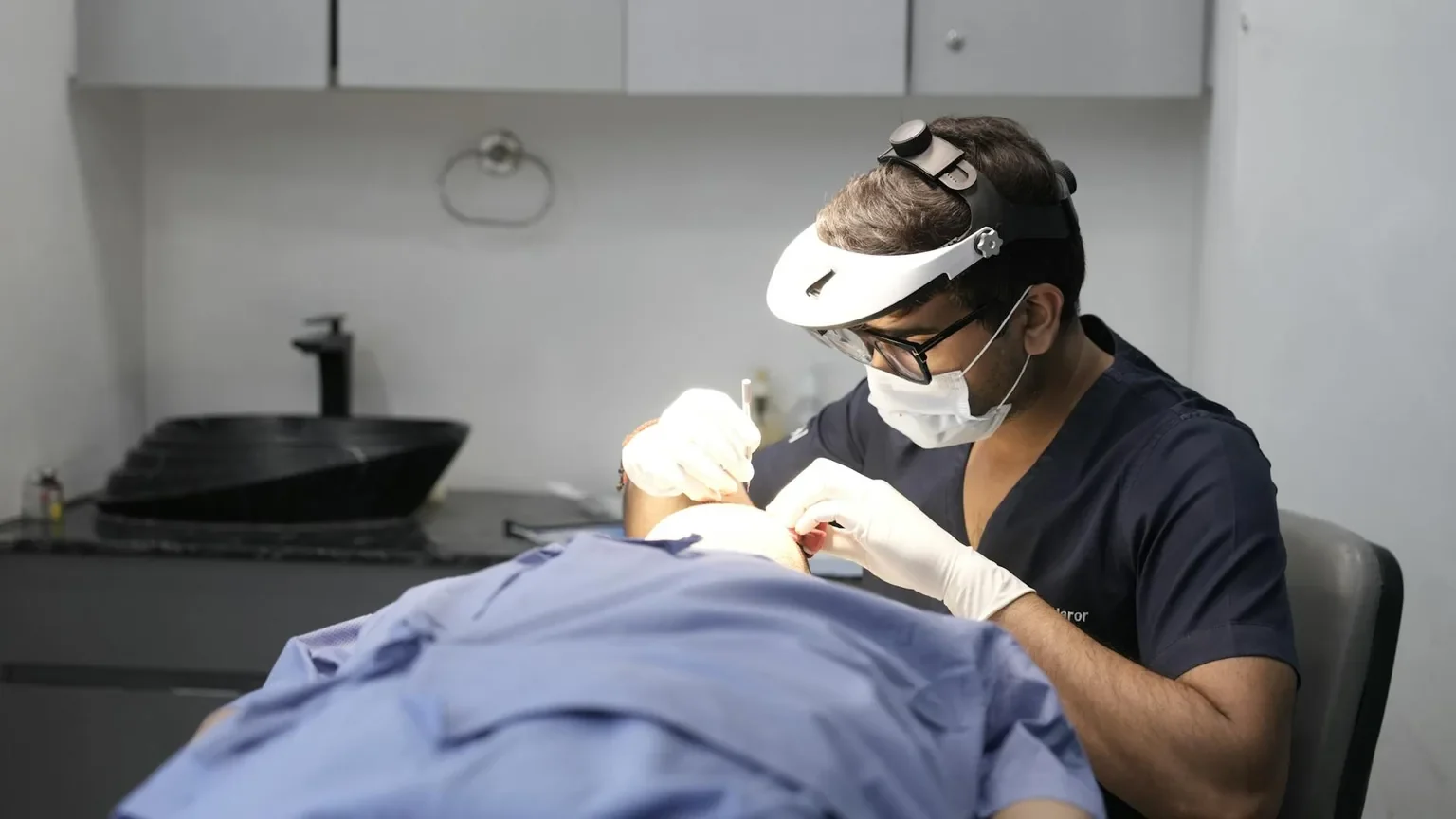
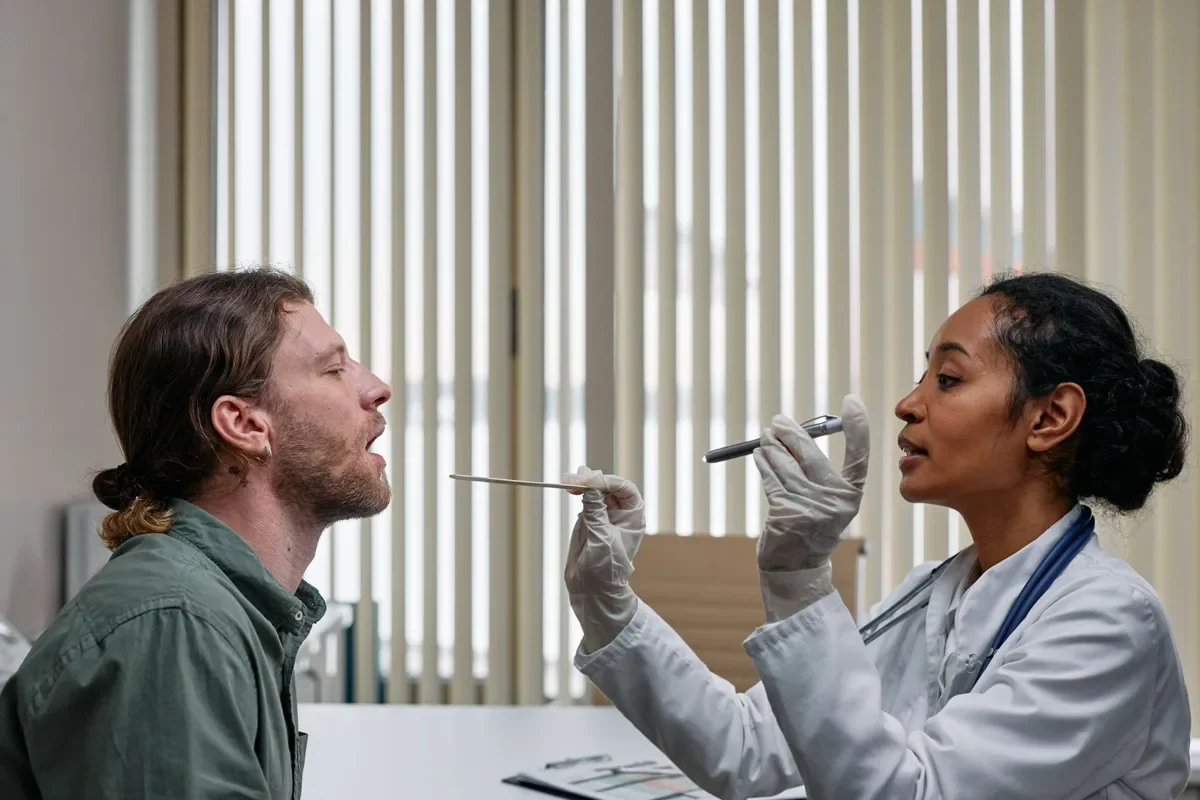
When a patient is considering a hair transplant, the clinician typically follows a structured evaluation.
Detailed history. The clinician asks about timing and pattern of hair loss, family history, prior treatments, medical conditions, medications, recent stressors, dietary habits, and styling practices.
Scalp examination. Includes inspection of the entire scalp under good light, sometimes with a dermatoscope (a magnifying skin viewer). The clinician looks at hair density, follicle health, and signs of scarring or inflammation.
Hair pull test. Gentle pulling on a small bundle of hairs estimates active shedding.
Photographs. Standardized photos of the front, top, sides, and back help assess pattern and track changes over time.
Donor area assessment. Density, hair caliber, and total available donor hair are estimated. This is critical because donor capacity determines what the surgeon can deliver.
Blood tests. May include thyroid function (TSH), iron studies (ferritin), vitamin D, complete blood count, and (in women) hormonal labs.
Scalp biopsy. Sometimes needed if scarring alopecia or unclear cause is suspected.
Trichoscopy. A magnified examination of follicular details to confirm pattern and screen for scarring.
This combination usually gives the team a clear diagnosis and a realistic plan.
Differential Diagnosis
Several conditions can mimic or coexist with androgenetic alopecia.
- Telogen effluvium
- Alopecia areata
- Scarring alopecias
- Traction alopecia
- Thyroid-related hair loss
- Iron deficiency
- Polycystic ovary syndrome
- Trichotillomania
The diagnostic workup helps separate these conditions and choose the right next step.
Medical Therapy Before or Alongside a Hair Transplant
For most patients with androgenetic alopecia, medical therapy is recommended before, alongside, or instead of a hair transplant.
Finasteride. An oral medication that blocks DHT. FDA-approved for male-pattern hair loss. May be used off-label in certain women.
Minoxidil. Available over the counter as a topical solution or foam. FDA-approved. Some patients use a low-dose oral form, prescribed off-label.
Low-level laser therapy (LLLT). FDA-cleared devices. Modest effect for some patients.
Platelet-rich plasma (PRP). An office-based injection. Mixed evidence; offered at some practices.
Hormonal therapy. For women, treatment of PCOS or hormonal imbalance may help.
Treating underlying causes. Iron, vitamin D, or thyroid issues should be addressed.
For most candidates, the dermatologist or surgeon recommends starting medical therapy first to slow native hair loss before transplant. Once stable, a transplant adds to existing hair density.
When to Consider a Hair Transplant
A hair transplant is generally considered when:
- Hair loss is bothersome and affects quality of life
- The pattern is stable (active progression has slowed or is being managed medically)
- Donor density is sufficient
- The diagnosis is androgenetic alopecia or another cause amenable to transplant
- Medical therapy alone is not enough
- The patient has realistic expectations
- The patient is in good general health
A hair transplant is generally NOT considered when:
- Hair loss is rapidly progressing
- The patient has very limited donor hair
- There is active scarring alopecia or alopecia areata
- The patient has unrealistic expectations
- The patient is too young (often under 25) and pattern is not yet stable
- There are uncontrolled medical conditions
The decision is shared between the patient and the surgeon based on a careful evaluation.
How the Decision Is Made
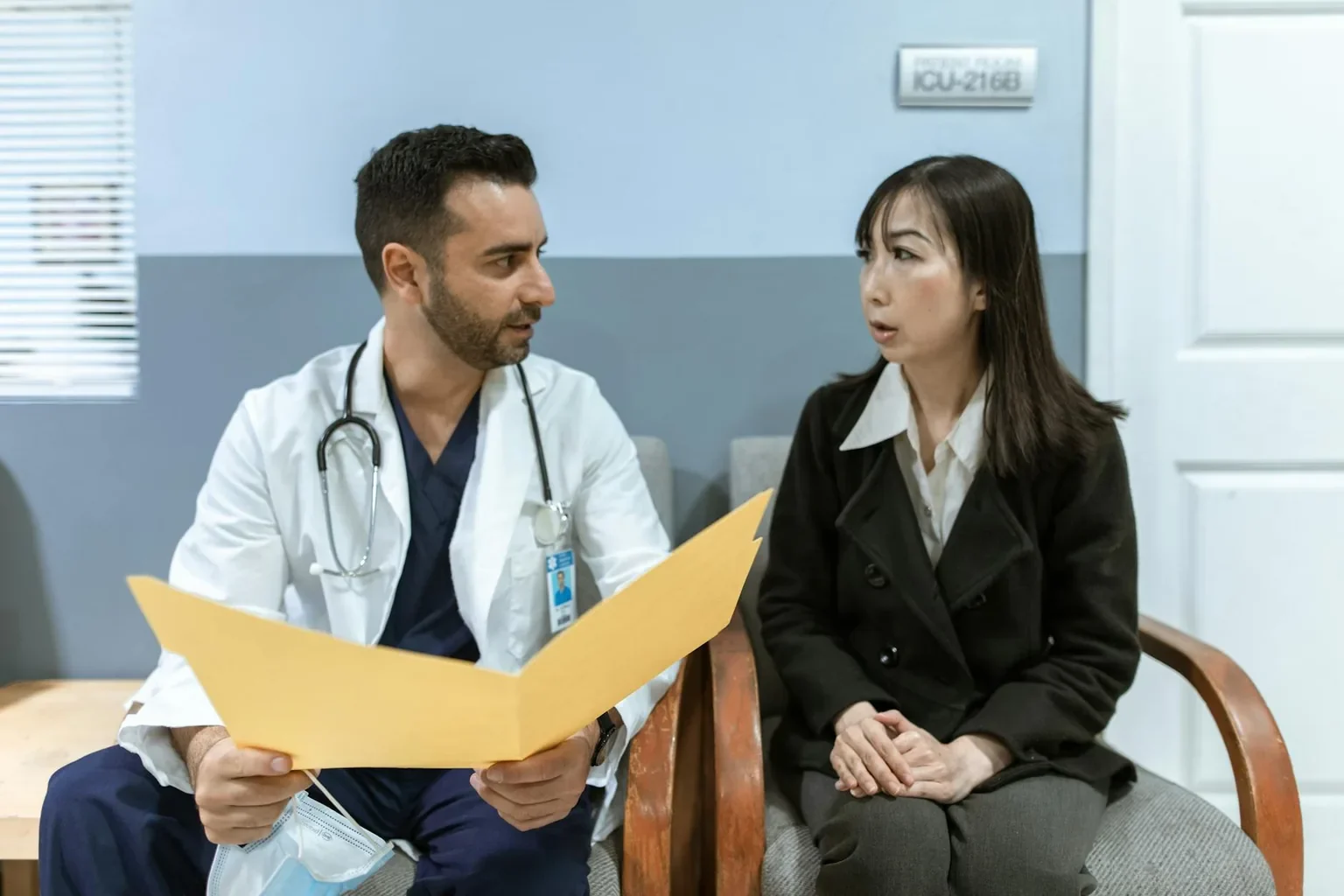
The choice depends on several factors:
Pattern and stability. Stable pattern is preferred. Rapid progression is generally treated medically first.
Donor capacity. The surgeon estimates how many grafts the donor area can safely yield over a lifetime.
Goals. A natural-looking hairline, increased crown density, or scar coverage each requires a different plan.
Patient expectations. Realistic conversations about coverage, density, and ongoing native hair loss are essential.
Health. General health, blood thinners, and conditions affecting healing are reviewed.
Surgeon experience. Hair transplant outcomes depend heavily on surgical skill and design.
For most patients, the conversation also covers medical therapy as a complement to surgery and the possibility of needing more than one session over time.
Pre-Operative Preparation
When a hair transplant is planned, the team typically prepares the patient:
- Detailed pre-operative photos for design and documentation
- Hairline and design plan drawn on the scalp
- Pre-operative blood tests if indicated
- Medication review, especially blood thinners
- Avoidance of alcohol for a few days before surgery
- Avoidance of vigorous exercise for 24 to 48 hours before
- Trim or close shave of donor area depending on technique
- Anti-anxiety medication offered to some patients
- Discussion of informed consent, risks, and recovery
The procedure itself, recovery, and home care are covered in detail in our procedure and recovery article.
Conditions That May Affect the Surgical Plan
Some coexisting conditions can change how a hair transplant is performed:
- Bleeding disorders or anticoagulant therapy. May require pausing certain medications.
- Heart, lung, or kidney disease. Anesthesia and medical clearance are reviewed.
- Diabetes. Healing is monitored more closely.
- Smoking. Strongly discouraged; smoking impairs healing.
- Skin conditions in the donor or recipient area. May need treatment first.
- Scarring alopecia or active autoimmune disease. May make transplant unsuitable.
The team accounts for these factors when planning the procedure.
What Happens After You Decide
Once a hair transplant is scheduled, the surgical team prepares the patient. The procedure itself, the recovery, and the home aftercare are covered in detail in our procedure and recovery article.
The conversation with your hair transplant surgeon is detailed but important. Key things to confirm: number of grafts, technique (FUE or FUT), hairline design, expected coverage, recovery timeline, and any ongoing medical therapy.
Continue Reading the Hair Transplant Cluster
- Hair Transplant: Overview, Types, and What to Expect
- Hair Transplant: Procedure, Recovery, and Rehabilitation
- Hair Transplant: FAQs, Statistics, and Patient Stories
Sources
- American Academy of Dermatology (AAD). Hair loss: causes and diagnosis. https://www.aad.org/public/diseases/hair-loss
- American Society of Plastic Surgeons (ASPS). Hair transplant candidacy. https://www.plasticsurgery.org/cosmetic-procedures/hair-transplant
- International Society of Hair Restoration Surgery (ISHRS). https://ishrs.org/
- National Institutes of Health (NIH) MedlinePlus. Hair loss. https://medlineplus.gov/hairloss.html
- Mayo Clinic. Hair loss: diagnosis and treatment. https://www.mayoclinic.org/diseases-conditions/hair-loss/diagnosis-treatment/drc-20372932
- Cleveland Clinic. Hair loss: causes. https://my.clevelandclinic.org/health/diseases/16921-hair-loss-in-women
Medical Disclaimer
The information in this article is for general education and is not a substitute for professional medical advice, diagnosis, or treatment. Always consult a qualified healthcare provider about hair loss or hair restoration options.