Medically reviewed for current US clinical guidance · Last reviewed: May 16, 2026
Medically reviewed by the Know Your Surgery Editorial Team. Last reviewed: May 2026.
Frequently Asked Questions (FAQs)
Q1. What Is Cardiac Ablation?
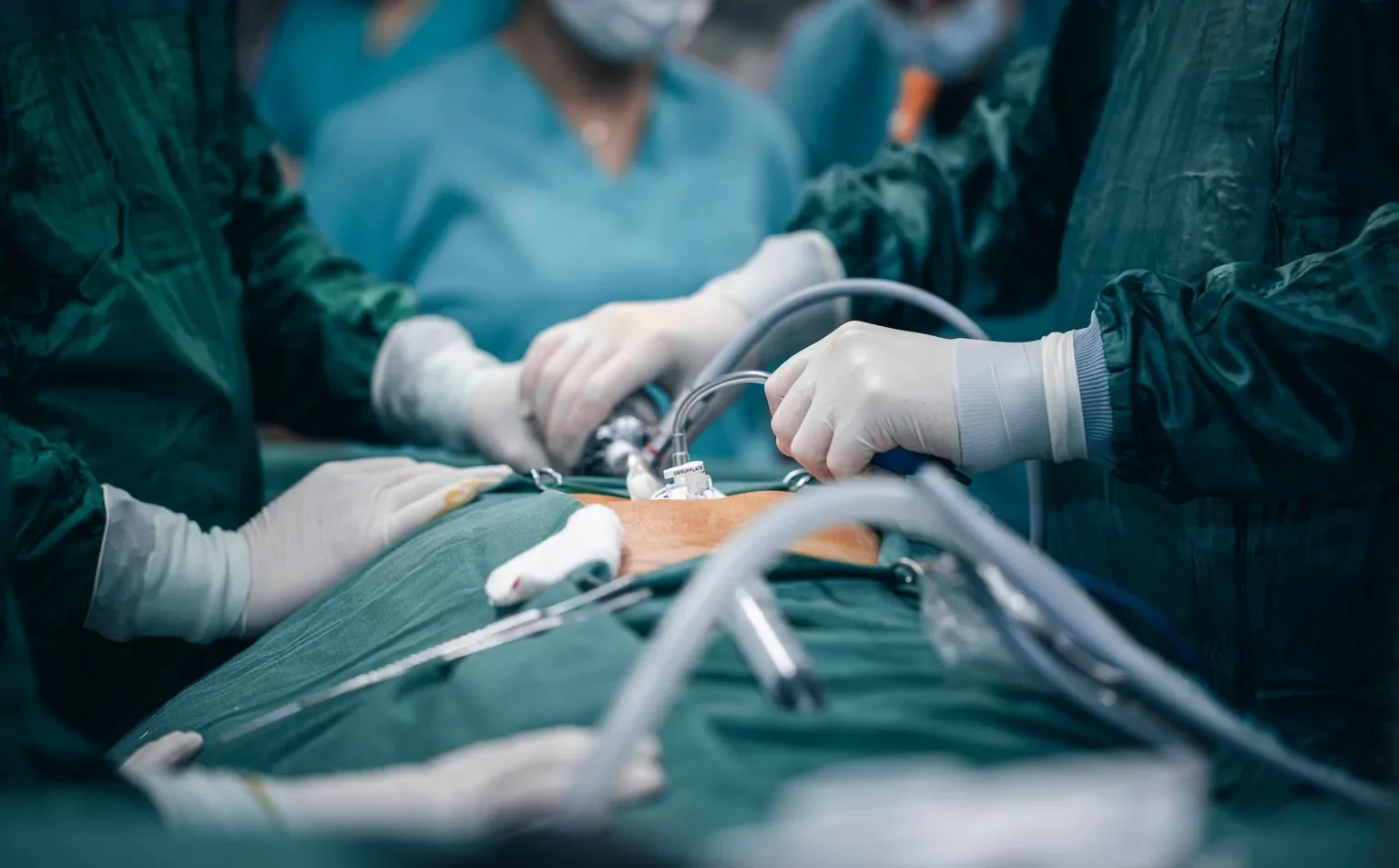
Cardiac ablation is a surgical intervention concentrating exclusively on the elimination of cardiac arrhythmias (irregular heartbeats). Furthermore, it involves a carefully planned process where the specific tissue causing the irregular rhythm is removed or destroyed. This effectively improves the heart’s rhythm, relieving patients and allowing them to return to normal activities.
Q2. Who Needs It?
Cardiac ablation might be necessary for people who:
- The worst case scenario of fatigue, dizziness, or heart palpitations that are so severe that they make it difficult for people to perform their daily activities and their life quality significantly decreases.
- They have been on various medications for arrhythmia management but some of them are not effective or have some bad side effects like sleepiness or headaches.
Q3. Is Cardiac Ablation Painful?
Doctors usually sedate patients or administer general anesthesia during a procedure to achieve painlessness. Sometimes the site where the catheter is placed may be a little bit tender or sore, but it is usually just mild and can be easily handled by pain medications.
Q4. How Long Does Cardiac Ablation Take?
The procedure may last between two and four hours, for more or less complex arrhythmias, and other factors may influence the procedure as well. During the recovery phase, the hospital may extend your stay overnight for observation purposes.
Q5. How Should One Prepare for Arrhythmias Treatment?
Preparation for cardiac ablation typically involves:
- To ensure that your heart is healthy enough to handle the procedure, you will go through a pre-procedural test, this includes blood tests, ECG, or MRI studies.
- Explain the medications you are taking and discuss any that might need to be changed or discontinued before the procedure.
Your medical staff will offer specific instructions for your particular case.
Q6. What Are the Risks of Cardiac Ablation?
However, it should be noted that this treatment is not completely safe. Some of the risks associated with cardiac ablation include bleeding, infection, vascular damage, or injury to the structures around the heart. Your healthcare provider will explain to you these risks before the operation.
Q7. What Is Follow-Up Care Like After Cardiac Ablation?
Doctors should monitor post-procedure to ensure the normal healing process and evaluate the effectiveness of the ablation. This often includes:
- Short-term monitoring with an overnight stay in the hospital for proper observation.
- Schedule follow-up appointments with your cardiologist to report any symptoms and discuss the possibility of additional necessary tests.
- Attitude adjustment and probably another drug to help me keep my heart in a good condition and to prevent the occurrence of future arrhythmia.
Q8. What Will My Daily Life After Cardiac Ablation Be Like?
Patients have often shared with clinicians a remarkable improvement in their quality of life post-ablation. Consequently, they report a significant reduction in symptoms and a more noteworthy ability to be physically active without the fear of triggering arrhythmias. At the same time, we can anticipate that full recovery may be a long process. For a while, you can take some measures such as staying away from strenuous exercise or heavy lifting for a month or so. By the end of the day, most of these patients will recover with a renewed sense of confidence in their cardiac rhythm functions.
Authoritative sources: Mayo Clinic: Cardiac Ablation; Cleveland Clinic: Cardiac Ablation; NIH MedlinePlus: Arrhythmia.
Cardiac Ablation Statistics in the United States
- Annual volume: The Heart Rhythm Society (HRS) and ACC report that catheter ablation is one of the fastest-growing cardiac procedures in the US, with hundreds of thousands of ablations performed annually across all arrhythmia indications.
- Atrial fibrillation: AF ablation has grown substantially over the past decade as evidence supporting its use has accumulated, especially in symptomatic patients with paroxysmal AF.
- Success rates: Single-procedure freedom from atrial fibrillation at one year is approximately 60-80 percent for paroxysmal AF and 50-70 percent for persistent AF. A second procedure may improve outcomes.
- Other arrhythmias: Ablation success rates exceed 90 percent for typical atrial flutter, AVNRT (AV nodal reentrant tachycardia), and accessory pathway arrhythmias such as Wolff-Parkinson-White.
- Complications: Major complications occur in approximately 1-3 percent of cases and include cardiac tamponade, vascular access bleeding, stroke, atrioesophageal fistula (rare but serious), and pulmonary vein stenosis.
- Long-term benefit: Multiple randomized trials show that AF ablation reduces symptoms, AF burden, and (in select populations) hospitalization compared with antiarrhythmic drug therapy.
Patient Scenarios
These are illustrative educational scenarios and not real patients.
Karen, age 56, paroxysmal atrial fibrillation
Karen had episodic palpitations and shortness of breath. Wearable monitoring captured paroxysmal atrial fibrillation. She trialed flecainide for six months but had recurrent symptomatic episodes. She underwent pulmonary vein isolation. At one year she remains in sinus rhythm and is off antiarrhythmic medication.
Tom, age 34, AVNRT
Tom presented with sudden episodes of regular fast heart rate (180 beats per minute) since his teens. Electrophysiology study confirmed AV nodal reentrant tachycardia. A single ablation eliminated the arrhythmia, with near 100 percent success rates reported for AVNRT ablation. He has had no recurrence at three years.
Linda, age 68, persistent atrial fibrillation
Linda had persistent atrial fibrillation despite amiodarone, with symptoms of fatigue and reduced exercise tolerance. After multidisciplinary discussion she underwent catheter ablation. She required a second procedure six months later for recurrence; since then she has remained in sinus rhythm and discontinued amiodarone.
Frequently Asked Questions About Cardiac Ablation
What conditions are treated with cardiac ablation?
The most common indications are atrial fibrillation, atrial flutter, AV nodal reentrant tachycardia (AVNRT), Wolff-Parkinson-White syndrome, and certain ventricular arrhythmias. Ablation is also used for inappropriate sinus tachycardia and atrial tachycardia in select cases.
Is cardiac ablation painful?
Most procedures are performed under sedation or general anesthesia, so patients do not experience pain during the ablation. Some catheter manipulation may be felt as fluttering or pressure if sedation is light. Mild groin soreness from the access site is common for a few days afterward.
How long does the procedure take?
Most catheter ablations take 2-4 hours. Atrial fibrillation ablations typically take longer than simpler ablations such as AVNRT or accessory pathway ablation.
What is the success rate?
Success rates vary by arrhythmia. Single-procedure success is approximately 60-80 percent for paroxysmal AF and 50-70 percent for persistent AF; over 90 percent for typical atrial flutter, AVNRT, and accessory pathways.
Will I need to stay overnight in the hospital?
Most patients stay one night for observation and are discharged the next morning. Some centers perform same-day discharge for select patients.
What complications can occur?
Major complications occur in approximately 1-3 percent of cases. These include vascular access bleeding, cardiac tamponade, stroke, pulmonary vein stenosis, and atrioesophageal fistula (rare). The risk depends on the specific arrhythmia, operator experience, and patient factors.
Will I still need anticoagulation after AF ablation?
Yes, at least for 2-3 months after the procedure. Long-term anticoagulation is determined by stroke risk (CHA2DS2-VASc score), not by whether the patient remains in sinus rhythm after ablation.
Can atrial fibrillation come back after ablation?
Yes. Recurrence is most common in the first year. Some patients require a second procedure to achieve durable rhythm control. Lifestyle modification (weight loss, exercise, alcohol reduction, sleep apnea treatment) significantly improves long-term success.
References
- NHLBI: Arrhythmia. https://www.nhlbi.nih.gov/health/arrhythmias
- AHA: Arrhythmia. https://www.heart.org/en/health-topics/arrhythmia
- AHA: Atrial Fibrillation. https://www.heart.org/en/health-topics/atrial-fibrillation
- Mayo Clinic: Heart Arrhythmia. https://www.mayoclinic.org/diseases-conditions/heart-arrhythmia/symptoms-causes/syc-20350668
- Mayo Clinic: Atrial Fibrillation. https://www.mayoclinic.org/diseases-conditions/atrial-fibrillation/symptoms-causes/syc-20350624
- Mayo Clinic: Cardiac Ablation. https://www.mayoclinic.org/tests-procedures/cardiac-ablation/about/pac-20384993
- Cleveland Clinic: Arrhythmia. https://my.clevelandclinic.org/health/diseases/16749-arrhythmia
- Cleveland Clinic: Atrial Fibrillation. https://my.clevelandclinic.org/health/diseases/16765-atrial-fibrillation-afib
- Cleveland Clinic: Cardiac Ablation. https://my.clevelandclinic.org/health/treatments/16851-cardiac-ablation-procedures
- NIH MedlinePlus: Arrhythmia. https://medlineplus.gov/arrhythmia.html
- Medscape: Catheter Ablation. https://emedicine.medscape.com/article/1829778-overview
- HRS: Heart Rhythm Society. https://www.hrsonline.org/
- AHA: Ablation for Arrhythmia. https://www.heart.org/en/health-topics/arrhythmia/prevention–treatment-of-arrhythmia/ablation-for-arrhythmias
- ACC: Cardiac Electrophysiology. https://www.acc.org/clinical-topics/arrhythmias-and-clinical-ep