Gallstones and gallbladder disease are among the most common digestive health conditions in the United States, affecting an estimated 20 to 25 million American adults. Many people have gallstones without knowing it, while others develop painful episodes that lead to surgical removal of the gallbladder (cholecystectomy). This article explains what gallstones and gallbladder disease are, the main types, who tends to develop them, and the symptoms that should prompt medical evaluation.
For the causes, risk factors, and diagnostic process, see our causes and diagnosis article. For treatment, prevention, and management, see our treatment article. For US-specific statistics, costs, and answers to common patient questions, see our FAQ article. When surgery is the right next step, our cholecystectomy cluster covers the procedure in detail.
Significance and Prevalence of Gallstones in the United States
Gallstones are one of the most common gastrointestinal conditions in US adults. According to the National Institute of Diabetes and Digestive and Kidney Diseases (NIDDK), gallstones affect approximately 20 to 25 million Americans, with women and adults over 40 most commonly affected. Each year, roughly 600,000 to 700,000 cholecystectomies (gallbladder removal surgeries) are performed in the United States, making it one of the most frequently performed general surgery procedures.
Most people with gallstones never develop symptoms (so-called “silent” gallstones) and do not need treatment. However, symptomatic gallstones can cause significant pain and complications, including acute cholecystitis (inflammation), pancreatitis, or bile duct obstruction. When symptoms occur, surgical removal of the gallbladder is the most common and definitive treatment.
What Are Gallstones?
Gallstones are hardened deposits that form inside the gallbladder, a small pear-shaped organ tucked under the liver in the upper right abdomen. The gallbladder stores and releases bile (a digestive fluid made by the liver) into the small intestine to help digest fats.
Gallstones form when bile contains too much cholesterol, too much bilirubin, or not enough bile salts. Over time, these substances can crystallize and harden into stones that range from grain-of-sand-sized to as large as a golf ball. People can have one stone or many.
Gallbladder disease is the broader term for conditions affecting the gallbladder, which include:
- Gallstones (cholelithiasis)
- Gallbladder inflammation (cholecystitis)
- Gallbladder dysfunction without stones (biliary dyskinesia)
- Gallbladder polyps
- Gallbladder cancer (uncommon)
- Bile duct stones (choledocholithiasis)
How the Gallbladder Works
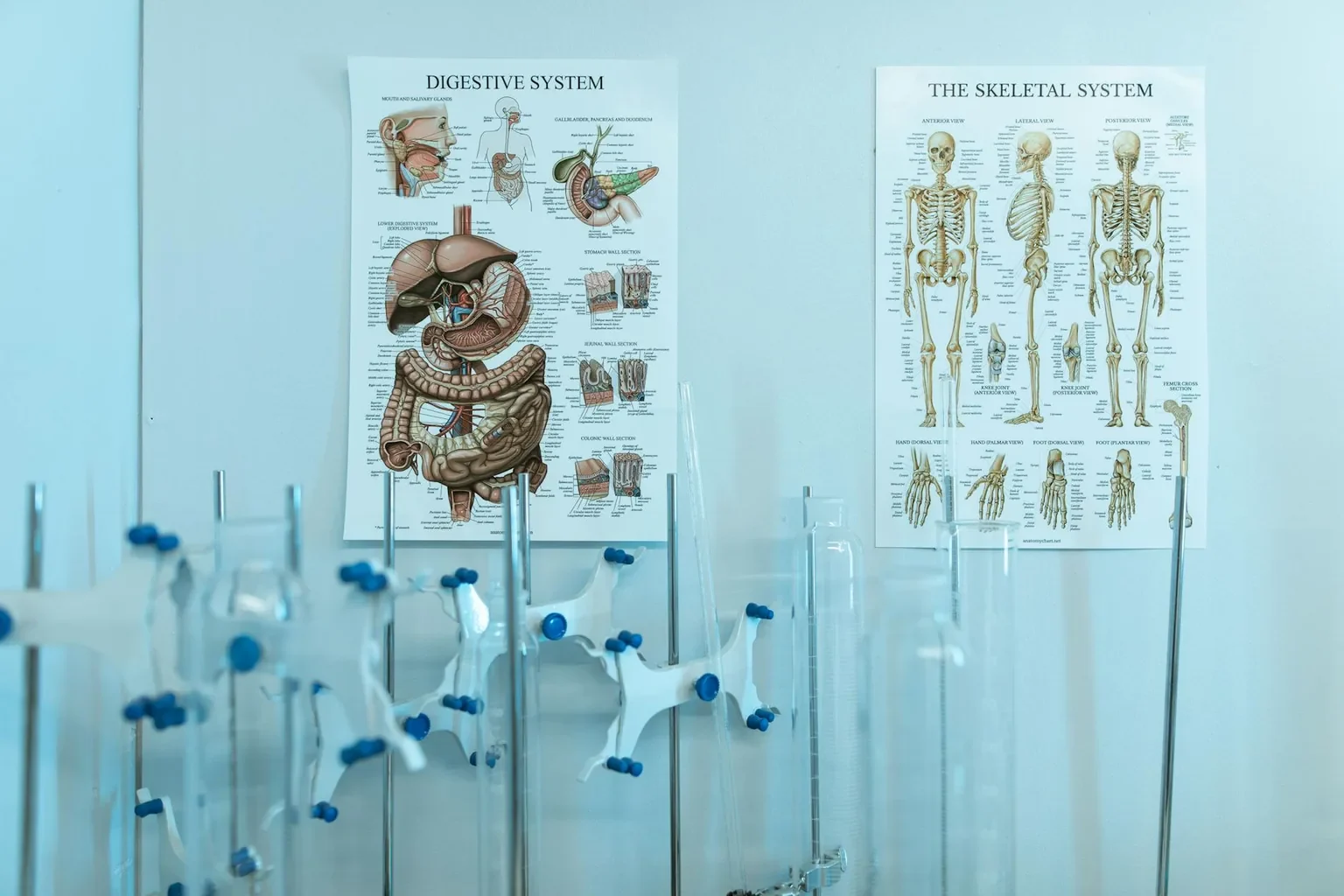
The gallbladder is a non-essential organ that stores bile between meals. When you eat a fatty meal, the gallbladder contracts and releases bile through the cystic duct into the common bile duct, then into the small intestine where it helps emulsify and absorb dietary fats and fat-soluble vitamins.
When gallstones form, they can:
- Block the cystic duct (causing biliary colic, the classic gallstone pain)
- Trigger inflammation of the gallbladder (cholecystitis)
- Move into the common bile duct and block bile flow (jaundice, infection)
- Pass into the pancreatic duct and trigger pancreatitis
- Cause chronic gallbladder dysfunction
Removal of the gallbladder does not interfere with normal digestion for most patients because the liver continues to produce bile.
Main Types of Gallstones
There are two main types of gallstones in US patients, plus several related conditions.
Cholesterol gallstones. The most common type in the United States, accounting for approximately 80 percent of gallstones. These form when bile contains more cholesterol than bile salts and lecithin can dissolve. Risk factors include obesity, rapid weight loss, female sex, pregnancy, certain medications, and family history. Cholesterol stones are usually yellow-green.
Pigment gallstones. Smaller, darker stones formed from bilirubin (a breakdown product of red blood cells). More common in patients with chronic blood disorders (hemolytic anemia, sickle cell disease), cirrhosis, and certain biliary infections. Pigment stones are often brown or black.
Mixed gallstones. Combine cholesterol and pigment components.
Related conditions that fall under gallbladder disease:
Biliary sludge. Thick, granular bile that can precede the formation of gallstones. Often produces similar symptoms.
Acalculous cholecystitis. Gallbladder inflammation without visible stones, often seen in seriously ill, hospitalized, or critically ill patients.
Gallbladder polyps. Growths in the gallbladder wall. Most are benign, but larger polyps (over 1 cm) may need surgical evaluation due to cancer risk.
Gallbladder dyskinesia (biliary dyskinesia). Gallbladder dysfunction without stones, diagnosed with a HIDA scan showing reduced ejection fraction.
Choledocholithiasis (common bile duct stones). Gallstones that have migrated out of the gallbladder and lodged in the common bile duct. Often need endoscopic removal (ERCP).
Common Symptoms of Gallbladder Disease
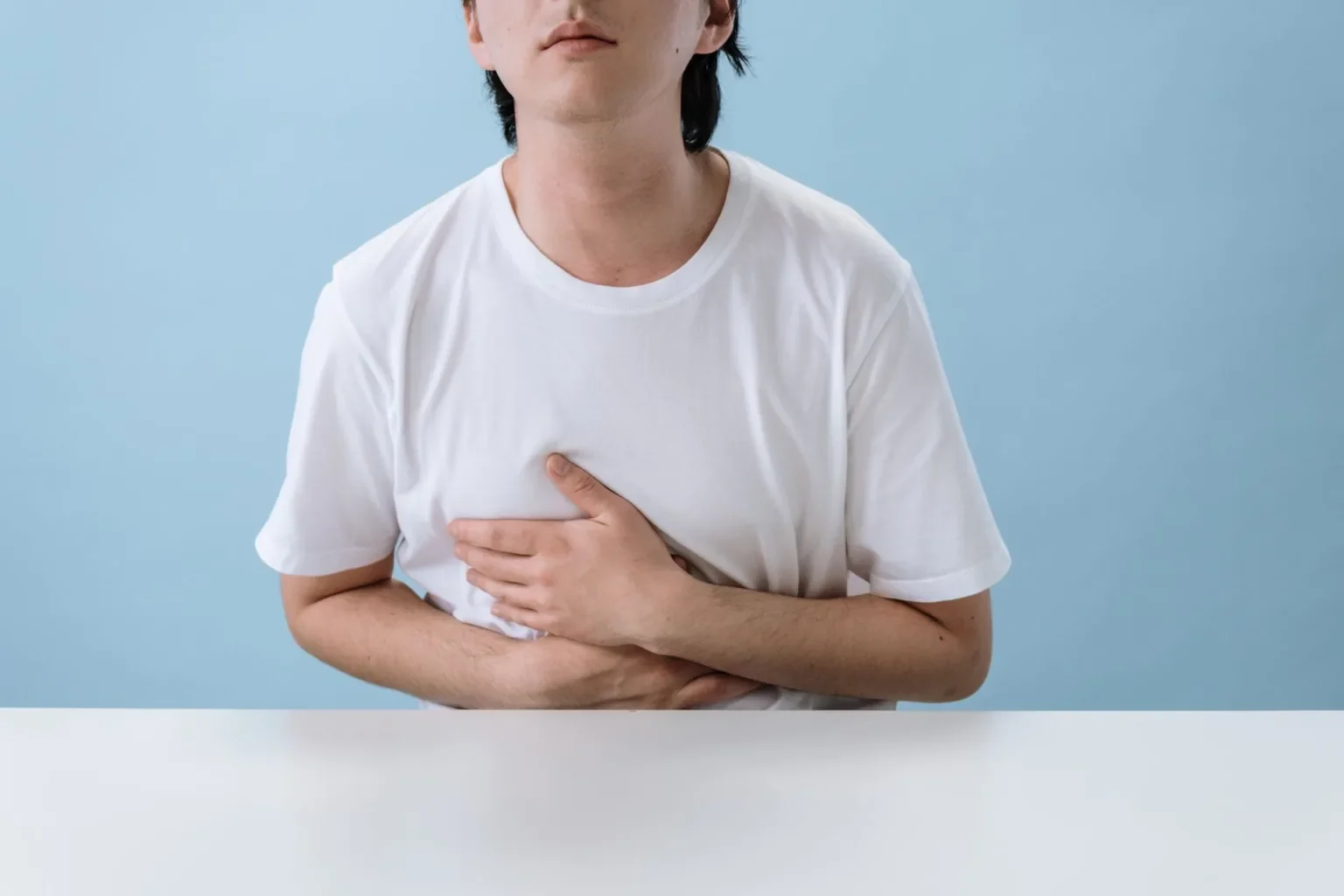
Many people with gallstones never develop symptoms. When symptoms do occur, the classic pattern is sudden, sharp pain in the upper right or upper middle abdomen.
Biliary colic (gallstone attack). A sudden, intense, gripping or cramping pain in the upper right or upper middle abdomen, often lasting 30 minutes to several hours. Pain can radiate to the right shoulder or upper back. Often triggered by fatty meals. Frequently occurs at night.
Acute cholecystitis (gallbladder inflammation). Persistent right upper abdominal pain, often with fever, chills, nausea, vomiting, and tenderness when pressing on the upper right abdomen. Pain typically lasts more than several hours and does not improve.
Other common symptoms:
- Nausea and vomiting
- Bloating or feeling full after eating
- Indigestion, especially after fatty meals
- Sweating and restlessness during pain attacks
- Belching or gas
- Pain in the right shoulder blade area
- Pale-colored stools
- Dark urine
Concerning symptoms that warrant urgent evaluation:
- Jaundice (yellowing of the skin or whites of the eyes)
- High fever and chills with abdominal pain
- Pain that does not improve over hours
- Severe vomiting that prevents drinking fluids
- Confusion
These can indicate bile duct obstruction, infection (cholangitis), gallstone pancreatitis, or other complications that need urgent care.
Who Tends to Develop Gallstones?
Several factors increase the likelihood of developing gallstones. The classic “5 F’s” mnemonic captures the most common risk factors in US adults:
- Female (women are about twice as likely as men)
- Forty (risk rises after age 40)
- Fertile (pregnancy and multiple pregnancies increase risk)
- Fat (obesity and high BMI)
- Family (family history of gallstones)
Other significant US-population risk factors include:
- Rapid weight loss (including after bariatric surgery)
- Diabetes
- Certain medications (oral contraceptives, hormone therapy, ceftriaxone, octreotide)
- High-fat / low-fiber diet
- Sedentary lifestyle
- Crohn’s disease and other digestive conditions
- Liver disease (cirrhosis)
- Certain ethnic backgrounds (higher rates in Hispanic and Native American populations)
- Sickle cell disease and other hemolytic conditions (for pigment stones)
The detailed risk factors and diagnostic process are covered in our causes and diagnosis article.
Early Warning Signs Worth Evaluating
Most US adults with gallstones never develop symptoms. But these patterns are worth a visit to your primary care doctor or a gastroenterologist:
- Recurring sharp pain in the upper right abdomen
- Pain after fatty meals that lasts longer than indigestion
- Nausea or vomiting with abdominal pain
- Pain that radiates to the right shoulder or back
- Episodes of bloating, gas, or indigestion that worsen over time
- Family history of gallstones with new digestive symptoms
If you experience sudden severe abdominal pain, high fever, persistent vomiting, or yellowing of skin or eyes, seek urgent medical care.
Your Gallbladder Disease Journey at a Glance
While every patient’s path differs, the typical US gallbladder disease journey follows a familiar pattern.
It usually begins with episodes of upper right abdominal pain after meals, or sometimes with sudden severe pain that prompts an emergency room visit. A primary care doctor or ER physician orders an abdominal ultrasound, the standard first-line test for gallbladder disease in the US. Blood tests help identify infection, bile duct obstruction, or pancreatitis. If gallstones or gallbladder inflammation is confirmed, the patient is typically referred to a general surgeon for evaluation.
If symptoms are recurrent or complications develop, the surgeon usually recommends laparoscopic cholecystectomy (gallbladder removal surgery). Asymptomatic stones found incidentally are usually watched. Some patients with mild or infrequent symptoms try dietary changes first.
Once surgery is scheduled, the procedure is typically performed laparoscopically as outpatient or short-stay surgery. Recovery is usually rapid, with most patients returning to office work in 3 to 7 days and full activities in 2 to 4 weeks. Long-term outcomes are excellent. The detailed surgical procedure and recovery are covered in our cholecystectomy cluster.
Frequently Asked Questions
Can I have gallstones without knowing?
Yes. Most people with gallstones (often called “silent” gallstones) never have symptoms and may not need treatment. Stones are often found incidentally on imaging done for other reasons.
Do all gallstones need to be removed?
No. Asymptomatic gallstones generally do not need treatment. Surgery is typically reserved for stones causing pain, recurrent attacks, or complications. Certain at-risk groups (sickle cell disease, transplant candidates, planned bariatric surgery) may be exceptions.
Can gallstones go away on their own?
Rarely. Once formed, gallstones rarely dissolve on their own. Bile acid medications can dissolve small cholesterol stones in select cases but take months to years and the stones often return. Surgical removal of the gallbladder is the definitive treatment.
Continue Reading the Gallstones Cluster
- Gallstones: Causes, Risk Factors, and Diagnosis
- Gallstones: Treatment, Prevention, and Management
- Gallstones: FAQs, Statistics, and Patient Stories
- Cholecystectomy: Overview, Types, and What to Expect
Sources
- National Institute of Diabetes and Digestive and Kidney Diseases (NIDDK). Gallstones. https://www.niddk.nih.gov/health-information/digestive-diseases/gallstones
- American College of Surgeons (ACS). Gallbladder disease and surgery. https://www.facs.org/
- American Society for Gastrointestinal Endoscopy (ASGE). Gallstones. https://www.asge.org/
- American Gastroenterological Association (AGA). Patient resources. https://www.gastro.org/
- Mayo Clinic. Gallstones: symptoms and causes. https://www.mayoclinic.org/diseases-conditions/gallstones/symptoms-causes/syc-20354214
- Cleveland Clinic. Gallstones. https://my.clevelandclinic.org/health/diseases/7313-gallstones
- Johns Hopkins Medicine. Gallbladder and biliary disease. https://www.hopkinsmedicine.org/health/conditions-and-diseases/gallbladder-disease
- NIH MedlinePlus. Gallstones. https://medlineplus.gov/gallstones.html
Medical Disclaimer
The information in this article is for general education and is not a substitute for professional medical advice, diagnosis, or treatment. Always consult a qualified medical professional with questions about gallbladder disease, symptoms, or treatment. Seek urgent care for severe abdominal pain, high fever, persistent vomiting, or jaundice.