Medically reviewed for current US clinical guidance · Last reviewed: July 8, 2026
Medically reviewed by the Know Your Surgery Editorial Team. Last reviewed: May 2026.
Treatment Options for Carotid Artery Disease
Doctors assessing Carotid artery disease have discovered various treatment and management options tailored to the patient’s current health status. Here are the principal treatment alternatives:
Medications
Medications are crucial in coping with carotid artery sickness, particularly in its early degrees. They assist in controlling the risk factors that contribute to the ailment:
1. Antiplatelet Drugs
For instance, doctors administer aspirin or clopidogrel to prevent clot formation and blockage of veins and arteries. These clots from arteriosclerosis block the blood way through the arterially and lead to stroke. These medicines reduce the stickiness of platelets, a form of blood cells, from clumping together to form clot.
2. Statins
These capsules also assist reduce cholesterol in blood which possibly slows down the formation of hard and thickened materials called plaque on the artery walls. Statins work by lowering the amount of LDL or the bad cholesterol that is present in the bloodstream which in turn, prevents more plaque formation and also stops current plaques from growing.
3. Blood Pressure Medications
Do this in a controlled manner to exert as little pressure on the arteries as possible, thereby preventing further buildup of plaque. They include ACE inhibitors which reduces blood pressure by widening the blood vessels, beta-blockers that help by slowing down the rate of heartbeat, diuretics which helps the body to reduce on high amount of salt and water.
4. Diabetes Medications
It is important not to let blood sugar levels increase or drop significantly as it affects diabetics. High levels of blood sugars are expected to affect not only the blood vessels but also the carotid arteries. Diagonal or insulin as the regular medicines which are distinctly effective in controlling diabetes through moderation within blood sugar.
Authoritative sources: SVS: Society for Vascular Surgery; ACC: Carotid Disease; Mayo Clinic: Carotid Endarterectomy.
Carotid Endarterectomy
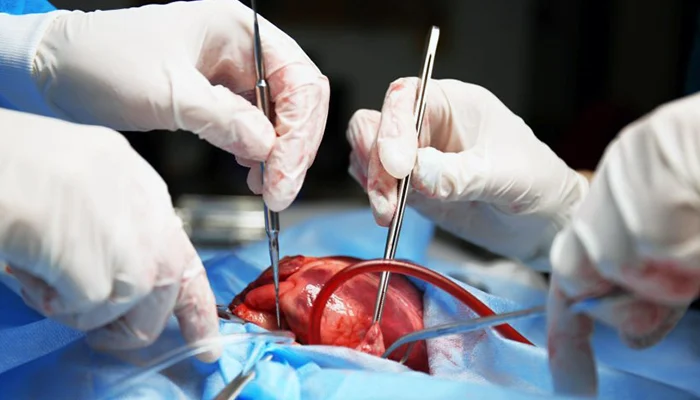
Surgeons carry out carotid endarterectomy to successfully remove blockages in patients showing signs of carotid stenosis; a condition where both the carotid arteries narrow themselves. In carotid endarterectomy, the surgeon briefly operates by making an incision in the neck. They remove the built-up plaque inside the carotid artery and then sew the artery shut. This procedure effectively corrects impaired blood flow in the brain. It can also prevent subsequent cases of stroke. Doctors often recommend this procedure to patients with severe stenosis (narrowing) or a history of symptoms like TIA or minor stroke. It helps alleviate the risk of further complications.
Authoritative sources: Mayo Clinic: Carotid Endarterectomy; Cleveland Clinic: Carotid Endarterectomy; Medscape: Carotid Endarterectomy.
Carotid Artery Stenting
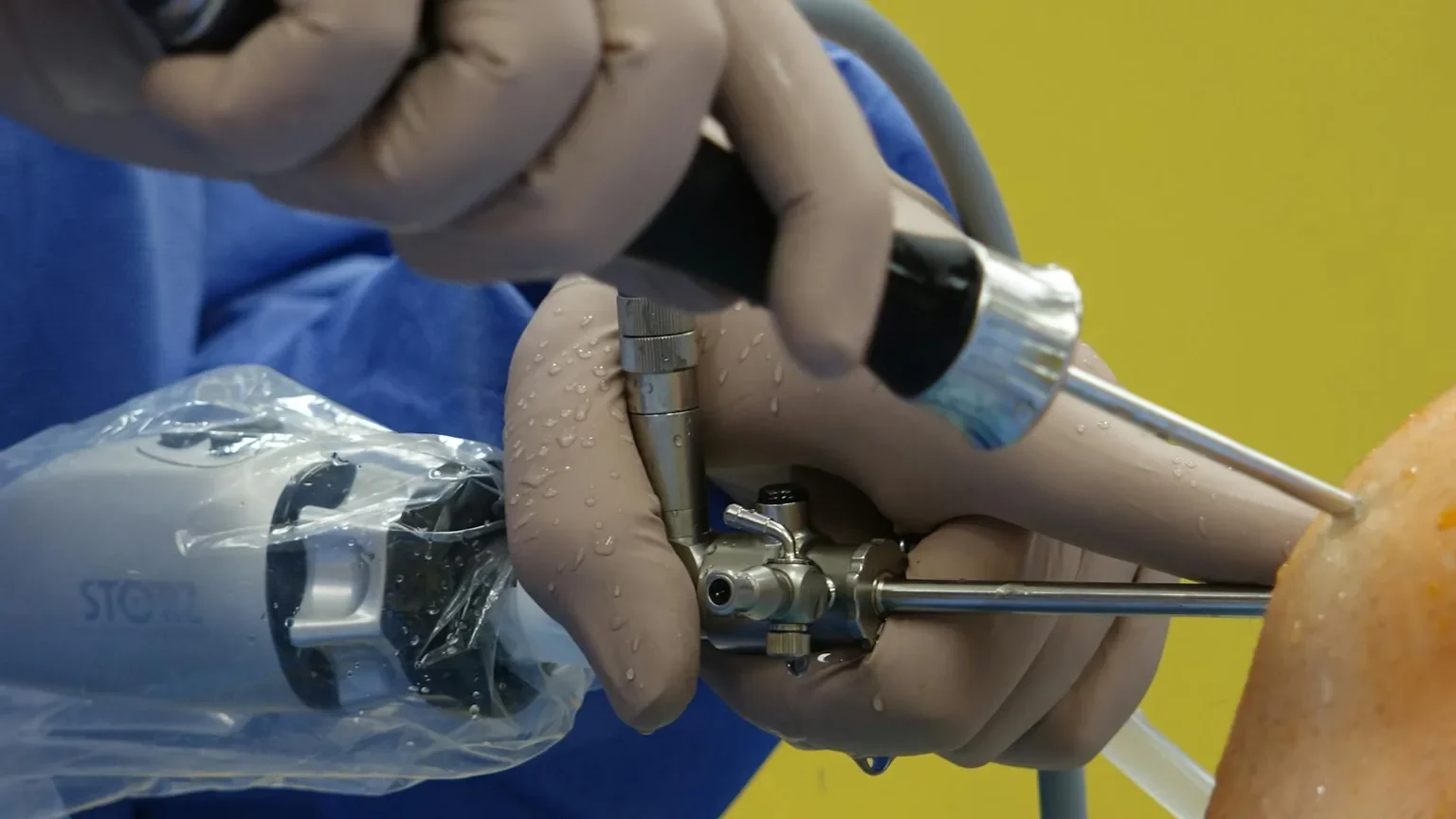
Another least invasive surgical intervention used instead of CE is the carotid artery stenting. Doctors install a thin pipe called a stent in the narrowed region of the carotid artery during the procedure. This helps to maintain the artery as open as possible. Doctors use a small tube called a catheter to direct the stent to the affected part of the body. They perform this procedure on patients who are not fit for conventional surgery due to complicating factors such as pre-existing medical conditions. Regional anesthesia can be used, which is associated with a shorter hospital stay compared to carotid endarterectomy.
Authoritative sources: FDA: Cardiovascular Devices; SVS: Society for Vascular Surgery; Medscape: Carotid Endarterectomy.
Preventive Measures for Carotid Artery Disease
The correct measures aim to change habits that lead to the development of Carotid Artery Disease. They also aim to prevent its progression.
1. Regular Health Screenings
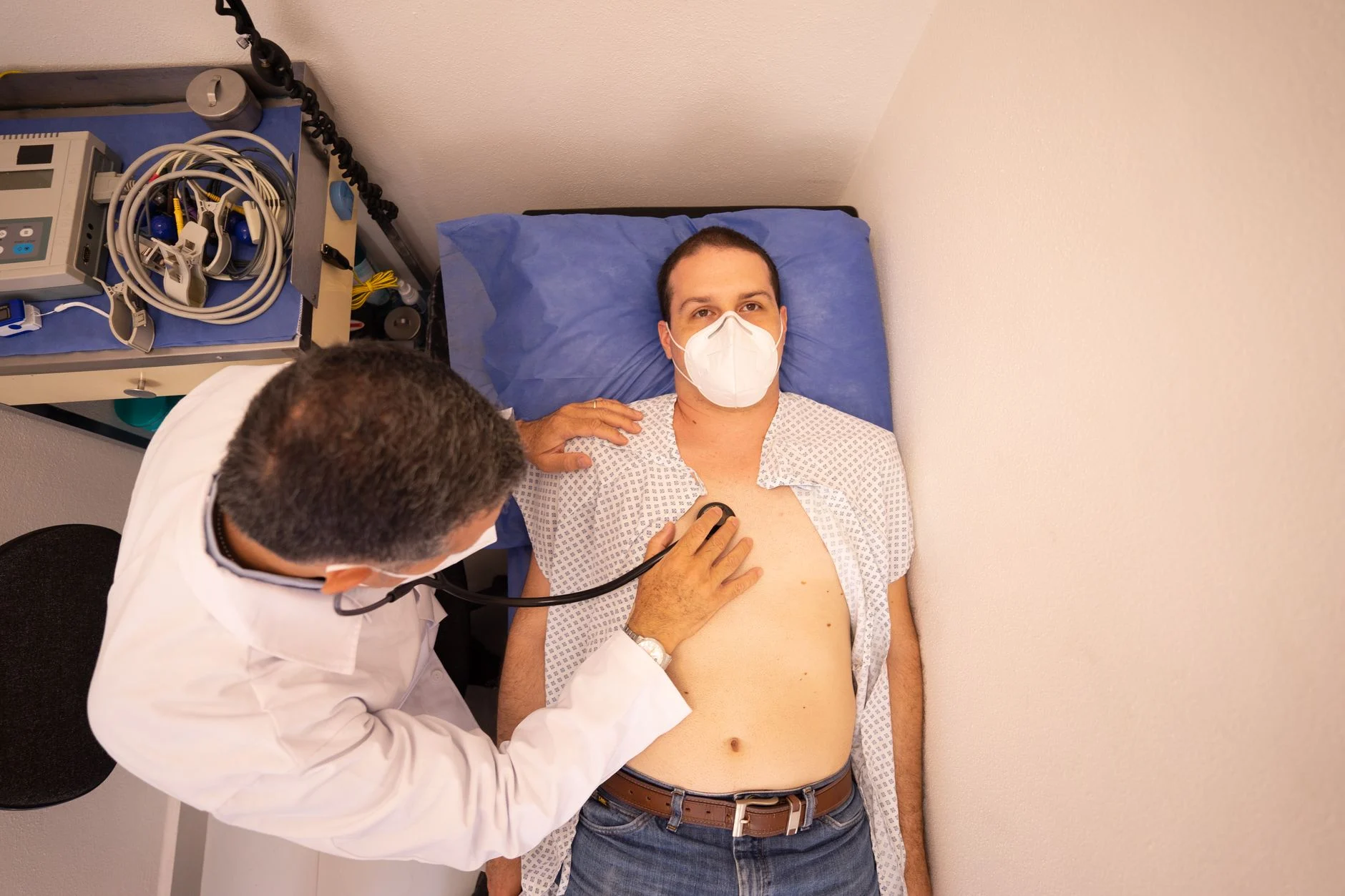
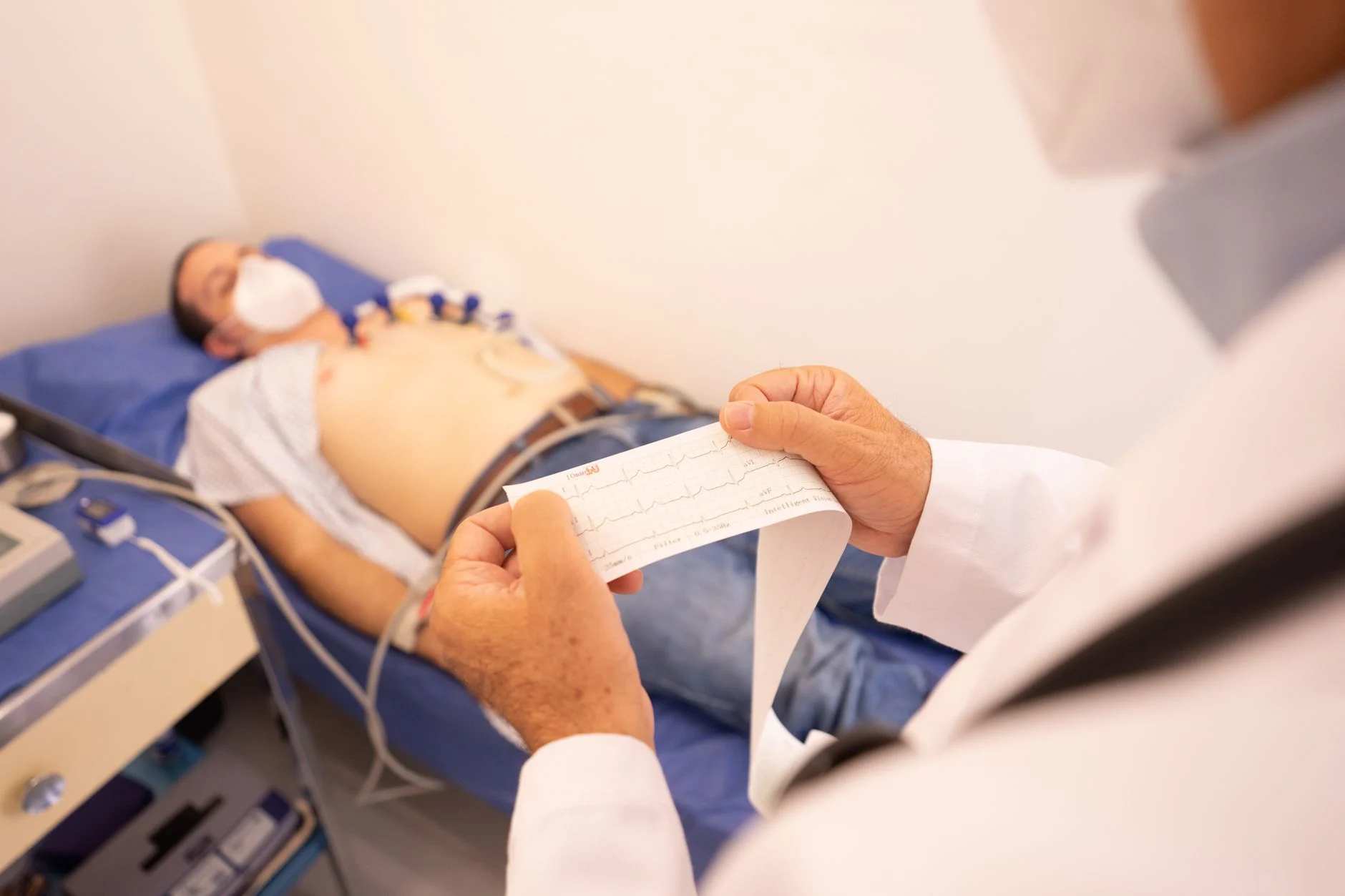
Frequent health check-ups help diagnose risk factors like high blood pressure, high cholesterol, or diabetes early. Early detection through screening allows for effective treatment measures, reducing the chances of developing carotid artery disease. Visit your doctor periodically for examinations to maintain cardiovascular health and adjust medications as necessary. These screenings are also important for evaluating the need for interventions like carotid endarterectomy.
2. Manage Chronic Conditions
A person may have hypertension, diabetes, high cholesterol, or any other ailment that requires regular monitoring and adherence to health standards. It is therefore necessary to abide with the doctor’s prescription when in matters concerning medication and use the appropriate management of these diseases so that they turn out to be manageable by merely adopting change in ones lifestyle as recommended by the doctor. Those with chronic conditions should seek appointments with their healthcare providers regularly. Adhering to these appointments helps avoid possible complications. It also significantly reduces the likelihood of developing carotid artery disease.
3. Follow a Healthy Diet
Maintaining a proper diet that benefits the heart is key to managing carotid artery disease over the long term. Follow this diet consistently for effective care. When planning your diet, include fruits, vegetables, whole grain products, and lean meats. These foods are important for a balanced dieting program. Remove all forms of junk foods and other sources of sweets from your child and offer him better alternatives. Consider consulting a dietitian for advice on creating a meal plan that suits your needs. They can help address any dietary issues you may have.
4. Stay Active
You can achieve this by simply adopting more active modes of transportation, such as walking instead of driving, if feasible. Engage in daily exercise activities such as walking, swimming, or dancing. Find hobbies that interest you and incorporate them into your routine. Get at least 30 minutes of moderate physical activity for at least five days a week. Consider taking breaks on the other two days. Moderate exercise and other physical activities allows people to control their weight and reduce hypertension and boost their liveliness.
5. Avoid Tobacco Products
A healthy lifestyle consisting of refraining from tobacco use is the best way of preventing carotid artery disease. Moreover, smoking is prohibited to everyone, and it is recommended that if you do not smoke, you should not begin. To change this habit it is much better to consult a specialist who would help to quit smoking. You can quit smoking with options like nicotine gum, patches, prescription drugs from manufacturers, and support organizations. Quitting decreases your chances of developing carotid artery disease. It may also reduce your need for carotid endarterectomy.
Authoritative sources: CDC: Stroke Facts; AHA: Stroke Symptoms; NINDS: Stroke.
Daily Management and Lifestyle Adjustments
Managing carotid artery disease daily involves making sustainable lifestyle adjustments and staying proactive about your health. Additionally, here are some tips for daily management:
1. Monitor Your Health
Following diabetes, it is advisable to closely evaluate the blood pressure, cholesterol, and blood sugar. Consequently, a follow-up enables you to appreciate your current state of health and decide whether to continue focusing on specific treatments or not. Certain types of home monitoring devices are often recommended by your healthcare provider and making record of your readings to show your healthcare provider during a medical visit.
2. Take Medications as Prescribed
Compliance with medical regimens means adhering strictly to the instructions of your clinician and taking your medications as they ordered. Client non-adherence can be in the form of avoiding doses or not taking medications as prescribed and it leads to ineffective treatment and increased severity of the conditions. Another recommendation is to set alarms or use packages designed to hold medications and must be opened at certain hours.
3. Stress Management
Circulation stress can be very hazardous to the welfare of your heart and blood vessels. Engage in stress reducing activities: This could be a simple exercise such a deep breathing, meditation or yoga or do things that you enjoy. It has been established that getting some time off as well as practicing leisure can help to ease stress and thus enhance the health of an individual.
4. Regular Medical Check-Ups
A healthy diet and exercise along with periodic check-ups are important in dealing with carotid artery disease. A doctor can watch the situation, make adjustments to the treatment, and oversee behavioral modifications and additions. Get ready to actively communicate about any concerns or symptoms which you may have during these visits.
5. Stay Hydrated
One has to drink the right amount of water for one’s health’s sake; moreover, water helps the body. Staying hydrated will help keep the blood pressure within normal levels and also enhance overall body performance. Drink at least water eight glasses a day or even more especially if you are an active user or if you are dwelling in a hot climate.
6. Limit Alcohol and Avoid Illicit Drugs
But the most vital tips is that you should not drink too much ethanol and should not take any drugs which are prohibited. The commonalities are that they can be detrimental to your heart and body. Chronic use of alcohol is progressive, hence, everyone should take alcohol in moderation and should consider seeking professional assistance as and when the need arise.
Authoritative sources: Mayo Clinic: Carotid Endarterectomy; Cleveland Clinic: Carotid Endarterectomy.
References
- NHLBI: Carotid Artery Disease. https://www.nhlbi.nih.gov/health/carotid-artery-disease
- AHA: Stroke Symptoms. https://www.stroke.org/en/about-stroke/stroke-symptoms
- Mayo Clinic: Carotid Artery Disease. https://www.mayoclinic.org/diseases-conditions/carotid-artery-disease/symptoms-causes/syc-20360519
- Mayo Clinic: Carotid Endarterectomy. https://www.mayoclinic.org/tests-procedures/carotid-endarterectomy/about/pac-20393502
- Cleveland Clinic: Carotid Artery Disease. https://my.clevelandclinic.org/health/diseases/16845-carotid-artery-disease-carotid-artery-stenosis
- Cleveland Clinic: Carotid Endarterectomy. https://my.clevelandclinic.org/health/treatments/17128-carotid-endarterectomy-cea
- NIH MedlinePlus: Carotid Endarterectomy. https://medlineplus.gov/ency/article/002951.htm
- Medscape: Carotid Endarterectomy. https://emedicine.medscape.com/article/1455837-overview
- SVS: Society for Vascular Surgery. https://vascular.org/
- CDC: Stroke Facts. https://www.cdc.gov/stroke/data-research/
- NINDS: Stroke. https://www.ninds.nih.gov/health-information/disorders/stroke
- ACC: Carotid Disease. https://www.acc.org/clinical-topics/vascular-medicine
- FDA: Cardiovascular Devices. https://www.fda.gov/medical-devices/cardiovascular-devices