Medically reviewed by the Know Your Surgery Editorial Team. Last reviewed: May 2026.
Peripheral vascular disease (PVD) is a type of disease that occurs when there is a problem in the blood flow. You can relate that to a traffic jam, but it is inside your body. Just like the car that blocks the roads when there is a traffic jam, your blood vessels also block the blood in the same way when your vessels get shrunk or blocked. In this condition, blood vessels outside the brain and heart are affected, primarily those in the arms and legs. These blood vessels, which deliver oxygen-rich blood to various body parts, are also known as peripheral arteries and veins.
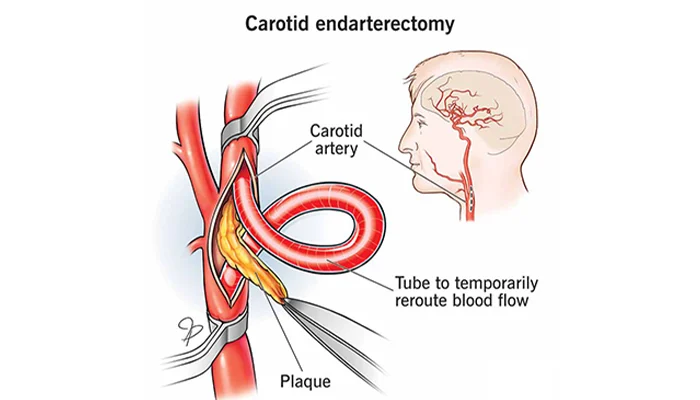
When plaque builds up, these blood vessels narrow. This results in reduced blood flow and numbness, causing pain and weakness in the affected areas.
Significance of Peripheral Vascular Disease
Peripheral vascular disease is affecting many individuals worldwide, posing a significant and alarming threat. It is prevalent nowadays. Individuals with an age bracket of 50+ are getting affected by this. This might be the weaker immune system they have. It is also linked with other subtypes of cardiovascular illness such as the coronary artery diseases and the stroke, shares the similar risk factors in the emergence of diabetes, smoking, hypertension, and high levels of cholesterol.
As a result, time is of the essence if the PVD has not been treated; consequences will arise, which will make your quality of life worse. These implications are primarily nonhealing of the wound, hard to treat infections, and in some cases amputation of the limb.
Authoritative sources: NHLBI: Peripheral Artery Disease; AHA: Peripheral Artery Disease; CDC: Heart Disease Facts.
Common Symptoms of Peripheral Vascular Disease
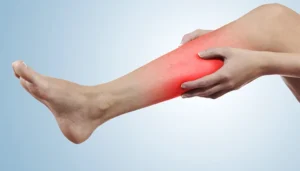
1. Intermittent Claudication
Intermittent claudication is the most prominent Peripheral Vascular Disease (PVD) indicator. This includes Various symptoms such as feeling of discomfort. Not only that, It also includes cramping in certain areas, or pain in certain areas of the leg muscle. It typically occurs when a person engages in physical activity such as climbing stairs or cycling. This is due to the narrowed blood vessels, which must work harder to supply enough oxygen to the muscles during that physical activity. This also vanishes when you have taken enough rest but suddenly bounces back when you engage in that physical activity again. It indicates that the oxygen supply is still inadequate.
2. Leg Pain or Numbness
People with PVD might endure persistent pain or numbness in their legs, even when they’re not doing anything strenuous. This discomfort commonly targets the calves, thighs, or buttocks and can worsen with prolonged periods of sitting or standing. Due to this, tissue damage might also occur, which will not be good. Also, one might experience nerve dysfunction. A sense of tingling, Weakness or burning may also develop.
3. Weakness or Fatigue
When not enough blood flows toward your legs, your leg muscles weaken. This restriction of blood flow is due to PVD. Consequently, it becomes difficult for an individual to participate in activities like cycling or riding the bicycle. Besides, Individuals also suffer from weakness and feel pressure in their lower limbs; thus, they do not perform that physical activity for a long time. An example of this would be a Marathon in which a person is trying to run with a lead weight attached to his legs. He might have to struggle through every step.
4. Cold or Discolored Skin
Due to PVD, poor blood circulation in the legs can lead to skin temperature and color changes. You might notice that your toes or feet feel cold, and the skin appears pale or discolored. These symptoms indicate impaired tissue oxygenation and reduced blood flow.
5. Non-Healing Wounds
In some severe cases of PVD, the body’s ability to heal injuries and wounds quickly become disturbed. Even small scratches and minor cuts take much time to heal; you might also have severe infections in some cases. These wounds, primarily located in the lower legs or feet, require prompt and correct treatment. Otherwise, severe medical complications might occur. If not treated correctly, they might also cause tissue loss.
6. Hair Loss or Slow Hair Growth
One of the main targets of the reduced blood in the legs is your hair follicles. It directly affects your feet and leg hair. These symptoms are mainly known as peripheral arterial disease (PAD) hair loss, is often a sign of compromised circulation.
Just like grass needs water to stay green and healthy, the same procedure applies to your leg hair. It requires proper blood flow to remain strong. If you recognize these symptoms early, you could seek medical advice promptly. This is crucial in managing PVD efficiently, indirectly improving the overall quality of your life if appropriately treated.
Authoritative sources: Mayo Clinic: Peripheral Artery Disease; Cleveland Clinic: Peripheral Artery Disease; NIH MedlinePlus: Peripheral Arterial Disease.
Frequently Asked Questions
What is peripheral vascular disease?
Peripheral vascular disease (PVD), also called peripheral artery disease (PAD) when it affects arteries, is a condition in which the blood vessels outside the heart and brain become narrowed, blocked, or weakened. The most common cause is atherosclerosis, a buildup of fatty plaque inside the arteries that reduces blood flow to the legs, feet, arms, or other organs. PVD affects an estimated 8 to 12 million Americans, with prevalence rising sharply after age 60.
What causes peripheral vascular disease?
The most common cause is atherosclerosis, the buildup of cholesterol and fatty deposits in the artery walls. Major risk factors are smoking, diabetes, high blood pressure, high cholesterol, age over 60, obesity, family history of cardiovascular disease, and sedentary lifestyle. Less common causes include blood vessel inflammation (vasculitis), blood clots, and injury to the limbs.
What are the symptoms of peripheral vascular disease?
Common symptoms include leg pain when walking that improves with rest (intermittent claudication), leg cramps, numbness or weakness in the legs, cold feet or toes, color changes in the skin of the legs or feet, sores or wounds that heal slowly, and weak or absent pulses in the feet. Many people have no symptoms in early stages, which is why screening matters for at-risk adults.
What are the complications of peripheral vascular disease?
Untreated PVD can lead to non-healing wounds (ulcers), infections, gangrene, and in severe cases amputation of a toe, foot, or leg. PVD also signals systemic atherosclerosis, so affected patients have a significantly higher risk of heart attack and stroke. Early diagnosis and aggressive risk factor management reduce these complications substantially.
How is peripheral vascular disease diagnosed?
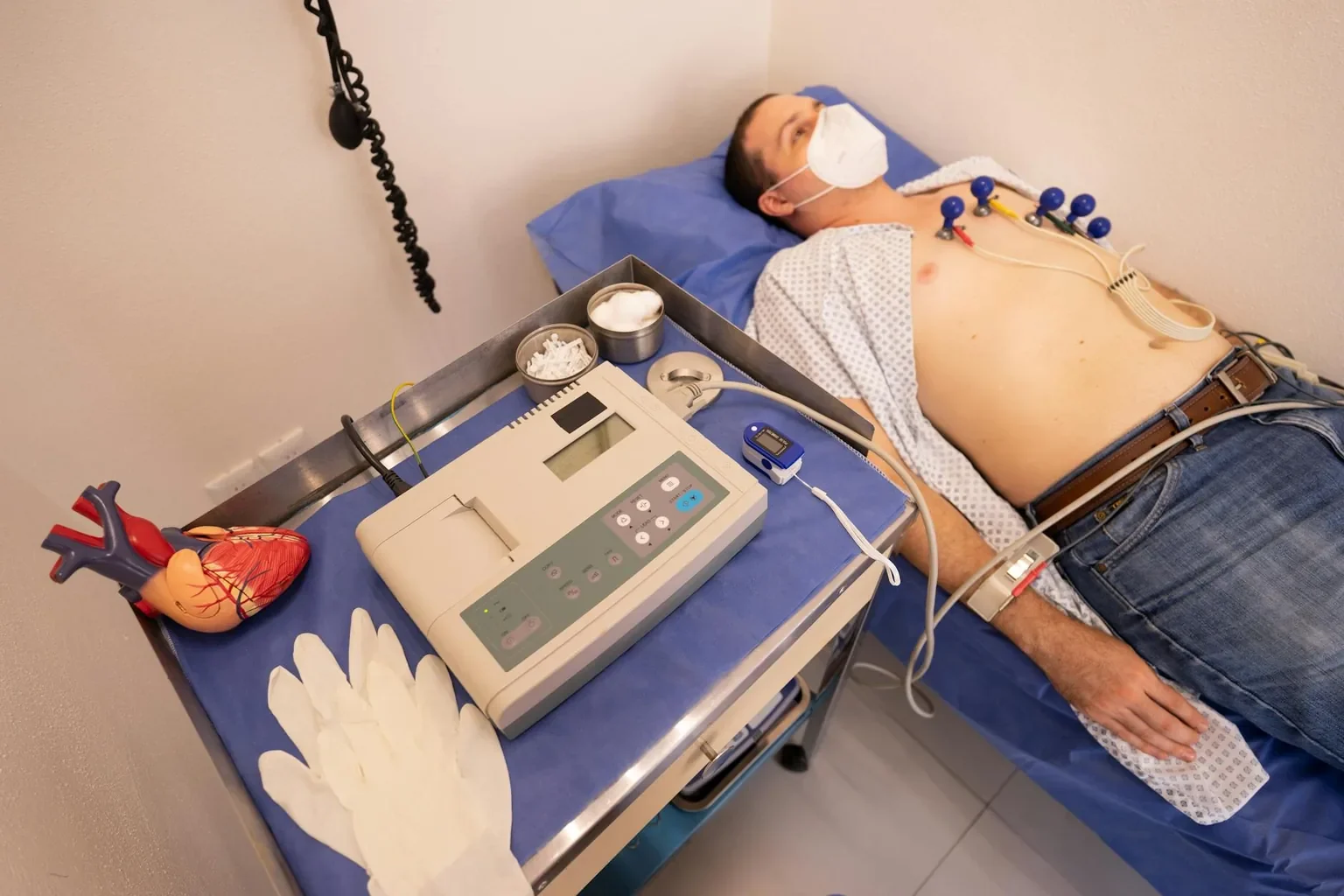
Diagnosis starts with a clinical history, physical exam, and pulse check. The ankle-brachial index (ABI), a simple blood pressure measurement comparing the ankle and arm, is the most common screening test. Additional tests may include Doppler ultrasound, CT angiography, MR angiography, or conventional angiography to map the affected vessels and plan treatment.
How is peripheral vascular disease treated?
Treatment combines lifestyle changes (smoking cessation, supervised exercise, diet), medications (antiplatelet therapy, statins, blood pressure control, diabetes management), and in selected cases procedures such as angioplasty with stenting or surgical bypass. The treatment plan is individualized based on symptom severity, anatomy, and overall health. Early treatment significantly reduces the risk of amputation and major cardiovascular events.
References
- NHLBI: Peripheral Artery Disease. https://www.nhlbi.nih.gov/health/peripheral-artery-disease
- AHA: Peripheral Artery Disease. https://www.heart.org/en/health-topics/peripheral-artery-disease
- Mayo Clinic: Peripheral Artery Disease. https://www.mayoclinic.org/diseases-conditions/peripheral-artery-disease/symptoms-causes/syc-20350557
- Cleveland Clinic: Peripheral Artery Disease. https://my.clevelandclinic.org/health/diseases/17357-peripheral-artery-disease-pad
- NIH MedlinePlus: Peripheral Arterial Disease. https://medlineplus.gov/peripheralarterydisease.html
- Medscape: Peripheral Vascular Disease. https://emedicine.medscape.com/article/761556-overview
- SVS: Society for Vascular Surgery. https://vascular.org/
- CDC: Heart Disease Facts. https://www.cdc.gov/heart-disease/data-research/
- ACC: PAD Guideline. https://www.acc.org/clinical-topics/vascular-medicine
- NHLBI: Atherosclerosis. https://www.nhlbi.nih.gov/health/atherosclerosis