Recovery after a hair transplant is mostly about protecting the fragile new grafts in the first two weeks, then being patient through a normal shedding phase before new growth begins. Most US patients return to everyday activity quickly, but the final result takes many months. This checklist organizes what to do, what to avoid, and when to call your clinic, broken down week by week and month by month from the day of surgery through the mature result.
This piece complements our broader hair transplant cluster. For the procedure walkthrough and decision context, see our hair transplant overview, candidate evaluation article, and full procedure and recovery walkthrough. For long-term FAQ and outcomes, see our hair transplant FAQs article.
Right After Surgery: The First 24 to 48 Hours
Hair transplants (FUE or FUT) are outpatient procedures done under local anesthesia. The first days are when the grafts are most delicate.
- The newly placed grafts are fragile; do not touch, scratch, or rub the recipient area
- Sleep with your head elevated, as your surgeon advises, to help limit swelling
- If you have a bandage or dressing, your clinic usually removes it or has you remove it the day after surgery
- Some oozing or light spotting from the graft sites and donor area can occur early; follow your clinic’s guidance
- Take any prescribed medication, which may include pain relief, an antibiotic, or an anti-inflammatory
- Avoid bending over, straining, alcohol, and strenuous activity
- Arrange a ride home; do not drive right after sedation if any was used
Week 1 Checklist (Days 1 to 7)
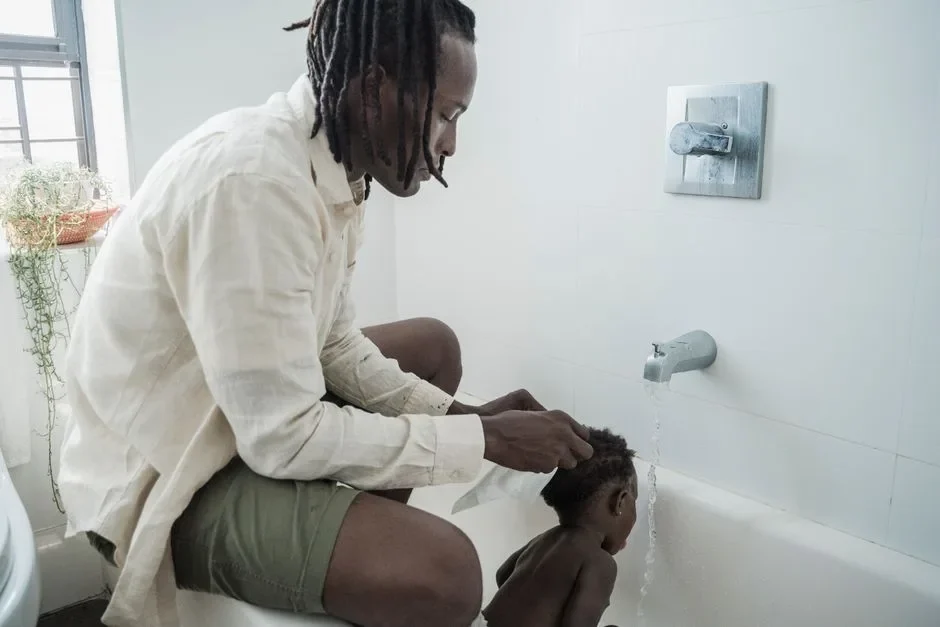
Week 1 focuses on gentle washing, protecting the grafts, and managing normal swelling and crusting.
Washing and scalp care
- Start gentle washing only when and how your clinic instructs, often around day 2 to 5
- Do not rub or scrub; pour or dab as directed and pat, never scratch
- Small scabs or crusts form around each graft; let them soften and fall off on their own
Swelling and appearance
- Forehead or around-the-eye swelling can appear on days 2 to 6 and then settles; keeping your head elevated helps
- Redness of the recipient and donor areas is expected early
Activity and protection
- Avoid strenuous activity, heavy lifting, and sweating in the first week
- Keep the area out of direct sun; follow your clinic’s advice before wearing any hat
- Do not go swimming, and avoid saunas and hot tubs
Warning signs that need prompt attention
- Spreading redness, warmth, pus, or increasing pain (possible infection)
- Fever over 100.4°F (38°C) or chills
- Bleeding that does not stop with gentle pressure
Week 2 Checklist (Days 8 to 14)
By week 2, most crusts fall off and the grafts become more secure.
- Continue gentle washing; most scabs and crusts are gone by the end of week 2
- If you had FUT (strip) surgery, donor-area stitches are usually removed around 7 to 10 days; care for the donor area as your clinic instructs
- Redness continues to fade, though it can linger longer in fair skin
- Grafts are more settled, but keep avoiding scratching and harsh handling
- Many people feel comfortable returning to a desk job and light social activity during this period
Weeks 3 to 4 Checklist: Expect Shedding
This is the stage that surprises patients most. Around weeks 2 to 8, many of the transplanted hairs shed. This is normal and expected.
- The transplanted hairs often fall out in a phase called shock loss or shedding, usually between about weeks 2 and 8; the roots stay in place and will regrow
- Shedding is a normal part of the cycle and does not mean the transplant failed
- Gentle activity resumes within a few days, but avoid vigorous exercise, heavy lifting, and sweating for at least 3 weeks, or until your clinic clears you
- Continue sun protection for the healing scalp
Months 1 to 3: The Waiting Phase
After the shed, there is a quiet phase with little visible change. Patience matters here.
- The scalp looks much like it did before surgery as the follicles rest before regrowing
- Resume normal activities, exercise, and haircare as advised by your clinic
- If your doctor prescribed hair-loss medications such as finasteride or minoxidil to protect your existing hair, continue them as directed
Months 3 to 6: New Growth Begins
New hairs typically start to appear around month 3 to 4.
- Fine new hairs emerge and gradually thicken over the following months
- Growth is uneven at first, which is normal
- Keep up any prescribed maintenance medications and sun protection
Months 6 to 12 and Beyond: The Mature Result
The final result develops slowly over the first year.
- Most of the result is visible by about 8 to 12 months
- Some people continue to see thickening for up to about 12 months, and occasionally a little longer
- Continue medications for your non-transplanted hair if prescribed, since a transplant does not stop ongoing pattern hair loss elsewhere
- Attend any follow-up your clinic recommends to assess the result
What Is Normal, What Is Not
Normal in the first weeks:
- Small scabs or crusts around the grafts that fall off within about 2 weeks
- Redness of the recipient and donor areas
- Forehead or eye-area swelling on days 2 to 6
- Numbness or tightness of the scalp that resolves over weeks
- Shedding of the transplanted hairs at weeks 2 to 8
- Occasional small pimples as new hairs push through later
Not normal, contact your clinic:
- Spreading redness, warmth, or pus (possible infection)
- Fever or chills
- Bleeding that will not stop with gentle pressure
- Severe or increasing pain
When to Call Your Clinic
Call your hair restoration clinic or surgeon without delay for:
- Signs of infection: spreading redness, warmth, pus, or increasing pain
- Fever over 100.4°F (38°C) or chills
- Bleeding that does not stop with gentle, steady pressure
- Any concern about how the grafts or donor area are healing
Tips for Caregivers and Family
Support in the first week helps, since the grafts are delicate and the patient should avoid strain.
- Drive the patient home after the procedure
- Help set up pillows so the patient can sleep with the head elevated
- Prepare meals and handle chores that involve bending or lifting in the first few days
- Gently remind the patient not to touch, scratch, or rub the grafts
- Help track medications and washing instructions, and watch for signs of infection
Frequently Asked Questions
When can I wash my hair after a transplant?
Most clinics have you begin gentle, careful washing around day 2 to 5, using a specific technique they teach you. Do not rub or scrub. Follow your clinic’s exact instructions, since they vary.
Is it normal for the transplanted hair to fall out?
Yes. The transplanted hairs commonly shed between about weeks 2 and 6 in a phase called shock loss. The roots remain, and new hair grows back. Shedding does not mean the transplant failed.
When will I see results?
New growth usually begins around month 3 to 4. Most of the result is visible by about 8 to 12 months, and some thickening can continue a little beyond that.
When can I exercise again?
Gentle activity often resumes within a few days, but avoid vigorous exercise, heavy lifting, and sweating for at least 3 weeks, or until your clinic clears you. Avoid swimming, saunas, and hot tubs early on.
When can I wear a hat?
Only after your clinic says it is safe, since a hat can rub the grafts early. Many clinics allow a loose hat after the grafts are secure. Ask your clinic for your specific timing.
When can I return to work?
Many people with desk jobs return within a few days to about a week, once early swelling settles. Physically demanding jobs that involve sweating or straining require more time.
How do I protect the scalp from the sun?
Keep the healing scalp out of direct sun in the early weeks and follow your clinic’s guidance on hats and sunscreen once the area has healed.
Do I still need hair-loss medication after a transplant?
Often yes. A transplant restores hair in the treated area but does not stop ongoing pattern hair loss elsewhere. Many patients continue medications such as finasteride or minoxidil to protect their remaining native hair, as prescribed.
Continue Reading the Hair Transplant Cluster
- Hair Transplant: Overview, Types, and What to Expect
- Hair Transplant: Candidate Evaluation and When to Consider Surgery
- Hair Transplant: Procedure, Recovery, and Rehabilitation
- Hair Transplant: FAQs, Statistics, and Patient Stories
Sources
- American Academy of Dermatology (AAD). Hair transplants: what to expect and aftercare. https://www.aad.org/public/cosmetic/hair-restoration
- International Society of Hair Restoration Surgery (ISHRS). Patient resources and post-procedure care. https://ishrs.org/patient/
- American Society of Plastic Surgeons (ASPS). Hair transplant recovery. https://www.plasticsurgery.org/cosmetic-procedures/hair-transplant
- Mayo Clinic. Hair transplant and hair loss treatment. https://www.mayoclinic.org/diseases-conditions/hair-loss/diagnosis-treatment/drc-20372932
- Cleveland Clinic. Hair transplant recovery and aftercare. https://my.clevelandclinic.org/health/treatments/24756-hair-transplant
Medical Disclaimer
The information in this article is for general education and reflects typical US recovery patterns. Individual recovery and results vary based on the technique used, the number of grafts, and your own hair and skin. Always follow the specific aftercare instructions from your hair restoration surgeon or clinic. Contact your clinic for signs of infection, bleeding that will not stop, or severe pain. This article is not medical advice.
Planning the financial side alongside recovery? Our US hair transplant cost breakdown covers technique pricing, financing, and out-of-pocket planning.