Recovery after kidney stone removal depends on which procedure you had, but most US patients follow a similar path: heavy hydration, some blood in the urine for a few days, stent-related discomfort if a stent was placed, and a gradual return to normal activity. This checklist organizes what to do, what to avoid, and when to call your urologist, broken down week by week from the day of the procedure through long-term stone prevention.
This piece complements our broader kidney stone cluster. For the procedure walkthrough and decision context, see our kidney stone removal overview, causes and diagnosis article, and full procedure and recovery walkthrough. For long-term FAQ and outcomes, see our kidney stone removal FAQs article.
Know Your Procedure First
Recovery time varies by the type of stone removal you had:
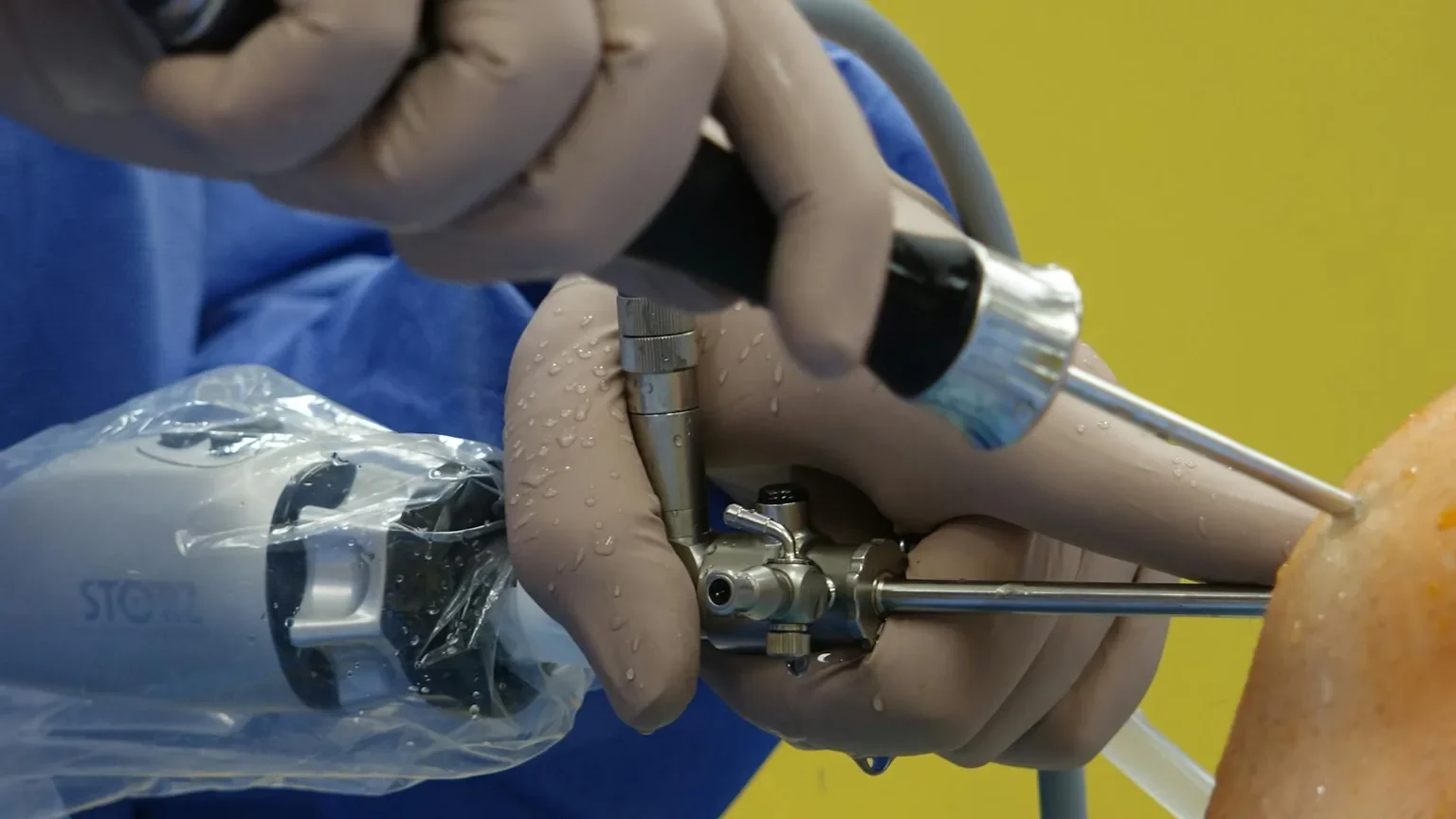
- Ureteroscopy (URS) with laser: A scope passes through the urinary tract to break and remove the stone. A temporary ureteral stent is often placed. Recovery is usually a few days to a week.
- Shock wave lithotripsy (ESWL): Sound waves break the stone from outside the body, and the fragments pass in the urine over days to weeks. Recovery is usually quick.
- Percutaneous nephrolithotomy (PCNL): A larger procedure through a small back incision for big or complex stones, usually with a short hospital stay. Desk work is often possible around 1 week, but full recovery usually takes about 2 to 4 weeks.
Right After the Procedure: The First 24 Hours
Most ureteroscopy and shock wave procedures are outpatient. PCNL usually involves an overnight stay. The first 24 hours focus on hydration, pain control, and rest.
- Arrange a ride home; do not drive the day of the procedure
- Drink plenty of water to help flush the urinary tract
- Pink or lightly bloody urine is normal and can come and go for several days
- Burning with urination and a frequent urge to go are common, especially with a stent
- Take pain medication as prescribed; a heating pad can ease flank or bladder discomfort
- Rest for the remainder of the day
Week 1 Checklist (Days 1 to 7)
Week 1 centers on hydration, managing stent symptoms, and watching for signs of infection.
Hydration and diet
- Aim to drink enough fluid to make at least 2.5 liters of urine a day, which usually takes about 3 liters (roughly 100 ounces) of fluid, unless your urologist tells you otherwise
- Clear or pale-yellow urine is the goal
- Return to a normal diet as tolerated; start light if your stomach is unsettled
If you have a ureteral stent
- Expect urinary urgency, frequency, and some flank discomfort, often worse right after urinating
- A small amount of blood in the urine with a stent is normal, especially after activity
- Do not pull or tug on a stent string if one is present; follow your team’s instructions
- Note your scheduled stent removal date, usually within about 1 to 2 weeks
Medications
- Take pain medication as prescribed; over-the-counter options may be enough for milder discomfort
- Your urologist may prescribe an alpha-blocker such as tamsulosin (Flomax) to relax the ureter, which can ease stent discomfort and help stone fragments pass
- Finish any prescribed antibiotic exactly as directed
Straining urine
- If asked, strain your urine to catch stone fragments so they can be analyzed
- Save any fragments in the container your clinic provides
Activity
- Light walking is encouraged to help recovery
- Avoid heavy lifting and strenuous exercise in the first week, especially after PCNL
- Many people return to desk work within a few days after ureteroscopy or shock wave treatment
Warning signs that need urgent attention
- Fever over 100.4°F (38°C) or shaking chills (possible urinary infection)
- Pain that is severe or not controlled by your medication
- Inability to urinate
- Heavy bleeding or passing large blood clots
- Persistent nausea or vomiting
Week 2 Checklist (Days 8 to 14)
By week 2, stent symptoms often ease or the stent is removed, and most patients feel noticeably better.
- Stent removal is a short office procedure; urgency and discomfort usually improve quickly afterward
- Blood in the urine typically fades over this period
- Continue strong hydration
- Gradually increase activity; after ureteroscopy or shock wave treatment most people are close to normal
- After PCNL, continue to avoid heavy lifting and follow your surgeon’s activity limits
Weeks 3 to 4 Checklist
Most patients are back to normal routines by weeks 3 to 4, with PCNL patients taking a bit longer.
- Resume exercise and heavier activity once your urologist confirms it is safe
- Attend any follow-up appointment and imaging to confirm the stone is fully cleared
- Begin or continue any prevention plan your doctor recommends
- Report any lingering pain, urinary symptoms, or fever
Long-Term Care and Stone Prevention Checklist

Kidney stones commonly recur, so prevention is a key part of long-term care. Without prevention, about half of people (roughly 1 in 2) form another stone within 5 to 10 years, and up to about 75 percent over a lifetime.
- Stay well hydrated every day; aim for at least 2.5 liters of urine daily, which usually takes about 3 liters of fluid, enough to keep urine pale
- Ask about a 24-hour urine test to identify your specific stone-forming risk
- Adjust diet based on your stone type, which may include lowering sodium, moderating animal protein, and getting enough dietary calcium from food (not supplements, unless your doctor prescribes them)
- Take any prescribed prevention medication as directed
- Keep follow-up appointments and periodic imaging if advised
- Send any passed stone or fragment for analysis, which guides prevention
What Is Normal, What Is Not
Normal in the first days to weeks:
- Pink or lightly bloody urine that comes and goes for several days
- Burning with urination and a frequent urge to go, especially with a stent
- Mild flank or bladder discomfort
- Passing small stone fragments after shock wave treatment, sometimes with cramping that comes and goes for 4 to 8 weeks as pieces move
Not normal, contact your urologist promptly:
- Fever or chills
- Severe or uncontrolled pain
- Inability to urinate
- Heavy bleeding or large clots
- Persistent vomiting or inability to keep fluids down
When to Call Your Doctor
Call your urologist without delay for:
- Fever over 100.4°F (38°C) or shaking chills
- Pain not controlled by your prescribed medication
- Inability to pass urine
- Heavy or worsening bleeding, or large blood clots
- Nausea and vomiting that will not stop
A urinary tract infection after stone surgery can progress quickly. Fever with chills after the procedure is a medical emergency, because a blocked, infected urinary system needs urgent care. Seek emergency care right away for high fever with chills, confusion, or an inability to urinate.
Tips for Caregivers and Family
Support in the first week helps, especially after PCNL or for patients dealing with stent discomfort.
- Drive the patient home and to follow-up and stent-removal visits
- Encourage steady water intake throughout the day
- Help track medications, the stent removal date, and any urine straining
- Watch for fever, chills, or severe pain and help arrange a prompt call
- Help with lifting and chores in the first week, particularly after PCNL
Frequently Asked Questions
How long does recovery take after kidney stone removal?
It depends on the procedure. Ureteroscopy and shock wave lithotripsy usually allow a return to normal activity within a few days to a week. Percutaneous nephrolithotomy (PCNL) is a larger procedure and often takes 1 to 2 weeks or more.
Is blood in my urine normal after the procedure?
Yes. Pink or lightly bloody urine is common for several days and can come and go, especially if you have a stent or after activity. Heavy bleeding or large clots is not normal and should prompt a call to your urologist.
When does the stent come out?
Ureteral stents are usually removed within about 1 to 2 weeks in a short office procedure. Urgency, frequency, and flank discomfort often improve quickly after removal.
Why does the stent make me feel like I still need to urinate?
A stent can irritate the bladder and ureter, causing urgency, frequency, and discomfort that is often worse right after urinating. These symptoms are expected and typically resolve once the stent is removed.
When can I return to work and exercise?
Many people return to desk work within a few days after ureteroscopy or shock wave treatment. Heavy lifting and strenuous exercise should wait until your urologist clears you, which is longer after PCNL.
Will it hurt to pass stone fragments after shock wave lithotripsy?
Passing fragments can cause cramping or discomfort similar to a mild stone episode. Staying well hydrated helps. Contact your doctor if pain becomes severe or you develop a fever.
How can I prevent another kidney stone?
Staying well hydrated is the most important step; aim for enough fluid to make about 2.5 liters of urine a day. Without prevention, about half of people form another stone within 5 to 10 years, so it matters. Your doctor may recommend a 24-hour urine test, diet adjustments based on your stone type (including enough dietary calcium from food), and sometimes medication. Sending a passed stone for analysis helps guide prevention.
When can I drive after kidney stone removal?
Do not drive the day of the procedure. Most people can drive again within a day or two once they are off strong pain medication and feel alert, but confirm with your care team, especially after PCNL.
Continue Reading the Kidney Stone Cluster
- Kidney Stone Removal: Overview, Types, and What to Expect
- Kidney Stone Removal: Causes, Diagnosis, and When to Consider Surgery
- Kidney Stone Removal: Procedure, Recovery, and Rehabilitation
- Kidney Stone Removal: FAQs, Statistics, and Patient Stories
Sources
- National Institute of Diabetes and Digestive and Kidney Diseases (NIDDK), NIH. Kidney stones treatment. https://www.niddk.nih.gov/health-information/urologic-diseases/kidney-stones/treatment
- Urology Care Foundation (American Urological Association). Kidney stones. https://www.urologyhealth.org/urology-a-z/k/kidney-stones
- National Kidney Foundation. Kidney stone treatment and recovery. https://www.kidney.org/atoz/content/kidneystones
- Mayo Clinic. Kidney stones: diagnosis and treatment. https://www.mayoclinic.org/diseases-conditions/kidney-stones/diagnosis-treatment/drc-20355759
- Cleveland Clinic. Ureteroscopy and kidney stone surgery recovery. https://my.clevelandclinic.org/health/treatments/16137-ureteroscopy
- NIH MedlinePlus. Kidney stones. https://medlineplus.gov/kidneystones.html
Medical Disclaimer
The information in this article is for general education and reflects typical US recovery patterns. Individual recovery varies based on the type of stone removal, stone size, and overall health. Always follow the specific instructions from your urologist and care team. Seek prompt care for fever or chills, severe pain, inability to urinate, or heavy bleeding after kidney stone surgery. This article is not medical advice.