Patients and families facing appendicitis often have practical questions: how serious is it, what does the surgery involve, how long is recovery, what about long-term effects, and what about appendicitis during pregnancy or in children. This article answers common questions, shares US-specific statistics, and includes illustrative patient scenarios.
For symptoms and types, see our overview article. For causes and diagnosis, see our causes article. For treatment, see our treatment article. For the surgical procedure, see our appendectomy cluster.
Frequently Asked Questions
How common is appendicitis in the United States?
Approximately 5 to 9 percent of Americans develop appendicitis at some point in their lives. Around 300,000 appendectomies are performed annually in the United States.
Who is most likely to get appendicitis?
Appendicitis is most common in people aged 10 to 30, though it can occur at any age. Males have slightly higher lifetime risk than females.
Can appendicitis be treated without surgery?
Yes, in select adult cases of uncomplicated appendicitis, antibiotics alone may be an option. However, many of these patients eventually need surgery (about 30-40 percent recurrence within 5 years). Surgery remains the standard treatment for most patients.
How fast does appendicitis progress?
Typical acute appendicitis progresses over 24 to 72 hours from initial pain to perforation if untreated. Some cases progress faster, especially in children. Prompt evaluation is critical.
What is a ruptured appendix?
A ruptured (perforated) appendix is when the inflamed appendix bursts, spilling infected material into the abdominal cavity. It is a serious condition requiring urgent care. Modern treatment usually achieves recovery, but complication rates are higher than for uncomplicated cases.
Can appendicitis cause death?
In modern US healthcare, mortality from appendicitis is very low, especially with timely treatment. Delayed care or complicated disease can raise risk significantly.
How long is recovery after appendectomy?
For laparoscopic appendectomy with uncomplicated appendicitis, most patients return to office work in 5 to 7 days and full activities in 2 to 4 weeks. For open appendectomy or complicated cases, recovery takes longer. Details in our appendectomy procedure article.
What does the surgery involve?
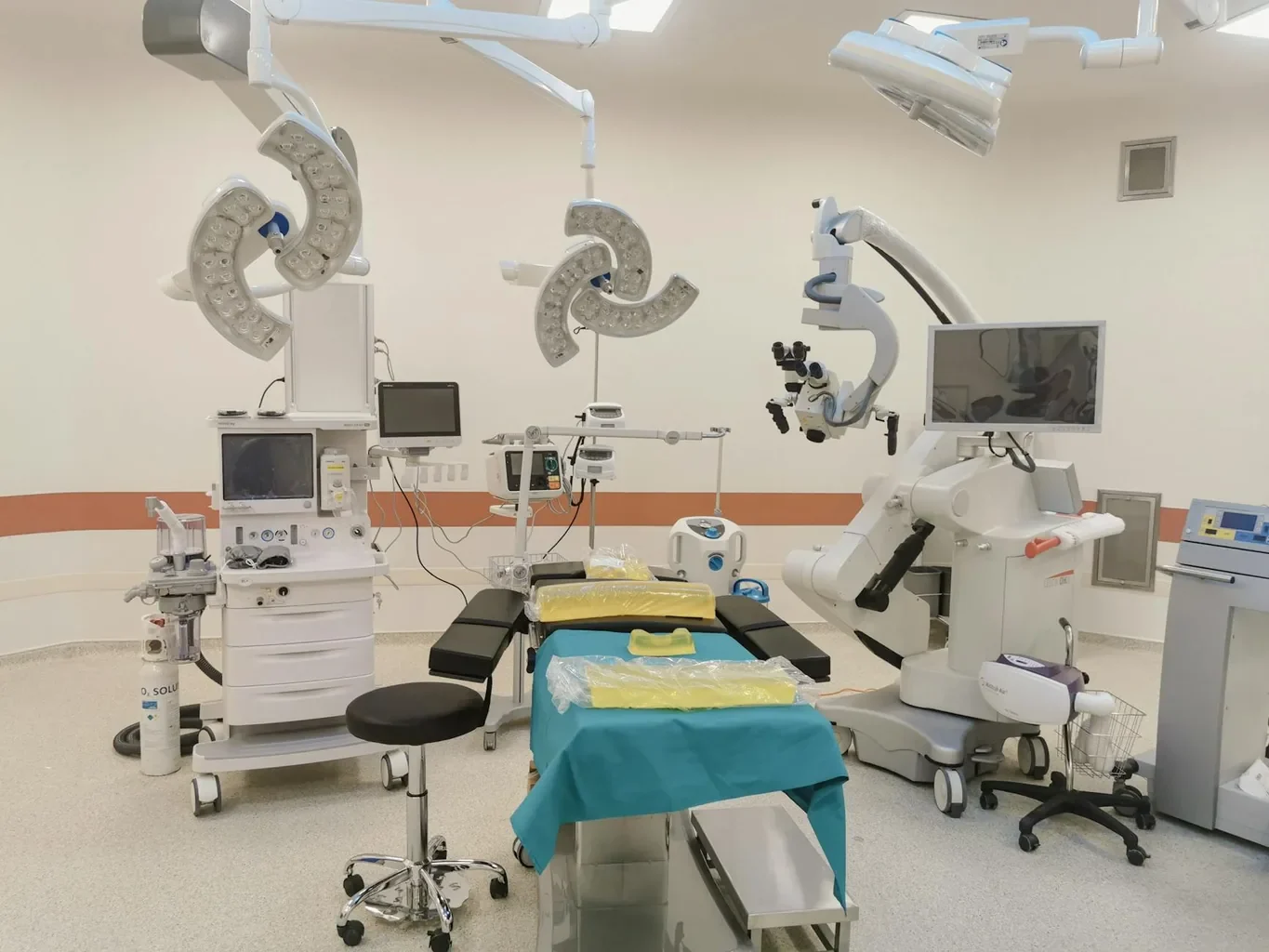
Laparoscopic appendectomy uses three or four small incisions and a camera. The appendix is removed under general anesthesia. The procedure typically takes 30 to 60 minutes for uncomplicated cases.
Can children get appendicitis?
Yes. Children can develop appendicitis at any age, though it is rare in very young children. Pediatric appendicitis can progress quickly and presents atypically. Any child with persistent abdominal pain plus fever or vomiting should be evaluated promptly.
What about appendicitis during pregnancy?
Appendicitis during pregnancy requires specialized care. The appendix may be displaced upward by the enlarged uterus, causing atypical pain. Surgery (often laparoscopic) is generally recommended regardless of trimester when appendicitis is confirmed.
Can I exercise after appendectomy?
Light activity (walking) is encouraged within days. Avoid heavy lifting and strenuous exercise for 4 to 6 weeks. Specific timing depends on the procedure type (laparoscopic vs open) and your surgeon’s instructions.
Will I have a scar?
Laparoscopic appendectomy leaves three or four small scars that fade significantly over time. Open appendectomy leaves a single larger scar (2 to 3 inches) in the lower right abdomen.
Do I need my appendix?
Most evidence suggests humans can live normally without their appendix. The appendix contains some immune tissue and may play a role in gut bacteria, but its loss does not cause significant problems for the vast majority of people.
Is appendicitis covered by insurance?
Yes. Medically necessary appendicitis care is covered by virtually all US health insurance plans, including Medicare and Medicaid. Out-of-pocket costs depend on the plan.
Can the appendix grow back after removal?
No. The appendix does not regenerate or grow back after removal. Once removed, it is gone permanently.
What is the long-term outlook?
Excellent for most patients. Long-term outcomes after appendectomy are very good. Most patients have no significant long-term effects and return to all normal activities and lifestyle.
What about long-term complications?
Most patients have no long-term complications. Rare possibilities include:
- Adhesion formation that may cause bowel obstruction years later
- Wound issues at incision sites
- Slight effects on gut bacteria
These are uncommon. Most appendectomy patients do extremely well long-term.
What is the difference between appendicitis and other abdominal pain?
Appendicitis classically starts as vague pain near the belly button, migrates to the lower right abdomen, worsens over hours, and is accompanied by nausea, vomiting, loss of appetite, and low-grade fever. Other abdominal conditions (gastroenteritis, kidney stones, ovarian cysts, etc.) have different patterns. The combination of symptoms and clinical evaluation distinguishes them.
Appendicitis Statistics in the United States

The following figures are drawn from US sources including the American College of Surgeons, NIDDK, CDC, and major US surgical databases. They represent population-level estimates that vary by methodology and time period.
- Lifetime risk: Approximately 5 to 9 percent of US adults.
- Annual cases: Approximately 300,000 appendectomies are performed each year in the United States.
- Sex distribution: Slightly more common in males (lifetime risk approximately 9 percent vs 7 percent).
- Age peak: Most common in ages 10 to 30, though it can occur at any age.
- Surgical approach: More than 80 percent of US appendectomies are performed laparoscopically.
- Mortality: Very low in the modern US healthcare system (well under 1 percent for uncomplicated cases). Higher in elderly or complicated cases.
- Perforation rate at diagnosis: Approximately 20 to 30 percent at presentation; higher in children and elderly.
- Recurrence after antibiotic-only treatment: Approximately 30-40 percent within 5 years.
- Recovery: Most patients return to office work within 1 week for laparoscopic uncomplicated cases.
When to Seek Emergency Care
Seek immediate emergency care for:
- Severe sudden abdominal pain
- Pain shifting to the lower right abdomen with fever and vomiting
- Hard, rigid abdomen
- High fever with abdominal pain
- Inability to keep fluids down
- Severe abdominal pain in pregnancy
- Children with new severe abdominal pain plus fever
- Signs of shock (rapid heart rate, low blood pressure, confusion)
These can indicate appendicitis with perforation, peritonitis, or other emergencies.
Patient Scenarios

These short, illustrative scenarios reflect common appendicitis experiences in the United States. They are educational examples and not real patients.
Tyler, age 19, classic acute appendicitis. Tyler woke with vague stomach pain. By afternoon, the pain had moved to his lower right abdomen and was sharper. He had lost his appetite and felt nauseated. His mother brought him to the ER. Ultrasound and blood work confirmed appendicitis. He had laparoscopic appendectomy that evening and went home the next morning. He returned to college classes within a week.
Sarah, age 27, appendicitis during pregnancy. Sarah was 18 weeks pregnant when she developed abdominal pain. After OB evaluation and MRI, appendicitis was confirmed. She had laparoscopic appendectomy with coordinated obstetric care. She recovered uneventfully and continued her pregnancy to term.
Michael, age 65, complicated appendicitis. Michael delayed seeking care for several days of abdominal pain, thinking it was indigestion. By the time he came to the ER, CT showed appendiceal perforation with abscess formation. He was admitted, started on IV antibiotics, and had an image-guided drain placed. After 5 days of antibiotic therapy he improved and was discharged. He had an interval laparoscopic appendectomy 6 weeks later.
Emily, age 9, pediatric appendicitis. Emily had a high fever and abdominal pain that her parents initially thought was the flu. By the next day she was much worse — refusing food, in distress. Pediatric ER evaluation and ultrasound confirmed appendicitis. She had laparoscopic appendectomy and was discharged after one night. She returned to school in 10 days.
Practical Tips for Recovering from Appendicitis
For patients and families:
- Follow post-op instructions carefully
- Take pain medication as prescribed
- Walk early and often to prevent complications
- Avoid heavy lifting for the prescribed period
- Watch for warning signs: fever, increasing pain, wound issues
- Keep incisions clean and dry
- Resume normal diet gradually as tolerated
- Attend follow-up appointments
- Return to work and activities when cleared
- Communicate with your surgical team about any concerns
Continue Reading the Appendicitis Cluster
- Appendicitis: Overview, Types, and Symptoms
- Appendicitis: Causes, Risk Factors, and Diagnosis
- Appendicitis: Treatment, Prevention, and Management
- Appendectomy: FAQs, Statistics, and Patient Stories
Sources
- American College of Surgeons (ACS). Appendicitis outcomes. https://www.facs.org/
- National Institute of Diabetes and Digestive and Kidney Diseases (NIDDK). Appendicitis. https://www.niddk.nih.gov/health-information/digestive-diseases/appendicitis
- Society of American Gastrointestinal and Endoscopic Surgeons (SAGES). Appendectomy outcomes. https://www.sages.org/
- CODA Trial. Antibiotic vs surgical treatment. https://www.codatrial.org/
- Centers for Medicare and Medicaid Services (CMS). Coverage of surgical care. https://www.medicare.gov/
- Mayo Clinic. Appendicitis. https://www.mayoclinic.org/diseases-conditions/appendicitis/symptoms-causes/syc-20369543
- Cleveland Clinic. Appendicitis. https://my.clevelandclinic.org/health/diseases/8095-appendicitis
- NIH MedlinePlus. Appendicitis. https://medlineplus.gov/appendicitis.html
Medical Disclaimer
The information in this article is for general education and reflects typical US patterns. Individual experience varies. Always consult a qualified medical professional with questions about appendicitis or post-surgical care. Seek emergency care for severe abdominal pain or signs of shock.