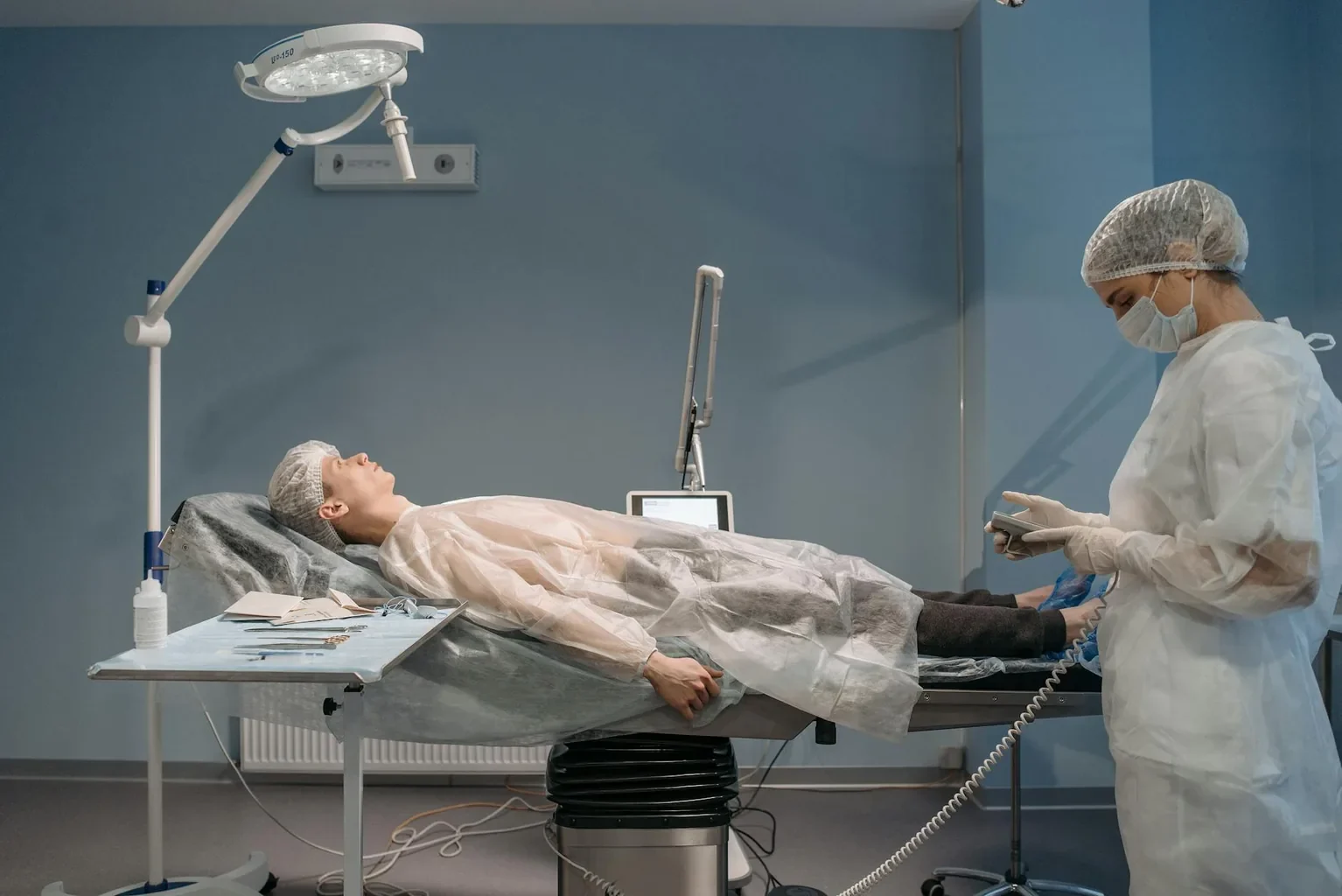
Treatment of appendicitis in the United States is anchored by surgical removal of the appendix (appendectomy), almost always performed laparoscopically and within hours of diagnosis. For select adult patients with uncomplicated appendicitis, antibiotics alone have emerged as an alternative — though most still go on to surgery. Complicated appendicitis (with perforation or abscess) requires more involved care. This article walks through treatment options, when each is used, and what recovery looks like.
For symptoms and types, see our overview article. For causes and diagnosis, see our causes article. When surgery is the next step, our appendectomy cluster covers the procedure in detail.
Treatment Approaches at a Glance
US clinicians use a stepwise, individualized approach:
- Uncomplicated acute appendicitis: Laparoscopic appendectomy (standard); antibiotic-only treatment is an alternative in select patients
- Complicated appendicitis with perforation or abscess: Drainage and antibiotics first, often followed by interval appendectomy weeks later; or urgent surgery
- Appendiceal mass: Often non-operative management first, with later appendectomy
- Special situations: Pregnancy, pediatric, and elderly patients receive individualized care
The choice depends on disease severity, patient factors, and surgeon judgment.
Laparoscopic Appendectomy: The Standard Treatment

Laparoscopic appendectomy is the standard treatment for most US patients with acute appendicitis. It involves removing the appendix through several small incisions using a camera (laparoscope) and slender instruments.
Why it is preferred:
- Smaller incisions, less pain
- Faster recovery and return to activity
- Lower wound infection rate compared to open surgery
- Shorter hospital stay (often 1 day or outpatient in uncomplicated cases)
- Better cosmetic outcomes
Procedure overview:
- Anesthesia — general anesthesia
- Three or four small incisions in the abdomen
- Carbon dioxide gas inflates the abdomen for visualization
- Inspection of the appendix and surrounding tissues
- Removal of the appendix with surgical staples or sutures
- Closure of small incisions
Most uncomplicated cases are completed in 30 to 60 minutes. Recovery is typically rapid.
Full procedure walkthrough, anesthesia, hospital stay, and recovery timeline are covered in our appendectomy procedure and recovery article.
Open Appendectomy
Open appendectomy uses a single larger incision in the lower right abdomen (typically 2 to 3 inches). It is less common today in the US but used when:
- Laparoscopic approach is not feasible
- Complicated appendicitis with extensive contamination
- Conversion from laparoscopic to open during surgery
- Surgeon preference or training
- Limited equipment
Recovery is somewhat longer than laparoscopic, but outcomes are excellent.
Antibiotic-Only Treatment for Uncomplicated Appendicitis
In recent years, US clinical research has examined antibiotic-only treatment for uncomplicated acute appendicitis in select adult patients.
Findings from studies (CODA trial and others) show:
- Many patients improve with antibiotics alone
- Many will eventually need surgery (approximately 30-40 percent recurrence rate within 5 years)
- Antibiotics can be a reasonable option in carefully selected patients
- Surgery remains the standard for most patients
When antibiotic-only treatment may be considered:
- Adult patients with uncomplicated, well-confirmed appendicitis
- No fecalith on imaging
- Patient preference and risk tolerance
- Special situations where surgery is high risk
The discussion happens between the patient and surgical team. Antibiotic-only treatment is generally NOT preferred for children, complicated cases, or pregnant women.
Treatment of Complicated Appendicitis
Complicated appendicitis includes perforation, abscess, or extensive inflammation. Management depends on the specific situation:
Perforated appendicitis without abscess:
- Urgent laparoscopic or open appendectomy
- Aggressive antibiotic therapy
- May require longer hospital stay
Periappendiceal abscess:
- Often treated with image-guided drainage and antibiotics first
- Delayed (interval) appendectomy weeks later when inflammation has subsided
- Some patients may not need delayed appendectomy if symptoms resolve
Diffuse peritonitis:
- Emergency open or laparoscopic surgery
- Aggressive antibiotic and supportive care
- ICU care for severe cases
Complications such as wound infection, abscess, or bowel issues are more common with complicated appendicitis.
Special Situations
Appendicitis in children. Pediatric surgery teams manage these cases. Children can perforate faster than adults; prompt evaluation is essential. Laparoscopic approach is standard.
Appendicitis in pregnancy. Requires coordination between general surgery and obstetrics. Surgery is recommended (laparoscopic in many cases) regardless of trimester when appendicitis is confirmed, to avoid maternal and fetal complications from rupture.
Appendicitis in elderly patients. Often presents atypically. Perforation rates are higher. Surgical risk is somewhat higher due to comorbidities.
Appendicitis with cancer: A small percentage of appendices removed turn out to contain neuroendocrine tumors or other unexpected findings, often confined to the appendix. Pathology determines further management.
Hospital Stay and Recovery

Typical recovery patterns:
Uncomplicated laparoscopic appendectomy:
- Same-day discharge or 1 night in hospital
- Return to office work in 5 to 7 days
- Light activity within days
- Full activity by 2 to 4 weeks
Open appendectomy:
- 2 to 4 days in hospital
- Office work in 1 to 2 weeks
- Full activity in 4 to 6 weeks
Complicated appendicitis (perforation/abscess):
- 3 to 7+ days in hospital
- Longer antibiotic course (often IV)
- Return to office work in 2 to 3 weeks or longer
- Full activity in 6 to 8 weeks
Discharge instructions typically include:
- Pain management
- Activity restrictions
- Wound care
- Warning signs to watch for
- Follow-up appointment
Diet After Appendectomy
Most patients can resume a normal diet within days:
- Start with clear liquids on day of surgery
- Advance as tolerated
- Most patients tolerate regular diet by day 1-2
- No long-term dietary restrictions
Long-Term Outlook
Long-term outcomes after appendectomy are excellent. Most patients have no significant long-term effects. The appendix’s exact biological function remains debated, but living without it is well-tolerated.
Possible long-term considerations:
- Wound healing at incision sites
- Adhesion formation (uncommon) which can rarely cause bowel obstruction years later
- Slight increase in certain GI conditions in some studies (mostly minor)
Most patients return to all normal activities and quality of life within weeks.
Prevention of Appendicitis
Most appendicitis cases cannot be prevented with current understanding. Some general strategies that may reduce risk:
- Higher-fiber diet (epidemiological association with lower risk)
- Regular bowel habits
- Adequate hydration
- Healthy overall lifestyle
There is no proven way to prevent appendicitis in an individual person. The most important “prevention” is prompt recognition and treatment when it occurs.
Long-Term Management
After appendectomy:
- Follow post-op instructions carefully
- Attend follow-up appointments
- Watch for signs of complications: fever, increasing pain, wound issues
- Resume activity gradually
- Return to work and normal life as cleared
- Most patients require no long-term care
For complicated cases, additional follow-up may be needed.
When Treatment Becomes Urgent
Seek emergency care for:
- Severe sudden abdominal pain
- High fever
- Hard, rigid abdomen
- Inability to keep fluids down
- Confusion or fainting
- Signs of shock
These can indicate perforation or peritonitis requiring immediate care.
How the Decision Is Made
The choice between treatment options depends on:
- Disease severity (uncomplicated vs complicated)
- Patient age and overall health
- Pregnancy status
- Pediatric vs adult
- Imaging findings (perforation, abscess, fecalith)
- Patient preferences
- Surgical risk factors
- Hospital resources
For most uncomplicated cases in healthy adults, laparoscopic appendectomy remains the gold standard.
Continue Reading the Appendicitis Cluster
- Appendicitis: Overview, Types, and Symptoms
- Appendicitis: Causes, Risk Factors, and Diagnosis
- Appendicitis: FAQs, Statistics, and Patient Stories
- Appendectomy: Procedure, Recovery, and Rehabilitation
Sources
- American College of Surgeons (ACS). Appendicitis treatment. https://www.facs.org/
- National Institute of Diabetes and Digestive and Kidney Diseases (NIDDK). Appendicitis treatment. https://www.niddk.nih.gov/health-information/digestive-diseases/appendicitis
- Society of American Gastrointestinal and Endoscopic Surgeons (SAGES). Appendectomy guidelines. https://www.sages.org/
- Comparison of Outcomes of antibiotic Drugs and Appendectomy (CODA) trial. https://www.codatrial.org/
- Mayo Clinic. Appendicitis treatment. https://www.mayoclinic.org/diseases-conditions/appendicitis/diagnosis-treatment/drc-20369549
- Cleveland Clinic. Appendicitis. https://my.clevelandclinic.org/health/diseases/8095-appendicitis
- NIH MedlinePlus. Appendicitis. https://medlineplus.gov/appendicitis.html
Medical Disclaimer
The information in this article is for general education and is not a substitute for professional medical advice, diagnosis, or treatment. Always consult a qualified medical professional with questions about appendicitis treatment. Seek immediate emergency care for severe abdominal pain, high fever, or signs of shock.