Cataracts are one of the most common age-related eye conditions in the United States, affecting tens of millions of adults at some point in their lives. A cataract is a clouding of the eye’s natural lens that gradually reduces vision and can ultimately make it difficult to read, drive, recognize faces, or work. While modern cataract surgery is highly effective and routinely performed, many US adults manage their cataracts for years before surgery becomes necessary. This article explains what cataracts are, the main types, who tends to develop them, and the symptoms that warrant evaluation.
For the causes, risk factors, and diagnostic process, see our causes and diagnosis article. For treatment, prevention, and management, see our treatment article. For statistics and answers to common questions, see our FAQ article. When surgery is the next step, our cataract surgery cluster, cost guide, and surgery-vs-waiting decision guide cover the next steps.
Significance and Prevalence of Cataracts in the United States
Cataracts are extraordinarily common in US adults. According to the National Eye Institute (NEI), more than half of all Americans either have cataracts or have undergone cataract surgery by age 80. Cataract is the leading cause of blindness worldwide and a major cause of vision loss in the United States, though it is highly treatable in the US healthcare system.
Approximately 24 million Americans aged 40 and older have cataracts, and roughly 4 million cataract surgeries are performed each year in the United States. Cataract surgery is one of the most common and successful surgeries in medicine.
Cataracts almost always develop slowly over years. Many people manage them for a long time with stronger glasses, brighter lighting, and other adjustments before surgery becomes appropriate.
What Are Cataracts?
A cataract is a clouding or hardening of the eye’s natural lens, which sits behind the iris (the colored part of the eye) and the pupil. In a healthy eye, the lens is clear and flexible, focusing light precisely onto the retina at the back of the eye. As cataracts develop, the lens becomes cloudy, scatters light, and reduces the sharpness of vision.
Cataracts most often develop with age, but several other causes exist (covered in the causes and diagnosis article). They are not a growth or a film over the eye — they are a change within the lens itself.
Cataracts are painless in most cases. The first noticeable change is often subtle: gradual blurring, glare from oncoming car headlights, or duller-looking colors.
How the Eye Lens Works
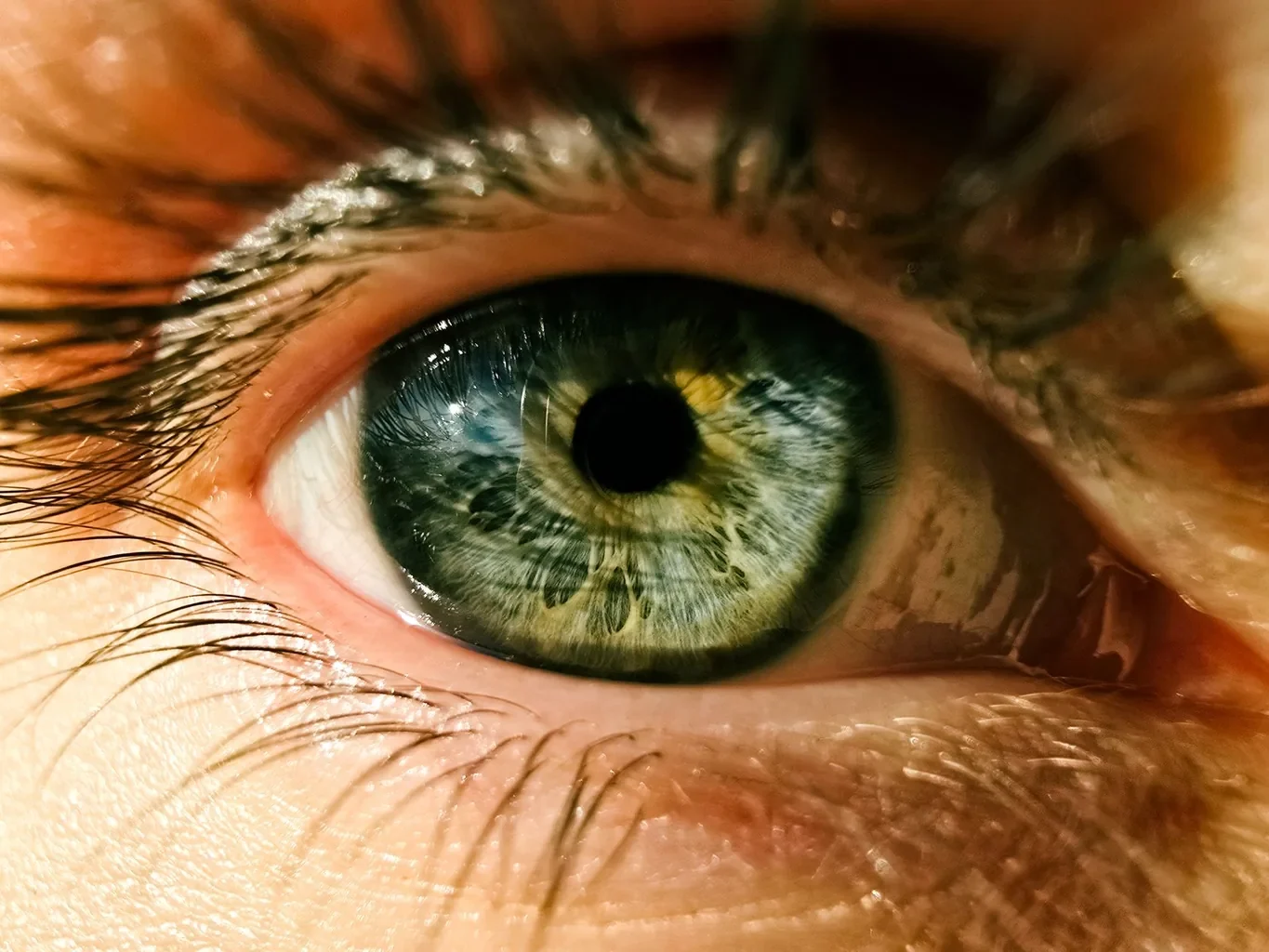
The eye’s natural lens lies just behind the pupil. Its job is to focus light onto the retina, where photoreceptor cells convert the light signal into nerve impulses that travel to the brain. The lens is normally clear, allowing light to pass through freely. It also changes shape (a process called accommodation) to focus on objects at varying distances.
The lens is composed mostly of water and special structural proteins. With age, these proteins gradually clump together and the lens loses some of its clarity and flexibility. When the clumping becomes significant enough to interfere with vision, the lens is said to have a cataract.
Other lens issues that fall under broader “cataract” or “lens” conditions:
- Age-related cataract — by far the most common type
- Congenital cataract — present at birth or early childhood
- Traumatic cataract — from eye injury
- Secondary cataract — from medications, medical conditions, or after eye surgery
- Radiation cataract — after radiation exposure
Main Types of Cataracts
Cataracts are classified by where in the lens the clouding develops. Each type tends to produce slightly different symptoms.
Nuclear sclerotic cataracts. The most common type in US adults. The center (nucleus) of the lens hardens and yellows over time. Often progresses slowly. Causes overall blurring and a yellowing of color perception. In early stages, may temporarily improve near vision (sometimes called “second sight”).
Cortical cataracts. Affect the outer layer (cortex) of the lens, often with wedge or spoke-shaped opacities radiating from the edges inward. Often cause prominent glare, especially with bright lights or oncoming headlights at night. More common in patients with diabetes.
Posterior subcapsular cataracts. Develop on the back surface of the lens, just under the capsule. Tend to progress faster than nuclear cataracts. Often cause significant near-vision problems and glare. More common with diabetes, steroid medications, and after radiation.
Anterior subcapsular cataracts. Develop on the front surface of the lens. Less common.
Congenital and pediatric cataracts. Present at birth or early childhood. May be related to genetics, infections, or developmental issues. Require specialized pediatric ophthalmology evaluation.
Traumatic cataracts. Develop after eye injury, sometimes years later.
Secondary cataracts. Caused by medications (especially long-term steroid use), radiation, certain medical conditions (diabetes), or as a complication of another eye surgery.
Common Symptoms of Cataracts

Most cataracts develop slowly and symptoms appear gradually. Common patterns include:
- Cloudy, blurry, or dim vision
- Glare especially from bright lights, sunlight, or oncoming car headlights
- Halos around lights, particularly at night
- Difficulty driving at night
- Fading or yellowing of colors (whites may look more yellow or tan)
- Double vision in one eye
- Frequent changes in glasses prescription
- Difficulty reading, especially in low light
- Needing brighter light for close work
- A “film over the eye” sensation without anything visible on the eye
Less commonly:
- Sudden vision changes (most cataracts develop gradually; sudden changes warrant evaluation for other conditions)
- Painless gradual loss of vision until very advanced
- Trouble recognizing faces at a distance
Importantly, cataracts are usually not painful and typically affect both eyes (though one is usually worse than the other).
Who Tends to Develop Cataracts?
Age is the strongest risk factor. Most cataracts in US adults develop as a natural part of aging, typically becoming noticeable after age 60. Other factors that raise the likelihood include:
- Family history of early or significant cataracts
- Diabetes (especially poorly controlled)
- Prolonged sun (UV) exposure without eye protection
- Smoking
- Heavy alcohol consumption
- Long-term steroid medication (oral, inhaled, eye drops)
- Prior eye surgery, injury, or inflammation
- Radiation therapy to the head
- Certain genetic and metabolic conditions
The detailed risk factors and diagnostic process are covered in our causes and diagnosis article.
Early Warning Signs Worth Evaluating
Most US adults with early cataracts notice changes well before they become disabling. Patterns worth seeing an eye doctor about:
- Increasing difficulty driving at night, especially with glare from headlights
- Recently needing more light to read
- Frequent need for new glasses prescriptions
- Colors looking duller or yellower than they used to
- Cloudy or hazy spots in your vision
- Difficulty recognizing faces at moderate distance
- Routine annual eye exam noting a change in lens clarity
If you experience sudden vision loss, severe eye pain, light flashes, or new floaters, seek urgent eye care — these can indicate retinal or other emergency eye conditions, not cataracts.
Your Cataract Journey at a Glance
Although every patient’s path differs, the typical US cataract journey follows a familiar pattern.
It often begins with a routine annual eye exam showing mild cataract changes. Many patients have no symptoms at this stage. The eye doctor may simply note the changes and continue annual follow-up.
As cataracts progress, the patient may notice glare, slightly blurred vision, or difficulty driving at night. Updated glasses prescriptions and brighter lighting often help in early stages. Some patients manage well for years this way.
When cataracts begin meaningfully affecting daily activities — driving, reading, working, hobbies — patients are typically referred to an ophthalmologist for surgical evaluation. The decision to proceed with surgery is individualized: there is no specific vision threshold that mandates surgery in modern US practice. The decision balances medical readiness against quality-of-life impact (see our surgery-vs-waiting decision article).
Once surgery is chosen, modern cataract surgery is one of the most refined procedures in medicine: outpatient, brief (15-30 minutes), with rapid visual recovery. Most patients see meaningfully better within days. Detailed timelines and surgical specifics are covered in our cataract surgery cluster.
Frequently Asked Questions
Are cataracts painful?
No. Cataracts almost always develop painlessly. New pain in the eye warrants evaluation for other conditions (infection, glaucoma, inflammation).
Can cataracts be reversed without surgery?
No. There is currently no proven medical treatment that reverses cataracts. The cloudy lens cannot be cleared with medications or eye drops. Surgical replacement is the definitive treatment.
Do I need cataract surgery as soon as cataracts are diagnosed?
Not necessarily. Many people live with early cataracts for years before surgery is appropriate. Modern US ophthalmologists generally recommend surgery when cataracts meaningfully affect daily activities or vision-related safety, not based on a specific vision threshold.
Continue Reading the Cataracts Cluster
- Cataracts: Causes, Risk Factors, and Diagnosis
- Cataracts: Treatment, Prevention, and Management
- Cataracts: FAQs, Statistics, and Patient Stories
- Cataract Surgery: Overview, Types, and What to Expect
- Cataract Surgery vs Waiting: When to Have Surgery
Sources
- National Eye Institute (NEI). Cataracts. https://www.nei.nih.gov/learn-about-eye-health/eye-conditions-and-diseases/cataracts
- American Academy of Ophthalmology (AAO). Cataract patient resources. https://www.aao.org/eye-health/diseases/what-are-cataracts
- American Society of Cataract and Refractive Surgery (ASCRS). Patient resources. https://ascrs.org/patients
- U.S. Food and Drug Administration (FDA). Intraocular lenses and cataract surgery. https://www.fda.gov/medical-devices/implants-and-prosthetics/intraocular-lenses
- Mayo Clinic. Cataracts: symptoms and causes. https://www.mayoclinic.org/diseases-conditions/cataracts/symptoms-causes/syc-20353790
- Cleveland Clinic. Cataracts. https://my.clevelandclinic.org/health/diseases/8589-cataracts
- NIH MedlinePlus. Cataract. https://medlineplus.gov/cataract.html
Medical Disclaimer
The information in this article is for general education and is not a substitute for professional medical advice, diagnosis, or treatment. Always consult a qualified eye care professional with questions about cataracts, symptoms, or treatment. Seek urgent eye care for sudden vision loss, severe eye pain, or new flashes and floaters.