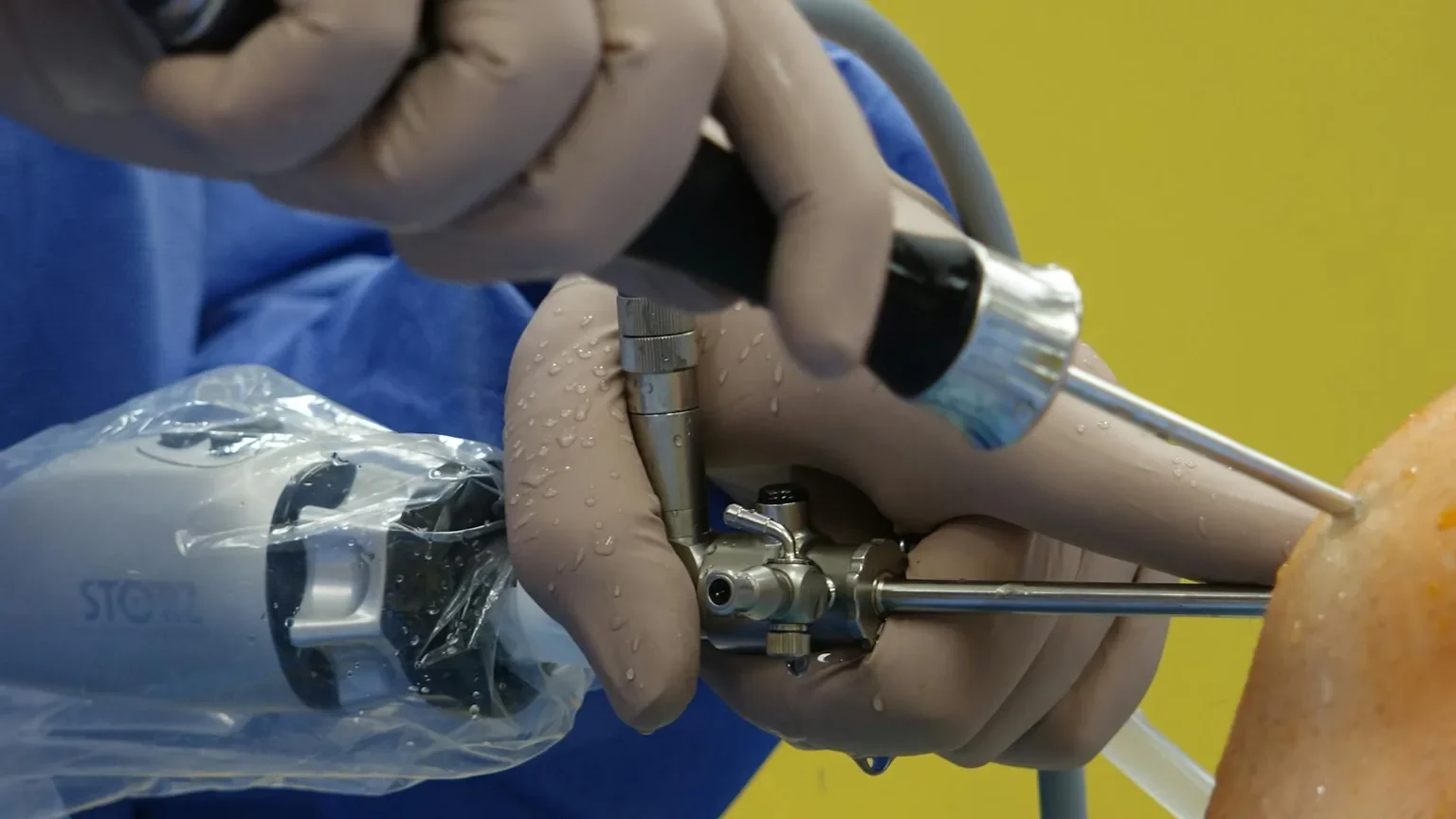
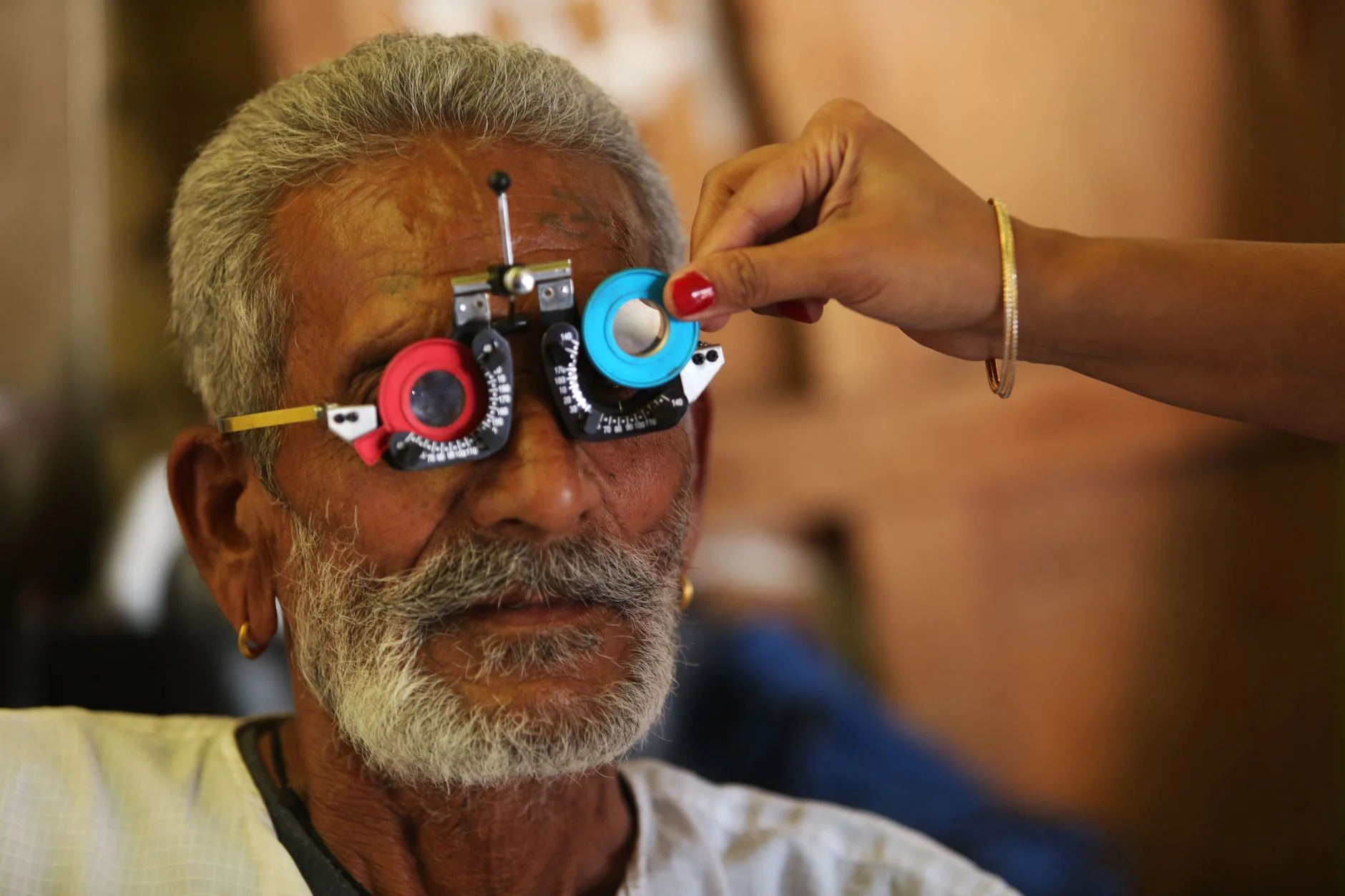
Cataract surgery in the United States typically costs $3,500 to $7,000 per eye out of pocket without insurance for a standard monofocal intraocular lens (IOL), or $0 to $500 per eye out of pocket with Medicare Part B coverage after the annual deductible. Premium IOL upgrades (multifocal, toric, or extended depth-of-focus lenses) add $1,500 to $3,500 per eye out of pocket, since Medicare and most private insurers cover only the standard monofocal option. Cataract surgery is almost always performed as same-day outpatient surgery in the US.
| Cost item | Typical 2026 US range | Insurance coverage |
|---|---|---|
| Standard monofocal IOL surgery (per eye) | $3,500 to $7,000 | Medicare Part B covers 80% after annual deductible; most private plans cover in full when medically necessary |
| Medicare beneficiary out-of-pocket (per eye) | $0 to $500 | Part B deductible ($240 in 2026) plus 20% coinsurance; Medigap covers most or all of this |
| Private insurance out-of-pocket (per eye) | $200 to $1,500 | Depends on deductible, copay, and network status |
| Premium IOL upgrade (multifocal, toric, EDOF) | $1,500 to $3,500 additional per eye | Not covered by Medicare or most private insurers; patient pays entirely out of pocket |
| Laser-assisted cataract surgery add-on | $500 to $1,500 additional per eye | Not covered by Medicare; occasionally covered by private plans in specific medical scenarios |
| Bilateral (both eyes) surgery | Typically 2x per-eye cost | Second eye is usually scheduled 1 to 4 weeks after the first; not billed as a single bundled procedure |
Cataract surgery is one of the most common surgical procedures in the United States, with millions of procedures performed every year. Because cataracts almost always develop with age, most Americans considering this surgery are at or near Medicare eligibility, which significantly shapes how much they end up paying. This guide breaks down 2026 US cataract surgery cost factors in plain English: what Medicare and private insurance typically cover, where intraocular lens (IOL) choices change the math, common out-of-pocket scenarios, and how to plan ahead.
This is a practical cost companion to our broader cataract surgery overview, procedure and recovery walkthrough, and FAQ and outcomes article.
Why Cataract Surgery Cost Varies So Much
Two patients having the same basic procedure on the same day can end up with very different bills. The biggest drivers of cost variation in the United States are:
- Insurance status: Medicare, Medicare Advantage, commercial insurance, and self-pay each yield very different out-of-pocket numbers.
- IOL choice: Standard monofocal lenses are typically covered. Premium lenses (toric, multifocal, extended depth-of-focus, accommodating) carry significant additional out-of-pocket costs.
- Surgical technique: Traditional phacoemulsification is fully covered by Medicare. Laser-assisted cataract surgery (femtosecond laser) usually involves additional fees not covered by standard Medicare.
- Facility type: Hospital outpatient departments often bill higher facility fees than ambulatory surgery centers (ASCs).
- Geographic area: Costs vary across the US. Major metropolitan areas, especially in the Northeast and West Coast, tend to be higher.
- Surgeon and practice: Highly experienced surgeons and high-volume practices may charge premium fees, especially for premium-lens services.
- Pre- and post-op testing: Standard cataract evaluation is typically covered. Additional imaging or testing tied to premium-lens planning may not be.
Is Cataract Surgery Covered by Medicare?

Yes. Cataract surgery is one of the most fully covered surgical procedures under Medicare. Original Medicare (Part A and Part B) covers medically necessary cataract surgery when a doctor determines the cataract is impairing vision and daily activities.
What Medicare covers (subject to your deductible and coinsurance):
- The surgeon’s fee for cataract removal
- The standard monofocal IOL implant
- The facility fee at a Medicare-approved ASC or hospital outpatient department
- Standard pre-op evaluation and post-op visits
- One pair of standard eyeglasses or contact lenses after cataract surgery (a unique Medicare benefit)
Patient out-of-pocket responsibility under Original Medicare typically includes:
- The annual Medicare Part B deductible (if not already met)
- 20 percent Medicare coinsurance for surgeon and facility fees (unless covered by Medigap or secondary insurance)
- Additional costs for premium IOLs, laser-assisted procedures, or extra services that go beyond standard coverage
Medicare Advantage (Part C) plans must cover everything Original Medicare covers, but copays, network rules, and prior-authorization processes vary by plan. Some Advantage plans include extra vision benefits that may help offset premium-lens costs.
Medigap (Medicare Supplement) policies often cover the 20 percent coinsurance and may reduce out-of-pocket costs to very little for covered services.
Is Cataract Surgery Covered by Private Insurance?
Yes, for patients under 65, most commercial health insurance plans cover medically necessary cataract surgery. Coverage follows the medical necessity definition (cataract impairing vision and daily function). Coverage details that vary by plan:
- Deductible (often higher in commercial plans than Medicare)
- Coinsurance or copay structure
- Network requirements for the surgeon and facility
- Prior authorization requirements
- Coverage limits on premium IOLs (most commercial plans, like Medicare, do not cover the premium-lens upgrade)
Always confirm with the insurance plan in advance. Cataract practices typically run benefits checks before surgery and provide a written cost estimate.
Standard vs Premium IOL Costs
The intraocular lens (IOL) is the artificial lens that replaces the cataract-clouded natural lens. The lens choice is the single biggest variable in cataract surgery cost.
Standard monofocal IOL (covered by Medicare and most insurance):
- Provides clear vision at one focal distance (typically distance, requiring reading glasses for close work)
- Standard Medicare and commercial coverage applies
- Out-of-pocket cost: typically minimal beyond deductible and coinsurance
Toric IOL (corrects astigmatism):
- Reduces or eliminates the need for glasses to correct astigmatism
- Considered a premium upgrade; the astigmatism-correction portion is not covered by Medicare
- Typical patient additional out-of-pocket: a few thousand dollars per eye (varies by region and practice)
Multifocal or extended depth-of-focus (EDOF) IOL (provides multiple focal distances):
- Reduces dependence on reading glasses for many patients
- Premium upgrade not covered by standard Medicare or most private insurance
- Typical additional patient cost: several thousand dollars per eye
Accommodating IOL (designed to shift focus dynamically):
- Aims to provide a range of vision similar to a younger natural lens
- Premium upgrade with similar out-of-pocket considerations as multifocal lenses
Light Adjustable Lens (LAL) (post-surgery prescription fine-tuning with UV light):
- Newer FDA-approved option; refractive power can be adjusted after surgery during healing
- Premium upgrade with significant additional out-of-pocket cost
The exact dollar figures for premium IOLs change frequently and vary widely by practice, region, and surgeon. Always request a written cost breakdown specific to your case before scheduling.
Traditional Phacoemulsification vs Laser-Assisted Cataract Surgery
Traditional phacoemulsification is the standard cataract surgery technique used in the vast majority of US cases. It is fully covered by Medicare and most insurance.
Femtosecond laser-assisted cataract surgery (FLACS) uses a laser for parts of the procedure (incisions, capsulotomy, lens fragmentation). FLACS is FDA-approved and widely available in the US, but most insurance and Medicare do not pay the additional facility fees specific to the laser. Typical additional out-of-pocket cost: several hundred to over a thousand dollars per eye. Laser-assisted surgery is often bundled with premium IOL packages.
Talk with your surgeon about whether laser-assisted surgery provides meaningful benefit for your specific case. For many standard cataracts, traditional phacoemulsification yields equivalent outcomes.
Typical Out-of-Pocket Scenarios
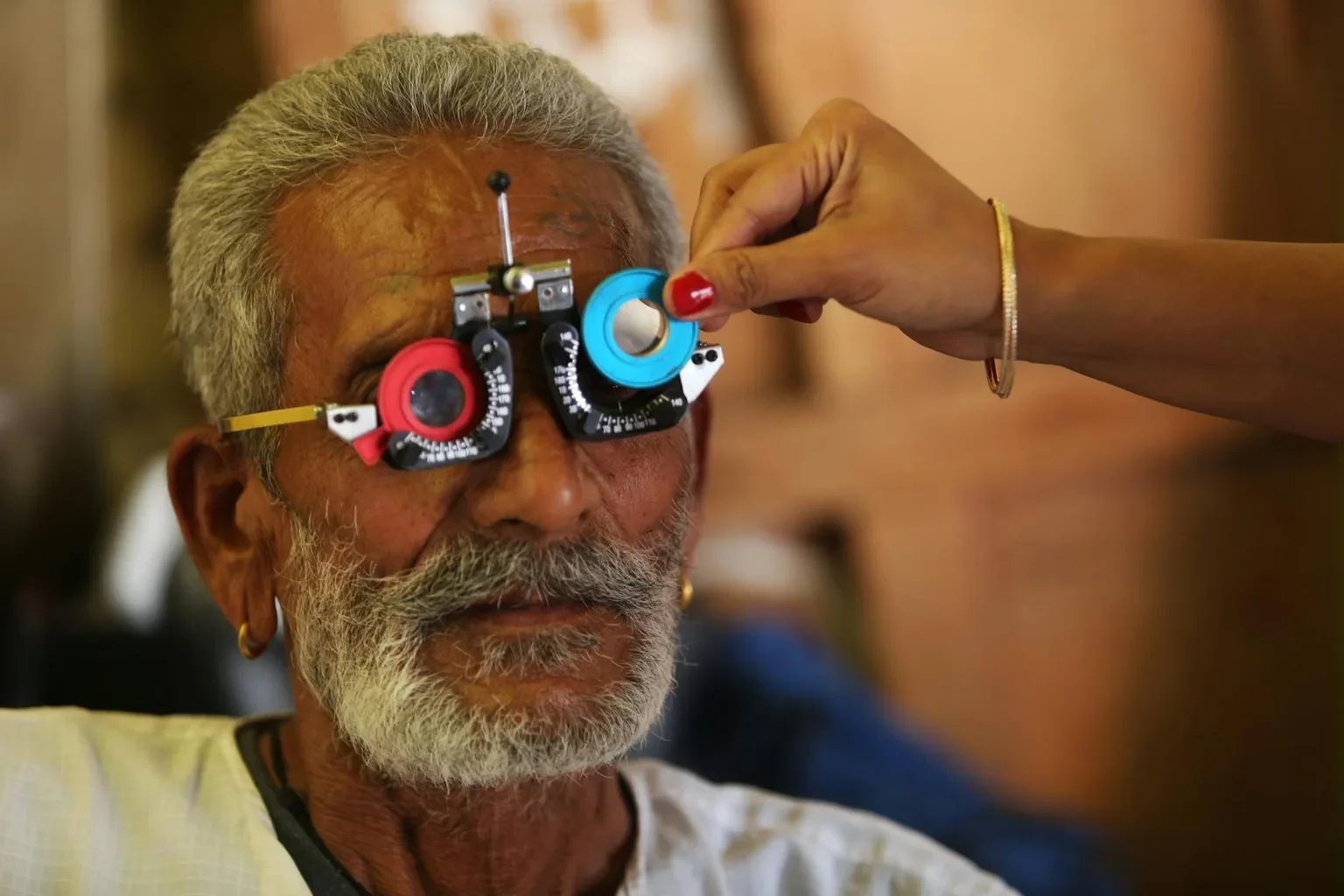
The actual amount you pay depends heavily on your insurance and choices. These illustrative scenarios show how the math typically works in the US.
Scenario 1: Medicare beneficiary with Medigap, standard monofocal IOL, traditional surgery. Most expenses (surgeon, facility, standard IOL, follow-up, eyeglasses benefit) are covered. Patient typically pays little to nothing beyond the Part B deductible.
Scenario 2: Medicare beneficiary, no Medigap, standard monofocal IOL. Patient typically responsible for 20 percent coinsurance on covered services plus the Part B deductible, often totaling several hundred dollars per eye.
Scenario 3: Medicare beneficiary, toric IOL for astigmatism, traditional surgery. Covered portion as above; patient additionally pays the toric upgrade fee (typically a few thousand dollars per eye, not reimbursed by Medicare).
Scenario 4: Medicare beneficiary, premium multifocal IOL with laser-assisted surgery. Covered portion as above; patient additionally pays for the premium-lens package, which often includes the laser fee. Typical premium package cost: several thousand dollars per eye.
Scenario 5: Commercially insured patient under 65, in-network, standard monofocal IOL. Patient typically pays plan deductible, then coinsurance until reaching out-of-pocket maximum. Total can range widely based on plan design.
Scenario 6: Self-pay patient (no insurance). Total per-eye cost for standard monofocal cataract surgery typically falls in the low-to-mid four-figure range. Premium-lens packages add several thousand dollars per eye. Many practices offer cash-pay discounts and financing.
These scenarios are general guides. Always get a written, itemized estimate from your specific surgical practice and insurance plan.
What is Included (and Not Included) in the Quoted Price?
Cataract practice price quotes commonly include:
- Surgeon’s fee
- Anesthesia (typically light sedation)
- Operating room or ASC facility fee
- The IOL itself
- Standard pre-op measurements
- Standard post-op visits for a defined period
Items that may be billed separately or are not included:
- Specialized pre-op imaging or testing tied to premium IOL planning
- Glasses or contact lenses (Medicare covers one pair of glasses; private insurance varies)
- Treatment of unrelated eye conditions discovered during exam
- Care for complications (usually covered like any medical care)
- Enhancements such as YAG laser capsulotomy if needed months or years later (usually covered as a separate procedure)
- Drops not covered by your prescription drug plan
Ask the practice for an itemized written estimate. Reputable practices provide this routinely.
FSA, HSA, and Tax Considerations
- Flexible Spending Account (FSA) and Health Savings Account (HSA) funds can be used for cataract surgery out-of-pocket costs, including premium IOL upgrades, laser-assisted fees, and eyeglasses or contact lenses.
- Medical expense tax deduction: US taxpayers who itemize may deduct unreimbursed medical expenses exceeding a percentage of adjusted gross income. Cataract surgery costs typically qualify. Consult a tax advisor for specifics.
Financing Options
Many cataract practices offer patient financing through third-party medical financing companies. Common programs allow 12, 24, or 36 months of interest-free payments on qualifying balances; longer terms with interest are also available. Always read the terms carefully and understand what happens if the balance is not paid by the end of the promotional period.
Some practices also offer in-house payment plans or discounts for cash-pay patients. For patients paying out of pocket, asking about cash-pay rates often reveals meaningful discounts.
How to Plan and Compare Costs
To get the clearest picture of what cataract surgery will cost you:
- Confirm your insurance status and benefits. Call your insurer or Medicare to confirm coverage, deductibles, and out-of-pocket maximums.
- Choose a surgeon and request a benefits check. Most practices have a benefits coordinator who runs your specific case through your plan.
- Discuss IOL options thoroughly. Ask about the visual goals each IOL achieves, the realistic expectations for glasses-free vision, and the specific upgrade fees for premium choices.
- Ask about laser-assisted vs traditional surgery. Confirm whether laser is bundled with premium packages and whether traditional surgery is appropriate for your case.
- Get a written, itemized estimate. The estimate should clearly separate covered services, premium upgrades, and any out-of-pocket fees.
- Compare estimates if possible. Costs for premium IOLs and laser-assisted services vary widely between practices for the same lens model.
- Explore FSA/HSA, financing, and tax options. These can meaningfully change the effective cost.
What if I Cannot Afford Cataract Surgery?
If cost is a barrier, options to explore include:
- EyeCare America (administered by the American Academy of Ophthalmology) connects US seniors with no insurance to volunteer ophthalmologists for eligible eye care.
- Federally Qualified Health Centers (FQHCs) and community health programs sometimes offer reduced-cost surgical care or referrals.
- State Medicaid programs cover cataract surgery for eligible patients.
- Mission Cataract USA and similar nonprofit programs provide free cataract surgery in some areas.
- VA benefits for eligible US veterans.
- University teaching hospitals sometimes offer reduced-cost cataract surgery through resident clinics with attending supervision.
A delay in cataract surgery is rarely an emergency, but untreated cataracts impair vision and daily function over time. If cost is a barrier, discuss it openly with the surgical practice; many have processes for helping uninsured or underinsured patients.
Frequently Asked Questions About Cost
Does Medicare cover cataract surgery in both eyes?
Yes. Medicare covers medically necessary cataract surgery in each eye that meets the coverage criteria. Most patients have one eye done at a time, typically a few weeks apart.
Will I have to pay anything if I have Medicare and Medigap?
For standard cataract surgery with a monofocal IOL, most Medicare beneficiaries with comprehensive Medigap coverage pay little to nothing. Premium IOLs, laser-assisted fees, and other upgrades remain patient responsibility.
Are premium IOLs worth the additional cost?
This is a personal decision. Patients who want maximum independence from glasses, especially for reading, often choose premium lenses. Patients comfortable with reading glasses can achieve excellent results with a standard monofocal IOL at much lower cost. Discuss your priorities with your surgeon.
Can I use my HSA to pay for premium IOLs?
Yes. HSA and FSA funds can be used for premium IOL out-of-pocket costs, laser-assisted surgery fees, and post-op eyeglasses.
How much does cataract surgery cost without insurance?
Self-pay rates for standard cataract surgery typically fall in the low-to-mid four-figure range per eye, with premium-lens packages costing several thousand dollars more per eye. Practices often offer cash-pay discounts and financing.
Does insurance cover both eyes at the same time?
Most insurance plans, including Medicare, cover surgery on each eye as a separate procedure. Most surgeons recommend spacing the two procedures by 1 to 4 weeks for safety.
Will I need to pay for follow-up visits?
Standard post-op visits within the global surgical period (typically 90 days) are included in the surgeon’s fee. Visits outside this period may be billed separately and are usually covered like any medical visit.
Continue Reading
- Cataract Surgery: Overview, Types, and What to Expect
- Cataract Surgery: Candidate Evaluation and When to Consider Surgery
- Cataract Surgery: Procedure, Recovery, and Rehabilitation
- Cataract Surgery: FAQs, Statistics, and Patient Stories
- LASIK Eye Surgery: Procedure, Recovery, and Rehabilitation
More US Cost Guides and Recovery Checklists
Comparing costs for another procedure? These US guides use the same insurance-and-Medicare cost breakdown:
- How Much Does a Pacemaker Cost in the US?
- How Much Does a Hair Transplant Cost in the US?
- How Much Does Total Knee Replacement Cost in the US?
- How Much Does Gallbladder Removal (Cholecystectomy) Cost in the US?
- Cataract Surgery Recovery Checklist: Week by Week
- How Much Does LASIK Cost in the US?
- Compare all procedures: US Surgery Cost Index
Sources
- Centers for Medicare and Medicaid Services (CMS). Medicare coverage of cataract surgery. https://www.medicare.gov/coverage/eyeglasses-contact-lenses
- American Academy of Ophthalmology (AAO). Cataract surgery patient information. https://www.aao.org/eye-health/diseases/cataracts
- American Society of Cataract and Refractive Surgery (ASCRS). IOL options and patient resources. https://ascrs.org/patients
- U.S. Food and Drug Administration (FDA). Approved intraocular lens devices. https://www.fda.gov/medical-devices/implants-and-prosthetics/intraocular-lenses
- National Eye Institute (NEI). Cataracts. https://www.nei.nih.gov/learn-about-eye-health/eye-conditions-and-diseases/cataracts
- EyeCare America (AAO program). Senior eye care assistance. https://www.aao.org/eyecare-america
- IRS. Medical and dental expenses. https://www.irs.gov/taxtopics/tc502
Medical Disclaimer
The cost information in this article is for general education and reflects typical US patterns. Actual costs vary widely based on insurance plan, geographic location, surgeon, facility, and lens choice. Always confirm pricing with your specific surgical practice and insurance plan before scheduling. This article is not financial, insurance, or medical advice. Consult qualified professionals for guidance on your specific situation.