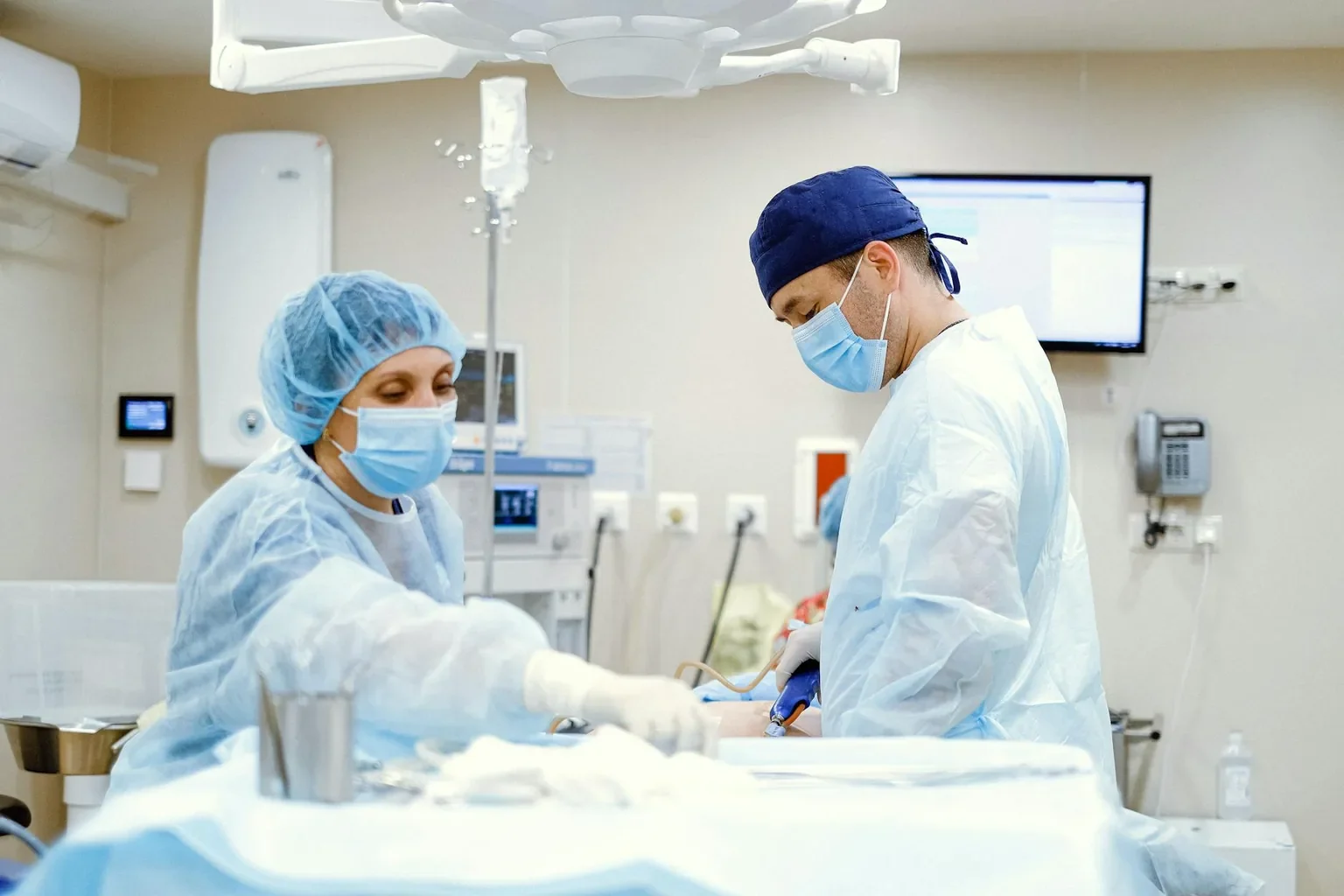
LASIK is a highly effective elective procedure, but it isn’t right for everyone. Whether you’re a good candidate depends on your specific eye anatomy, your prescription, your overall health, and your lifestyle goals. This article walks through what causes the refractive errors that LASIK corrects, how eye surgeons evaluate candidates, and how the decision to proceed with LASIK is made. If you are new to the topic, the cluster overview article is a useful starting place.
What Causes Refractive Errors?
Refractive errors occur when the eye doesn’t focus light correctly on the retina. The exact causes vary by type and are often a combination of genetics, eye anatomy, and environmental factors.
Myopia (nearsightedness). Develops when the eyeball is too long, the cornea is too curved, or both. Light focuses in front of the retina instead of on it, causing distant objects to appear blurry. Myopia often begins in childhood and progresses through the teenage years. Family history and prolonged close-up work are risk factors. The National Eye Institute (NEI) reports myopia prevalence has been rising globally.
Hyperopia (farsightedness). The eyeball is too short or the cornea is too flat. Light focuses behind the retina, making close objects blurry. Mild hyperopia often goes unnoticed in childhood because young eyes can compensate, but it may become more apparent in adulthood.
Astigmatism. The cornea (or sometimes the lens) has an irregular curvature — more like a football than a basketball. Light focuses at multiple points instead of one, causing blurry vision at all distances. Astigmatism often coexists with myopia or hyperopia.
Presbyopia. Age-related stiffening of the natural lens reduces the eye’s ability to focus on close objects. It typically begins around age 40 and progresses through the 50s and 60s. LASIK can offer partial correction through monovision approaches but does not fully reverse presbyopia.
Risk Factors That Increase Refractive Error Likelihood
Several factors raise the likelihood of developing or worsening refractive errors:
- Family history of nearsightedness, farsightedness, or astigmatism
- Prolonged near work (reading, screens) particularly in childhood
- Limited time outdoors during childhood and adolescence
- Age (presbyopia is nearly universal after 40)
- Certain medical conditions (diabetes, some genetic syndromes)
- Eye injury can cause astigmatism
These factors don’t predict LASIK eligibility — many people with refractive errors are excellent LASIK candidates. They simply explain why so many US adults need vision correction.
Symptoms That LASIK Could Help
LASIK doesn’t address symptoms in the same way other surgeries do. Most LASIK candidates have one or more of the following:
- Wearing glasses or contact lenses for myopia, hyperopia, or astigmatism
- Headaches or eye strain from uncorrected or undercorrected vision
- Difficulty with sports, swimming, or outdoor activities due to eyewear
- Discomfort or recurring problems with contact lenses
- Cost or inconvenience of corrective eyewear over time
- Career or lifestyle reasons for wanting to be glasses-free (military, first responders, athletes, certain trades)
These are quality-of-life motivations rather than medical urgencies. LASIK is elective.
How Eye Surgeons Evaluate LASIK Candidates
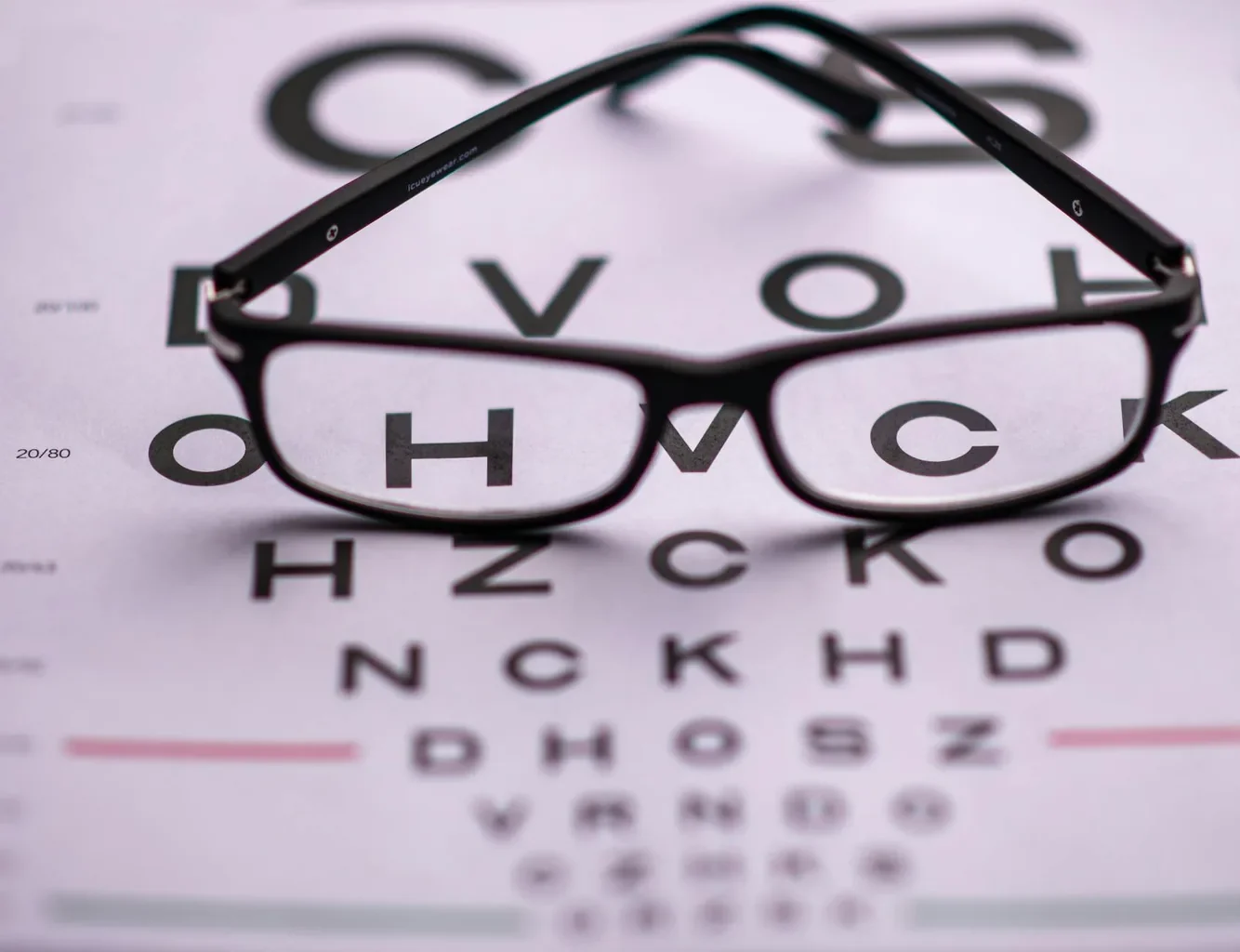
A comprehensive LASIK evaluation typically takes 1 to 3 hours and includes multiple tests.
Detailed history. The surgeon asks about your medical history, medications, allergies, prior eye conditions or surgeries, family eye history, occupation, sports, and reasons for considering LASIK.
Visual acuity testing. Standard eye chart reading at distance and near, both with and without your current prescription.
Refraction. Measures your exact prescription. Includes manifest refraction (what looks clearest to you) and cycloreplegic refraction (after dilating drops that relax the eye’s focusing muscles). Stable prescription for 12 months is generally required.
Corneal topography. Creates a detailed 3D map of the cornea’s surface. Identifies astigmatism patterns and screens for irregular corneas (especially keratoconus, which is a contraindication for LASIK).
Corneal pachymetry. Measures corneal thickness with ultrasound or optical methods. The cornea must be thick enough to safely create a flap and remove tissue while leaving a stable corneal bed underneath. Most surgeons require at least 480-500 microns of total corneal thickness.
Pupillometry. Measures pupil size in dim and bright light. Larger pupils can be associated with more nighttime visual symptoms (glare, halos) after LASIK.
Dilated eye exam. The pupils are dilated with drops so the surgeon can examine the lens, retina, and optic nerve for any conditions that could affect surgery or vision.
Tear film and dry eye assessment. Tests for tear quality and quantity. Existing dry eye is a risk factor for post-LASIK dry eye, which is the most common temporary side effect.
Wavefront analysis. Measures how light travels through the eye, identifying subtle visual aberrations beyond standard refractive error. Used to plan wavefront-guided LASIK.
Other tests as needed. Some patients also receive intraocular pressure measurement (glaucoma screening), endothelial cell count, or specialized imaging.
The surgeon reviews all results and discusses whether LASIK is appropriate, which technique is best, and what specific outcomes to expect.
Differential Considerations
Not everyone seeking LASIK is the best candidate for LASIK. The evaluation may identify reasons to recommend a different approach:
- PRK may be better than LASIK for patients with thin corneas, certain occupations (military, contact sports), or specific corneal shapes
- SMILE is an alternative for nearsightedness and astigmatism with smaller incisions
- ICL (Implantable Collamer Lens) is an option for very high prescriptions or thin corneas
- Refractive Lens Exchange (RLE) may be considered for older adults with both refractive error and early cataracts
- Continuing with glasses/contacts is always a valid option
Conditions that may rule out LASIK:
- Keratoconus or other corneal ectasia conditions
- Severe dry eye
- Active eye infection or inflammation
- Significant cataracts
- Unstable prescription
- Pregnancy or breastfeeding (wait until after, plus 3 months)
- Certain autoimmune diseases that significantly affect healing
- Age under 18 (FDA-approved minimum)
- Inability to lie still or follow instructions during surgery
When to Consider LASIK
LASIK is generally considered when:
- You have a stable refractive error within the FDA-approved range
- Your eyes are healthy
- Your corneas are thick and regularly shaped
- You’re at least 18 (most surgeons prefer 21+)
- You have realistic expectations about outcomes
- You’re prepared for a brief healing period and ongoing eye drops
- The cost and downtime fit your situation
LASIK is generally NOT the right time when:
- You’re a teenager whose prescription is still changing
- You’re pregnant or breastfeeding
- You have an active eye infection or inflammation
- You have a corneal condition that ruled out LASIK
- You have unrealistic expectations (e.g., expecting perfect vision at all distances forever)
- You’re not prepared for the financial cost or recovery requirements
How the Decision Is Made
The choice depends on several factors:
Eye anatomy. Corneal thickness, shape, and curvature determine eligibility and which technique is safest.
Prescription range. Each laser system has FDA-approved limits for myopia, hyperopia, and astigmatism correction.
Lifestyle. Athletes in contact sports may favor PRK (no flap to dislodge). Office workers and parents value the quick recovery of LASIK.
Visual goals. Patients prioritizing reading vision (avoiding presbyopia readers) may discuss monovision or different lens approaches.
Tolerance for risks. Although LASIK has an excellent safety record, all surgery carries some risk. Patients should be comfortable with the small chance of side effects like glare, halos, or dry eye.
Cost. LASIK is generally not covered by insurance. Discussed in detail in our FAQs and statistics article.
For most candidates, the conversation is detailed and includes the alternatives, expected outcomes, recovery, and what to watch for after surgery.
Pre-Surgical Preparation
Once LASIK is planned, the team typically prepares the patient:
- Stop wearing contact lenses for the prescribed period before surgery (typically 1-2 weeks for soft contacts, 2-4 weeks for gas-permeable, longer for some specialty lenses)
- Treat any existing dry eye with artificial tears or other treatments before surgery
- Discontinue eye makeup for several days before
- Arrange transportation for the day of surgery (you cannot drive yourself home)
- Plan to rest the day of surgery and possibly the next day
- Plan for follow-up visits at day 1, week 1, month 1, and 3-6 months
The procedure itself, recovery, and aftercare are covered in detail in our procedure and recovery article.
Conditions That May Affect the Surgical Plan
Some coexisting conditions can change the LASIK approach:
- Mild dry eye: treated before surgery; may favor flap-sparing approaches like PRK or SMILE
- Prior eye surgery or trauma: may affect technique choice
- Diabetes: must be well-controlled for safe healing
- Autoimmune conditions: lupus, rheumatoid arthritis, Sjögren’s syndrome may affect healing
- Pregnancy: wait until after pregnancy and breastfeeding plus 3 months
- Certain medications: some can affect healing or be a contraindication
- Larger pupil size: may increase nighttime symptoms; sometimes a smaller treatment zone is recommended
The surgical team accounts for these factors in planning.
What Happens After You Decide
Once LASIK is scheduled, the team prepares the patient. The procedure itself, the recovery, and the home recovery period are covered in detail in our procedure and recovery article.
The conversation with your surgeon is detailed but important. Key things to confirm: technique (traditional, all-laser, wavefront-guided, etc.), specific laser system being used (all FDA-approved), realistic outcome expectations, what to expect on surgery day, and follow-up schedule.
Continue Reading the LASIK Cluster
- LASIK Eye Surgery: Overview, Types, and What to Expect
- LASIK Eye Surgery: Procedure, Recovery, and Rehabilitation
- LASIK Eye Surgery: FAQs, Statistics, and Patient Stories
Sources
- American Academy of Ophthalmology (AAO). LASIK candidate evaluation. https://www.aao.org/eye-health/treatments/lasik
- American Society of Cataract and Refractive Surgery (ASCRS). LASIK eligibility. https://ascrs.org/patients
- U.S. Food and Drug Administration (FDA). LASIK: information for patients. https://www.fda.gov/medical-devices/surgery-devices/lasik
- National Eye Institute (NEI). Refractive errors. https://www.nei.nih.gov/learn-about-eye-health/eye-conditions-and-diseases/refractive-errors
- Mayo Clinic. LASIK eye surgery: who is a candidate. https://www.mayoclinic.org/tests-procedures/lasik-eye-surgery/about/pac-20384774
- Cleveland Clinic. LASIK eye surgery: candidacy. https://my.clevelandclinic.org/health/treatments/8596-lasik-eye-surgery
Medical Disclaimer
The information in this article is for general education and is not a substitute for professional medical advice, diagnosis, or treatment. Always consult a qualified eye care professional with questions about LASIK eligibility or vision correction options.