Medically reviewed by the Know Your Surgery Editorial Team. Last reviewed: May 2026.
Patients and families often have practical questions about laparoscopic surgery that go beyond what a clinic visit can cover: cost, complications, time off work, scarring, and how the experience compares with open surgery. This article answers the most common questions, shares US-specific outcome data, and includes a few illustrative patient scenarios.
For the procedure walkthrough and recovery timeline, see our procedure and recovery article. For the diagnostic process, see our causes, diagnosis, and decision article.
Frequently Asked Questions
How much does laparoscopic surgery cost in the United States?
Cost varies based on the specific procedure, hospital, geographic area, surgical approach (laparoscopic vs robotic), length of hospital stay, and any complications. Most laparoscopic procedures are considered medically necessary when indicated and are generally covered by health insurance. Patients are typically responsible for deductibles, copays, and any out-of-network charges. A call to the hospital billing office and your insurance company before surgery can clarify your specific out-of-pocket cost.
Is laparoscopic surgery covered by insurance?
In essentially all cases for medically necessary procedures, yes. Major US insurers (including Medicaid, Medicare, and private plans) cover laparoscopic surgery when indicated. Pre-authorization is sometimes required, especially for elective procedures. Cosmetic-only laparoscopic procedures may not be covered.
What is the success rate?
Success rates vary by procedure but are generally excellent for most common laparoscopic surgeries when performed in suitable candidates. The American College of Surgeons (ACS) and the Society of American Gastrointestinal and Endoscopic Surgeons (SAGES) describe laparoscopic procedures as well-established with predictable outcomes. Specific outcomes depend on the underlying condition, surgical complexity, and patient health.
What are the most common complications?
Complications of laparoscopic surgery in the US are uncommon but possible. They include:
- Bleeding, internally or at incision sites
- Infection at incisions or internally
- Injury to nearby organs or blood vessels (rare; specific to procedure)
- Adhesions (scar tissue inside the abdomen)
- Hernia at a port site (rare; more likely at larger ports)
- Reactions to anesthesia
- Blood clots in the legs or lungs
- Conversion to open surgery when laparoscopy is not safe to continue
- Specific complications unique to each procedure (such as bile duct injury in cholecystectomy)
The risk depends on the procedure, patient health, and surgeon experience. The team discusses specific risks before surgery.
Is laparoscopic surgery safer than open surgery?
For appropriate candidates and procedures, laparoscopic surgery typically offers shorter hospital stays, less pain, smaller scars, and faster recovery. Specific complication rates depend on the procedure and patient. Some emergency or complex situations are still safer with an open approach. The surgical team chooses the safest approach for each case.
What does conversion to open surgery mean?
A conversion happens when the surgeon decides during a laparoscopic procedure that switching to open surgery is the safest path. This may be due to bleeding, unclear anatomy, severe scar tissue, or unexpected findings. Conversion is not a complication; it is a safety decision. The patient still receives the necessary care.
How long is the hospital stay?
Many simple laparoscopic procedures (gallbladder removal, hernia repair, simple appendectomy) are outpatient or one overnight. More complex procedures (bariatric, colorectal, oncologic) may require 1 to 4 nights or longer.
How long until I can go back to work?
It depends on the procedure and your job. General patterns:
- Simple laparoscopic procedures, desk work: typically 1 to 2 weeks
- More complex laparoscopic procedures, desk work: typically 2 to 4 weeks
- Physically demanding work: typically 4 to 6 weeks regardless of approach
- Bariatric or major colorectal surgery, desk work: typically 2 to 4 weeks
Your surgeon makes the final call based on your specific recovery.
When can I drive after laparoscopic surgery?
Most patients can drive once they are off prescription pain medication, can react quickly, and feel comfortable turning the wheel without pain. This is typically 1 to 2 weeks for simple procedures, longer for more involved ones.
Why does my shoulder hurt after laparoscopic surgery?
The carbon dioxide gas used to inflate the abdomen can irritate the diaphragm, which shares nerves with the shoulder. The result is “referred pain” felt in one or both shoulders. This is normal, usually resolves within a day or two, and is not a sign of a problem.
Will I have visible scars?
Most laparoscopic procedures leave 3 to 5 small scars (each typically less than half an inch). These usually fade meaningfully over months. Compared with the larger scar from open surgery, laparoscopic scars are typically smaller and less visible.
What is robotic-assisted laparoscopic surgery?
Robotic systems (such as the da Vinci) allow the surgeon to operate from a console, controlling precise robotic instruments. The patient experience is similar to standard laparoscopic surgery. Robotic assistance is used for complex procedures (prostatectomy, certain gynecologic and colorectal surgeries) where the precision and visualization are particularly helpful.
Can children have laparoscopic surgery?
Yes. Pediatric surgeons routinely perform laparoscopic appendectomies, hernia repairs, and other procedures on children. Recovery is often quick.
Will I need to take antibiotics at home?
Most laparoscopic patients receive antibiotics around the time of surgery. Some procedures (such as colorectal or infected cases) include a short course of oral antibiotics at home. The surgeon will prescribe them if needed.
Can I eat normally after laparoscopic surgery?
Many simple laparoscopic procedures allow a return to a normal diet within a day or two. Specific procedures (bariatric, anti-reflux, colorectal) have specific dietary instructions for weeks. The surgical team will provide written guidance.
US Statistics on Laparoscopic Surgery

- The American College of Surgeons (ACS) and CDC describe laparoscopic surgery as the standard approach for many common abdominal procedures in the United States today.
- Millions of laparoscopic procedures are performed in the US each year across general, gynecologic, urologic, and bariatric specialties.
- Laparoscopic cholecystectomy is one of the most common abdominal surgeries in the US.
- Robotic-assisted laparoscopic surgery has expanded steadily, especially in urology and gynecology.
- Modern equipment, training, and credentialing have made laparoscopy widely available across US hospitals.
When to Seek Emergency Medical Help
After laparoscopic surgery, certain symptoms warrant immediate contact with the surgeon or an emergency department. Call the surgeon’s office without delay or go to the nearest emergency room if you experience:
- Severe or worsening abdominal pain
- Fever above 101 degrees Fahrenheit
- Severe nausea or vomiting that prevents drinking fluids
- Heavy bleeding or pus from any incision
- Increasing redness, warmth, or swelling around incisions
- Inability to pass gas or have a bowel movement after several days
- Sudden shortness of breath, chest pain, or coughing up blood
- Pain, redness, or swelling in one leg (possible blood clot)
- Persistent or severe shoulder pain that does not improve
These symptoms can signal complications that need urgent attention.
Patient Stories
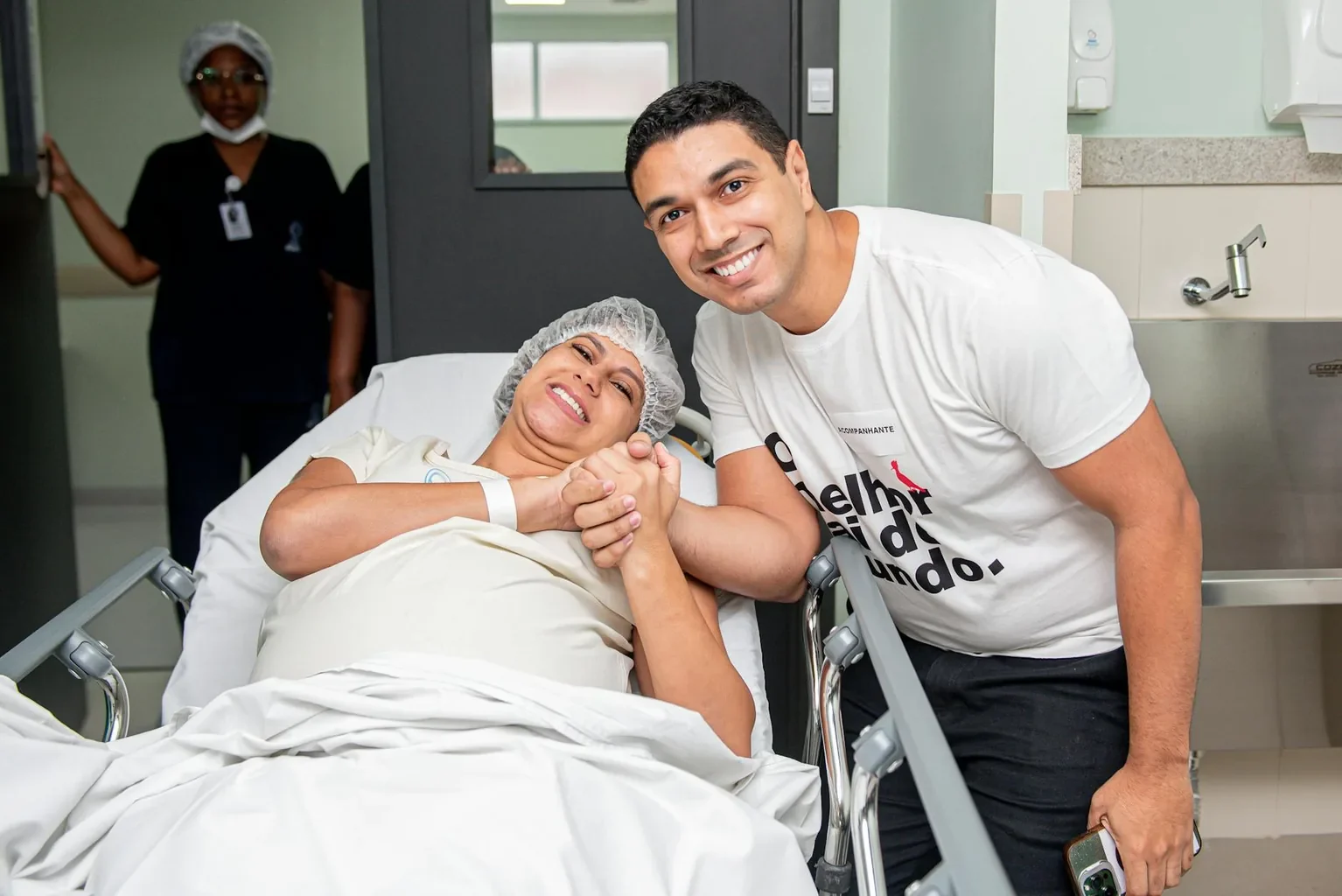
These short, illustrative scenarios reflect common laparoscopic surgery experiences in the United States. They are educational examples and not real patients.
Linda, age 47, laparoscopic cholecystectomy. Linda had several months of right upper abdominal pain after fatty meals. Ultrasound showed gallstones. She had laparoscopic gallbladder removal, went home the same evening, and returned to office work in five days. She has been pain-free for over a year.
Carlos, age 55, laparoscopic hernia repair. Carlos noticed a bulge in his groin during yoga. The surgeon recommended laparoscopic inguinal hernia repair with mesh. The procedure took 60 minutes. He went home the same day, returned to office work in 10 days, and was back to yoga at six weeks.
Aisha, age 32, laparoscopic appendectomy. Aisha developed right lower abdominal pain and was found to have appendicitis. She had laparoscopic appendectomy, stayed one night in the hospital, and returned to work in 10 days. She continues to feel well.
Michael, age 49, robotic-assisted prostatectomy. Michael had localized prostate cancer. After detailed counseling, he chose robotic-assisted prostatectomy. He spent one night in the hospital. He returned to office work in three weeks. He continues regular follow-up with his urologist.
Questions to Ask Your Surgeon
- What is the specific procedure you are recommending, and why?
- Can it be done laparoscopically (or robotically), and why or why not?
- What is the chance of conversion to open surgery?
- What is your team’s complication rate for this procedure?
- How long will my hospital stay likely be?
- What is my expected recovery timeline?
- What pain management plan do you recommend at home?
- What signs of complications should I watch for, and when should I call you?
- When can I return to work, exercise, and travel?
- Will I have any specific dietary instructions?
- What follow-up appointments will I need?
Continue Reading the Laparoscopic Surgery Cluster
- Laparoscopic Surgery: Overview, Types, and What to Expect
- Laparoscopic Surgery: Causes, Diagnosis, and When to Consider Surgery
- Laparoscopic Surgery: Procedure, Recovery, and Rehabilitation
Sources
- American College of Surgeons (ACS). Minimally invasive surgery: outcomes. https://www.facs.org/for-patients/recovering-from-surgery/general-surgery-procedures/
- Society of American Gastrointestinal and Endoscopic Surgeons (SAGES). Patient outcomes resources. https://www.sages.org/patient-resources/
- Centers for Disease Control and Prevention (CDC). Inpatient surgery statistics. https://www.cdc.gov/nchs/fastats/inpatient-surgery.htm
- Centers for Medicare and Medicaid Services (CMS). Coverage information. https://www.medicare.gov/coverage
- Mayo Clinic. Minimally invasive surgery: outcomes and follow-up. https://www.mayoclinic.org/tests-procedures/minimally-invasive-surgery/about/pac-20384771
- Cleveland Clinic. Laparoscopic surgery: outcomes and complications. https://my.clevelandclinic.org/health/treatments/15173-laparoscopy
Medical Disclaimer
The information in this article is for general education and is not a substitute for professional medical advice, diagnosis, or treatment. Always consult a qualified healthcare provider with questions about your procedure, insurance coverage, or specific medical situation.