Arrhythmias and heart rhythm disorders are extraordinarily common in the United States, affecting millions of adults across all age groups. Some arrhythmias are harmless and brief; others can lead to stroke, heart failure, or sudden cardiac death if untreated. This article explains what arrhythmia is, the main types seen in US patients, the symptoms that warrant evaluation, and how the journey typically unfolds from initial concern to specialist care.
For causes, risk factors, and diagnosis, see our causes and diagnosis article. For treatment, prevention, and management, see our treatment article. For US-specific statistics and patient questions, see our FAQ article. When treatment involves procedures, our cardiac ablation cluster and pacemaker cluster cover the next steps.
Significance and Prevalence of Arrhythmia in the United States
Arrhythmias are among the most common cardiovascular conditions in US adults. According to the American Heart Association (AHA) and the Centers for Disease Control and Prevention (CDC):
- Atrial fibrillation (AFib), the most common serious arrhythmia, affects an estimated 6 to 12 million US adults, with prevalence rising sharply with age.
- Sudden cardiac arrest, often caused by life-threatening arrhythmias, claims an estimated 350,000 to 400,000 US lives each year.
- Pacemaker implantation, used for certain bradyarrhythmias (slow heart rhythms), is performed on hundreds of thousands of US patients annually.
- Cardiac ablation, used for various arrhythmias, has grown to a common US electrophysiology procedure.
Many arrhythmias are well-managed today thanks to medications, devices (pacemakers, implantable cardioverter-defibrillators), and ablation techniques.
What Is an Arrhythmia?
An arrhythmia is any disturbance of the heart’s normal rhythm. The heart’s electrical system controls the rate and rhythm of the heartbeat. When that electrical activity becomes too fast, too slow, or irregular, an arrhythmia results. Some arrhythmias produce no symptoms; others can cause palpitations, fatigue, fainting, or — rarely but seriously — sudden cardiac death.
Arrhythmias are classified by:
- Rate: Too fast (tachyarrhythmia, generally over 100 beats per minute), too slow (bradyarrhythmia, generally below 60), or normal rate with irregular rhythm
- Origin in the heart: Upper chambers (atria) — “atrial” or “supraventricular” arrhythmias. Lower chambers (ventricles) — “ventricular” arrhythmias. Conduction system issues — “heart block” or AV block
- Pattern: Continuous, intermittent, or triggered by specific events
Most healthy adults experience occasional “extra beats” or brief irregularities that are not dangerous. Persistent or symptomatic arrhythmias warrant evaluation.
How the Heart’s Electrical System Works

The heart’s pumping is coordinated by an electrical system. A specialized cluster of cells called the sinoatrial (SA) node, in the upper right chamber, fires regularly to set the pace. The signal travels through the atria (upper chambers), pauses at the atrioventricular (AV) node, then spreads through the ventricles (lower chambers), causing the pumping muscles to contract in sequence.
When this system functions normally, it produces a regular, coordinated heartbeat at 60 to 100 beats per minute. Issues anywhere along the pathway can produce different types of arrhythmias:
- SA node dysfunction — sick sinus syndrome (often slow heart rates)
- Atrial-level disturbances — atrial fibrillation, atrial flutter, supraventricular tachycardia
- AV node / conduction problems — AV blocks (first, second, or third-degree)
- Ventricular-level issues — ventricular tachycardia, ventricular fibrillation
Heart structural issues, medications, electrolyte imbalances, and many other factors can contribute.
Main Types of Arrhythmia
US clinicians group arrhythmias into several major categories. Each has different implications and treatment approaches.
Atrial fibrillation (AFib). The most common serious arrhythmia. The atria quiver chaotically instead of contracting normally, leading to an irregular and often rapid heart rate. AFib raises stroke risk significantly and can cause palpitations, fatigue, and reduced exercise capacity. Treatment includes rate control, rhythm control, and stroke prevention with anticoagulants.
Atrial flutter. Similar to AFib but with a more organized fast atrial rate. Treatment is similar.
Supraventricular tachycardia (SVT). Sudden, rapid heart rate originating above the ventricles. Can cause palpitations, lightheadedness, or fainting. Often treatable with medications or cardiac ablation.
Sinus tachycardia. A faster-than-normal sinus rhythm. Usually a normal response to exercise, fever, or stress; rarely problematic on its own.
Sinus bradycardia. A slower-than-normal sinus rhythm. Common in athletes; may be problematic if it causes symptoms.
Sick sinus syndrome. SA node dysfunction with various rhythm disturbances. Often treated with pacemaker.
Heart block (AV block). A delay or interruption in conduction from atria to ventricles. First-degree (mild delay), second-degree (some signals blocked), third-degree (no conduction). Higher-grade blocks often require pacemaker.
Ventricular tachycardia (VT). A fast rhythm originating in the ventricles. Can be sustained or non-sustained, stable or unstable. Some forms are life-threatening and require urgent treatment.
Ventricular fibrillation (VF). A chaotic, ineffective ventricular rhythm. Causes sudden cardiac arrest. Requires immediate defibrillation. The most common rhythm in cardiac arrest.
Premature beats (PVCs and PACs). Extra beats from atria (PACs) or ventricles (PVCs). Very common; usually harmless in occasional amounts. Frequent or symptomatic premature beats may warrant evaluation.
Long QT syndrome and other inherited arrhythmias. Genetic conditions that predispose to dangerous arrhythmias. Often require specialized care.
Common Symptoms of Arrhythmia
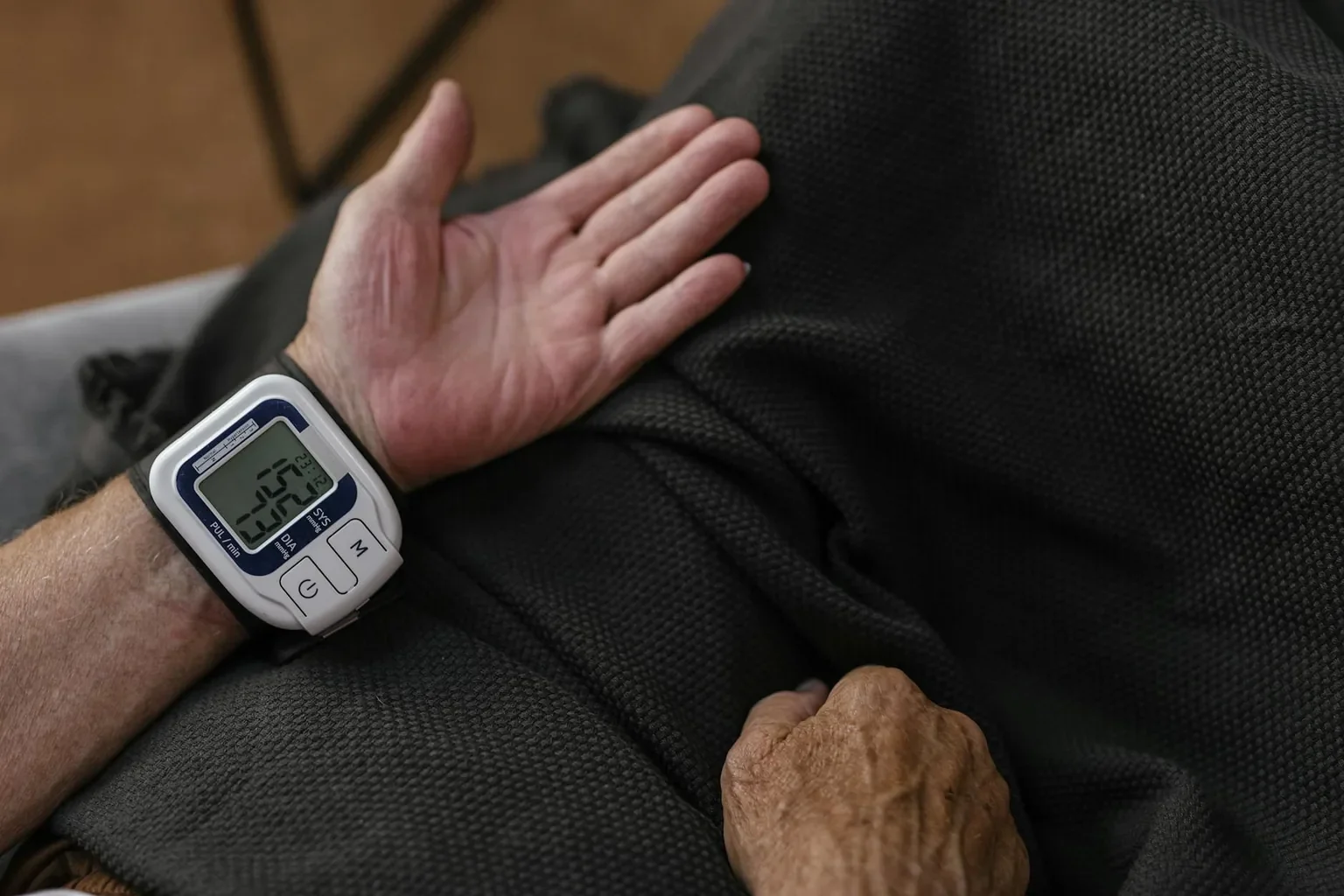
Arrhythmia symptoms vary widely. Some patients have none; others have prominent symptoms even with relatively minor rhythm changes.
Common patterns include:
- Palpitations — feeling that the heart is racing, fluttering, pounding, or skipping beats
- Fatigue or reduced exercise tolerance
- Lightheadedness or dizziness
- Shortness of breath
- Chest pain or pressure
- Fainting (syncope) or near-fainting
- Anxiety or feeling of impending doom
Severe symptoms that warrant urgent evaluation:
- Sudden loss of consciousness
- Severe chest pain
- Severe shortness of breath
- Stroke symptoms (face droop, arm weakness, speech difficulty) — possible with AFib
- A heart rate consistently below 40 or above 150 beats per minute with symptoms
Call 911 for sudden collapse, severe chest pain, severe shortness of breath, or stroke symptoms.
Who Tends to Develop Arrhythmia?
Many factors contribute to arrhythmia development. Age is the strongest risk factor for the most common serious arrhythmias.
- Age (especially over 65)
- High blood pressure
- Coronary artery disease
- Prior heart attack
- Heart valve disease
- Heart failure
- Diabetes
- Thyroid disease (especially hyperthyroidism)
- Sleep apnea
- Obesity
- Alcohol use (especially “holiday heart” pattern with binge drinking)
- Caffeine and stimulants in some individuals
- Family history of arrhythmia or sudden cardiac death
- Inherited rhythm syndromes
- Smoking
- Certain medications
- Electrolyte imbalances (especially potassium and magnesium)
The detailed causes and diagnostic process are covered in our causes and diagnosis article.
Early Warning Signs Worth Evaluating
Symptoms that should prompt a primary care or cardiology visit:
- Recurring palpitations, especially with lightheadedness
- New irregular pulse noticed at home or by a watch/wearable device
- Unexplained fainting or near-fainting
- New or worsening shortness of breath
- Family history of sudden death or inherited arrhythmia
- New symptoms with exercise that didn’t happen before
Many wearable devices (smartwatches, fitness bands) can detect possible arrhythmias; bring those reports to your medical visit.
Your Arrhythmia Journey at a Glance
The typical US arrhythmia journey starts with either symptoms, an incidental finding on a routine exam, or an alert from a wearable device. The primary care doctor obtains an electrocardiogram (ECG/EKG), basic blood work, and often refers to a cardiologist or electrophysiologist for further evaluation.
Diagnostic testing may include extended ECG monitoring (Holter monitor, event monitor, implantable loop recorder), echocardiogram, stress testing, and sometimes electrophysiology studies. Based on findings, treatment is tailored: medications, lifestyle changes, anticoagulation (for AFib), pacemaker (for bradyarrhythmias), implantable defibrillator (for high risk of sudden death), or cardiac ablation (for many arrhythmias).
Most patients with common arrhythmias do well on individualized treatment. Many resume normal activities within weeks of starting therapy or having procedures.
Frequently Asked Questions
Are palpitations always a sign of a serious problem?
No. Brief, occasional palpitations are very common and usually harmless. Recurring palpitations, those associated with lightheadedness or fainting, or those occurring with chest pain warrant evaluation.
Can stress cause arrhythmia?
Stress can trigger or worsen palpitations and certain arrhythmias in susceptible patients. Sustained stress, anxiety, or panic disorders can contribute to symptomatic episodes.
Can I exercise with arrhythmia?
Depends on the specific arrhythmia. Many people with controlled arrhythmias can exercise normally; certain conditions require specific precautions. Always discuss exercise plans with your cardiologist.
Continue Reading the Arrhythmia Cluster
- Arrhythmia: Causes, Risk Factors, and Diagnosis
- Arrhythmia: Treatment, Prevention, and Management
- Arrhythmia: FAQs, Statistics, and Patient Stories
- Cardiac Ablation: Overview and Symptoms
- Pacemaker Implantation: Overview and Symptoms
Sources
- American Heart Association (AHA). Arrhythmia. https://www.heart.org/en/health-topics/arrhythmia
- American College of Cardiology (ACC). Arrhythmia patient resources. https://www.acc.org/
- Centers for Disease Control and Prevention (CDC). Atrial fibrillation. https://www.cdc.gov/heartdisease/atrial_fibrillation.htm
- National Heart, Lung, and Blood Institute (NHLBI). Arrhythmia. https://www.nhlbi.nih.gov/health/arrhythmias
- Mayo Clinic. Arrhythmia: symptoms and causes. https://www.mayoclinic.org/diseases-conditions/heart-arrhythmia/symptoms-causes/syc-20350668
- Cleveland Clinic. Heart arrhythmias. https://my.clevelandclinic.org/health/diseases/16749-arrhythmia
- NIH MedlinePlus. Arrhythmia. https://medlineplus.gov/arrhythmia.html
Medical Disclaimer
The information in this article is for general education and is not a substitute for professional medical advice, diagnosis, or treatment. Always consult a qualified cardiologist or healthcare professional with questions about heart rhythm symptoms or treatment. Call 911 immediately for sudden collapse, severe chest pain, severe shortness of breath, or stroke symptoms.