Medically reviewed by the Know Your Surgery Editorial Team. Last reviewed: May 2026.
Once a kidney stone procedure is decided, most patients want to know exactly what happens next. Kidney stone removal in the United States follows well-established pathways that vary by technique. This article walks through preparation, each procedure step by step, anesthesia, and what recovery typically looks like over the days and weeks that follow.
If you have not yet read about why a procedure may be needed, our causes, diagnosis, and decision article covers how the decision is made.
Preparing for Kidney Stone Removal
Most kidney stone procedures are scheduled in advance, although urgent cases (such as an infected, blocked stone) can happen the same day. The urology team typically:
- Reviews recent imaging to confirm stone size and location
- Reviews medications, including blood thinners and diabetes medications
- Orders pre-operative blood and urine tests
- Asks the patient to fast for several hours before the procedure
- Performs an anesthesia consultation
- Discusses the procedure plan, including whether a ureteral stent will be placed
- Discusses informed consent, including risks and recovery expectations
Patients arrive at the surgery center or hospital, change into a gown, and are prepared for the procedure room.
Ureteroscopy with Laser Lithotripsy (URS) Step by Step
URS is the most common kidney stone procedure in the US for stones in the ureter and many stones in the kidney. The full procedure usually takes 30 to 90 minutes.
- Anesthesia is administered (general anesthesia or deep sedation).
- The patient is positioned on the procedure table, usually on their back with legs supported.
- A thin scope (ureteroscope) is gently passed through the urethra into the bladder, then up the ureter to the stone.
- A small laser fiber is passed through the scope and used to break the stone into tiny fragments.
- A small basket is used to remove larger fragments. Smaller fragments may be left to pass naturally in the urine.
- A ureteral stent (a soft, flexible tube) is often placed temporarily to help the ureter heal and drain. The stent stays in for a few days to a few weeks.
- The scope is removed, and the patient is moved to a recovery area.
There are no incisions. Most patients go home the same day.
Shock Wave Lithotripsy (SWL) Step by Step
SWL is non-invasive and works by sending focused sound waves through the skin to the stone. It is best for smaller, softer stones in the kidney or upper ureter. The full procedure typically takes 30 to 60 minutes.
- Sedation or general anesthesia is administered, usually with the patient lying on a special table.
- Imaging (X-ray or ultrasound) is used to locate the stone precisely.
- Focused shock waves are aimed at the stone from outside the body. The number of shocks is tailored to the stone size.
- The stone breaks into small pieces that pass in the urine over days to weeks.
- No incisions are made, and most patients go home the same day.
A ureteral stent may be placed if the urologist anticipates many fragments needing to pass.
Percutaneous Nephrolithotomy (PCNL) Step by Step
PCNL is the standard for large stones (typically over 2 cm), staghorn stones, and stones that cannot be cleared by URS or SWL. The full procedure usually takes 1 to 3 hours.
- General anesthesia is administered.
- The patient is positioned on their stomach or side.
- Imaging guidance is used to plan a small entry point into the kidney through the back.
- A small incision (less than half an inch) is made in the back over the kidney.
- A guide wire and tract dilators are used to create a small tunnel into the kidney.
- A scope and instruments are passed through the tract to break up and remove the stone, often using ultrasonic, laser, or pneumatic energy.
- A nephrostomy tube or ureteral stent is often left in place to drain the kidney while it heals.
- The skin incision is closed with sutures or surgical glue.
- The patient is moved to a recovery area, then admitted to the hospital for one to two nights.
PCNL is more invasive than URS or SWL but is highly effective for large stones.
Anesthesia for Kidney Stone Procedures
Anesthesia depends on the procedure:
- URS: general anesthesia or deep sedation
- SWL: sedation or, in some patients, general anesthesia
- PCNL: general anesthesia
The anesthesia team monitors the patient closely throughout, including breathing, heart rhythm, and oxygen levels. Modern anesthesia is highly safe. Risks are higher in patients with significant heart, lung, or kidney disease, and the anesthesia team accounts for these factors.
What Happens Right After the Procedure

Patients are moved to a recovery area, where anesthesia gradually wears off over 30 to 90 minutes. Many patients have flank or bladder discomfort, which is well managed with medication. Some patients have temporary blood in the urine (pink to red) for a few days, which is normal.
If a ureteral stent is in place, patients may notice frequent urination, mild burning, or a feeling that they need to urinate even when their bladder is not full. These stent symptoms are common and resolve once the stent is removed.
For URS and SWL, patients are usually discharged the same day. For PCNL, patients are admitted for one to two nights.
Recovery Timeline
Recovery depends on the procedure.
Ureteroscopy (URS).
- Day 1: rest, hydration, and pain control with NSAIDs and acetaminophen. Some blood in the urine is normal.
- Days 1 to 3: most patients return to light activity. Driving is safe once off prescription pain medication.
- Days 3 to 7: many patients return to office work.
- Stent removal: a brief office procedure (or a stent with a string that the patient removes at home, depending on the urologist).
Shock Wave Lithotripsy (SWL).
- Day 1: rest, hydration. Bruising on the back is possible.
- Days 1 to 3: stone fragments begin passing. Pain may come in waves as fragments move down the ureter.
- Days 3 to 14: most fragments pass.
- Most patients return to most activities within a few days, with full recovery in 1 to 2 weeks.
Percutaneous Nephrolithotomy (PCNL).
- Days 1 to 2 in the hospital: pain control, walking, and tube/stent management.
- Week 1 at home: rest, gradual return to light activity, no heavy lifting.
- Weeks 2 to 3: many patients return to office work.
- Weeks 4 to 6: full recovery for most patients, with all activity restrictions lifted by the urologist at follow-up.
These timelines are general. Patients with complications (infection, persistent stones) may take longer. Always follow your urologist’s specific instructions.
Hydration, Diet, and Stone Passage
After any kidney stone procedure, drinking enough water is the single most important recovery step. Most urologists recommend enough fluid to produce 2 to 3 liters of urine per day, which usually requires drinking 2.5 to 3 liters of water (or more in hot weather and during exercise).
Most patients can resume a normal diet quickly. Specific dietary changes (lower sodium, lower oxalate, balanced calcium intake) may be recommended based on stone analysis to prevent future stones.
Patients are often asked to strain their urine for several days to catch passing fragments for analysis.
Pain Management
Pain after kidney stone procedures is typically well controlled with:
- Scheduled doses of acetaminophen
- NSAIDs (such as ibuprofen) if approved by the urologist
- A short course of prescription pain medication if needed
- Heating pads on the back
- Adequate hydration to flush fragments
Severe pain that is worsening, fever, or inability to urinate should prompt immediate contact with the urologist. Stent symptoms (urgency, frequency, mild burning) typically respond to medications such as oxybutynin or tamsulosin if needed.
Activity Restrictions and Common-Sense Care
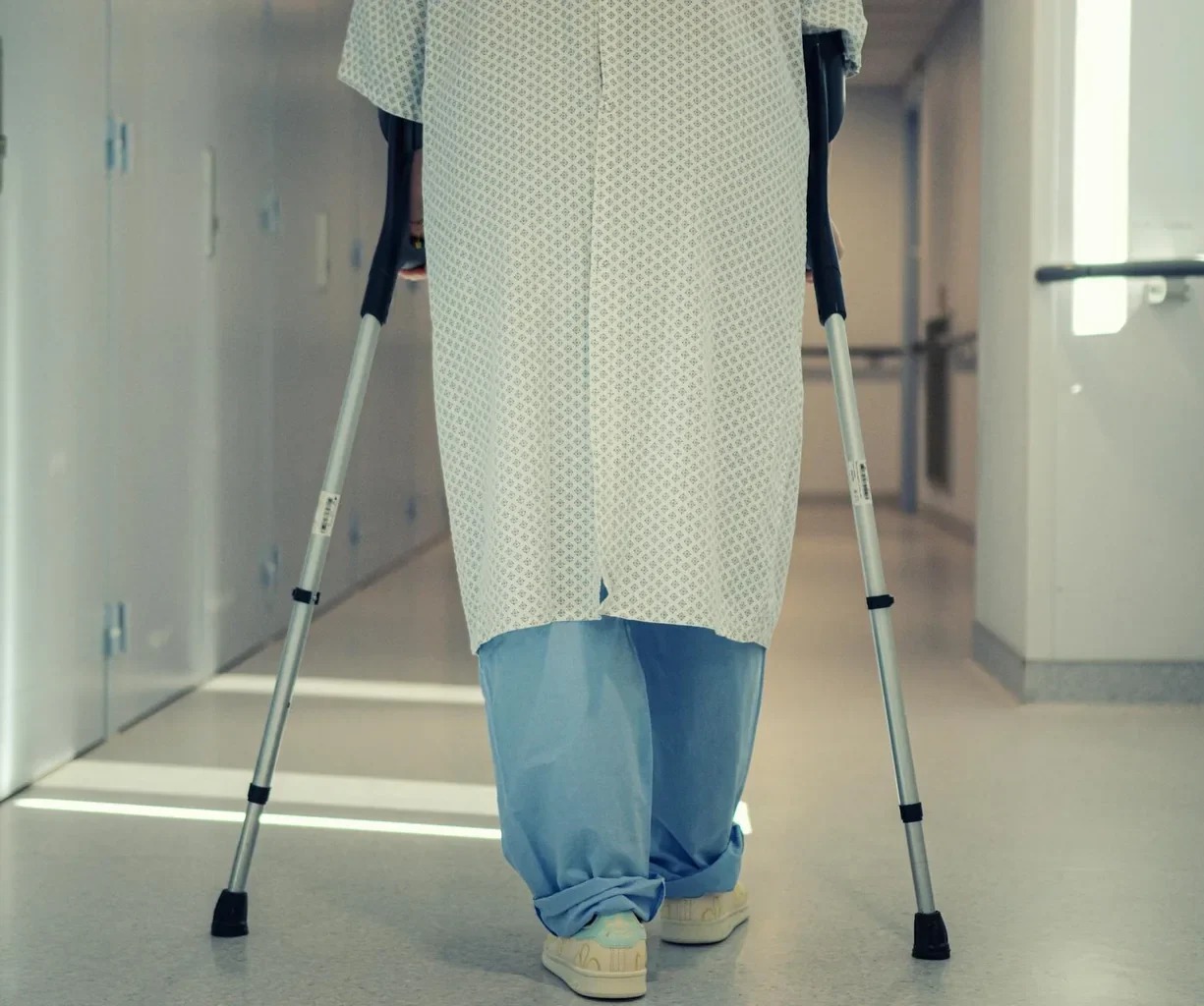
In the first 1 to 4 weeks after a procedure, the urinary tract is healing. Common restrictions include:
- No heavy lifting (typically over 10 to 15 pounds) for one to four weeks, depending on procedure
- No driving until off prescription pain medication and any sedating medication
- No strenuous exercise until cleared by the urologist
- Walking is encouraged from day one
- No swimming or hot tubs until any incisions or tubes are removed and healed
- Sexual activity typically resumes when comfortable; with a stent in place, the urologist may suggest waiting a few days
Detailed warning signs are covered in our FAQs and statistics article.
Stent Care and Removal
If a ureteral stent is in place, the urologist will give specific care instructions:
- Drink plenty of water to flush the system
- Notice that mild urinary symptoms are normal: urgency, frequency, mild flank discomfort
- Avoid heavy lifting while the stent is in
- Plan for stent removal, typically a brief office procedure with local anesthesia (some stents have a string and can be removed at home, depending on the urologist’s plan)
Stents are usually removed within 1 to 4 weeks. Some patients need a longer course depending on the stone and procedure.
Follow-Up Appointments
A typical follow-up schedule includes:
- Phone or in-person check during the first week
- Office visit at 2 to 4 weeks for stent removal (if applicable)
- Repeat imaging at 4 to 12 weeks to confirm the kidney is clear of stones
- 24-hour urine collection for patients with recurrent stones, to guide prevention
- Stone analysis review to discuss future prevention
Rehabilitation and Long-Term Outlook
Most patients recover fully and return to all normal activities within a few weeks. The kidneys, ureters, and bladder remain in place. Long-term outlook depends on stone prevention. Without preventive care, recurrence rates can approach 50 percent over 10 years; with attention to hydration, diet, and any underlying metabolic issues, recurrence is much lower.
Long-term, the small skin scars from PCNL fade. URS and SWL leave no scars.
Continue Reading the Kidney Stone Removal Cluster
- Kidney Stone Removal: Overview, Types, and What to Expect
- Kidney Stone Removal: Causes, Diagnosis, and When to Consider Surgery
- Kidney Stone Removal: FAQs, Statistics, and Patient Stories
- Kidney Stone Removal Recovery Checklist: What to Expect Week by Week
Sources
- American Urological Association (AUA). Surgical management of stones guideline. https://www.auanet.org/guidelines-and-quality/guidelines
- National Institute of Diabetes and Digestive and Kidney Diseases (NIDDK). Kidney stones: treatment. https://www.niddk.nih.gov/health-information/urologic-diseases/kidney-stones/treatment
- Centers for Disease Control and Prevention (CDC). Kidney disease statistics. https://www.cdc.gov/kidney-disease/data-research/
- Mayo Clinic. Kidney stones: treatment and recovery. https://www.mayoclinic.org/diseases-conditions/kidney-stones/diagnosis-treatment/drc-20355759
- Cleveland Clinic. Ureteroscopy and PCNL: procedure and recovery. https://my.clevelandclinic.org/health/treatments/15522-ureteroscopy
Medical Disclaimer
The information in this article is for general education and is not a substitute for professional medical advice, diagnosis, or treatment. Always consult a qualified healthcare provider with questions about your procedure, medications, or recovery. Never disregard professional medical advice or delay in seeking it because of something you have read here. If you experience severe flank pain, fever, chills, heavy bleeding, or inability to urinate after a procedure, contact the urologist immediately or go to the nearest emergency department.