

Causes of Cardiac Arrhythmias
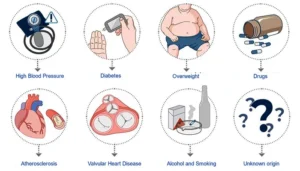
There are various types of cardiac arrhythmias which include those that are caused by heart diseases and those attributed to daily activities.
Heart Disease
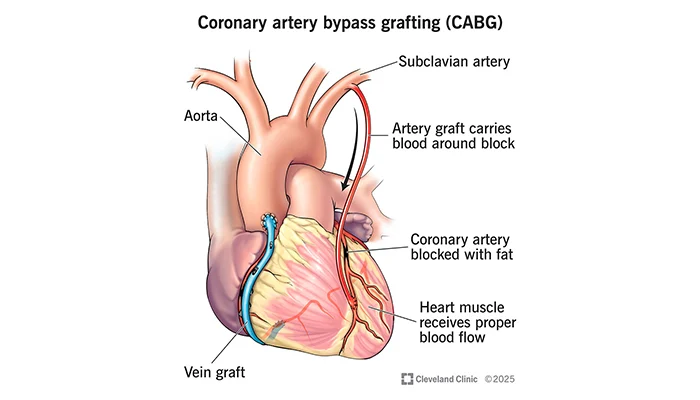
Conditions like the reduction or blockage of the blood vessels involves the principal arteries of the heart which is the coronary arteries. Valve diseases may also affect the process of blood inflow and outflow in the heart and can somewhat influence the standard electrical functioning of the heart. Therefore, cardiomyopathy, the disease of the heart muscle that prevent the rhythm of heart, may also cause arrhythmias.
Electrolyte Imbalance
These are minerals in the body that help carry electricity in the nerves called electrolytes. The concentration of several fundamental electrolytes such as potassium, sodium, calcium and magnesium affects the electrical activity required for proper heart rhythm. Abnormal levels of these ions can cause heart rhythm disturbances. The fluctuations of these ions may lead to the creation of arrhythmias since the normal functioning of the human heart depends on the balance of its ions.
High Blood Pressure
Hypertension, or high blood pressure, is a condition that strains the heart, forcing it to work harder than normal. This increased workload can lead to various cardiovascular issues over time. The strain affects the normal electrical signaling of the heart that can increase the risk for developing arrhythmias. It is like adding more pressure on a pump, thus making the activity of the pump more difficult.
Thyroid Disorders
Thyroid gland is your regulator of the significant functions such as the heart rate and rhythm. One of the conditions encountered in patients with this disease is hyperthyroidism, where the affected thyroid is overly active. Conversely, hypothyroidism occurs when the affected thyroid is underactive. Both conditions can affect heart function and contribute to arrhythmias.
Age
As we grow older, the heart muscles naturally weaken, and the structure of the heart undergoes consistent changes over time. These modifications can more likely lead to an arrhythmia. It is a condition where the electrical system of the heart does not work as effectively as it did when you were younger. Briefly, one could consider it as the heart’s internal clock gradually losing accuracy over time. This increases the chance of rhythm abnormalities occurring.
Medications
Specific drugs in the treatment of diverse diseases could affect the heart rhythm. This is exactly how beta-blockers work. They are regularly used for treating high blood pressure by lowering the heart rate and its workload. Balanced with the advantage of controlling systolic blood pressure, these medications may occasionally interfere with heart rhythm leading to arrhythmias. Such medications mostly administered to treat the arrhythmias unintentionally cause irregular heart rates as a side effect.
Alcohol and Caffeine
Many kinds of alcohol and caffeine products can be an unintended stimulant to the heart affecting its rhythm. Consider it as you are providing that treat for your heart but too much of it can bring about irregular heart-beats. Some people, particularly those sensitive to these substances, may experience arrhythmia with increased consumption. This can make the heart feel like it’s skipping a beat or racing.
Stress and Anxiety
When your body is under a lot of pressure or becomes stressed nerves for you heart can start working a lot faster or irregularly. It’s like your heart becoming aware of and responding to a sudden raid of adrenaline, anticipating the action immediately. You may also experience a fast heartbeat, commonly referred to as palpitations. These are distinguished by a heart that feels like it’s pounding or fluttering in your chest. As time goes by, continuous stress or anxiety can result in arrhythmias, characterized by irregular heart rhythms. This occurs as the heart’s rhythm becomes more erratic.
Diagnosis of Cardiac Arrhythmias
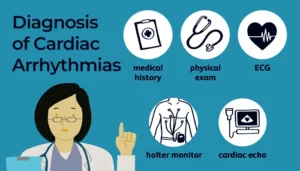
The diagnosis of cardiac arrhythmia is based on a comprehensive health history of the patient. Here’s how physicians assess and evaluate this history as part of the diagnosis process for arrhythmias.
Medical History Review
The doctor may meet you and ask about your health history. They look at what are the symptoms you are having now, your past health problems and if there is a family history of heart disease. Besides that, they will inquire about the medications you take and your lifestyle habits, such as smoking or level of activity. This helps them accurately diagnose the cause of these irregular heartbeats and understand the basis of heart failure.
Physical Examination
Besides the talk, the doctor will do a physical examination of you to monitor your physical condition. You can put the hearing aids on your ears to listen to your heart and check for any abnormal sounds or vibrations. Besides, they will also test your blood pressure and heart rate to acquire more data about your general heart condition.
Electrocardiogram (ECG or EKG)
The ECG, which is the heart’s primary method of diagnosing arrhythmia, is a method that does not involve any surgery and gives the instant knowledge of the heart’s electrical activity. Through the skin placement of the electrodes, the ECG is able to record the heart rhythm and the waveform patterns, thus it is possible to detect the arrhythmias and to have a view of the whole heart’s process.
Holter Monitor
This device is the one that records the electrical activity of your heart during the day or for two days. It’s like having a small heart monitor with you at all times, basically. It is perfect for detecting any non-continuous heartbeats, allowing them to be spotted during a short heart test. This assists the doctor in discovering what’s happening with your heart and thus, in developing the appropriate medicine.
Event Monitor
This monitor, related to the Holter monitor, can be worn for a longer period, even up to a month. You activate it yourself when you feel something strange with your heart. It’s similar to having a button which you can press when you are feeling strange. Thus, your doctor can find out whether there is a connection between your signs and the condition of your heart. It aids in the detection of sporadic problems in heart rhythm that are not continuous.
Echocardiogram
This is like taking pictures of your heart using sound waves. It’s painless and doesn’t use any radiation. It helps the doctor see how your heart looks and works. They can check its size, shape, and how well it’s pumping blood. It’s almost like getting an ultrasound but for your heart rather than a baby. This enables the doctor to detects if there are any heart-related problems that might be the cause of the rhythm problems.
Stress Test
This is the test that measures how your heart is working during exercise. You can run on a treadmill or ride a bike while your heart rate, blood pressure and heart rate are monitored. It’s like a way to work your heart out to see how it can handle it. This helps the doctor determine if there are any irregularities in your heartbeat that only show up when you move around.
Electrophysiology Study (EPS)
This test is done in a clinic and is somewhat complicated. The thin wire is inserted into a blood vessel and guided to your heart. These wires are in your heart for measuring electrical signals and detecting faults. Like a comprehensive examination of the electrical system of the heart, the cause of myocardial infarction can be identified. This allows the doctor to decide on the appropriate treatment, such as a heart transplant.
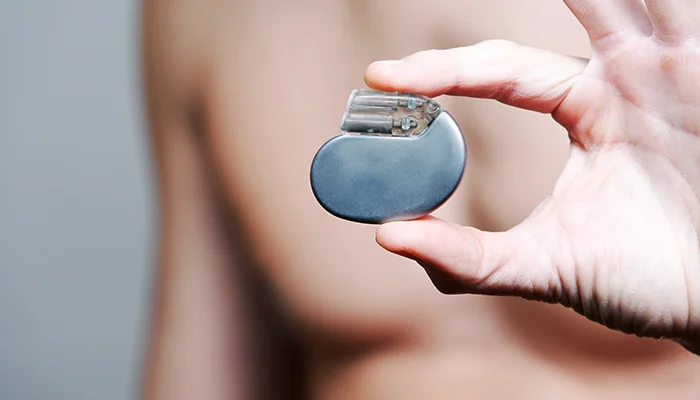
Knowledge of the causes and diagnosis of arrhythmias is one of the keys to successfully managing and treating this disease By identifying potential troublemakers and using diagnostic tests use to assess heart rhythm and function, healthcare professionals can develop a treatment plan for each patient You should then seek immediate medical advice. Your healthcare provider can carry out the proper tests, identify the real reason for your symptoms, and suggest the most proper treatment options, which may be cardiac ablation, that will help your heart’s rhythm and hence, will make your life better.








:max_bytes(150000):strip_icc()/arrhythmia-diagnosis1-5af1c82c8023b900377feab2.png)