Breast cancer treatment in the United States has advanced enormously over the past decades. Today’s care is highly individualized, drawing on a wide range of modalities — surgery, radiation, chemotherapy, hormone therapy, HER2-targeted therapy, and immunotherapy. Most US patients with early-stage disease have excellent outcomes. Even advanced disease often responds significantly to modern treatment. This article walks through the full range of options, when each is used, prevention strategies, and long-term survivorship.
For symptoms and types, see our overview article. For causes and diagnosis, see our causes article. When surgery is needed, our mastectomy cluster covers the surgical pathway in detail.
Treatment Approaches at a Glance
US breast cancer treatment is led by a multidisciplinary team including:
- Medical oncology — chemotherapy, hormone therapy, targeted therapy
- Surgical oncology — lumpectomy or mastectomy
- Radiation oncology — radiation therapy
- Plastic surgery — breast reconstruction
- Pathology — tumor characterization
- Genetic counseling — when relevant
- Nursing, social work, nutrition, mental health — supportive care
Treatment plans are tailored based on tumor type, stage, receptor status (ER, PR, HER2), genetic findings, and patient preferences.
Surgery
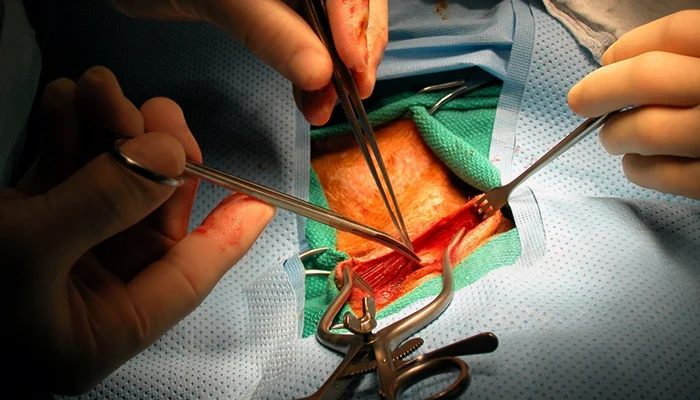
Surgery is a cornerstone of breast cancer treatment for most patients.
Lumpectomy (breast-conserving surgery). Removes the tumor with a margin of normal tissue while preserving the breast. Almost always followed by radiation. Suitable for many early-stage cancers.
Mastectomy. Removes the entire breast. Used for larger or multifocal cancers, certain genetic risk situations, patient preference, or when lumpectomy is not appropriate. May be combined with breast reconstruction. Several types exist:
- Simple/total mastectomy
- Modified radical mastectomy
- Skin-sparing mastectomy
- Nipple-sparing mastectomy
- Prophylactic (risk-reducing) mastectomy
Lymph node surgery.
- Sentinel lymph node biopsy — assesses spread to nearby lymph nodes; standard for many early cancers
- Axillary lymph node dissection — more extensive node removal when needed
Breast reconstruction. Many women choose reconstruction after mastectomy, either immediate (at the time of mastectomy) or delayed. Reconstruction options include implant-based and autologous tissue (using patient’s own tissue from the abdomen or other sites).
Full mastectomy procedure details are covered in our mastectomy cluster, evaluation article, and procedure and recovery article.
Radiation Therapy
Targeted high-energy radiation to kill cancer cells. Commonly used after lumpectomy and sometimes after mastectomy.
External beam radiation. The most common form. Daily sessions over several weeks.
Hypofractionated regimens. Newer shorter courses, increasingly standard.
Brachytherapy (internal radiation). A radiation source placed near the tumor bed for select patients.
Proton therapy. Used in specific situations.
Common side effects include skin changes at the treatment site and fatigue.
Chemotherapy

Drugs that kill rapidly dividing cells. Used in various settings:
- Neoadjuvant — before surgery to shrink the tumor
- Adjuvant — after surgery to reduce recurrence risk
- Metastatic — for advanced disease
Common regimens use combinations of anthracyclines (doxorubicin), taxanes (paclitaxel), cyclophosphamide, and others. Choice depends on cancer type, stage, and patient factors.
Side effects vary by regimen and may include fatigue, nausea, hair loss, lowered blood counts, neuropathy, and others. Modern supportive care substantially mitigates many side effects.
Hormone (Endocrine) Therapy
For hormone receptor-positive (ER+ and/or PR+) breast cancers, which represent the majority of cases.
Tamoxifen. Used in pre- and postmenopausal women. Typically 5-10 years of treatment.
Aromatase inhibitors (anastrozole, letrozole, exemestane). Used in postmenopausal women. Often 5-10 years.
Ovarian suppression (gonadotropin-releasing hormone agonists). Used in selected pre-menopausal women.
Fulvestrant. Used in advanced disease.
Hormone therapy significantly reduces recurrence risk in ER+ cancers and is often the longest-running part of treatment.
HER2-Targeted Therapy
For HER2-positive cancers (about 15-20 percent of breast cancers):
- Trastuzumab (Herceptin) — the original HER2-targeted antibody
- Pertuzumab (Perjeta) — often combined with trastuzumab
- T-DM1 (Kadcyla) — antibody-drug conjugate
- T-DXd (Enhertu) — newer antibody-drug conjugate
- Tyrosine kinase inhibitors (lapatinib, neratinib, tucatinib) — oral targeted agents
These therapies have dramatically improved HER2+ breast cancer outcomes.
Immunotherapy
For specific cancer subtypes (especially triple-negative breast cancer and some others):
- Pembrolizumab — checkpoint inhibitor used in combination regimens
Indications are evolving as research advances.
Newer Targeted Therapies
- CDK4/6 inhibitors (palbociclib, ribociclib, abemaciclib) — for ER+ metastatic disease
- PARP inhibitors (olaparib, talazoparib) — for BRCA-mutated cancers
- PI3K inhibitors (alpelisib) — for PIK3CA-mutated cancers
- Antibody-drug conjugates for various subtypes
Treatment is rapidly evolving — your oncology team will discuss what applies to your specific cancer.
Treatment by Stage
DCIS (stage 0): Lumpectomy + radiation (or mastectomy). Hormone therapy for ER+ DCIS.
Stage I-II (early invasive): Lumpectomy + radiation OR mastectomy. Chemotherapy when indicated by tumor biology. Hormone therapy for ER+. HER2 therapy for HER2+. Sentinel node biopsy.
Stage III (locally advanced): Often neoadjuvant chemotherapy, then surgery, then radiation. Hormone and/or HER2 therapy as appropriate.
Stage IV (metastatic): Goal is disease control and quality of life, not cure. Systemic therapy is the mainstay; surgery and radiation used for symptom management. Modern treatment can extend life significantly.
Prevention of Breast Cancer
While not all breast cancer can be prevented, several strategies reduce risk in US women:
- Maintain a healthy weight, especially after menopause
- Limit alcohol (the less the better)
- Exercise regularly
- Breastfeed if possible
- Limit hormone replacement therapy to the lowest dose and shortest duration when needed
- Don’t smoke
- Consider risk-reduction strategies for very high-risk patients:
– Risk-reducing medications (tamoxifen, raloxifene, aromatase inhibitors) – Risk-reducing surgery (prophylactic mastectomy and/or oophorectomy in BRCA mutation carriers)
- Follow recommended screening for your risk level
- Discuss family history with your doctor; consider genetic counseling
Long-Term Management and Survivorship

After active treatment:
- Surveillance: Regular follow-up visits, physical exams, and imaging
- Hormone therapy adherence for several years (for ER+ cancers)
- Lifestyle measures: Exercise, healthy diet, weight management
- Bone health monitoring (especially with aromatase inhibitors)
- Cardiac monitoring (after certain chemo or HER2 therapies)
- Lymphedema awareness and management
- Mental health support — anxiety, depression, fear of recurrence are common
- Sexual health and fertility counseling as relevant
- Survivorship care plan
When Treatment Becomes Urgent
Certain symptoms warrant urgent medical attention:
- New severe pain
- Signs of infection (fever, redness, drainage)
- Severe shortness of breath
- Sudden weakness or neurological symptoms
- Severe medication side effects
- Concerns about treatment response
Contact your oncology team promptly with new or worsening symptoms.
How the Decision Is Made
Treatment choices depend on:
- Cancer type, grade, and stage
- Receptor status (ER, PR, HER2)
- Genetic findings
- Patient health, age, and preferences
- Treatment burden considerations
- Surgical preferences (reconstruction, conservation)
- Fertility considerations
- Insurance coverage
The multidisciplinary team and patient collaborate on individualized plans.
Continue Reading the Breast Cancer Cluster
- Breast Cancer: Overview, Types, and Symptoms
- Breast Cancer: Causes, Risk Factors, and Diagnosis
- Breast Cancer: FAQs, Statistics, and Patient Stories
- Mastectomy: Procedure, Recovery, and Rehabilitation
Sources
- American Cancer Society (ACS). Treating breast cancer. https://www.cancer.org/cancer/types/breast-cancer/treatment.html
- National Cancer Institute (NCI). Breast cancer treatment. https://www.cancer.gov/types/breast/patient/breast-treatment-pdq
- National Comprehensive Cancer Network (NCCN). Patient guidelines for breast cancer. https://www.nccn.org/
- U.S. Food and Drug Administration (FDA). Breast cancer drug approvals. https://www.fda.gov/
- Susan G. Komen Foundation. Treatment information. https://www.komen.org/
- Mayo Clinic. Breast cancer treatment. https://www.mayoclinic.org/diseases-conditions/breast-cancer/diagnosis-treatment/drc-20352475
- Cleveland Clinic. Breast cancer. https://my.clevelandclinic.org/health/diseases/3986-breast-cancer
Medical Disclaimer
The information in this article is for general education and is not a substitute for professional medical advice, diagnosis, or treatment. Always consult a qualified oncologist and your multidisciplinary care team about breast cancer treatment decisions.