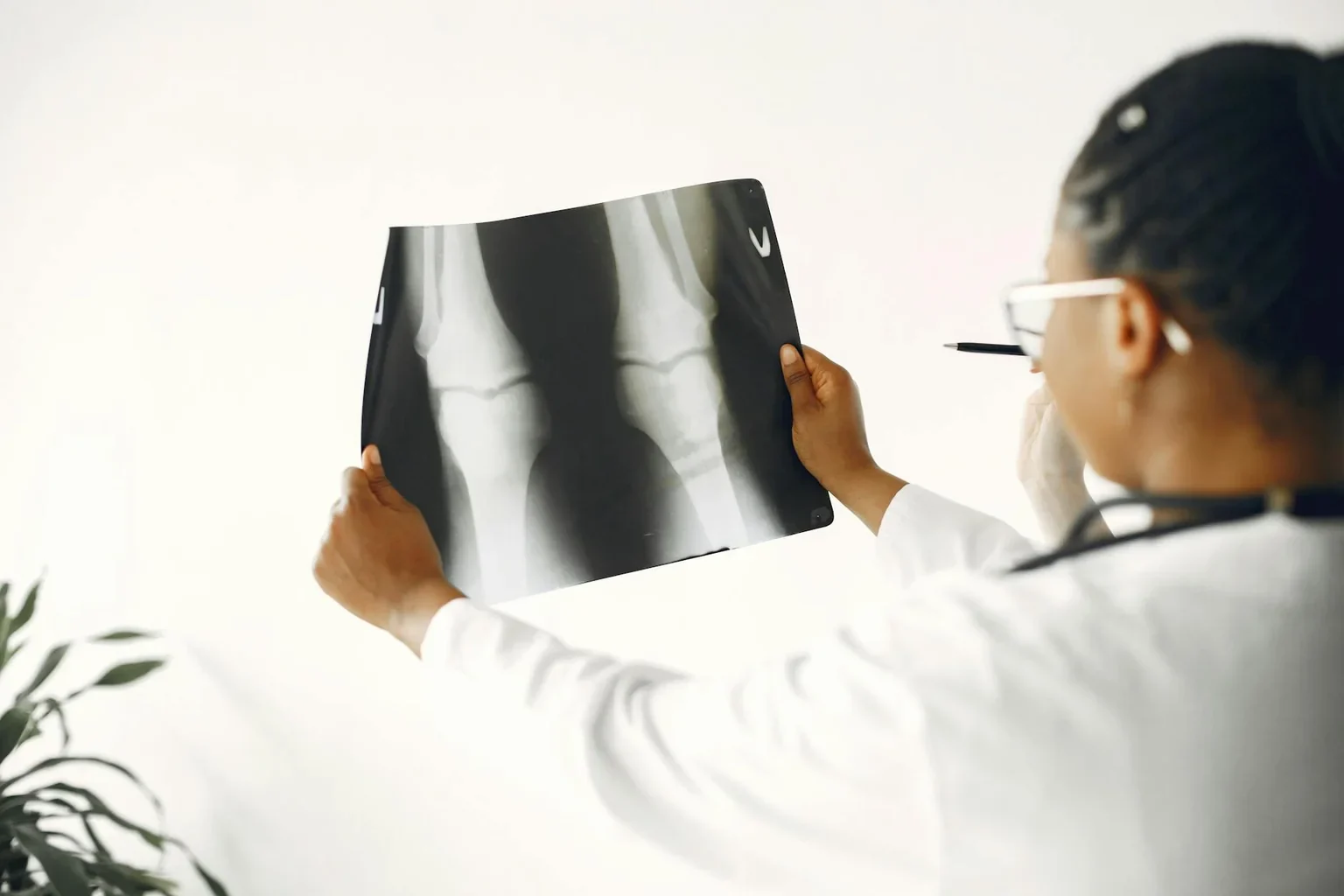
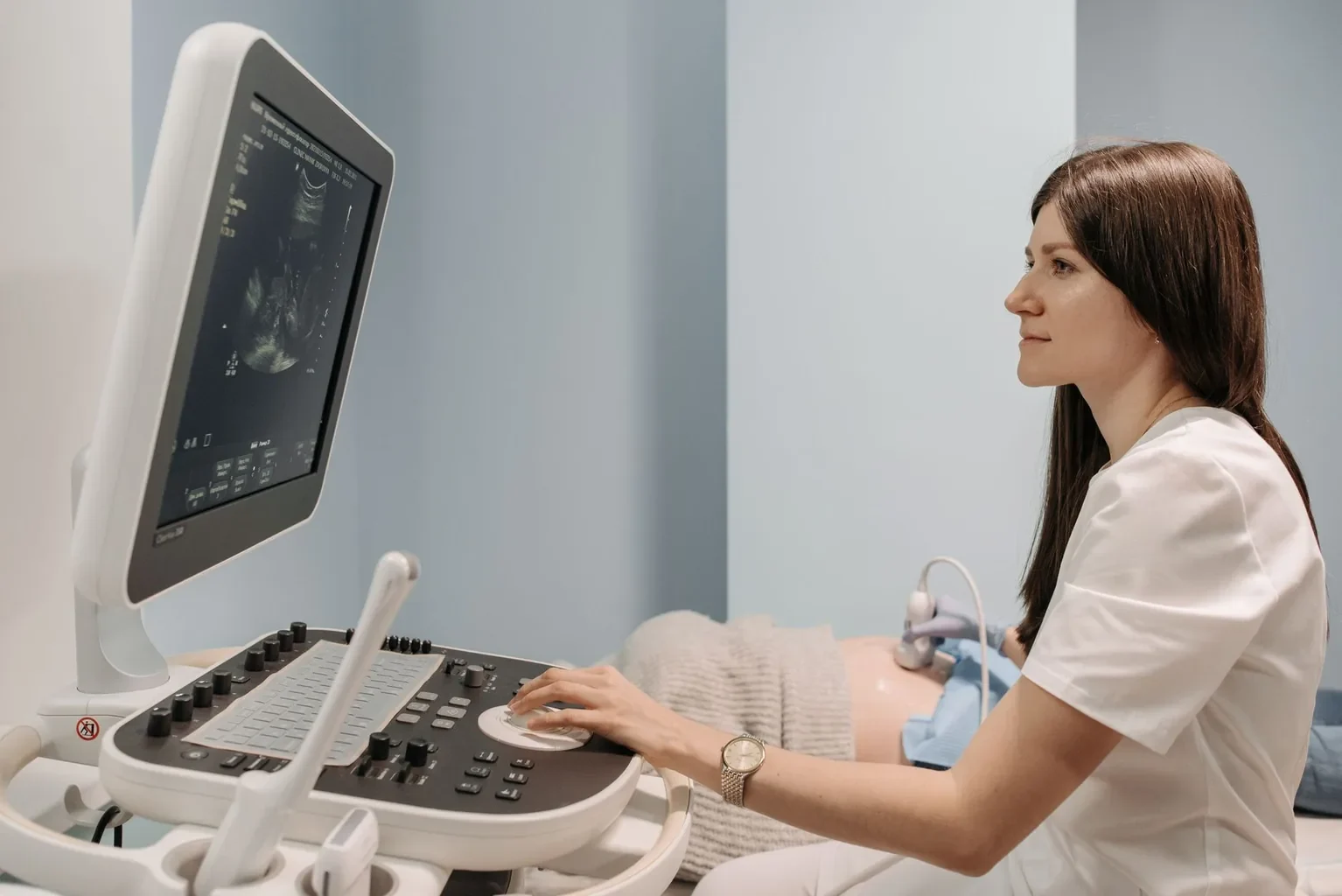
Once cholecystectomy is planned and the patient is confirmed as a candidate, most patients want to know exactly what happens on surgery day and what recovery looks like. Cholecystectomy in the United States is one of the most refined surgical pathways in general surgery, with the vast majority of patients going home the same day or within 24 hours. This article walks through preparation, the procedure step by step, anesthesia, and what recovery typically looks like over the days and weeks that follow.
If you have not yet read about candidate evaluation, our candidate evaluation article covers how the decision is made.
Preparing for Cholecystectomy
Cholecystectomy is usually scheduled a few days to a few weeks in advance, depending on the urgency. The surgical team typically:
- Confirms candidate evaluation results and reviews the surgical plan
- Orders pre-op labs and EKG if not already done recently
- Reviews medications and adjusts blood thinners (aspirin, warfarin, DOACs)
- Provides fasting instructions (no food or drink starting at midnight before surgery; some clear liquids may be allowed up to 2 hours before)
- Discusses informed consent, including risks and recovery expectations
- Arranges someone to drive you home after general anesthesia
On the day of surgery, arrive at the hospital or surgery center on time, wear loose comfortable clothing, leave valuables at home, and bring photo ID, insurance card, and the medication list. Bring slip-on shoes since bending may be uncomfortable after surgery.
Cholecystectomy Procedure Step by Step
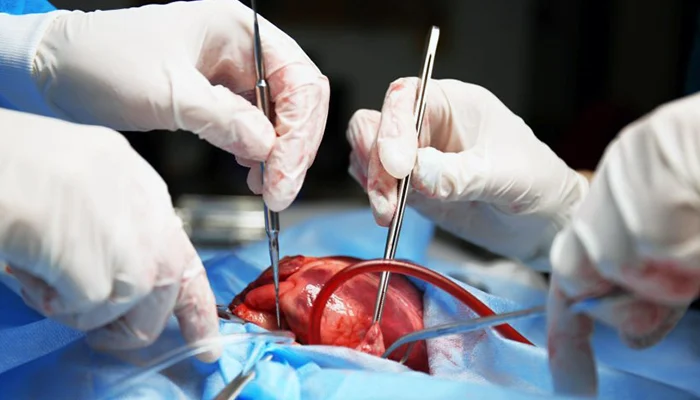
The full procedure typically takes 1 to 2 hours from incision to closure. The actual gallbladder removal often takes 30 to 60 minutes.
- Anesthesia is administered. General anesthesia, usually with endotracheal intubation. The patient is fully asleep and feels nothing.
- The abdomen is prepared. The skin is cleaned with antiseptic; sterile drapes are placed.
- Initial incision and pneumoperitoneum. A small incision (typically at the belly button) allows insertion of a port. Carbon dioxide gas is used to inflate the abdomen, creating working space.
- Additional ports are placed. Two or three more small incisions allow placement of working ports.
- Camera (laparoscope) is inserted. The surgeon visualizes the gallbladder and surrounding anatomy on high-definition monitors.
- The gallbladder is identified and exposed. Grasping instruments retract the gallbladder upward to expose the cystic duct and cystic artery.
- Critical structures are isolated. The cystic duct (which connects the gallbladder to the common bile duct) and the cystic artery are carefully identified.
- Clips are placed and structures divided. Surgical clips or sutures secure the cystic duct and artery; the surgeon then divides them.
- The gallbladder is detached from the liver. Using electrocautery or harmonic instruments, the gallbladder is gently separated from the liver bed.
- The gallbladder is placed in a retrieval bag and removed through one of the small incisions.
- Final inspection. The surgical area is examined for bleeding or bile leakage; sometimes an intraoperative cholangiogram is performed.
- The incisions are closed with absorbable sutures or surgical glue.
- The patient is awakened from anesthesia and moved to recovery.
For open cholecystectomy, the surgeon makes a single larger incision in the upper right abdomen and removes the gallbladder through that opening. The general principles are the same.
Anesthesia for Cholecystectomy
Cholecystectomy is performed under general anesthesia. The anesthesiologist administers IV medications to induce sleep, then places a breathing tube to support breathing during surgery. Anesthesia is monitored continuously throughout the procedure.
After surgery, the breathing tube is removed before the patient wakes. The patient typically becomes alert within 30 to 60 minutes of recovery room arrival. Sore throat from the breathing tube is common but resolves within a day or two.
Pain management combines local anesthetic injection at the incision sites with oral pain medications after surgery. Most patients do not need IV opioids beyond the first few hours.
What Happens Right After Surgery
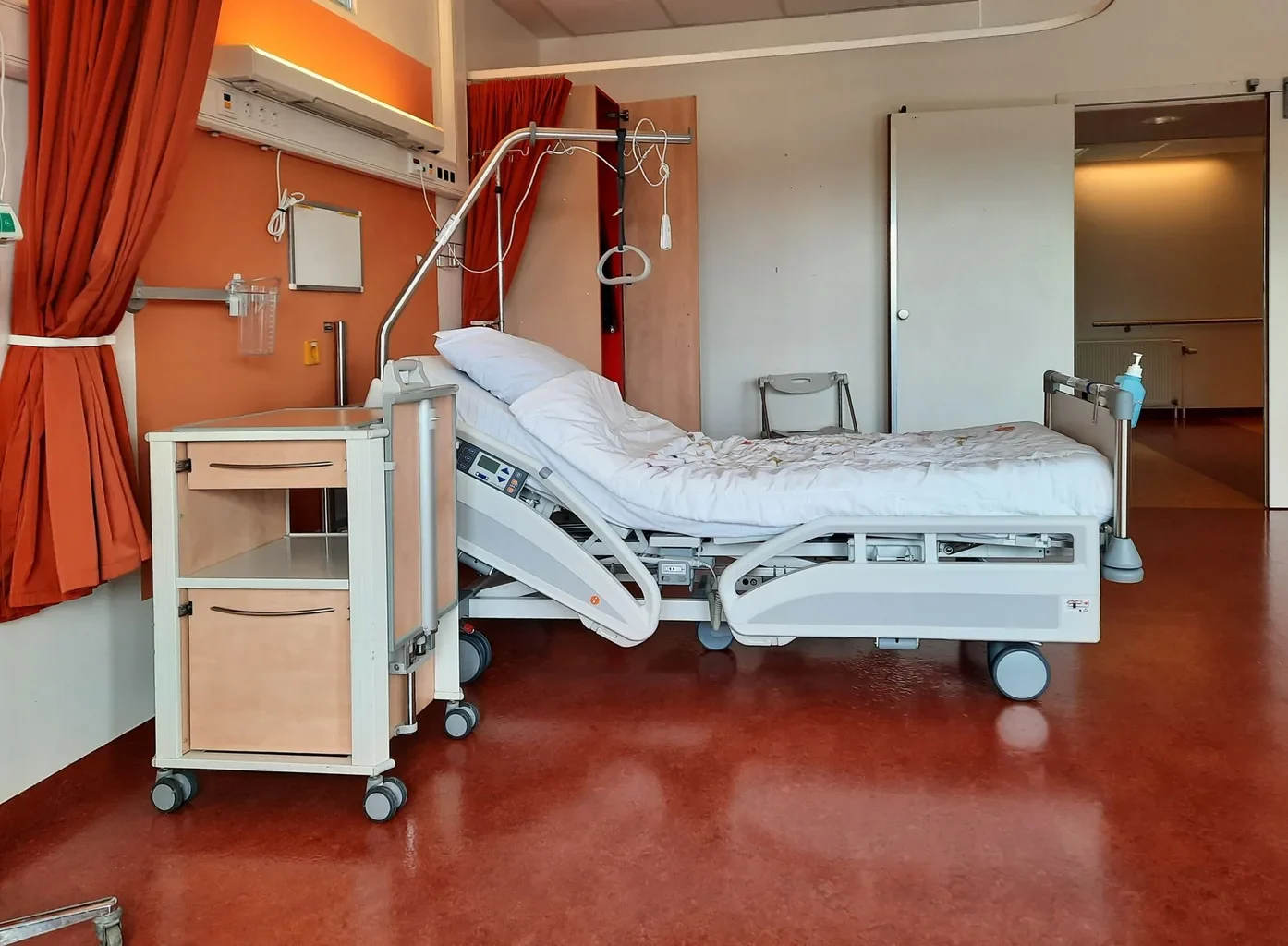
Immediately after cholecystectomy, patients rest in the recovery area for 1 to 2 hours. Common features of the first hours:
- Mild pain at incision sites controlled with oral medication
- Shoulder pain due to residual carbon dioxide gas (usually resolves in 24 to 48 hours)
- Sore throat from the breathing tube
- Mild nausea from anesthesia (treated with anti-nausea medications)
- Gradual return of alertness and ability to drink fluids
Once the patient is awake, can drink fluids, urinate, and ambulate safely, discharge is arranged. Most laparoscopic patients go home the same day. Some stay overnight for observation or pain control.
Recovery Timeline
Recovery from laparoscopic cholecystectomy is rapid for most patients.
Day 0 (day of surgery). Pain at incision sites and possible shoulder discomfort. Light meals are usually tolerated within hours. Walk a little around the house. Rest most of the day.
Day 1-2. Significant improvement. Most patients are walking around comfortably, taking pain medication only as needed. Shoulder pain typically resolves. Incision sites may have small dressings or surgical glue.
Day 3-5. Most pain is mild. Light household tasks and short walks are encouraged. Many patients can return to office work by day 3 to 5 if they feel ready.
Week 1-2. Most restrictions ease. Driving usually resumes once off pain medication and comfortable. Many patients return to office work or light activity. Avoid heavy lifting (over 10 pounds) until cleared by the surgeon.
Week 2-4. Most normal activities resume. Heavy lifting, vigorous exercise, and strenuous work typically wait until 2 to 4 weeks. The first post-op visit usually occurs at 2 weeks.
Weeks 4-8. Full recovery for most patients. Long-term diet adjustments (if any) are typically minor.
For open cholecystectomy, recovery is longer: 3 to 7 days in the hospital, several weeks of restricted activity, and full recovery in 6 to 8 weeks.
These timelines are general. Individual recovery varies. Always follow your surgeon’s specific instructions.
Diet After Cholecystectomy
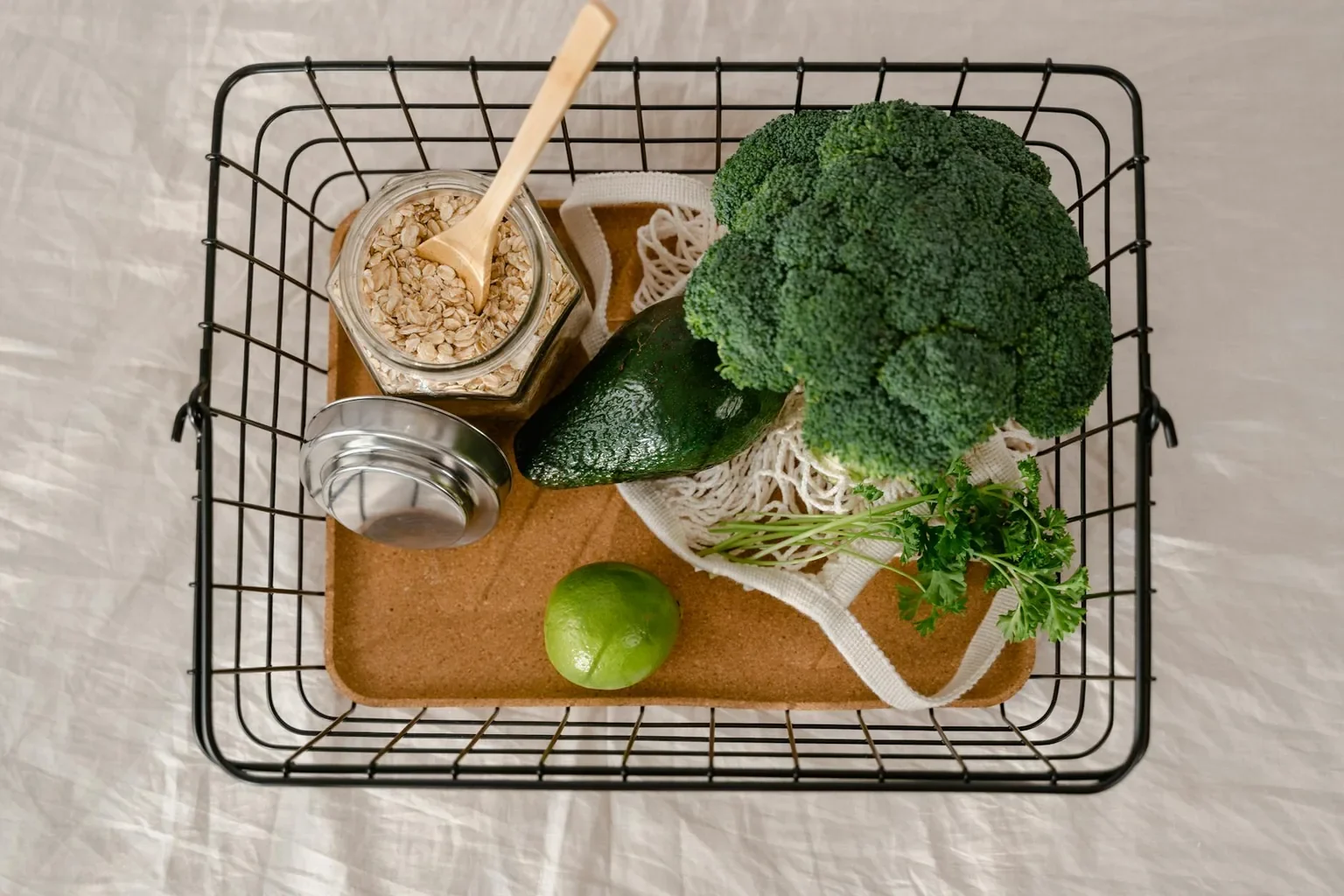
Most patients can resume a normal diet quickly after cholecystectomy. Common dietary recommendations:
- First few days: Start with clear liquids and bland foods (broth, toast, applesauce, plain rice)
- Week 1: Gradually introduce regular foods, starting with low-fat items
- Week 2+: Most patients return to a normal diet
- Watch for changes: Some patients notice mild diarrhea or fat sensitivity in the first weeks, especially with very greasy or large fatty meals
- Long-term: Most adapt well within weeks. A small percentage notice persistent diet sensitivities to fat that may improve with smaller, more frequent meals or specific food choices
There is no strict long-term diet required after cholecystectomy. The liver continues to produce bile, which flows directly into the small intestine instead of being stored.
Pain Management
Pain after cholecystectomy is typically mild to moderate and manageable with:
- Oral acetaminophen and ibuprofen for most patients
- Short course of stronger pain medication for the first 1 to 3 days if needed
- Walking and light activity which helps reduce gas pain
- Warm compresses for shoulder pain
- Avoidance of strenuous lifting or twisting for 1 to 2 weeks
Severe or worsening abdominal pain, high fever, persistent vomiting, jaundice, or signs of infection at incision sites warrant a call to the surgical team or urgent evaluation.
Activity Restrictions and Common-Sense Care
In the first 1 to 2 weeks, healing is in progress. Common restrictions include:
- No heavy lifting (over 10 pounds) for 2 to 4 weeks
- No strenuous exercise for 2 to 4 weeks; light walking encouraged from day one
- No driving until off pain medication and comfortable (usually 1 week)
- Avoid baths, swimming, or soaking until incisions are fully healed (10 to 14 days)
- Showering is usually fine after 24 to 48 hours (per surgeon instructions); pat dry
- Avoid alcohol while taking opioid pain medication
- Sexual activity is generally permitted as comfort allows (usually within 1 to 2 weeks)
Detailed warning signs are covered in our FAQs and statistics article.
Returning to Work and Daily Activities
| Activity | Typical resumption |
|---|---|
| Office work / computer | 3-7 days |
| Driving | 1 week (after off pain medication) |
| Light exercise (walking) | Day 1 |
| Moderate exercise | 2 weeks |
| Heavy lifting / strenuous work | 4-6 weeks |
| Swimming or baths | 10-14 days |
| Sexual activity | 1-2 weeks (as comfort allows) |
| Air travel | 1-2 weeks (consult surgeon for long flights) |
Patients with physically demanding jobs may need a longer return-to-work timeline; discuss with the surgical team.
Follow-Up Appointments
A typical follow-up schedule includes:
- Week 2 post-op: Surgeon visit to check healing, review pathology (if gallbladder was sent), discuss diet
- As needed thereafter: Some patients need a single follow-up; others have additional visits based on pathology or complications
- Routine primary care: Continue regular check-ups
If gallbladder pathology shows unexpected findings (such as polyps or early cancer), additional follow-up or treatment may be needed.
Rehabilitation and Long-Term Outlook
Most cholecystectomy patients return to all normal activities within 2 to 4 weeks (laparoscopic) or 6 to 8 weeks (open) and experience excellent long-term outcomes. The gallbladder is not essential, and most patients live the rest of their lives without notable digestive changes.
Some considerations for the long term:
- Diet sensitivity. A minority of patients (about 10-20 percent) notice mild post-cholecystectomy diarrhea or sensitivity to high-fat meals. This usually improves over weeks to months. Smaller, more frequent meals and lower-fat choices help if symptoms persist.
- Post-cholecystectomy syndrome. A small percentage of patients develop persistent right upper abdominal discomfort, gas, or diarrhea after surgery. This may need evaluation for retained stones, bile duct issues, or other causes.
- No long-term medication needed for most patients.
- Recurrent stones in the bile duct are uncommon but possible; symptoms similar to before surgery warrant evaluation.
Continue Reading the Cholecystectomy Cluster
- Cholecystectomy: Overview, Types, and What to Expect
- Cholecystectomy: Candidate Evaluation and When to Consider Surgery
- Cholecystectomy: FAQs, Statistics, and Patient Stories
Sources
- American College of Surgeons (ACS). Cholecystectomy procedure and recovery. https://www.facs.org/
- Society of American Gastrointestinal and Endoscopic Surgeons (SAGES). Laparoscopic cholecystectomy procedural guidelines. https://www.sages.org/publications/guidelines/
- National Institute of Diabetes and Digestive and Kidney Diseases (NIDDK). Gallstones treatment. https://www.niddk.nih.gov/health-information/digestive-diseases/gallstones
- Mayo Clinic. Cholecystectomy: what to expect. https://www.mayoclinic.org/tests-procedures/cholecystectomy/about/pac-20384818
- Cleveland Clinic. Cholecystectomy: procedure and recovery. https://my.clevelandclinic.org/health/treatments/15580-cholecystectomy-gallbladder-removal-surgery
- NIH MedlinePlus. Gallbladder removal: discharge instructions. https://medlineplus.gov/ency/patientinstructions/000351.htm
Medical Disclaimer
The information in this article is for general education and is not a substitute for professional medical advice, diagnosis, or treatment. Always follow your surgical team’s specific instructions for medications, activity, diet, and follow-up after cholecystectomy. Contact your surgeon immediately for severe pain, high fever, persistent vomiting, jaundice, or signs of infection.