Medically reviewed by the Know Your Surgery Editorial Team. Last reviewed: May 2026.
Once laparoscopic surgery is decided, most patients want to know exactly what to expect. The general flow of laparoscopic surgery in the United States is similar across procedures, with details that vary by the specific operation. This article walks through preparation, the typical operating-room steps, anesthesia, and what recovery and rehabilitation typically look like over the days and weeks that follow.
If you have not yet read about why a procedure may be needed, our causes, diagnosis, and decision article covers how the decision is made.
Preparing for Laparoscopic Surgery
Most laparoscopic surgeries are scheduled in advance. The surgical team typically:
- Reviews recent imaging and labs
- Reviews medications, especially blood thinners, diabetes medications, and supplements
- Asks the patient to fast for several hours before surgery
- Performs an anesthesia consultation
- Reviews informed consent, including risks, benefits, and recovery expectations
- Provides specific procedure-related instructions (sometimes including bowel preparation, smoking cessation, weight goals)
- Arranges transportation home for outpatient cases
Patients arrive at the hospital or surgery center on the day of surgery, change into a gown, have IVs placed, and are brought to the operating room.
Typical Laparoscopic Procedure Step by Step
Although the exact steps vary by procedure, most laparoscopic surgeries share a common framework. The full procedure usually takes 30 minutes to several hours.
- General anesthesia is administered. The patient is fully asleep.
- The abdomen is cleaned with antiseptic and draped sterile.
- A small initial incision (typically near the belly button) is made.
- Carbon dioxide gas is gently used to inflate the abdomen, creating space for the surgeon to work.
- A laparoscope (camera and light) is inserted through the first port, projecting the surgical view to large monitors.
- Additional small incisions (ports) are placed for instruments. Most procedures use 3 to 5 ports total.
- The surgeon performs the procedure using long, slender instruments through the ports.
- Tissue is grasped, dissected, cut, sealed, sutured, or stapled as needed for the specific operation.
- Specimens (such as a removed organ) may be placed in a small bag and removed through one of the incisions, sometimes after slightly enlarging it.
- The abdomen is checked for bleeding and rinsed if needed.
- Instruments and gas are removed, and the small incisions are closed with absorbable sutures or surgical glue.
- The patient is awakened and moved to the recovery area.
Robotic-Assisted Laparoscopic Surgery
Many US centers now perform certain laparoscopic procedures with robotic assistance (such as the da Vinci system). The setup is similar, but the surgeon operates from a console and controls precise robotic instruments. Robotic assistance offers added precision and visualization for complex cases such as prostatectomy, certain colorectal surgeries, and selected gynecologic and bariatric procedures. The patient experience is generally similar to standard laparoscopic surgery.
Anesthesia for Laparoscopic Surgery
The standard for laparoscopic surgery is general anesthesia. The anesthesia team monitors closely throughout, including breathing, heart rhythm, oxygen, and end-tidal carbon dioxide (because of the gas used to inflate the abdomen).
Anesthesia for laparoscopy is highly safe in modern practice. The team accounts for any heart, lung, or other medical conditions in the plan.
What Happens Right After Surgery
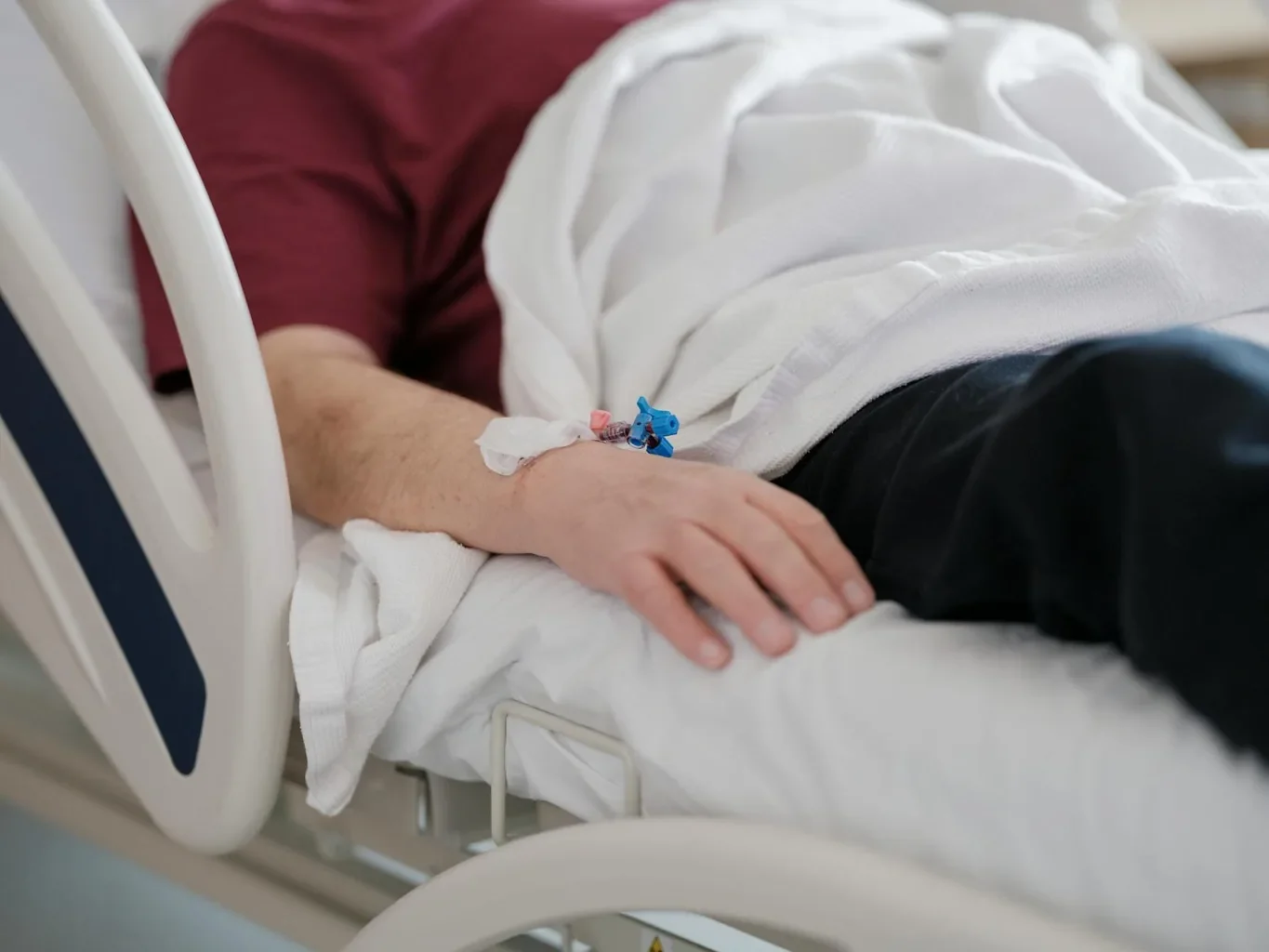
Immediately after the procedure, the patient is moved to a recovery area. Anesthesia gradually wears off over 30 to 90 minutes. Common features of the early hours include:
- Mild abdominal soreness, controlled with pain medication
- Shoulder discomfort (referred pain from the carbon dioxide gas, usually transient)
- Mild nausea from anesthesia (usually transient)
- Sore throat from the breathing tube during anesthesia
- Soreness around the incisions
The team checks vital signs, surgical sites, and ability to drink fluids. Once the patient is stable and comfortable, they may be moved to a regular hospital room or, in many uncomplicated cases, discharged the same day.
Recovery Timeline
Recovery depends on the specific procedure. Generic patterns:
Day 1. Most patients are out of bed and walking within hours of surgery. Eating starts gradually. Pain is well managed with medication. Many simple procedures are outpatient.
Days 1 to 3 in the hospital (for inpatient cases). Diet advances. Walking continues. Pain decreases. Bowel function returns.
Week 1 at home. Light activity, regular walking, rest. Most patients can shower within a day or two of surgery, depending on the procedure. Sutures and dressings are checked at the follow-up visit.
Weeks 1 to 2. Many patients return to office work for simple procedures (gallbladder, hernia, simple appendectomy). Driving usually resumes once off prescription pain medication.
Weeks 2 to 4. Most patients return to most normal activities for simple cases. Heavier lifting may be restricted longer.
Weeks 4 to 6. Full recovery for most simple laparoscopic cases. More complex procedures (bariatric, colorectal, oncologic) may take longer.
These timelines are general. Patients with complex laparoscopic procedures, complications, or coexisting conditions may take longer. Always follow your surgeon’s specific instructions.
Diet After Laparoscopic Surgery
Most patients can resume a normal diet quickly after simple laparoscopic surgery. Specific procedures may have specific instructions:
- Gallbladder, hernia, appendectomy: Often a normal diet within a day or two
- Bariatric surgery: Specific staged diet (clear liquids, full liquids, pureed, soft, regular) over weeks
- Colorectal surgery: Gradual advance from clear liquids based on bowel function
- Anti-reflux surgery: Soft diet for several weeks to allow swelling to resolve
Adequate fluid, fiber, and gentle activity help prevent constipation.
Pain Management
Pain after laparoscopic surgery is typically well controlled with:
- Scheduled doses of acetaminophen
- NSAIDs (such as ibuprofen) if approved by the surgeon and not contraindicated
- A short course of prescription pain medication for the first few days
- Cold packs and rest
- Walking and gentle movement to reduce stiffness
- Gas-relief measures (walking, simethicone) to reduce shoulder discomfort from carbon dioxide gas
Severe pain that is worsening, fever, or other warning signs should prompt immediate contact with the surgeon.
Activity Restrictions and Common-Sense Care

In the first 1 to 4 weeks after surgery, the body is healing. Common restrictions include:
- No heavy lifting (typically over 10 to 15 pounds) for two to four weeks (longer for hernia repair)
- No driving until off prescription pain medication and able to react safely
- No strenuous exercise until cleared by the surgeon
- Walking is encouraged from day one
- No swimming or hot tubs until incisions are fully healed
- Sexual activity typically resumes when comfortable
Detailed warning signs are covered in our FAQs and statistics article.
Wound Care
Most laparoscopic incisions are closed with absorbable sutures or surgical glue. Care typically includes:
- Keeping the incisions clean and dry until cleared
- Showering usually allowed within a day or two
- No baths, swimming, or hot tubs until fully healed
- Watching for signs of infection (redness, warmth, swelling, discharge, fever)
Follow-Up Appointments
A typical follow-up schedule includes:
- Phone or in-person check during the first week
- Office visit at 1 to 2 weeks to review healing, remove sutures or staples if used, and discuss pathology results when applicable
- Additional visits as needed for ongoing care, especially for bariatric, oncologic, or complex cases
Rehabilitation and Long-Term Outlook
Most patients recover fully from simple laparoscopic surgery within a few weeks. Long-term outcomes depend on the underlying condition:
- Gallbladder removal: typically excellent long-term outcomes; most patients adapt well to life without a gallbladder
- Appendectomy: typically full recovery without long-term effects
- Hernia repair: durable repair in most cases; some patients have a small risk of recurrence
- Hysterectomy: specific lifestyle and follow-up considerations covered in the hysterectomy cluster
- Bariatric surgery: ongoing nutritional follow-up and lifestyle support
- Cancer surgery: ongoing oncology follow-up
For procedures involving organ removal or major changes, a structured rehabilitation plan often includes physical therapy, dietary counseling, and ongoing surveillance. The surgical team will outline what is needed.
Continue Reading the Laparoscopic Surgery Cluster
- Laparoscopic Surgery: Overview, Types, and What to Expect
- Laparoscopic Surgery: Causes, Diagnosis, and When to Consider Surgery
- Laparoscopic Surgery: FAQs, Statistics, and Patient Stories
Sources
- American College of Surgeons (ACS). Minimally invasive surgery patient resources. https://www.facs.org/for-patients/recovering-from-surgery/general-surgery-procedures/
- Society of American Gastrointestinal and Endoscopic Surgeons (SAGES). Patient information. https://www.sages.org/patient-resources/
- National Institutes of Health (NIH) MedlinePlus. Laparoscopic surgery: procedure and recovery. https://medlineplus.gov/ency/article/007376.htm
- Mayo Clinic. Minimally invasive surgery: what to expect. https://www.mayoclinic.org/tests-procedures/minimally-invasive-surgery/about/pac-20384771
- Cleveland Clinic. Laparoscopic surgery: procedure and recovery. https://my.clevelandclinic.org/health/treatments/15173-laparoscopy
Medical Disclaimer
The information in this article is for general education and is not a substitute for professional medical advice, diagnosis, or treatment. Always consult a qualified healthcare provider with questions about your procedure, medications, or recovery.