Medically reviewed by the Know Your Surgery Editorial Team. Last reviewed: May 2026.
Laparoscopic surgery is a family of minimally invasive procedures performed through small abdominal incisions using a thin camera (the laparoscope) and long, slender instruments. Compared with traditional open surgery, laparoscopic techniques typically allow smaller scars, shorter hospital stays, less post-operative pain, and faster return to normal activities for many patients.
This guide gives you a calm, plain-English overview of what laparoscopic surgery is, the main applications and types used in the United States today, who tends to be a candidate, and what the patient journey looks like at a high level. Detailed information on indications, the operating-room steps, and patient questions live in the other articles in this cluster.
Significance and Prevalence of Laparoscopic Surgery in the United States
Laparoscopic surgery has transformed surgical care in the United States since its widespread adoption in the late 1980s and 1990s. According to the American College of Surgeons (ACS) and the Centers for Disease Control and Prevention (CDC), millions of laparoscopic procedures are performed in the US each year across general, gynecologic, urologic, bariatric, and other specialties.
Many surgeries that used to require large open incisions and lengthy hospital stays are now routinely done laparoscopically. Common examples include gallbladder removal (laparoscopic cholecystectomy), appendectomy, hernia repair, hysterectomy, and bariatric (weight-loss) surgery.
Modern laparoscopic surgery uses high-definition cameras, advanced energy devices, refined instruments, and (at many centers) robotic-assisted platforms to handle increasingly complex cases. Outcomes are excellent for appropriate candidates, with shorter recovery and good cosmetic results in most cases.
The shift toward laparoscopic and minimally invasive surgery reflects a broader US trend toward outpatient surgery, faster recovery, and lower overall complication rates for many procedures.
What Is Laparoscopic Surgery?
Laparoscopic surgery is a minimally invasive surgical technique. Instead of making one large incision, the surgeon makes several small incisions (each typically less than half an inch). A laparoscope (a thin tube with a camera and light) is inserted through one of the small incisions, projecting a magnified view of the inside of the abdomen onto a monitor. Long, slender instruments are inserted through the other small incisions to perform the surgery.
Laparoscopic surgery is performed under general anesthesia in a hospital operating room or surgery center. The procedure is performed by a surgeon trained in minimally invasive techniques. The full step-by-step procedure walkthrough lives in our procedure and recovery article.
How Laparoscopic Surgery Works
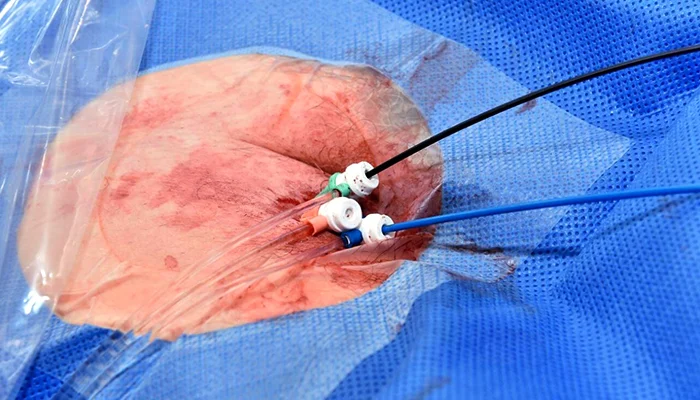
A typical laparoscopic procedure starts with the surgeon inflating the abdomen with carbon dioxide gas. This creates space inside the abdominal cavity, separating the abdominal wall from the organs and giving the surgeon room to work safely.
The laparoscope, with its camera and light, transmits a high-definition image to large screens in the operating room. The surgeon and the team see a much-magnified view of the surgical site. Instruments enter through small incisions called “ports,” each fitted with a small valve that keeps the gas in.
Modern laparoscopes are about the diameter of a pencil. Specialized instruments allow the surgeon to grasp tissue, dissect, cut, suture, and seal blood vessels through the small openings. Some advanced techniques use robotic-assisted systems that translate the surgeon’s hand movements into precise instrument motions.
Main Types of Laparoscopic Surgery
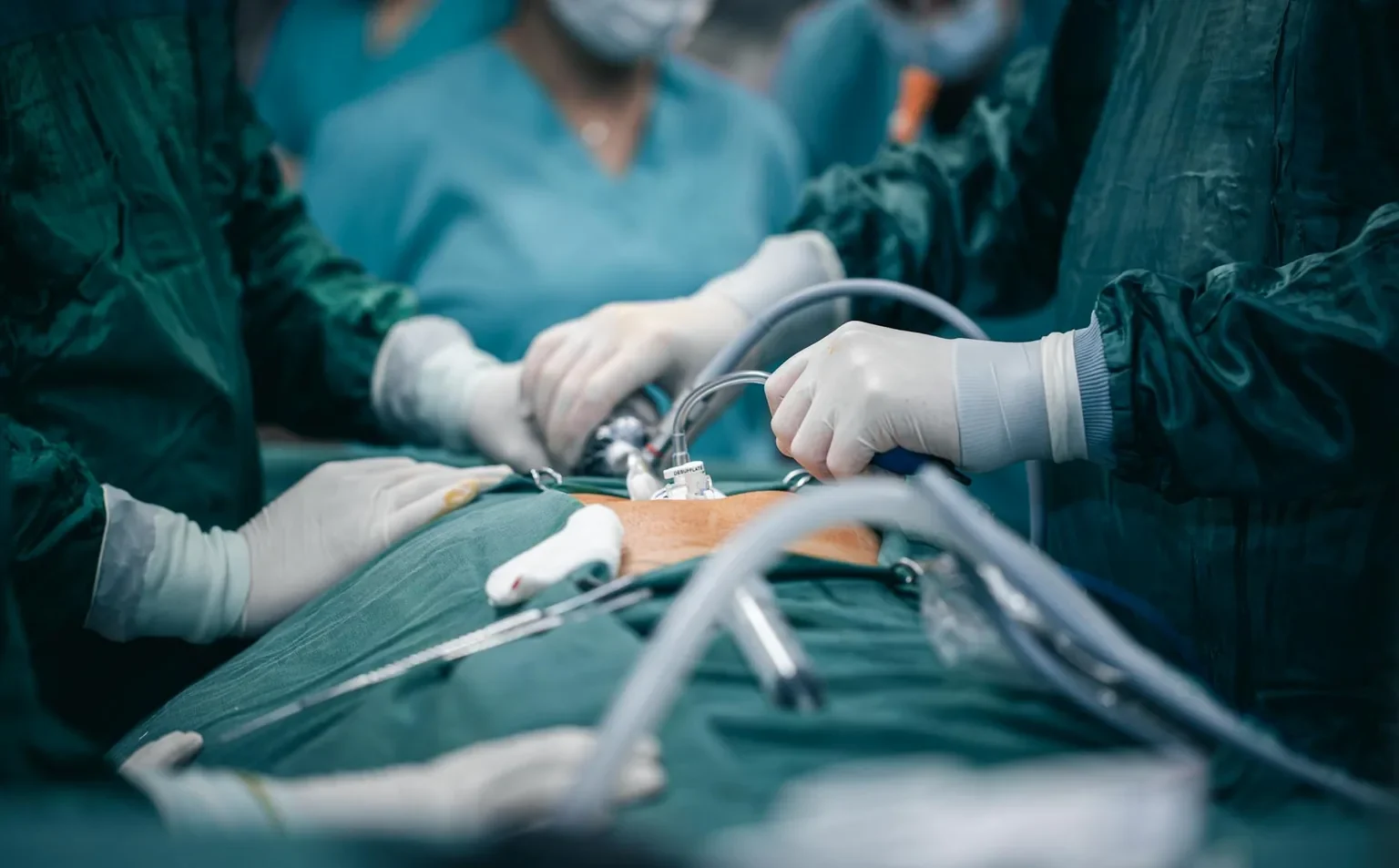
US surgeons today perform laparoscopic surgery across many specialties. The most common applications include:
General surgery.
- Laparoscopic cholecystectomy (gallbladder removal)
- Laparoscopic appendectomy (appendix removal)
- Laparoscopic hernia repair (inguinal, ventral, hiatal)
- Laparoscopic colon and rectal surgery for benign and cancerous conditions
- Laparoscopic anti-reflux surgery (Nissen fundoplication)
Gynecologic surgery.
- Laparoscopic hysterectomy
- Laparoscopic ovarian cyst removal
- Laparoscopic treatment of endometriosis
- Laparoscopic tubal ligation
Urologic surgery.
- Laparoscopic nephrectomy (kidney removal)
- Laparoscopic prostatectomy (often robotic-assisted)
- Laparoscopic adrenalectomy (adrenal gland surgery)
Bariatric (weight-loss) surgery.
- Laparoscopic sleeve gastrectomy
- Laparoscopic gastric bypass
Other.
- Laparoscopic splenectomy (spleen removal)
- Laparoscopic donor nephrectomy (living kidney donor)
- Laparoscopic exploratory surgery for unclear abdominal conditions
A single sentence on emerging methods: many of these procedures are now routinely performed with robotic assistance (platforms such as the da Vinci system), which provides additional precision and visualization. We compare techniques in more depth in our procedure and recovery article.
Surgical Techniques at a High Level
Most laparoscopic surgeries are performed under general anesthesia. Operating times vary widely depending on the procedure: simple cases (such as gallbladder removal) often take 30 to 90 minutes; complex cases (such as bariatric or colorectal surgery) may take 2 to 5 hours.
Patients are at the hospital or surgery center for assessment, anesthesia, recovery, and (often) same-day discharge or one overnight stay. Many laparoscopic procedures are now outpatient.
The surgical team monitors comfort and safety throughout. Modern equipment has made laparoscopy widely available across US hospitals and surgery centers.
What Gets Removed or Repaired in Laparoscopic Surgery?
What is done depends entirely on the specific procedure:
- Gallbladder removal: the gallbladder is removed
- Appendectomy: the appendix is removed
- Hernia repair: weakened abdominal wall tissue is reinforced, often with mesh
- Hysterectomy: the uterus (and sometimes ovaries and tubes) is removed
- Bariatric surgery: part of the stomach is removed or rerouted
- Colon/rectal surgery: part of the colon or rectum is removed
- Tumor removal: specific organs or tumors are resected
- Diagnostic laparoscopy: tissue samples may be taken for biopsy
The chest, abdominal wall, and other organs not being treated are preserved.
Who Might Need Laparoscopic Surgery?
Laparoscopic surgery is offered when the procedure is appropriate for the diagnosis and when the patient is suitable for general anesthesia and a minimally invasive approach. Common reasons in the United States include:
- Gallstones causing pain or inflammation
- Acute appendicitis
- Hernias (especially symptomatic or growing hernias)
- Heavy menstrual bleeding, fibroids, or other gynecologic conditions (in selected cases)
- Severe acid reflux that does not respond to medications
- Obesity with health-related complications, when bariatric surgery is the right step
- Specific tumors of the kidney, adrenal, prostate, colon, or other organs
- Diagnostic evaluation of unclear abdominal symptoms
Some patients are not good candidates for laparoscopic surgery. Reasons include extensive prior abdominal surgery with scar tissue, certain bleeding disorders, severe heart or lung disease, very advanced cancers, or specific anatomical features. The surgical team evaluates each case individually. We cover candidate evaluation in detail in our causes and diagnosis article.
Early Signs That a Surgical Evaluation May Be Needed
The signs that lead to laparoscopic surgery vary by condition. Some common patterns:
- Right upper abdominal pain after fatty meals (gallbladder)
- Right lower abdominal pain with nausea and fever (appendix)
- A bulge in the abdominal wall, especially with heavy lifting (hernia)
- Heavy menstrual bleeding, pelvic pain, or fertility concerns (gynecologic)
- Heartburn that persists despite medication (anti-reflux)
- Imaging finding of a kidney mass or adrenal mass (urologic)
- Cancer diagnosis on imaging or biopsy
These signs often lead to evaluation by a primary care clinician or specialist, who may refer the patient for surgical evaluation. Anyone with severe abdominal pain, vomiting, fever, or signs of obstruction should seek immediate evaluation in an emergency department.
Your Laparoscopic Surgery Journey at a Glance
Although every patient’s path is different, the typical laparoscopic surgery journey in the United States follows a familiar pattern.
It often begins with symptoms that prompt a clinic visit. Imaging, blood tests, and (when needed) other tests confirm the diagnosis. A surgical referral leads to a consultation that covers the diagnosis, the surgical options, and the choice between laparoscopic and open approaches.
Pre-operative preparation includes blood work, anesthesia review, medication review, and patient education. The patient is asked to fast before surgery and may have specific instructions about blood thinners, diabetes medications, and supplements.
The surgery itself takes 30 minutes to several hours depending on the procedure. After recovery from anesthesia, many patients with simple laparoscopic procedures (like gallbladder removal or hernia repair) go home the same day. Others (such as bariatric or colorectal surgery) typically stay 1 to 3 nights.
Recovery at home is structured but generally faster than open surgery. Most patients return to office work within 1 to 4 weeks for simple procedures, and a few weeks longer for complex ones. Detailed timelines are covered in our procedure and recovery article.
Frequently Asked Questions
Is laparoscopic surgery major surgery?
Yes. Even though laparoscopic surgery uses small incisions, it is still major surgery, performed under general anesthesia, with real risks and structured recovery. The major-vs-minor distinction is not the same as the minimally invasive vs open distinction.
Why is it called minimally invasive?
“Minimally invasive” refers to the small incisions and reduced disruption of the abdominal wall. The internal procedure can be just as significant as the open version. The benefits are mostly in the recovery: less pain, smaller scars, shorter hospital stays, and faster return to activity for many patients.
Will I have scars?
Most laparoscopic procedures leave 3 to 5 small scars (each typically less than half an inch). These usually fade significantly over months. Compared with open surgery (often a single large scar), laparoscopic scars are typically smaller and less visible.
Continue Reading the Laparoscopic Surgery Cluster
- Laparoscopic Surgery: Causes, Diagnosis, and When to Consider Surgery
- Laparoscopic Surgery: Procedure, Recovery, and Rehabilitation
- Laparoscopic Surgery: FAQs, Statistics, and Patient Stories
Sources
- American College of Surgeons (ACS). Minimally invasive surgery patient resources. https://www.facs.org/for-patients/recovering-from-surgery/general-surgery-procedures/
- Society of American Gastrointestinal and Endoscopic Surgeons (SAGES). Patient information. https://www.sages.org/patient-resources/
- National Institutes of Health (NIH) MedlinePlus. Laparoscopic surgery. https://medlineplus.gov/ency/article/007376.htm
- Centers for Disease Control and Prevention (CDC). Surgery statistics. https://www.cdc.gov/nchs/fastats/inpatient-surgery.htm
- Mayo Clinic. Minimally invasive surgery. https://www.mayoclinic.org/tests-procedures/minimally-invasive-surgery/about/pac-20384771
- Cleveland Clinic. Laparoscopic surgery. https://my.clevelandclinic.org/health/treatments/15173-laparoscopy
Medical Disclaimer
The information in this article is for general education and is not a substitute for professional medical advice, diagnosis, or treatment. Always consult a qualified healthcare provider with questions about a possible surgical condition or laparoscopic procedure.