Medically reviewed by the Know Your Surgery Editorial Team. Last reviewed: May 2026.
A brain tumor is an abnormal growth of cells in the brain or its surrounding structures. When a tumor is causing symptoms, growing quickly, or located in a place that threatens normal brain function, neurosurgeons may recommend brain tumor removal. The goal is to take out as much of the tumor as safely possible, confirm the diagnosis with pathology, relieve pressure inside the skull, and create a foundation for any further treatment.
This guide gives you a calm, plain-English overview of what brain tumor removal is, the main surgical approaches available today, who tends to need an operation, and what the patient journey looks like at a high level. Detailed information on causes and diagnosis, the operating-room steps, and patient questions live in the other articles in this cluster.
Significance and Prevalence of Brain Tumors in the United States
Brain tumors are one of the most studied areas of modern neurosurgery. According to the Central Brain Tumor Registry of the United States (CBTRUS), the National Cancer Institute (NCI), and the Centers for Disease Control and Prevention (CDC), tens of thousands of new primary brain and central nervous system tumors are diagnosed in the US each year. Many additional patients have metastatic tumors that have spread to the brain from cancers elsewhere in the body.
Most brain tumors in adults are benign (non-cancerous), although benign does not always mean harmless. Some benign tumors can press on critical structures and require surgery. Malignant brain tumors, including glioblastoma, are less common but more aggressive.
Modern neurosurgery uses high-resolution MRI, image guidance, intraoperative monitoring, and minimally invasive approaches to make brain tumor removal safer than ever. Outcomes vary widely by tumor type, location, and patient health, and a multidisciplinary team (neurosurgery, neuro-oncology, radiation oncology, neurology, and rehabilitation) typically guides care.
What Is Brain Tumor Removal?
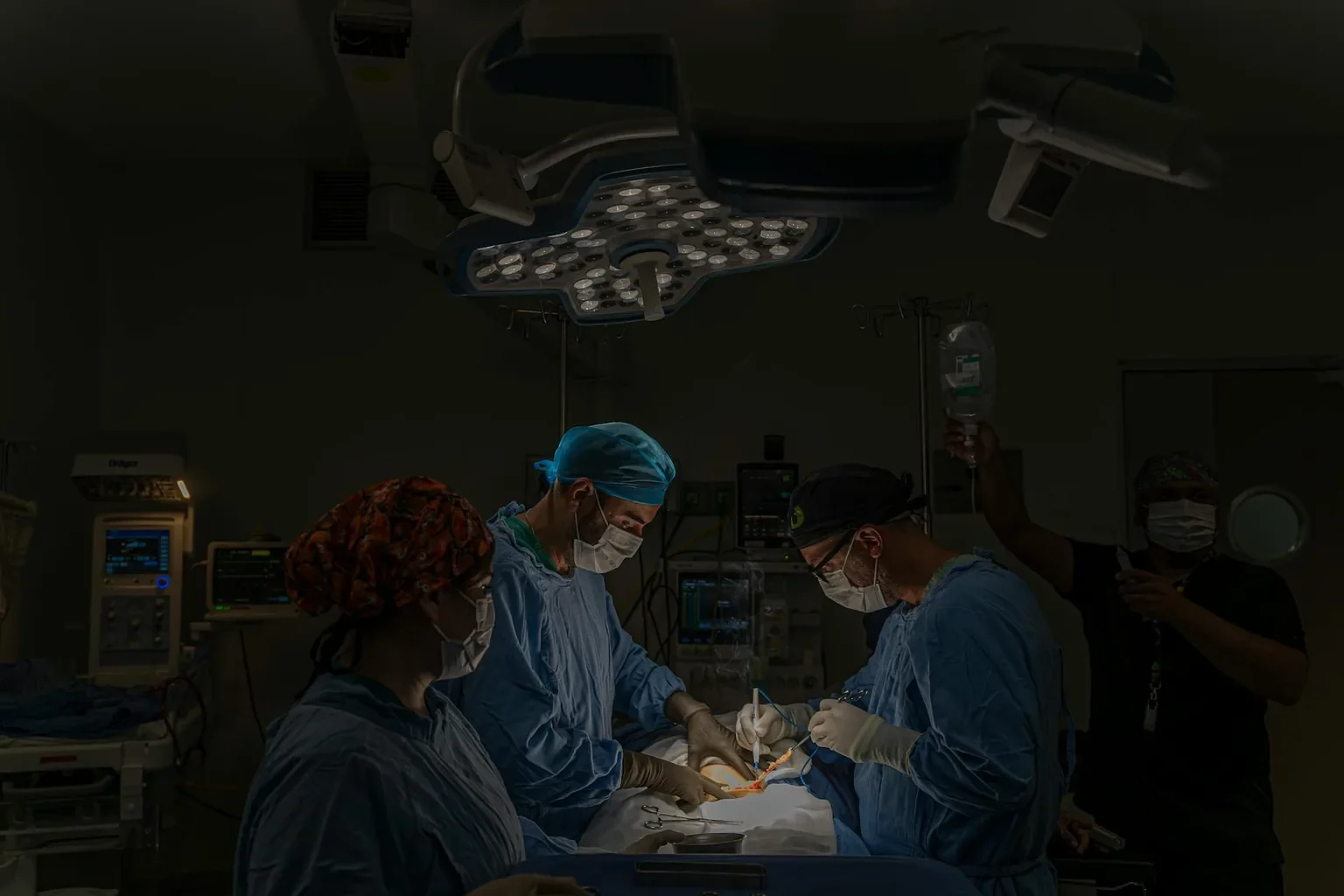
Brain tumor removal is a neurosurgical procedure to remove all or part of a tumor in the brain or its surrounding structures. It is performed by a neurosurgeon, in most cases under general anesthesia, in a hospital operating room equipped with imaging and monitoring technology.
The goals of surgery typically include:
- Confirming the diagnosis with tissue analysis (pathology)
- Removing as much tumor as safely possible
- Relieving pressure inside the skull
- Restoring or preserving function
- Setting the stage for additional treatment (radiation, chemotherapy, immunotherapy) if needed
The surgical approach depends on tumor type, size, and location. The full step-by-step procedure walkthrough is covered in our procedure and recovery article.
How the Brain and Skull Are Organized
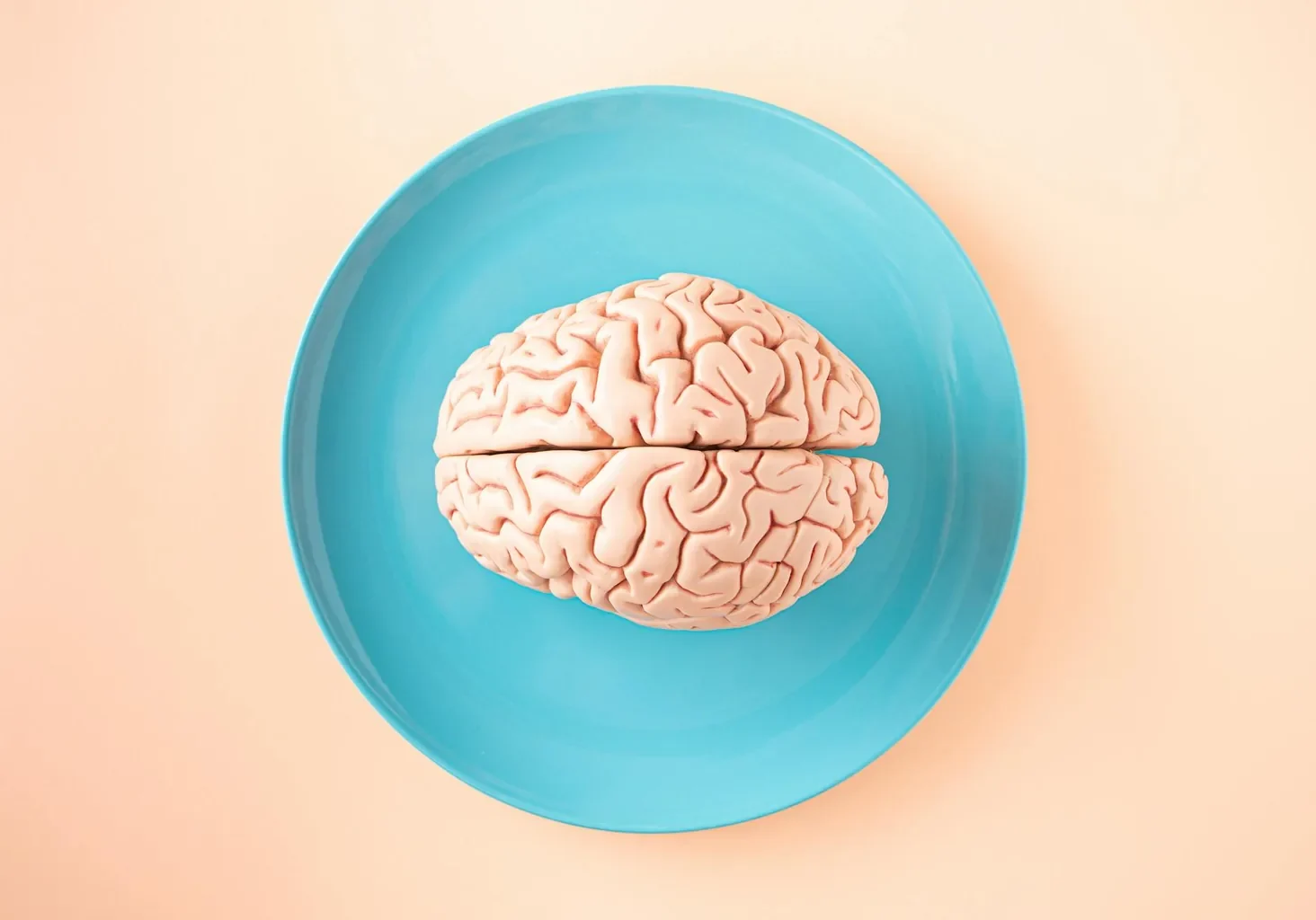
The brain sits inside the rigid skull, which protects it. Three layers of tissue (called meninges) cover the brain. Cerebrospinal fluid surrounds the brain and spinal cord, providing cushioning and nutrients.
The brain has different regions with different jobs: the cerebrum (thinking, movement, sensation, language), the cerebellum (coordination), and the brainstem (basic life functions). Tumors can arise from brain tissue itself, from the meninges, from glands such as the pituitary, or from cells that have spread from cancer elsewhere.
Because the skull is rigid, even a small mass can raise pressure inside and cause symptoms. Brain tumor removal helps relieve this pressure when surgery is appropriate.
Main Approaches to Brain Tumor Removal
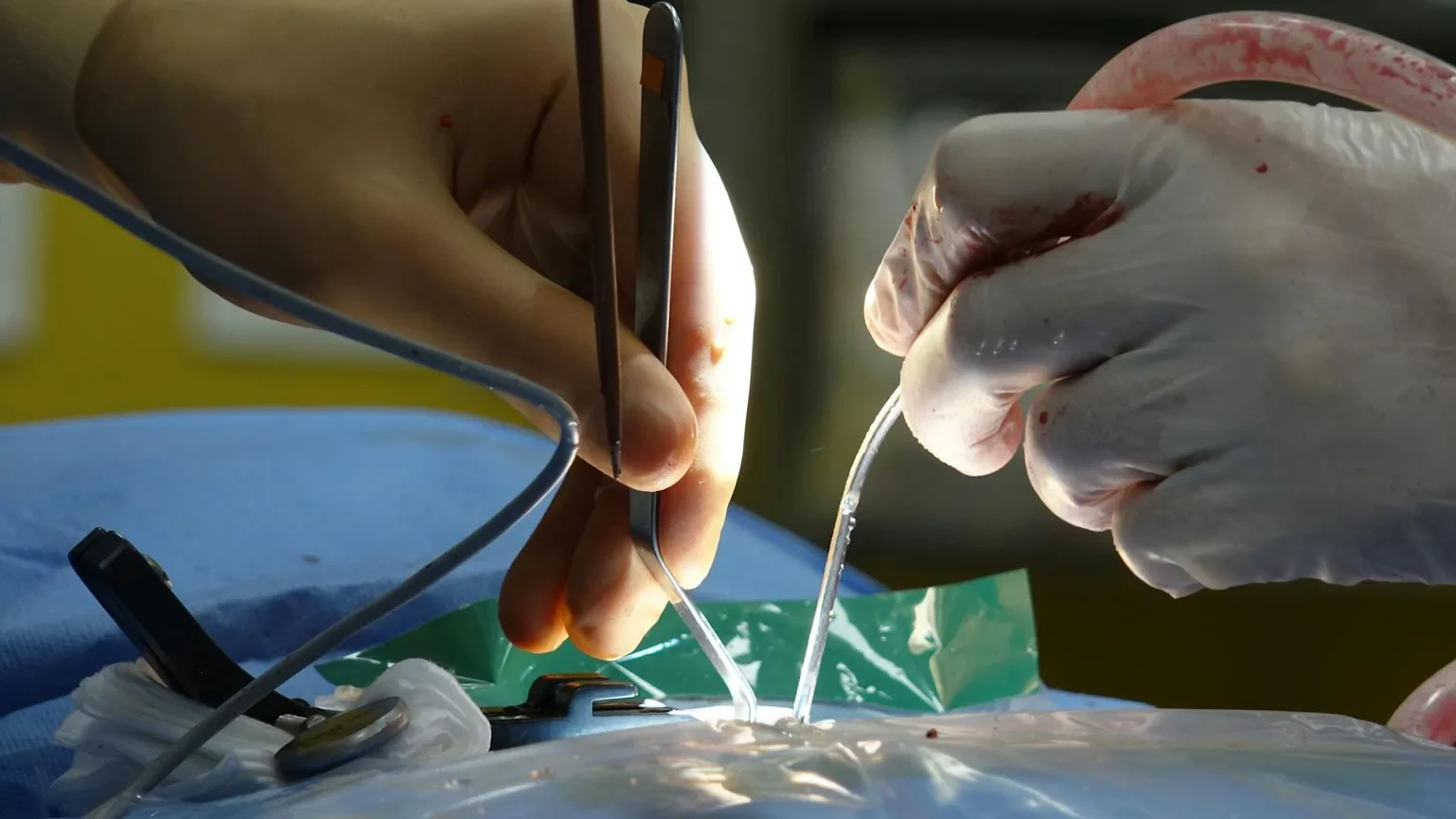
US neurosurgeons today use several established approaches. The choice depends on tumor location, size, and goals of treatment.
Craniotomy. The most common approach for tumors in the cerebrum or cerebellum. The neurosurgeon temporarily removes a section of the skull to access the brain, removes the tumor, and replaces the bone with small plates and screws.
Transsphenoidal surgery. Used for tumors at the base of the brain, especially pituitary tumors. The neurosurgeon reaches the tumor through the nose and sphenoid sinus, avoiding any cuts on the head.
Awake craniotomy. Used for tumors near critical brain regions controlling speech or movement. The patient is awake during part of the surgery so the neurosurgical team can map function and protect those areas.
Endoscopic brain surgery. Uses thin, lighted tubes through small openings to remove tumors near the ventricles or skull base. Less invasive than open craniotomy where suitable.
Stereotactic biopsy. A small needle, guided by imaging, takes a tissue sample for diagnosis. Used when full removal is not the goal or not safe.
Laser interstitial thermal therapy (LITT). A minimally invasive option that uses heat to destroy tumor tissue. Available at select centers for specific tumor types.
A single sentence on emerging methods: some centers offer fluorescence-guided surgery and intraoperative MRI to improve the extent of safe tumor removal. We compare techniques in more depth in our procedure and recovery article.
Surgical Techniques at a High Level
Most brain tumor surgeries are performed under general anesthesia. Awake craniotomy uses sedation with a wakeful period during critical mapping. Operating times typically range from 2 to 6 hours, and complex cases can be longer.
Patients are at the hospital longer for assessment, anesthesia, recovery, and (often) admission to a neurosurgical intensive care unit immediately after surgery. The neurosurgical team monitors comfort, neurological status, and brain pressure throughout.
Modern brain tumor removal usually involves image guidance: real-time navigation that shows the neurosurgeon exactly where instruments are in relation to the tumor and surrounding brain. Intraoperative monitoring of nerve and brain function is also routine for tumors near critical regions.
What Gets Removed in Brain Tumor Surgery?
The goal is to remove the tumor while preserving healthy brain tissue. The exact amount removed depends on tumor type and location:
- Gross total resection removes essentially all visible tumor, when safe.
- Subtotal resection removes a major portion when complete removal would risk neurological injury.
- Biopsy takes a small sample for diagnosis when removal is not safe or not the goal.
In most cases, the skull bone removed during craniotomy is replaced and held with small titanium plates. The scalp is closed in layers. There are no implants or grafts beyond the small fixation hardware.
Who Might Need Brain Tumor Removal?
Brain tumor removal is generally considered when:
- A tumor is causing significant symptoms (seizures, weakness, vision changes)
- The tumor is growing or threatening to grow
- The diagnosis is uncertain and tissue is needed for pathology
- The tumor is causing pressure inside the skull (hydrocephalus, brain herniation)
- The tumor is in a location where removal is feasible without unacceptable risk
- Additional treatment (radiation, chemotherapy) needs a tumor diagnosis or has been chosen alongside surgery
For some patients, surgery is not the right step. Reasons may include very small or non-symptomatic tumors that can be observed, tumors in locations where surgery would be too risky, or patients whose overall health makes surgery unsafe. The decision is made by a neurosurgical and neuro-oncology team in conversation with the patient and family.
We cover causes and diagnostic criteria in detail in our causes and diagnosis article.
Early Warning Signs of a Brain Tumor
Brain tumor symptoms vary by location, size, and growth rate. Common warning signs that warrant medical evaluation include:
- New or worsening headaches, especially in the morning or with nausea
- New seizures in an adult
- Weakness or numbness on one side of the body
- Trouble with balance or coordination
- Vision changes (double vision, loss of part of the visual field)
- Speech or language difficulty
- Personality, mood, or memory changes
- Hearing loss or ringing in one ear
- Persistent nausea or vomiting
These symptoms have many possible causes, but new neurological symptoms in an adult deserve prompt medical evaluation. Anyone with sudden severe headache, sudden weakness, sudden vision loss, a first-time seizure, or loss of consciousness should seek immediate emergency care.
Your Brain Tumor Removal Journey at a Glance
Although every patient’s path is different, the typical brain tumor pathway in the United States follows a familiar pattern.
It often begins with a new neurological symptom that prompts a visit to a primary care clinician or emergency department. Imaging (most often MRI of the brain, sometimes CT) shows a suspicious mass. The patient is referred to a neurosurgeon and (often) a neuro-oncologist. Additional tests, sometimes including a biopsy, help define the tumor.
Pre-operative preparation is detailed: medication review, anesthesia consultation, sometimes imaging in the operating room, and a careful conversation about goals, risks, and expected recovery. The surgery itself takes 2 to 6 hours, sometimes longer.
After surgery, patients typically spend at least one night in a neurosurgical intensive care unit for close monitoring, then a few more days in a regular hospital room. Recovery continues at home and (for many patients) in rehabilitation, which may include physical, occupational, and speech therapy.
Many patients also receive additional treatment after surgery, such as radiation or chemotherapy, depending on the tumor type. The neuro-oncology and radiation oncology teams guide that part of care. Detailed timelines and rehabilitation plans are covered in our procedure and recovery article.
Frequently Asked Questions
Is brain tumor removal major surgery?
Yes. Brain tumor removal is major surgery performed under general anesthesia in a hospital operating room. Recovery is more involved than many other surgeries and may include a stay in a neurosurgical intensive care unit and physical or speech rehabilitation. Modern techniques, image guidance, and team-based care have made the surgery safer than in previous decades.
Can a brain tumor be treated without surgery?
In some cases, yes. Small tumors with few symptoms may be watched with imaging. Some tumors respond to radiation or chemotherapy without surgery. The decision is made by the neurosurgery and neuro-oncology team based on the tumor type, size, location, and patient health.
Will I be the same after brain surgery?
Outcomes vary widely depending on tumor type, location, and the patient’s pre-operative function. Many patients recover well. Some experience lasting changes in strength, speech, vision, or thinking, especially when a tumor was located near a critical region. Rehabilitation helps recover function over weeks to months.
What is involved in brain tumor extraction?
Brain tumor extraction, also called craniotomy and tumor resection, typically involves removing a piece of the skull bone over the tumor, opening the protective membrane around the brain (dura mater), and using an operating microscope to identify and carefully remove the tumor while preserving healthy brain tissue. Image guidance systems, intraoperative MRI, and in some cases awake brain mapping help the neurosurgeon protect critical brain regions responsible for movement, speech, and vision. After the tumor is removed, the skull bone is replaced and the scalp is closed. Most patients spend the first day or two in a neurosurgical intensive care unit before moving to a regular hospital room.
What is brain mass removal?
Brain mass removal is a general term for surgery to take out an abnormal growth or lesion from the brain. The mass may be a primary brain tumor (originating in the brain), a metastatic tumor (cancer that spread from elsewhere in the body), an abscess, a vascular malformation, or another type of lesion. The specific surgical approach depends on the mass type, size, and location, and ranges from open craniotomy for larger or accessible masses to minimally invasive endoscopic or stereotactic techniques for smaller or deeper masses. Imaging and biopsy results guide the choice of approach.
How is a brain stem tumor removed?
Brain stem tumor removal is one of the most delicate brain surgeries because the brain stem controls vital functions like breathing, heart rate, blood pressure, and consciousness. When surgery is appropriate, neurosurgeons use very precise approaches that often combine microscopic dissection with intraoperative neurophysiological monitoring (real-time tracking of nerve function) and image guidance to protect critical structures. In many brain stem cases, complete removal is not safely possible. In these situations, partial removal followed by radiation or other treatment is preferred over a more aggressive surgery that risks permanent harm. The neurosurgery team and patient discuss realistic goals before surgery.
Where in the brain can tumors be surgically removed?
Brain tumors can occur in any region of the brain, and most regions can be approached surgically with modern neurosurgical techniques. The frontal, parietal, temporal, and occipital lobes are common locations, and each has its own approach considerations. Tumors near critical regions (motor cortex, speech areas, optic nerves, or the brain stem) require especially careful planning, often including brain mapping with functional MRI before surgery or awake mapping during surgery to identify and protect essential functions. The neurosurgeon individualizes the surgical plan based on the tumor location, type, and the patient’s baseline function.
Continue Reading the Brain Tumor Removal Cluster
- Brain Tumor Removal: Causes, Diagnosis, and When to Consider Surgery
- Brain Tumor Removal: Procedure, Recovery, and Rehabilitation
- Brain Tumor Removal: FAQs, Statistics, and Patient Stories
Sources
- American Association of Neurological Surgeons (AANS). Brain tumors: patient information. https://www.aans.org/patients/conditions/brain-tumors/
- National Cancer Institute (NCI). Adult central nervous system tumors. https://www.cancer.gov/types/brain
- Central Brain Tumor Registry of the United States (CBTRUS). Statistical report. https://cbtrus.org/
- Centers for Disease Control and Prevention (CDC). Brain cancer statistics. https://www.cdc.gov/united-states-cancer-statistics/
- Mayo Clinic. Brain tumor: overview. https://www.mayoclinic.org/diseases-conditions/brain-tumor/symptoms-causes/syc-20350084
- Cleveland Clinic. Brain tumors: overview. https://my.clevelandclinic.org/health/diseases/6149-brain-cancer-brain-tumor
Medical Disclaimer
The information in this article is for general education and is not a substitute for professional medical advice, diagnosis, or treatment. Always consult a qualified healthcare provider with questions about new neurological symptoms or a brain tumor diagnosis. Never disregard professional medical advice or delay in seeking it because of something you have read here. If you have sudden severe headache, sudden weakness or numbness, sudden vision changes, a first seizure, confusion, or loss of consciousness, seek immediate medical care.