Medically reviewed by the Know Your Surgery Editorial Team. Last reviewed: May 2026.
Understanding Coronary Artery Disease
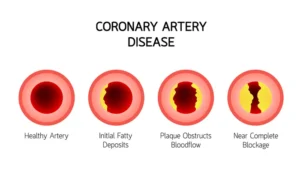
CABG is the latest clinical option for the manifestation of Coronary artery disease. CAD is atherosclerotic cardiovascular disease. It occurs when the lumen of a coronary artery responsible for supplying blood to the heart muscle becomes narrowed by plaque formation. It was assumed that plaque is formed from the elements of fat, cholesterol, calcium, and others, distributed in the blood. This plaque hardens to form plaques that clog the arteries and prevent proper flow of blood to the heart.
Causes of Coronary Artery Disease
Atherosclerosis
Atherosclerosis is one of the factors that lead to the CAD. It occurs when cholesterol builds up and plaque the blood vessels violently leaving them hardened and narrow. This process begins when the inside of the artery is injured. This injury is typically caused by poor lifestyle habits such as high stress levels, poor diet, and lack of physical activity. Damage causes cholesterol and other substances to attach at a certain point and begin building plaque. Plaque causes the arteries to be saturated and thus reducing blood supply to the heart, leading to chest and breathlessness pain. If the blockage is too serious or occurs in several arteries, CABG surgery may be performed.
High Blood Pressure (Hypertension)
Hypertension is the condition or state where the blood pressure in the arteries is excessive. This condition arises when: this is because people are obese; they are not involved with physical activities; they consume too much salt and are simply at genetic risk of the disease. Over time, high blood pressure can cause the arteries to become more hard and brittle. This makes them more likely to develop plaques and become narrowed. This enhances plaque formation in arteries, leading to severe CAD that doctors can only treat through CABG to ensure adequate blood supply to the heart.
High Cholesterol
Cholesterol is a form of lipid molecule, which functions as the healthiest molecule in blood. Cholesterol is a chemical substance with a greasy characteristic in the blood, and it is essential for some body functions, but when in high levels; it is dangerous to human health. People often refer to high levels of LDL cholesterol as bad cholesterol. This is because it can cause fatty plaque formation on the arterial walls. Presence of high levels of LDL cholesterol may lead to cholesterol deposits on the lining of blood vessels in the artery. When plaque formation in the artery exceeds a specified high threshold, CABG intervention becomes necessary. This is because the affected segments of the artery are significantly narrowed (stenosed).
Smoking

Tobacco smoking involves burning tobacco and inhaling the vapors it produces. Moreover, some of these chemicals increase atherosclerosis and contribute to plaque formation. They also increase inflammation on the blood vessel walls. Smoking habits has a higher risk of occurrence of atherosclerosis and CAD. Nicotine’s effect on established atherosclerotic disease increases the risk of activities that require CABG to reverse heart blockages.
Diabetes
Diabetes mellitus is an organic disease in which the body or a part of the body loses its capacity to make or utilize insulin. Insulin is essential for the regulation of sugar in the body. Continuous consumption of high blood sugar ends up damaging the arteries. CAD also has a higher risk in people with diabetes due to vascular damage caused by high blood sugar. This vascular damage increases the likelihood of developing coronary artery disease (CAD). This can cause severe blockages that demand CABG treatment to provide adequate blood flow to the heart.
Obesity
Obesity is an abnormality of the human body characterized by excessive fat accumulation. This condition is often exacerbated by unhealthy eating patterns, inadequate physical activity, and dysfunctional body mechanisms. Moreover, obesity is considered a contributing factor to CAD due to its association with conditions such as hypertension, hypercholesterolemia, and diabetes mellitus. These conditions result in the formation of plaque in the arteries. In severe cases, a CABG may be necessary to remove a part of the blockage and restore blood flow to the heart.
Genetic Predisposition
There are some cases when the family has a history of heart diseases and that might increase the chances of developing CAD. Hereditary factors can also affect cholesterol, blood pressure, and ability to build arterial plaque. If you have other people in the family who suffered from heart disease the risk is higher and you should be more concerned about cardiac health. CAD genetic testing leads to more frequent screenings, allowing for early diagnosis. This enables mitigation strategies to be implemented before the disease progresses to a severe stage requiring CABG.
Excessive Alcohol Consumption
Alcohol has many negative effects in the body; a high volume can increase blood pressure levels; this will lead to weight gain and a higher risk of CAD. Moderate alcohol intake has a beneficial side, offering protection against the heart and other organs. However, excessive alcohol intake can be harmful due to its toxicity to the heart. Studies have demonstrated that drinking alcohol at levels that are quite low with regard to moderation can be beneficial to the heart and lessen the subsequent necessity for CABG; although the mechanism behind this phenomenon remains unclear.
Poor Diet
Consume of high saturated fats, trans fats, cholesterol, salt, and sugar can easily lead to the development of CAD. All of these foods contain fats and increase blood cholesterol levels and pressure. Additionally, these foods contribute to weight gain, all of which are risk factors for atherosclerosis. Such factors include dietary modifications such as avoiding fats that have high omega-6 fatty acids but eating fruits, vegetables, whole grains, and natural lean protein sources rich in omega-3s. Changes in the diet are necessary to avoid the development of the symptom complex of CAD. If these changes do not succeed, doctors may require CABG to treat the condition.
Chronic Stress
Many chronic stressful factors can contribute to high blood pressure, which is detrimental to the heart. Additionally, adopting unhealthy habits such as smoking and eating food high in fats and cholesterol can worsen cardiovascular health. Lack of physical activity further exacerbates these risks associated with heart health. Stress also causes high levels of stress hormones that are responsible for plaque build up in arteries. Managing stress through relaxation techniques, regular physical activity, and seeking professional help when needed can help mitigate this risk. Chronic stress elimination can potentially reduce the risk of patients developing critical CAD necessitating CABG.
Authoritative sources: NHLBI: Atherosclerosis; Cleveland Clinic: CAD; NIH MedlinePlus: Coronary Artery Disease.
Diagnostic Methods for Coronary Artery Disease
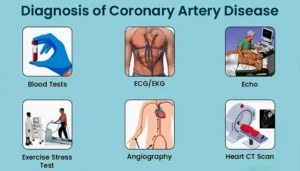
Determining whether CABG is necessary is crucial in CAD diagnostics. Medical professionals use several diagnostic methods to detect and confirm CAD:
1. Physical Examination and Medical History
The first steps in the diagnostic process of managing CAD include physical examination of the patients and history taking. The doctor will around ask the patient if they are having any symptoms allergies some of these factors include smoking family history etc and also ask the patient if they are concerned whether they have any other medical condition. This information helps to predict the likelihood of CAD and clinical treatment. Such information help the doctors to understand about one’s health and the current symptoms to assess the further course of action.
2. Electrocardiogram (ECG or EKG)
ECG and EKG – a type of diagnostic test to detect the heart rhythm. During the test, technicians attach wires to the chest, one to an arm, and one to a leg, to measure blood flow and heart rates. This test can demonstrate cardiac arrhythmias impairment of the conduction system of the heart, evidence of ischemia/infarction as well as function of the contractile elements of the heart. This does not take time and does not require any physical invasiveness that may burn; further, it provides information relating to the status of the heart as well as the potential for having issues.
3. Stress Testing
A stress test assesses the functional capacity of your heart during stressful situations. During the test, you exercise on a treadmill or stationary bike while technicians monitor your internal functions such as heart rate, blood pressure, and ECG. In situations where the patient cannot exercise, doctors will administer drugs that simulate the effects of exercise. Stress tests help in identifying areas that may struggle to get blood during exercise and determine whether there is CAD. It helps in the process of showing the severity of the illness as well as the steps required to follow in the performance of subsequent tests and treatments.
4. Echocardiogram
Medical professionals use echocardiogram, an ultrasonic diagnostic technique, to measure a human being’s heart. An example of this is a device that has a transducer that transmits sound waves to the heart which then reflect back into the transducer and the sound on the radio monitor. This test provides vital information related to the heart’s cavities and valves and its overall function in the body. It can identify the regions of decreased cerebral blood flow or identify the presence of cardiac muscle damage or indicate CAD.
5. Coronary Angiography
Coronary angiography uses X-rays to visually observe the blood vessels in the heart on a monitor. In this case, the process involves inserting a thin tube, known as a catheter, through the skin into a blood vessel in the arm or leg, and then guiding it toward the coronary arteries. An X-ray school of contrast medium is passed through the catheter in order to make the arteries visible. This test is one of the best diagnostic tools most reliable in CAD. It provides doctors with an accurate picture of the location and nature of blockages in the coronary arteries, thereby helping them determine whether CABG or other hospital interventions may be required.
6. Computed Tomography (CT) Angiography
CT angiography is a diagnostic tool that produces images of the coronary arteries, and the surrounding tissues and vessels using a non-invasive procedure. The test includes lying on a bed, putting movement into a CT scanner, and introducing a dye into the body to identify the person’s coronary arteries. This test is a better one as it can identify plaque formation or obstruction in coronary arteries without the insertion of a catheter. It gives good images and requires lesser invasiveness compared to classical coronary angiography.
7. Blood Tests
Blood tests show values of specific substances in the blood that reflect heart health. CAD screening blood tests are: lipid profiles to gauge cholesterol levels, hs-CRP to measure inflammation, and glucose level measurement to test for diabetes. High levels cholesterol, sugar, and inflammation are CAD predisposing factors. These tests will help address the overall health of your heart and how it relates to CAD.
Authoritative sources: Mayo Clinic: Coronary Artery Disease; AHA: Coronary Artery Disease; Medscape: CABG.
Conservative Management Before CABG
For most patients with coronary artery disease, optimal medical therapy is established first. The 2021 ACC/AHA/SCAI Coronary Revascularization Guideline emphasizes guideline-directed medical therapy (GDMT) as the foundation of CAD management.
- Antiplatelet therapy. Aspirin 81 mg daily, with addition of P2Y12 inhibitor for those with prior MI or PCI.
- High-intensity statin therapy. Atorvastatin 40-80 mg or rosuvastatin 20-40 mg, regardless of baseline LDL.
- Beta-blockers. First-line for angina control and post-MI cardioprotection.
- ACE inhibitors or ARBs. Especially for patients with hypertension, diabetes, or reduced ejection fraction.
- Nitrates. Sublingual nitroglycerin for acute angina; long-acting nitrates for chronic stable angina.
- Lifestyle interventions. Smoking cessation (most important modifiable risk factor), Mediterranean-style diet, structured cardiac rehabilitation, weight management, regular aerobic exercise, and stress reduction.
- Diabetes optimization. A1c target individualized; SGLT2 inhibitors and GLP-1 receptor agonists offer cardiovascular benefit beyond glucose control.
- Percutaneous coronary intervention (PCI). An alternative revascularization strategy for selected patients with simpler coronary anatomy. Heart Team review (cardiology + cardiac surgery) is recommended for complex disease (high SYNTAX score, left main, or three-vessel CAD with diabetes) where CABG often shows long-term survival advantage.
CABG is generally recommended when symptoms persist despite optimal medical therapy and PCI is not anatomically suitable, or when the disease pattern (left main, multivessel with diabetes, reduced LV function with ischemia) favors surgery for survival benefit per current guidelines.
References
- NHLBI: Coronary Heart Disease. https://www.nhlbi.nih.gov/health/coronary-heart-disease
- AHA: Coronary Artery Disease. https://www.heart.org/en/health-topics/consumer-healthcare/what-is-cardiovascular-disease/coronary-artery-disease
- AHA: CABG Surgery. https://www.heart.org/en/health-topics/heart-attack/treatment-of-a-heart-attack/coronary-artery-bypass-graft-surgery-cabg
- Mayo Clinic: Coronary Artery Disease. https://www.mayoclinic.org/diseases-conditions/coronary-artery-disease/symptoms-causes/syc-20350613
- Mayo Clinic: Coronary Bypass Surgery. https://www.mayoclinic.org/tests-procedures/coronary-bypass-surgery/about/pac-20384589
- Cleveland Clinic: CAD. https://my.clevelandclinic.org/health/diseases/16898-coronary-artery-disease
- Cleveland Clinic: CABG. https://my.clevelandclinic.org/health/treatments/16897-coronary-artery-bypass-surgery
- NIH MedlinePlus: Coronary Artery Disease. https://medlineplus.gov/coronaryarterydisease.html
- Medscape: CABG. https://emedicine.medscape.com/article/1893992-overview
- STS: Society of Thoracic Surgeons. https://www.sts.org/
- ACC: Revascularization Guidelines. https://www.acc.org/latest-in-cardiology/ten-points-to-remember/2022/01/04/19/03/2021-revascularization-guideline
- CDC: Heart Disease Facts. https://www.cdc.gov/heart-disease/data-research/