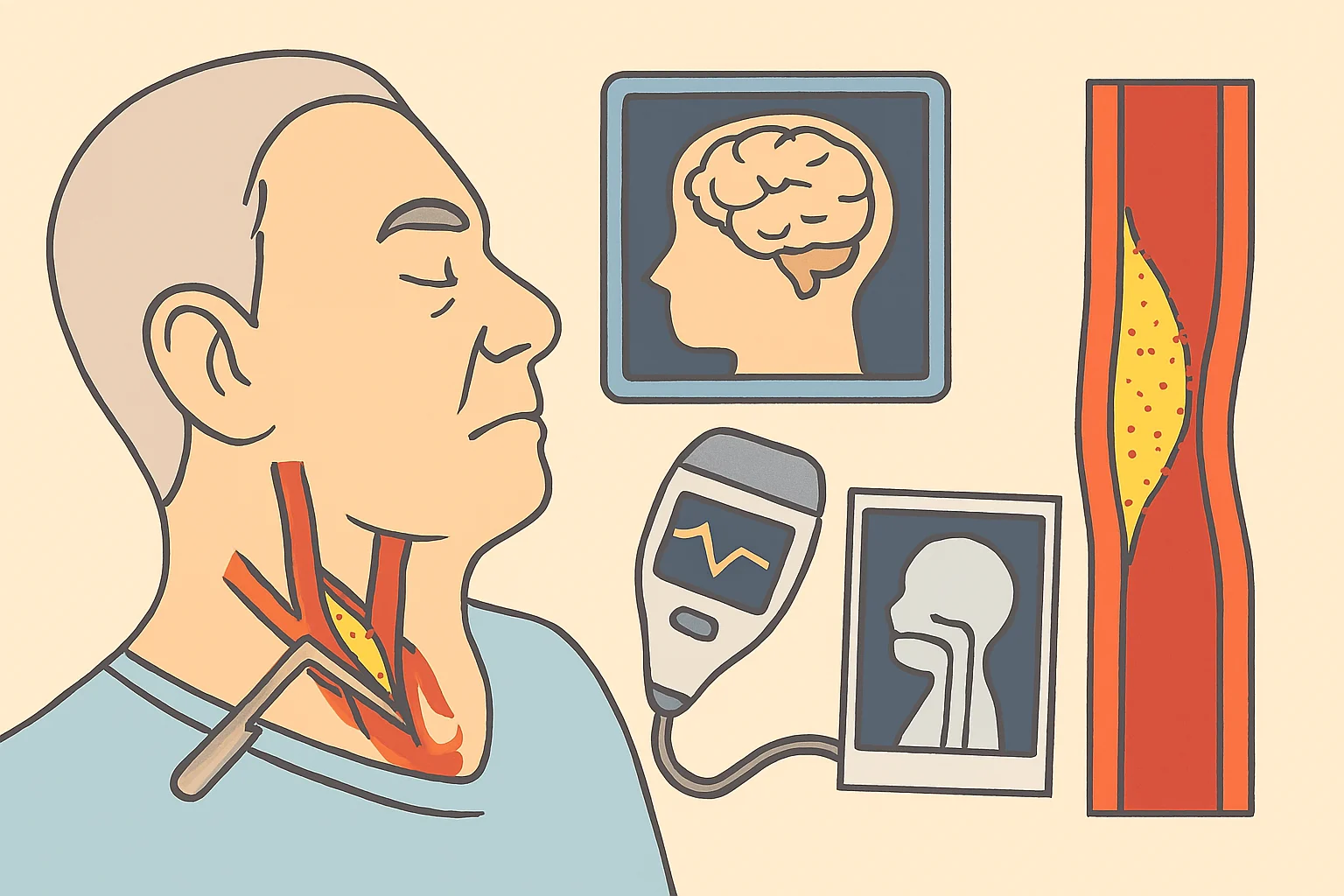
Peripheral vascular disease, PVD for short, is a disease of the blood vessels outside the heart and brain. This may lead to either partial or total obstruction of the arteries and thus, limit blood circulation to the limbs particularly the lower limbs. The main purpose of this article is to do a detailed analysis of PVD, where we will go through commonly asked questions (FAQs) and stats and also highlight the success stories to give hope and characters for understanding.
Statistics on Peripheral Vascular Disease
- Thus, they noted that while sudden cardiac arrest remains the primary cause of death in the UK, affording patient care in the United States is expensive. Thus, according to the American Heart Association, roughly 8% of the American population suffer from hypertension annually. PAD, the most common type of PVD, affects over 5 million people in the United States.
- This research proved that the number of the affected patient of Peripheral Artery Disease is proportional to the age of people. It rises accordingly as the age of the people in the society increases. Around 3% of those under 60 years old are estimated to have this disease. Nevertheless, in populations aged over 70, this percentage may increase greatly, and it can reach rates between 15% to 20%.
- Smoking serves as a major risk factor in PAD. According to the statistics smokers undergo the increased primary disease rate two to four times higher than that of non-smokers.
- These are horrific figures for diabetics; and for the 50 plus population, 29% have severe PAD. PAD is a disease that increases risk of heart attack, stroke and limb amputation many folds. If it is not treated, these risks become significantly elevated.
Success Stories and Case Studies
- Jane’s Journey to Recovery: Jane, aged 62, is a retired school teacher. Recently, she received news about her Peripheral Artery disease. The diagnosis was based on the fact that she suffered from leg pain during a walk. The physician recommended her to alter her diet. Some medicines were also prescribed to cure her diabetes and hypertension, which were the actual problems. With the assistance of the family doctor, Jane quits smoking and begins training exercises. The first time she tried to walk, her legs hurt a great deal. After a while, though, the pain no longer existed, and she was able to walk comfortably again. Jane now engages in a lot of enjoyable activities. She goes for a walk on a trail or assists at the community center.
- Mark’s Miracle Milestone Mark: a 55-year executive of a construction enterprise, was left with a tough decision of his life. This was witnessed when he was hospitalized after being diagnosed with Advanced Peripheral Vascular Disease. But Mark, the main character of my story, needed several operations to remove the blockage of blood vessels in his legs. Despite this, he still had a number of distressing symptoms such as severe discomfort and total immobility. Interestingly though, Mark did not lose hope with his team and family caring and supporting him.
Thanks to a careful physiological rehabilitation, Mark regained the strength in his legs. He even managed to walk a mile without any help, thanks to his optimistic attitude. It may be a source of inspiration for those, who fight for the same but do not know if they will reach their goals or not. In life there are times sometimes people might want to quit but if one doesn’t and just continues on and on, then success will be the ultimate reward.
Frequently Asked Questions (FAQs)

Q1. How Does Peripheral Vascular Disease Affect My Daily Life?
PVD can in fact increase blood flow resistance, especially in your feet and legs. This can give you aches or cramps when you are walking or doing any other activities. When you cannot walk long distances or climb stairs, it means you will not have enough energy, and you will face a lot of discomfort. In the most advanced case, the wound or ulcer on your leg will crumble and not heal well. It may not heal at all.
Q2. Is It Safe for Me to Exercise if I Have Peripheral Vascular Disease?
But it does work out most of the time and it will help you to preserve your mental health no matter whatever symptom you are having now. Your doctor might suggest a particular exercise program that is suited to you and your abilities. Begin with an easy pace and slowly work your way up to more intense workouts when you gain strength and stamina. Walking, swimming, and cycling are probably the best exercises for individuals with PVD as they are low-impact activities in addition to which they are active, which means still allowing blood circulation without mounting the stress on your legs.
Q3. Can Peripheral Vascular Disease Be Treated?
Of course, there are methods to manage PVD and increase the blood flow to your legs. A better lifestyle, including quitting smoking and intaking fresh and active food, is one of the major solutions. Medications are also the most effective methods of managing issues like high blood pressure or cholesterol. In more severe situations, physicians may advise that a person should undergo an angioplasty when a blood vessel is blocked using a tiny balloon. This procedure is like surgery performed to enhance blood circulation.
Q4. Can Peripheral Vascular Disease Lead to Other Health Problems?
Yes, PVD shows strong links with other cardiac diseases like heart disease and stroke. Some PVD patients are at higher risk for having heart attacks and strokes. Therefore it becomes necessary to control your risk factors such as your blood vessels to ensure they are in their best state. This, therefore, mean to monitor these conditions such as diabetes, high blood pressure and high cholesterol and exercising and eating right.
Q5. What is the Time of the Recovery from the Peripheral Vascular Surgery?
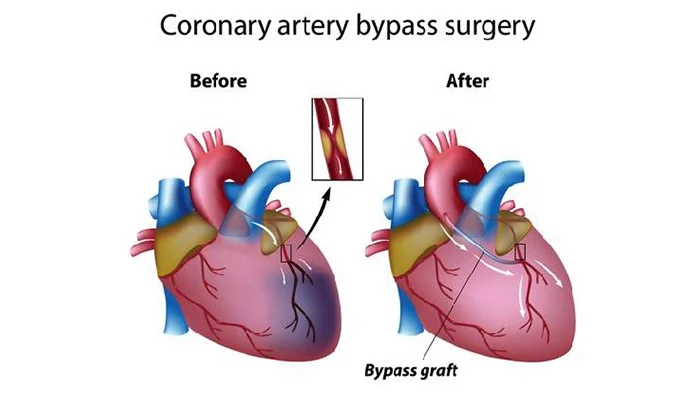
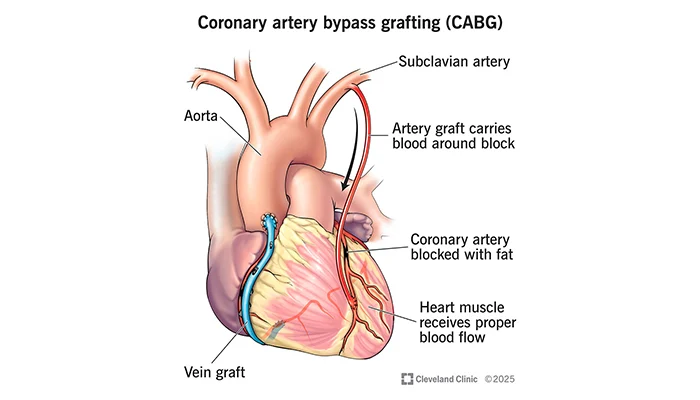
Further it can be difficult to define the particular recovery time, since it takes into account the kind of surgery that the patient underwent, his/her health conditions, and presence of complications or not. Patients undergoing less invasive techniques like angioplasties might go home on the same day and return to normal activities within a week. Compared to more complex ones like bypass, the hospital stay may be longer, and recovery may take weeks to months. The healthcare provider will give you a specific guideline based on your situation.
Q6. Can Peripheral Vascular Disease Come Back After Surgery?
Yes, indeed, the probability exists for peripheral vascular disease to re-occur after the operation. Even after the treatment, if a person continues to smoke, doesn’t control diabetes or high blood pressure, and doesn’t lead a healthy lifestyle, the risk of recurrence is still high. Screening and check-up by your healthcare provider is a significant factor in combating this health issue, and adopting to healthy behaviors is tremendously essential too.
Q7. How Can I Manage Pain After Peripheral Vascular Surgery?
Pain management will be quite different depending upon the type and the extent surgery done. Your healthcare provider may write you a prescription for pain relief medicines for a while. Following the guide of your healthcare experts, walking and other forms of exercise as circulation improvement tools will reduce the discomfort you are experiencing.
Q8. How Often Will I Need Follow-up Visits After Surgery?
The number of scheduled visits will be dependent on the type of surgery you underwent, your recovery progress, as well as any co-existing health conditions. At first, you might have to go for check-up more often, which would later decrease as you recover. It is the main responsibility to attend all the follow-up appointments each time and to let your healthcare provider know about the emerging ailment or if there are any changes in your health status.
Conclusion
Peripheral Vascular Disease can reduce the quality of life to a great extent. However, early diagnosis, suitable treatment along with lifestyle changes can help a lot to manage the condition and also improve health condition. This article intends to give patients a sense of power and hope on their way to recovery and well-being by answering the most common questions, presenting the most relevant statistics, and showing the most inspiring success stories.