PTSD Treatment Options
PTSD treatment options vary depending on your unique symptoms. Oftentimes, doctors may use more than one method to address underlying trauma.
Exposure Therapy
Exposure therapy aims to help you confront memories – or situations – that provoke fear within you.
The goal is to enable you to face these triggers in a safe environment and build your ability to cope with them.
This method is particularly effective for managing flashbacks and nightmares associated with PTSD. Some healthcare providers also use Virtual Reality (VR) technology during therapy. This allows you to visit and confront traumatic settings in a controlled way.
Cognitive Therapy
In cognitive therapy, doctors work with you to identify the patterns of thinking that are holding you back. These could be negative beliefs about yourself or persistent worries about past traumatic experiences.
Once you recognize these patterns, you can start to challenge and – eventually – change them. This form of treatment is often combined with the former for more positive outcomes.
Eye Movement Desensitization and Reprocessing (EMDR)
EMDR integrates exposure therapy with guided eye movements. According to the American Psychological Association (APA), it aims to “change the way memory is stored in the brain.”
The EMDR is believed to stimulate the brain’s processing capabilities. This, in turn, reprocesses traumatic memories and changes your response to them over time.
Trauma-Focused CBT
This approach educates you about how trauma affects your mind and body. As a result, you identify (and reinterpret) negative thought patterns that may have developed due to your experiences. According to a study, this method showed an 81.9% decrease in trauma symptoms.
TF CBT also equips you with practical skills to manage symptoms associated with trauma. These skills may include relaxation techniques, coping strategies for anxiety, and methods to improve emotional regulation.
Medications
Medications play a major role in alleviating PTSD symptoms. Although the US Food and Drug Administration (FDA) hasn’t approved any PTSD medications, your healthcare provider may prescribe some to manage the symptoms.
- Prazosin reduces nightmares in people with PTSD. Studies show that it is more beneficial than a placebo in reducing the symptoms. However, it’s important for you to consult with your doctor to assess whether it would be helpful based on your specific circumstances.
- Anti-anxiety medications are another category that can provide relief from intense anxiety associated with PTSD. However, due to their potential for misuse, these medications are typically used for shorter periods under careful supervision.
- Antidepressants are a primary option for several reasons. First, they target symptoms of depression and anxiety. Second, they help improve sleep patterns and concentration. Generally, doctors prescribe FDA-approved medications like sertraline (Zoloft) and paroxetine (Paxil) for PTSD treatment.
PTSD Prevention Methods

Source: Pexels
You can’t prevent a traumatic event, but there are steps you can take to reduce the chances of developing PTSD after it.
- Being a part of a support group after something traumatic can help significantly. Sharing your experiences with others who understand you can provide comfort and reassurance.
- It is important to reach out to friends and family after a traumatic event. Talking to others can make you feel safer and less alone.
- Try to focus on things you did well during the event, even if you were scared. This can help you feel stronger and more in control.
- If you’ve experienced a trauma that affected many people – think of a natural disaster – helping others can be healing. It connects you with a sense of purpose and community.
PTSD Management Strategies
If you have PTSD, you can incorporate certain lifestyle changes to manage your symptoms. Here are some effective and practical approaches to consider.
Adopt a Pet
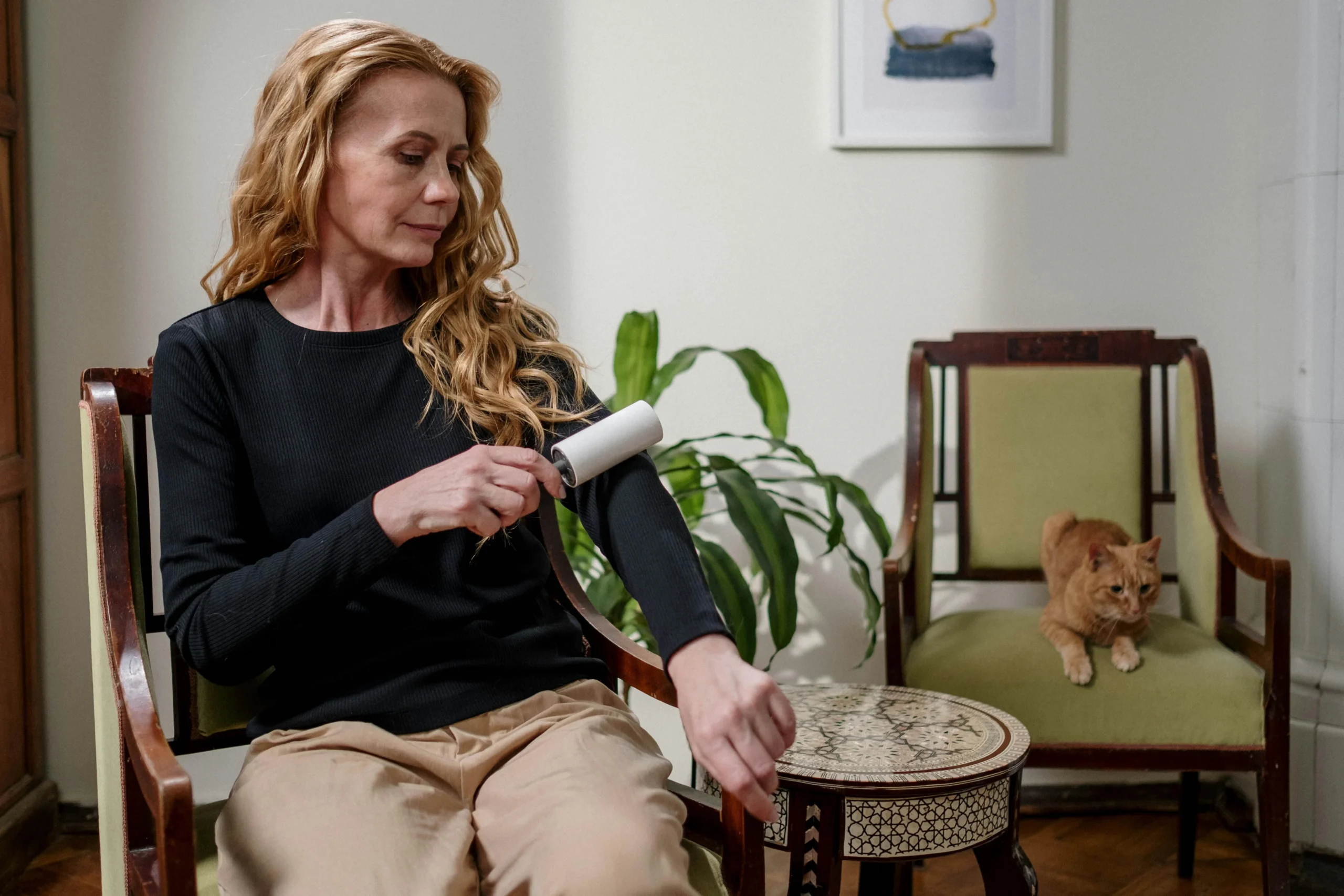
Pets can provide incredible emotional support, according to research. A dog or cat can offer companionship and unconditional love, which can be comforting.
Taking care of a pet gives you a routine and a sense of purpose. Plus, interacting with them reduces stress.
So, if you’re able, consider getting a pet – their addition in your life can make a world of difference.
Healthy Lifestyle
Taking care of your body can have a significant impact on your mind.
Therefore, try to exercise regularly, even if it’s just a daily walk. Exercise releases endorphins (natural mood boosters) and alleviates stress related to PTSD.
Besides, eating a balanced diet and getting enough sleep is crucial. According to the Sleep Foundation, people with sleep problems are more likely to develop PTSD after a traumatic event. Therefore, make sure you get enough sleep and take small steps that can add to big changes in how you feel.
Journaling
Writing down your thoughts and feelings can be a powerful way to process what you’re going through.
According to a study by the University of Rochester Medical Centre, they also let you track your everyday symptoms so you can better recognize the triggers and control them.
So, over time, you may find that journaling leads to greater self-awareness. You can also use your journal to note positive experiences and things you’re grateful for. This helps shift your focus away from negative thoughts.
Mindfulness and Relaxation Techniques

Source: Pexels
Incorporating mindfulness techniques into your daily life can help you stay grounded. Mindfulness practices like meditation and deep breathing can reduce stress associated with PTSD. Further, guided imagery and progressive muscle relaxation can promote a sense of calm.
You can start with these practices for just a few minutes each day and gradually increase the duration as you become more comfortable. Remember, it’s about progress, not perfection. Over time, you’ll notice a reduction in the intensity of your PTSD symptoms.
Conclusion
Living with PTSD can feel like an uphill battle, but it’s important to remember that healing is possible, and you don’t have to face it alone.
We discussed a few PTSD treatment and prevention strategies to help you mitigate the impact of traumatic events. It’s all about finding what works best for you.
Besides, don’t hesitate to seek out the resources or help that feels right for you. There’s strength in taking steps towards recovery, no matter how small.
FAQs
Q1. Can You Self Treat PTSD?
Self-treating PTSD may be possible in some cases, but it’s important to approach it with care and understanding. Techniques like deep breathing exercises, mindfulness, and a healthy lifestyle can help manage the symptoms. However, PTSD is a complex condition, and professional guidance is often crucial to recover fully.
Q2. What Is the Primary Prevention of PTSD?
The primary prevention of PTSD generally focuses on reducing the risk of developing the disorder after experiencing a traumatic event. It may include:
- Early intervention by seeking support from friends and family
- Education and Awareness about how trauma affects your mind and body.
- Building resilience through stress management techniques.
Q3. What Is the New Treatment for PTSD?
MDMA-assisted psychotherapy is a relatively new treatment for PTSD. This involves giving an MDMA dose to patients in a controlled, clinical setting. The drug improves emotional openness and reduces fear. As a result, patients explore traumatic memories without feeling overwhelmed.