Frequently Asked Questions About PTSD
PTSD is a complex mental health condition leading to a range of emotional and physical symptoms. This section discusses common FAQs about PTSD to promote understanding and address misconceptions.
Who Is At Risk for PTSD?
Anyone who experiences a traumatic event is at risk for PTSD. However, some people are more vulnerable than others. These may include:
- Military personnel
- First responders
- Abuse survivors
- Survivors of accidents and natural disasters
Besides, factors like lack of support and certain personality traits can increase the risk.
Is PTSD Curable?
PTSD is a manageable condition but not necessarily curable in the traditional sense. Many people with PTSD find relief through medication, therapy, and support groups. Proper treatment enables them to lead fulfilling lives and manage their symptoms effectively.
What Are the Symptoms of PTSD?
Symptoms of PTSD include:
- Flashbacks
- Nightmares
- Severe anxiety
- Uncontrollable thoughts
You may experience these symptoms after a traumatic event. Some individuals also experience emotional numbness and avoidance of reminders of the trauma, which interferes with daily life.
How Can You Support Someone With PTSD?
Supporting someone with PTSD requires you to be patient and non-judgmental. Make sure you encourage them to seek professional help and be there to listen without pushing them to talk about their trauma. Your supportive presence alone can make a big difference.
Can PTSD Cause High Blood Pressure?
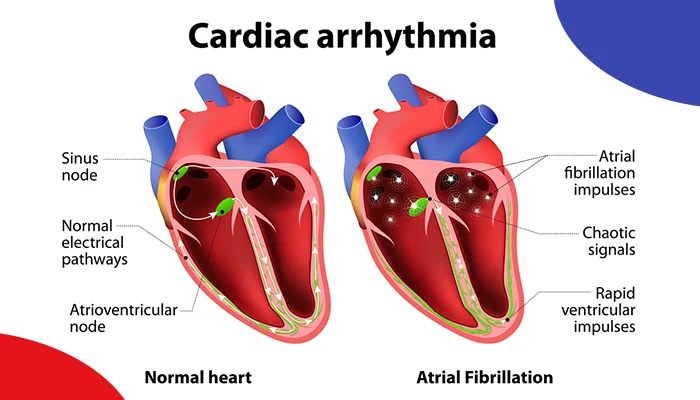
Yes, PTSD can contribute to high blood pressure due to chronic stress and anxiety associated with the condition. This constant state of hyperarousal can strain the cardiovascular system and lead to higher blood pressure over time.
What Are Some Myths About PTSD?
Common myths about PTSD include the belief that it only affects military veterans, that people with PTSD are violent, and that it’s a sign of weakness. In reality, PTSD can affect anyone and those who have it struggle with intense internal battles. However, they do not pose a threat to others.
Is Anger Related to PTSD?
Yes, anger is a common symptom of PTSD. Individuals with PTSD may experience intense anger or irritability as a result of trauma. This can be a way of coping with the overwhelming emotions they experience.
Can PTSD Cause Hallucinations?
Although less common, PTSD can sometimes cause hallucinations, especially in severe cases. These hallucinations are typically related to the traumatic event and can occur during flashbacks or nightmares.
Can You Get PTSD from Emotional Abuse?
Yes, emotional abuse can lead to PTSD. The trauma from emotional abuse, such as constant manipulation or criticism can be just as damaging as physical harm.
Those affected may experience the same PTSD symptoms as survivors of other types of trauma.
PTSD Statistics Worldwide

Source: Pexels
We compiled PTSD statistics worldwide from various credible resources to provide a comprehensive overview of its prevalence.
These figures reflect data from organizations like the World Health Organization (WHO), Harvard Medical School, and the US Department of Veteran Affairs.
- Approximately 70% of people worldwide encounter a potentially traumatic event during their lives. However, only 5.6% of these individuals develop PTSD.
- The likelihood of developing PTSD depends on the type of trauma experienced. Those exposed to war or violent conflict are 3 times more likely to develop PTSD.
- Up to 40% of individuals with PTSD recover within one year.
- Although numerous effective PTSD treatments are available, only 25% of people in low and middle-income countries seek any form of therapy.
- About 1 in 13 people in the US experience PTSD at some point in their lifetime.
- The distribution of PTSD cases shows that 30.2% are mild, 36.6% are severe, and 33.1% are moderate in severity.
PTSD Statistics Military
Here’s a look into PTSD statistics worldwide among military personnel.
- An estimated 354 million adult war survivors globally experience PTSD and/or major depression.
- Reports indicate a 10% prevalence of PTSD among Gulf War veterans.
- Approximately 14% of veterans who served in Iraq were found to have PTSD.
- About 30% of Vietnam veterans have experienced PTSD in their lifetime.
- The National Center for PTSD highlights that 7 out of every 100 veterans experience PTSD.
- PTSD is more common in female veterans (13%) than in males (6%)
PTSD Case Examples

Source: Pexels
Living with PTSD is tough, but it’s not without hope. Stories of transformation show how people move from fear to courage and from feeling isolated to finding connection.
Below, we’ve enlisted some PTSD case examples that highlight the impact of trauma and also reveal the resilience that emerges through healing.
Case Study 1
Jill, a 32-year-old Afghanistan veteran, suffered from PTSD for more than five years after witnessing an IED (ImprovIsED ExplosIvE DEvIcEs) explosion that claimed her fellow soldiers’ lives. She avoided thoughts of the incident and struggled with depression and alcohol intake.
However, she showed significant improvement after 10 sessions of cognitive therapy focused on PTSD.
Jill gradually learned to challenge guilt-inducing thoughts about the event. Her sessions helped her see past experiences in a new light and offered her relief from PTSD symptoms.
Case Study 2
Terry, a 42-year-old earthquake survivor, struggled with PTSD symptoms for over eight years. He coped by filling his schedule with work and activities to avoid thoughts of the earthquake.
However, he still experienced intrusive memories and distressing nightmares. This affected his sleep and overall quality of life.
Terry underwent imaginal exposure therapy to seek treatment. A detailed recounting of the incident during therapy sessions helped him face his fears and reduce PTSD symptoms.
Case Study 3
Rimma, a freshman, struggled with PTSD-like symptoms due to family problems. She wore a somber appearance and often criticized others as a defense mechanism.
Therapy helped her confront her deep-seated mistrust and family dynamics (particularly her parents’ traumatic history as a Soviet-era Jewish immigrants).
Gradually, she gained insights into her emotional barriers and developed healthier coping strategies. Rimma began to engage more with peers and improved her academic performance. Her journey highlighted the impact of family trauma on mental health.
Conclusion
PTSD can affect anyone who undergoes trauma. Renowned figures like Ariana Grande, Oprah Winfrey, and Mick Jagger have also battled with PTSD.
They’ve openly shared their struggles and showed that fame doesn’t shield one from trauma’s grip.
Yet, amidst this turmoil, there is resilience. Therapy, support networks, and coping strategies can be transformative.
In this guide, we shared FAQs to provide an in-depth understanding and case studies to inspire hope. We all have the strength within to overcome and thrive after trauma. The key, however, is to have the right tools and support.