Common Questions: What You Need to Know
What Is a Pacemaker?
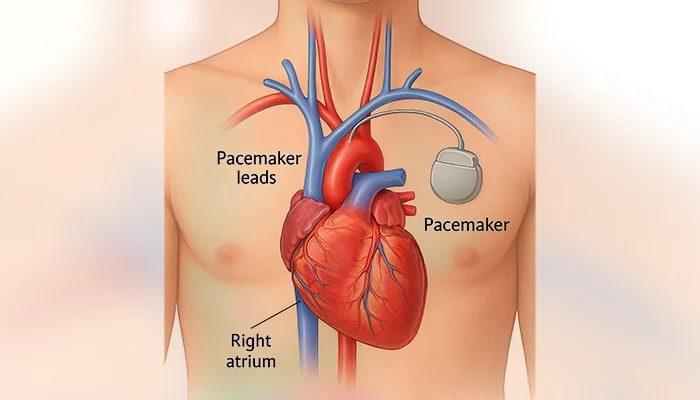
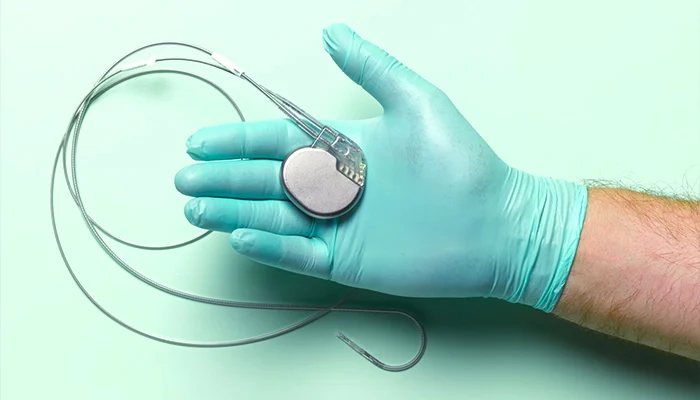
It is a small device connected to your heart. It helps you regulate your heartbeat and sends electrical impulses promptly, ensuring your heart beats at average. On the other hand, if your heart is not beating at a normal level or skips some of the beats for some reason, the device makes sure to fix that as soon as possible.
How Long Does a Pacemaker Last?
That depends upon various factors. The average life of an exemplary pacemaker last around 5–10 years. However, this could depend on the device’s usage. For example, how frequently does the device have to send signals to your heart, along with the type of battery that the device is using? A medical specialist will monitor the life of a device and let you know if it’s time to buy a new one.
Is Pacemaker Implantation a Major Surgery?
No, it falls under the category of minor surgeries. This surgery lasts around one to two hours. It’s still significant while not as extensive as the other major surgeries. A visit to the hospital is needed before you undergo this surgery. You will be given medication before this treatment to ensure proper sleep during this procedure. A small chest cut is needed so the doctors can adequately insert the device and connect it to your heart.
Can I Lead a Normal Life with a Pacemaker?
According to statistics, most individuals who have undergone Pacemaker surgery live everyday lives like ordinary people. You can have a cardio session and other physical activities if you want. Not only that, you can spend an average amount of time at family gatherings and eat whatever you want. But there are certain things that you should be aware of and keep in mind. You should avoid solid magnets. Magnetic fields generated by magnets could disrupt the pacemaker’s pulses. Based on your circumstances, the medical guide will offer more elaborate instructions.
What Happens During the Surgery?
Usually, pacemaker surgery starts with medication that is given to the patient before the operation. This medicine will make you sleep, and a small cut will be made on your chest. Your pacemaker machine is typically placed close to your heart under your skin, and wires connected to it help you control how fast or how slow it beats.
Understanding Pacemaker Impact: Key Statistics
More Pacemakers Over Time
More people are getting this every year. In 2020, there were few because of COVID-19.
Different Types of Pacemakers
Most are double-chamber (67.4%), then single-chamber (27.9%), and a few are biventricular (4.6%).
Who Gets It
On average, people are 76 when they get a pacemaker, and this age is slowly increasing.
How Long Pacemakers Help
After getting a device, most people live for at least five years (88.6% survive), and about three out of four live for ten years (75.9% survive).
Why Some People Pass Away
The most common reasons are problems with the heart (62%), then cancer (13%), and breathing problems (7%).
These stats tell you how pacemakers have helped people by giving them a better life despite challenges.
Insights and Success Stories
Here, we have some real-life experiences of many individuals who have successfully undergone surgery. This will offer hope and inspiration to those navigating similar health challenges.
Barry’s Journey During the Pacemaker Implantation
At the age of 30, Barry faced heart problems that required surgery. Despite dealing with ongoing challenges, A device was inserted to help manage his condition. Initially, he wasn’t sure about it, but later, Barry realized that the pacemaker was a crucial asset. Even during the bad times of a stroke, the device had given him the stability and support he needed. Barry says, “This device is always there to help him, like a dependable friend when things get tough.”
John’s Triumph Over Heart Block
John faced health issues in his youth, including heart block, which posed challenges. However, with the help of a pacemaker, everything has changed. The device gave him a new sense of feeling that he hadn’t felt before. After the surgery, John regained control. He enjoyed his leisure time with family and friends and pursued his career and passion. The device enabled John to live life fully.
John had said, “Getting the pacemaker changed everything for me. It means I can live my way without fear of always monitoring my heart.”
Conclusion: Empowering Hearts, Changing Lives
A cardiac pacemaker is not only about healing your abnormal heart rhythms—it promises individuals a brighter future so they can live happily without any fear. We have already seen above what a pacemaker does for people: inspiring stories and simple facts. Henceforth, the world, especially those dealing with these issues, should embrace the importance of having pacemakers and look forward to days of happier hearts and improved health conditions.