A heart transplant is a life-saving operation for people with severe heart disease and final-stage heart failure that can help to restore hope and provide the desired opportunity for living once again. Nonetheless, such an operation does not mark the end of everything; rather, it is just another beginning that involves attentiveness to the treatment, prevention and ongoing management of patients’ improvement. Additionally, this blog will discuss different matters regarding heart transplantation, which include treatment options, preventive measures, and suggestions for daily management and lifestyle adjustments.
The Heart Transplant Procedure
In modern medicine, human cardiac transplant surgery represents a dream come true. It involves several detailed steps, including the replacement of a failing heart by one from a healthy donor. The first stage of this treatment would include getting a match who would donate their hearts that were healthy to someone whose health was almost breaking down because they had been afflicted by some kind of sickness (disease). These entail matching blood types and body sizes, as well as looking out for any antibodies in the recipient’s system that could react against transplanted organs or tissues, among many other considerations.
Surgical Techniques
Here’s a breakdown of the two primary methods used in heart transplant surgeries.
Orthotopic Transplantation

What It Is: The recipient’s diseased heart is removed and replaced anatomically accurately with a healthy donor’s heart.
Why It’s done: This preserves the natural position and functioning of the organ within the thoracic cavity.
How It Helps: It ensures that the transplanted heart works as naturally as possible, matching the original heart’s position and connections.
Heterotopic Transplantation

- What It Is: The donor’s heart is sewn onto the patient’s heart, giving the patient two hearts. This process is commonly referred to as “piggybacking.”
- When It’s Used: It is sometimes chosen when additional support may partly restore and enhance a recipient’s heart or when only the donor’s heart might not be strong enough to carry out its functions.
- How It Helps: It serves as an alternative when conventional transplantation may not be favorable while boosting the recipient’s circulatory system.
Immediate Post-Op Care
Medications

1. Immunosuppressants
After a transplant operation of the organ, recipients are advised to take immunosuppressants so that they can avoid their immunity from rejecting the donor’s hearts. Additionally, these drugs depress the immune response, making it easier for transplanted hearts to function without being attacked.
2. Antiviral and Antibacterial Drugs
Doctors can give patients specific antiviral or antibacterial medication to avoid fatal post-surgical infections.
3. Anti-rejection Therapy
Among such therapies are monoclonal antibodies, corticosteroids, and immunosuppressants, which reduce rejection chances even more and protect the heart.
Therapy.

1. Cardiac Rehabilitation
Rehabilitation programs for cardiac surgery patients often involve enhancing their physical fitness by means of exercises alongside counseling and education. Additionally, other services include stress management techniques, nutritional guidance, and supervised exercise sessions.
2. Psychological Support
Emotionally, recipients and their families find heart transplants a difficult experience. Psychological support through therapy or support groups can assist them in dealing with transplantation trauma, stress management as well as adapting to life with a new heart.
Lifestyle Changes

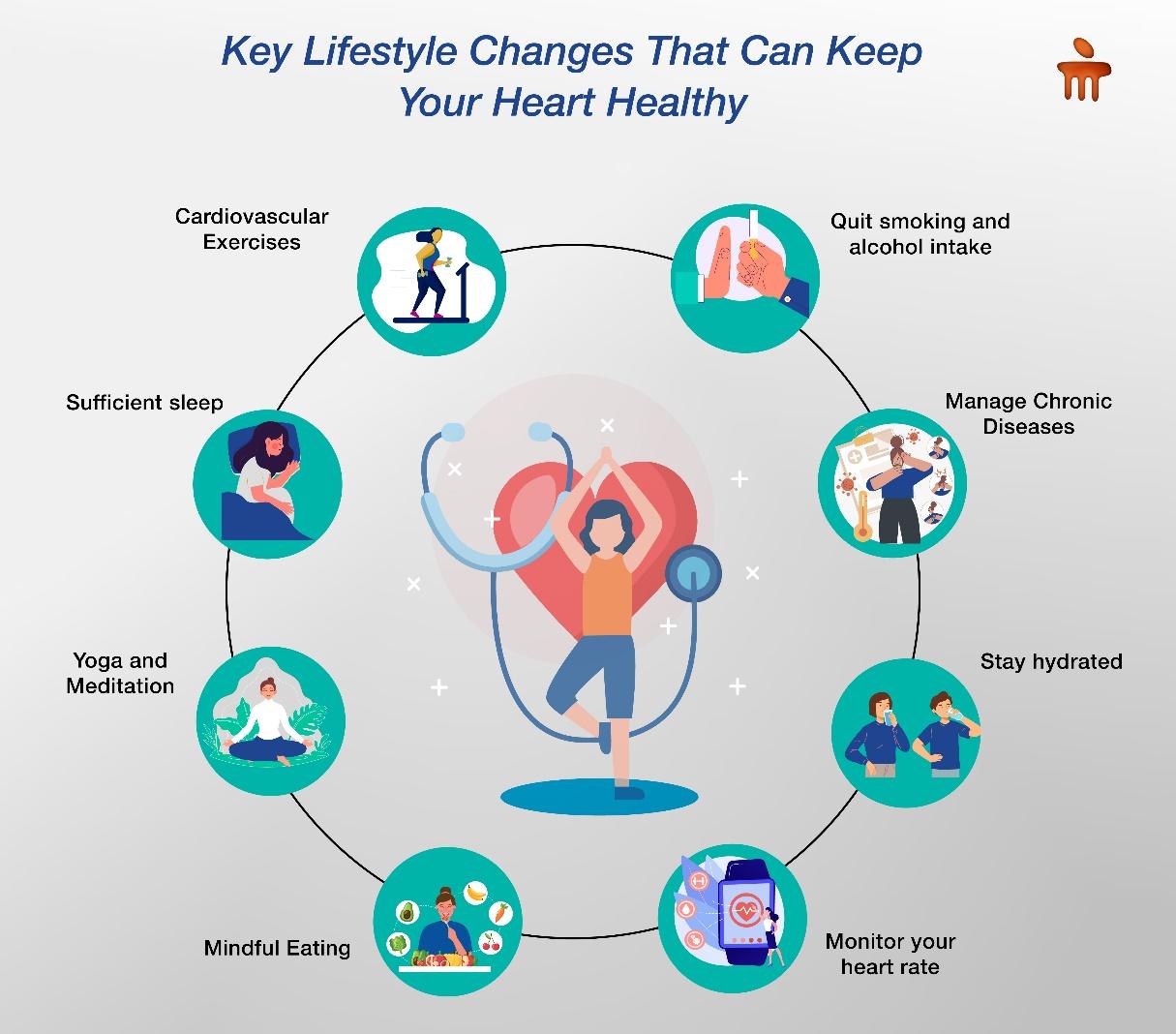
1. Medication Management
They should be advised to follow the doctor’s orders regarding medication use strictly. Failing to take medicine on time or suddenly stopping it increases risks of rejection, thereby causing health problems. Consequently, it is vital to remember to take drugs and refill prescriptions on time to avoid running out of medications. While undergoing medication use, the recipients have to tell their practitioners about any side effects or changes in the body.
2. Smoking Cessation
Smoking increases heart disease risks and can lead to complications after heart transplant surgery at a higher degree. Therefore, recipients should not only quit smoking but also stay away from other people who smoke to take care of this new organ.
3. Limiting Alcohol and Caffeine
Taking excessive alcohol and caffeine may affect heart health negatively because they could interfere with some medicines that the patients will be put on while avoiding recreational drugs among others. As such, it is important for these recipients not to consume much alcohol or caffeine, but rather protect themselves by all means possible from these toxic substances.
4. Diet and Nutrition
By eating a diet with low levels of saturated fats, cholesterol, and salt, recipients can maintain the appropriate weight needed to achieve a healthy lifestyle. Consequently, this helps to control blood pressure, manage diabetes, and prevent heart disease in the future. Monitoring sodium intake requires that you limit your consumption of canned soups, fast food, and other processed foods since they have high levels of sodium; on contrast, one should drink plenty of water throughout the day instead of taking sugary beverages or alcohol.
5. Physical Activity
The advice given by the doctor regarding your physical activity can greatly influence your cardiovascular health. People should do aerobics for at least 150 minutes per week as advised. You can also try walking, swimming, and strength exercises.
6. Stress Management
Stress may negatively affect heart function and contribute to complications that arise after a transplant surgery. To reduce stress and encourage relaxation among recipients, they need to incorporate stress management techniques such as deep breathing exercises, meditation, yoga or even tai chi into their lives. Incorporating fun in recreational activities with loved ones around us and seeking support from friends, family members or people from the same trouble group might all be useful tools for managing stress, thereby enhancing general well-being.
7. Monitoring Symptoms
Patients must note if there are any changes in their health or any signs such as chest pain, fatigue, shortness of breath, swelling or irregular heartbeat. Recipients can keep a record of symptoms in order to note changes and communicate effectively with the health care team since it may be an indication of transplant rejection or complications.
Other Prevention Measures and Interventions
1. Regular Medical Check-ups
Regular medical check-ups and monitoring are essential. Additionally, they help in assessing heart function, checking medication levels, and identifying any early indications of complications or rejections.
2. Vaccinations
Recipients must regularly get vaccinations, such as yearly flu shots or pneumococcal vaccines, to reduce the risk of infections.
3. Avoiding Exposure to Illness
In order not to fall ill, recipients should practice good hand hygiene, avoid crowded places during flu season, and stay away from sick individuals if at all possible.
Possible Complications After Heart Transplant

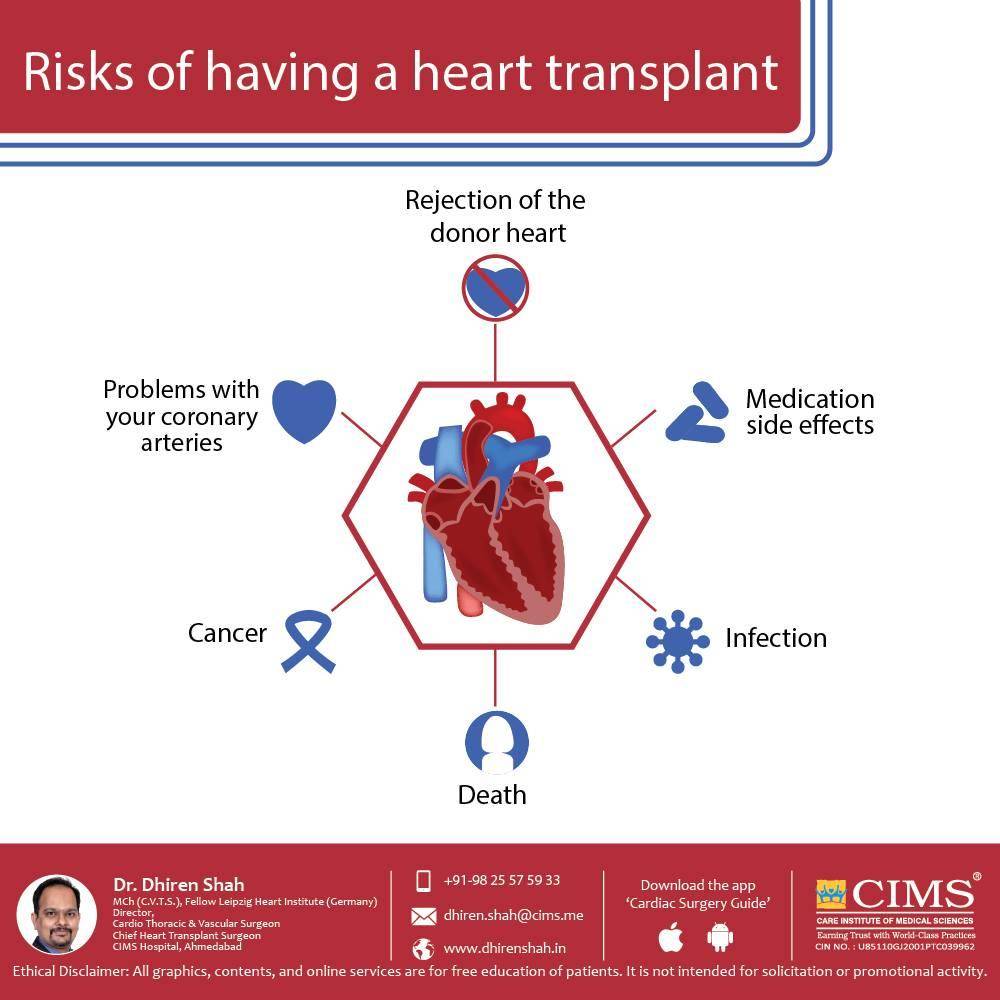
However, in spite of the life-saving quality of heart transplant surgery several risks and complications exist which patients need to understand. These include:
1. Organ Rejection
Your immune system may not recognize your new heart and might attack it. The drugs you take will help calm down your immune system so that this does not happen. Your doctors will also do regular tests on your heart. Should you start having feverish conditions, difficulties breathing, or excessive tiredness, among other related signs, call your doctor because this might be a sign of rejection.
2. Infection
The medicines you take to protect your new heart can make you more likely to get sick. Therefore, to lower this risk, wash your hands often, keep things clean, and get vaccinated against common infections.
3. Cardiac Allograft Vasculopathy
Sometimes, the blood vessels in your heart can narrow and harden, making it harder for blood to flow correctly. Therefore, doctors will regularly perform tests to catch this early. You can also help by eating healthy, not smoking, and getting regular exercise, which can lower the risk of blood vessel problems.
4. Kidney Problems
In the long run, post-surgical medicines can put pressure on your kidneys. Your physician will examine if your kidneys are working fine through your blood samples. In order to assist with this, all you need to do is drink lots of water and keep a check on your urination.
5. High Blood Pressure and Diabetes
There are a few drugs that you take after the transplant that cause high blood pressure and sugar levels, so this eventually causes diabetes. The physician will regularly keep in check your blood pressure and sugar levels; furthermore, they will prescribe you drugs to keep it all routine.
Undergoing a heart transplant is not an everyday experience, but it could lead to complications later on. But by maintaining your routine, doing as your doctor advised and taking excellent care of yourself will help you live your life fully.