

A heart transplant is a kind of surgery in which a patient’s defective or deformed heart is replaced by a healthy heart from a dead person who donated this heart. This kind of heart operation is only recommended for patients who are very sick with severe heart disorders, which any medicines and other forms of treatment cannot control. It is often a complicated task, requiring a well-researched and thought-out approach. This article will cover the heart transplant, the main symptoms, and the procedure.
Significance and Prevalence of Heart Transplantation
A heart transplant is considered for patients with refractory heart failure or other severe congenital or acquired heart diseases. The last stage of congestive heart failure is very serious. The heart cannot pump enough nutrient-rich blood to the body despite medical treatment. This can lead to a stroke or heart attack. This condition can be dangerous and if it is not managed appropriately, then it could be fatal.
The American Heart Association provides services such as about 3000 heart transplants annually in the United States. However, the number of heart transplants performed around the globe may fluctuate. They remain an element of survival for those facing life-confining heart conditions.
Overview of Heart Transplantation

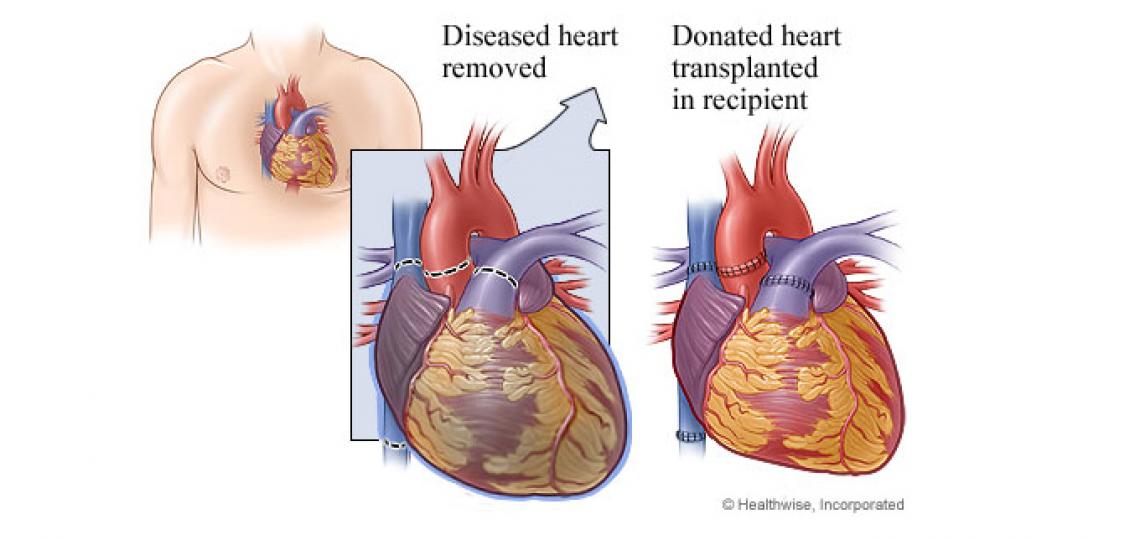
A heart transplantation surgery involves the removal of the patient’s sick heart. Surgeons substitute it with a healthy organ from a donor. The heart of the donor is usually from a deceased person. This individual had chosen to donate their organs. Their decision helps save the lives of others.
1. Preoperative Assessment
Health specialists identify a suitable heart donor for the recipient by considering blood type, body size, and tissue compatibility. This helps reduce the risk of rejection and ensures a fully healthy heart match.
2. Surgery
The surgery takes place while a patient is given general anesthesia. Thus, they are sleep-induced and unconscious. A team of experienced surgeons and heart specialists carefully remove the diseased recipient’s heart. They then replace it with the donor heart in its place. The recipient’s blood vessels are attached to a new heart, and the surgical wounds are stitched.
3. After Surgery Care
Besides the heart surgery, the patient is strictly followed up in the intensive care units for three days. This ensures the heart works efficiently and tracks potential complications. Moreover, the doctors will continue to check on the patient and monitor his progress to prevent organ rejection. Regular symptoms can be a signal in case the patient needs to undergo a heart transplant.
Common Symptoms Indicating the Need for Heart Transplantation

Awareness of the symptoms and signs of heart failure is critical for early treatment and organization. While symptoms may vary from person to person, common indicators of heart failure include:
Severe Fatigue
Your heart is the main engine of your body, which makes every other organ work finely. The largest symptom is total fatigue. It doesn’t matter if you woke up early or had ample sleep. It’s not just like regular tiredness; it’s an endless exhaustion that won’t disappear. Furthermore, it is because your heart cannot pump blood well. Therefore, your body is not getting the oxygen it requires to work correctly.
Shortness of Breath
Imagine how it feels to be out of breath after climbing a flight of stairs in the same place where someone with a more normal fitness level can get up effortlessly. You see it when your chest pumps that your heart is unhealthy. Just simple movements like walking or lying down can leave you craving air. It feels just like there is this heavy load on your chest that makes taking in and giving out breath so hard. Your breathing becomes harmful when fluids accumulate in your lungs due to inadequate heart function. This ultimately leads to discomfort while breathing.
Swelling (Edema)
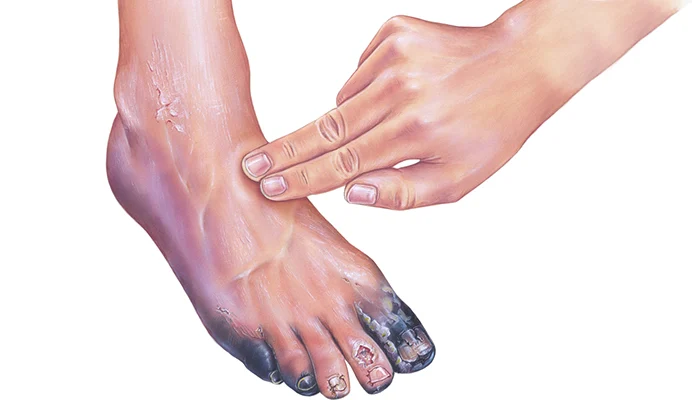
Have you ever noticed your ankles or legs looking swollen and puffy? This is what happens when your body holds a lot of fluid. Heart failure often presents a common problem. Beyond superficial concerns, it can lead to irritation and pain. This phenomenon, called edema, frequently occurs together with weight gain. It exacerbates the increased load on your heart.
Persistent Coughing or Wheezing
Let’s say it’s the same as when you’re trying to cough, but the bothering air won’t go away even though you could cough hard. It is what many heart disease patients are going through. Furthermore, it won’t go away, like a regular cough that just goes away. After taking all your medications for a while, you may find that this one persists and doesn’t respond to traditional remedies. Fluid in your lungs gathers mainly when lying down. This leads to a chronic cough or wheeze. It can be exhausting and interfere with your daily activities.
Chest Pain or Discomfort
While not always present, chest pain or discomfort can occur in individuals with advanced heart failure. Sometimes, it doesn’t have sharp pain; it can feel like a dull ache or just a prolonged pressure. It can be daunting, significantly, when it aggravates with exercise or stress pressure. Generally, this feeling of unrest is a sign that your heart is not getting enough oxygen. It is finding it hard to cope with the body’s demands.
Irregular Heartbeat (Arrhythmia)
The problem of heart rhythm irregularities and rapid or irregular heartbeat is found in cases of heart failure. You can almost feel like your heart is beating too fast, you can’t count the beats, or it’s fluttering in your chest. This disruption can be disturbing and may indicate dizziness or fainting, thereby illustrating that your heart is not working correctly.
Difficulty Performing Daily Activities
When heart failure advances, people experience difficulty carrying out simple tasks like walking, stair-climbing, or household chores. Things that used to be simple and require little effort have become demoralizing tasks. Experiencing it mentally exhausts you and emotionally drains you, leaving you with feelings of anger and frustration. This challenge results from tiredness and shortness of breath. Additionally, it is associated with heart weakening, which may make the most straightforward tasks feel tiring and hopeless.
Sudden Weight Gain
Faster weight gain and swelling are often signs of heart failure in people with fluid retention. When the heart is not working or pumping correctly, the body retains some fluid, shooting the weight up. Vigilance for sudden or unexpected changes is pivotal to managing your heart condition. Complications can result from an overlooked issue.
Early Detection for Timely Intervention
A heart transplant is a life-saving surgery for patients who are in the late stages of heart failure or another severe heart condition. Keeping in mind the regular symptoms of heart failure, including severe fatigue, shortness of breath, swelling, and chest pain, these signs will be of immense help in the early diagnosis and proper control of the disease. Consult a healthcare professional if you or your relative exhibits any of these symptoms. It ensures the development of appropriate treatment. Moreover, thanks to the latest medical technology and ongoing research, heart transplants are now the hope and life-improving process for many people worldwide.








:max_bytes(150000):strip_icc()/symptoms-of-heart-failure-getting-worse-5189593-FINAL-419e62103cd841b4a521437d3acaa774.jpg)