Depression FAQs
Depression can affect anyone, regardless of age. Below, we’ve compiled answers to some of the most common questions to promote an understanding of this challenging condition.
What Are Some Signs and Symptoms of Depression?
Depression can show up as persistent sadness, lack of interest in past activities, and changes in sleep. Here are some other depression symptoms WHO enlists:
- Feelings of hopelessness
- Low quality sleep
- Fatigue
- Suicidal thoughts
- Changes in weight and eating habits
- Feelings of guilt
What Are the Causes of Depression?
Several genetic, environmental, and psychological factors can trigger depression. Besides, traumatic life events and resulting stress can be a cause, too. Oftentimes, depression runs in families. So, if someone in your family has this condition, you’re more likely to develop it.
Why Is Depression More Prevalent In Women than In Men?
Women might experience depression more due to a combination of hormonal and social factors. For instance, a woman’s body undergoes several hormonal changes during menstruation, pregnancy, and menopause. This can lead to unique stressors and may result in depression.
What Is Major Depressive Disorder (MDD)?
Major Depressive Disorder (MDD) is a clinical diagnosis characterized by intense and persistent feelings of sadness, loss of interest in pleasurable activities, and various physical and emotional issues.
Can Depression Affect Children?
Yes, depression can affect children. Symptoms might include sadness, irritability, and changes in sleep. Further, you might notice that depressed children struggle to concentrate, which reduces their academic performance. It’s important to recognize these signs and seek appropriate help.
What Efforts Are Underway to Improve Treatment of Depression?
Efforts to improve depression treatment include the development of new medications and an increased access to therapy. Additionally, ongoing research into innovative treatments like transcranial magnetic stimulation (TMS) is being made to treat the symptoms of major depression.
Can Brain Scans Guide Treatment for Depression?
Brain scans hold promise in guiding treatment for depression. They help identify specific patterns of brain activity linked to the condition. This could lead to more personalized and effective treatment plans in the future.
What Are the Risks of Untreated Depression?
Untreated depression can lead to serious consequences. Your symptoms may gradually worsen, increasing the risk of substance abuse. In severe cases, it can result in suicidal thoughts or actions.
What Are Other Psychiatric Conditions that Can Co-Exist With Depression?
Depression often co-exists with other psychiatric conditions like anxiety disorders, bipolar disorder, and substance abuse. It’s important to recognize these conditions for effective recovery.
What Is Postpartum Depression?
Postpartum depression is a type of depression that occurs after childbirth. It involves severe mood swings, exhaustion, and a sense of hopelessness. This makes it difficult for new mothers to care for themselves and their babies.
Can Depression Affect Physical Health?
Yes, depression can affect physical health. It can lead to chronic pain, changes in weight, sleep disturbances, and an increased risk of cardiovascular diseases. Overall, well-being is closely linked to mental health.
What’s the Difference Between Depression and Sadness?
Sadness is a temporary emotion usually triggered by a specific event. Contrarily, depression is a persistent and intense feeling of sadness that affects daily functioning and can last for weeks, months, and even years.
Depression Statistics Worldwide

Depression is a pervasive mental health condition that affects millions of people around the globe. Below, we’ll explore key statistics on depression and highlight how it affects different populations.
- About 3.8% of the global population is affected by depression.
- In adults, the rate is higher, with 5% experiencing depression:
- 4% of men
- 6% of women
- Globally, approximately 280 million people live with depression
- For those over 60 years old, 5.7% are dealing with depression.
- Annually, more than 700,000 people die by suicide.
- Women are about 50% more likely to experience depression than men.
- Over 10% of women experience depression during pregnancy or after childbirth.
- Despite the availability of effective treatments for mental health disorders, over 75% of people in low and middle-income countries do not receive the care they need.
- The COVID-19 pandemic has led to a 25% increase in anxiety and depression worldwide.
- The WHO identifies depression as the “single largest contributor to global disability.”
- The US is the largest country among the top 30 nations with the highest rates of depression.
- In the United States, about 5% of the population suffers from depressive disorders, placing the country 29th worldwide in prevalence.
- Several smaller, lower-income countries in South Asia, such as Myanmar, Mali, Brunei, and Timor-Leste, report less than 2.5% of their populations as having depressive disorders.
Depression Case Study Examples

Exploring real-world scenarios can provide valuable insights into mental health conditions, including depression. Below, we share some case studies highlighting the importance of tailored treatment and resilience of those struggling with this condition.
Case Study 1
A 25-year-old Sunni Muslim man from Punjab faced severe depression marked by social withdrawal, fear, and minimal communication. He believed he was possessed by a Djinn. His family had previously sought help from faith healers.
Besides, he showed guilt over internet pornography use and family pressures. Diagnosed with major depressive disorder, he was treated with olanzapine, sertraline, and electroconvulsive therapy (ECT).
His condition improved significantly after four ECT sessions and psychotherapy. At discharge, his symptoms were mild, and he felt no guilt or shame.
Fortunately, he has remained stable for five months with ongoing outpatient follow-up.
Case Study 2
A 20-year-old man was referred to a clinic for treatment of social anxiety disorder (SAD), substance abuse, and depression. He experienced severe anxiety and depressive symptoms in social settings. Therefore, he used to avoid interactions.
He underwent 20 sessions of cognitive behavioral therapy (CBT), which reduced his anxiety attacks and angry outbursts.
CBT helped him learn techniques for social interaction, restructuring of negative thoughts, and guadual exposure to social situations. Additionally, he practiced relaxation techniques to better integrate into social situations and confront his fears rather than avoid them.
Case Study 3
Ms. Oldrid, a 68-year-old woman, admitted herself to the hospital for severe depression. She showed symptoms like sadness, low appetite, fatigue, and memory issues.
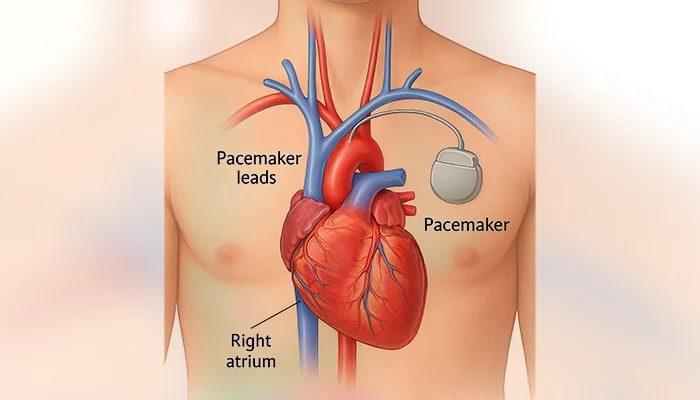
Her depression worsened after her husband’s death two months ago, following the loss of her son ten years earlier. She also experienced occasional panic attacks and was concerned about her mortality, especially with an implanted defibrillator for a heart condition.
Despite being irritable during the interview, she was coherent and oriented. Diagnosed with major depression, she underwent treatment.
Her case highlights the significant impact of depression in elderly individuals, especially the loss of loved ones, and emphasizes the importance of treatment.
Conclusion
Knowledge is power. Familiarizing yourself with the facts and stories behind depression will better equip you to support yourself and others. Remember, every person’s experience with depression is unique, but the common thread is that recovery is possible.
So, stay informed, reach out, and take heart from the case studies of people who’ve walked this path before you.