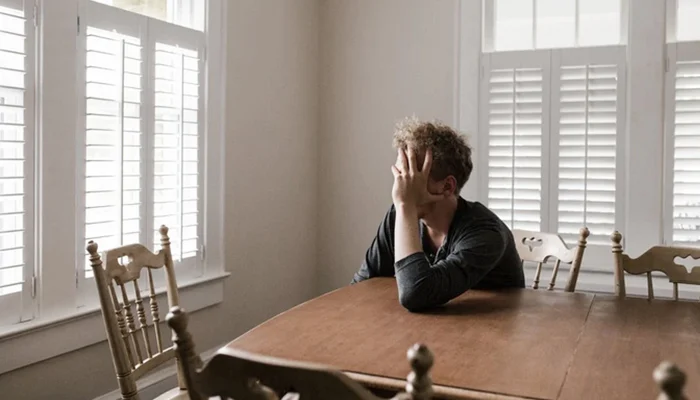
Recovery after a mastectomy is a step-by-step process, and knowing what to expect can make it feel more manageable. The first weeks focus on caring for your incision and surgical drains, protecting and gently moving the arm on the surgery side, resting, and watching for problems. Timelines vary, especially if you also had reconstruction or lymph node surgery. This checklist organizes what to do, what to avoid, and when to call your care team, broken down week by week from surgery day through long-term recovery.
This piece complements our broader mastectomy cluster. For the procedure walkthrough and decision context, see our mastectomy overview, causes and diagnosis article, and full procedure and recovery walkthrough. For long-term FAQ and outcomes, see our mastectomy FAQs article.
What Affects Your Recovery Timeline
Every recovery is a little different. The main factors:
- Type of mastectomy: A simple mastectomy is often outpatient or a one-night stay; more extensive surgery may mean a longer stay.
- Reconstruction: Having breast reconstruction at the same time lengthens recovery and adds its own care steps.
- Lymph node surgery: If lymph nodes were removed, you have a higher chance of arm stiffness and long-term swelling (lymphedema), and extra arm-care steps.
- Surgical drains: Most people go home with one or more drains that need daily care.
Ask your own surgical team for a timeline based on your specific surgery.
Right After Surgery: The First 24 to 48 Hours
Many people stay one night; simple mastectomy may be outpatient, and reconstruction often means a longer stay. The first days focus on pain control, gentle movement, and learning drain care.
- Rest, and take pain medication as prescribed
- Keep the arm on the surgery side supported and avoid heavy use of it
- Your nurse will teach you how to empty and measure your surgical drains before you go home
- Get up and walk with help to lower the risk of blood clots
- Some numbness, tightness, or a pulling feeling across the chest and underarm is normal
- Arrange a ride home; do not drive on discharge day
Week 1 Checklist (Days 1 to 7)

Week 1 centers on drain care, incision care, gentle arm movement, and watching for infection.
Drain care
- Empty and measure each drain as instructed, usually two or more times a day, and record the amounts
- Keep the drain sites clean and secure your drains so they do not pull
- Drains are usually removed when daily output drops below the level your surgeon sets, often around 1 to 2 weeks
Incision and bathing
- Follow your surgeon’s instructions on bathing; showering guidance varies by team, since some allow showering with the drains secured while others advise sponge baths until the drains are out or you are cleared
- Do not soak in a bath, hot tub, or pool
- Watch for redness, warmth, swelling, drainage, or increasing pain at the incision
Arm movement
- Do the gentle arm and shoulder exercises your surgeon or physical therapist gives you to prevent stiffness
- Do not lift more than your surgeon allows, often nothing heavier than a few pounds at first, and avoid reaching overhead until cleared
- Do not have blood draws, IVs, or blood-pressure cuffs on the arm on the side where lymph nodes were removed, if advised
Warning signs that need prompt attention
- Fever over 100.4°F (38°C) or chills
- Increasing redness, warmth, swelling, or drainage at the incision (possible infection)
- A drain that suddenly stops working, or the drain site becomes red and painful
- A firm, growing swelling under the skin after a drain is removed (possible fluid collection)
- Calf pain or leg swelling, or sudden shortness of breath or chest pain (possible blood clot; call 911 for breathing or chest symptoms)
Week 2 Checklist (Days 8 to 14)
By week 2, drains often come out and the incision continues to heal.
- Once output is low enough, your surgeon removes the drains in a quick office visit
- Continue your arm and shoulder exercises to rebuild range of motion
- Numbness, tightness, or occasional shooting sensations near the incision and underarm are common as nerves heal
- Increase gentle daily activity, but keep avoiding heavy lifting
Weeks 3 to 6 Checklist

Most people gradually return to daily routines over weeks 3 to 6, with reconstruction and lymph node surgery adding time.
- Keep doing your arm exercises daily; restoring shoulder motion is a key goal
- Many people return to desk work around 2 to 4 weeks; reconstruction or more extensive surgery takes longer
- Driving usually resumes once you are off prescription pain medication, can move the arm safely, and feel alert
- Ask your surgeon before resuming heavier lifting and exercise
- Talk with your team about a prosthesis, bra options, or the next steps if you are planning delayed reconstruction
Long-Term Recovery and Arm Care
Recovery continues beyond the early weeks, and some changes may be long lasting.
- Numbness or altered sensation across the chest and underarm can persist and may improve slowly over months
- If lymph nodes were removed, you have a lifelong chance of lymphedema (arm swelling). Protect the arm, watch for swelling or heaviness, and report it early, since early treatment can help
- A tight, cord-like band under the arm (called cording, or axillary web syndrome) can develop after lymph node surgery; tell your team, since physical therapy often helps it improve
- Continue shoulder and arm exercises to keep full motion
- Scars often soften and fade over months; ask your team about scar care
- Emotional recovery matters as much as physical healing. Feelings of grief, anxiety, or low mood are common, and support from loved ones, counselors, or support groups helps
- Keep all follow-up appointments and continue any ongoing cancer care your oncology team recommends
What Is Normal, What Is Not
Normal in the first weeks:
- Numbness, tightness, or a pulling feeling across the chest and underarm
- Occasional shooting or tingling sensations as nerves heal
- Bruising and mild swelling around the incision
- Fatigue and needing extra rest
- Fluid draining into the surgical drains that gradually decreases
Not normal, contact your care team:
- Fever or chills
- Increasing redness, warmth, swelling, or drainage at the incision
- A growing, firm swelling under the skin after drains are removed
- New or worsening arm swelling
- Severe pain not controlled by medicine
When to Call Your Doctor
Call your surgeon or care team without delay for:
- Fever over 100.4°F (38°C) or chills
- Increasing redness, warmth, swelling, or drainage at the incision or a drain site
- A drain that stops working or a firm, growing swelling after a drain is removed
- New arm swelling, heaviness, or tightness
- Severe pain not relieved by your medication
Call 911 for sudden shortness of breath or chest pain, which can signal a blood clot that has traveled to the lungs and is a medical emergency.
Tips for Caregivers and Family
Support in the first 2 weeks makes a real difference, since arm use and lifting are limited.
- Help with drain care record-keeping, and call the team with any concerns
- Handle lifting, chores, and childcare so the patient can follow arm and lifting limits
- Set up loose, front-opening clothing and pillows for comfortable resting
- Encourage the prescribed arm exercises gently and daily
- Offer emotional support and patience; recovery is physical and emotional
- Watch for fever, infection at the incision, or new arm swelling
Frequently Asked Questions
How long does mastectomy recovery take?
Many people return to most daily activities in about 4 weeks, with full recovery often taking 6 to 8 weeks. Recovery is longer if you had reconstruction or lymph node surgery. Your surgical team will give you a timeline for your specific surgery.
How do I care for my surgical drains?
Your nurse will teach you to empty and measure each drain, usually two or more times a day, and to record the amounts. Keep the sites clean. Drains are typically removed when daily output drops below the level your surgeon sets, often around 1 to 2 weeks.
When can I start arm exercises?
Your surgeon or physical therapist will give you gentle arm and shoulder exercises to begin early, since they help prevent lasting stiffness. Follow their specific plan and timeline, and do not push into sharp pain.
When can I lift and exercise normally again?
Avoid heavy lifting and overhead reaching until your surgeon clears you. Many people ease back into normal activity over about 4 to 6 weeks, longer with reconstruction. Always confirm with your team.
What is lymphedema and how do I lower the risk?
Lymphedema is swelling in the arm that can happen when lymph nodes are removed or treated. Protect the arm, keep doing your exercises, watch for swelling or heaviness, and report changes early. Ask your team about specific arm-care steps for your situation.
Is numbness across my chest and underarm normal?
Yes. Numbness, tightness, and occasional shooting sensations are common as nerves heal, and they may improve slowly over months. Some numbness can be long lasting.
When can I return to work?
Many people with desk jobs return around 2 to 4 weeks. Reconstruction, lymph node surgery, and physically demanding jobs require more time. Your team can help you plan.
When can I shower?
Follow your surgeon’s instructions, since showering guidance varies by team. Some allow showering with the drains secured, while others advise sponge baths until the drains are removed. Do not soak in a bath, hot tub, or pool until your surgeon says it is healed.
Continue Reading the Mastectomy Cluster
- Mastectomy: Overview, Types, and What to Expect
- Mastectomy: Causes, Diagnosis, and When to Consider Surgery
- Mastectomy: Procedure, Recovery, and Rehabilitation
- Mastectomy: FAQs, Statistics, and Patient Stories
Sources
- American Cancer Society (ACS). Mastectomy and recovery. https://www.cancer.org/cancer/types/breast-cancer/treatment/surgery-for-breast-cancer/mastectomy.html
- American Cancer Society. Caring for drains and exercises after breast surgery. https://www.cancer.org/cancer/types/breast-cancer/treatment/surgery-for-breast-cancer/
- National Cancer Institute (NCI), NIH. Surgery to treat breast cancer. https://www.cancer.gov/types/breast
- NIH MedlinePlus. Mastectomy, discharge. https://medlineplus.gov/ency/patientinstructions/000244.htm
- Mayo Clinic. Mastectomy: recovery. https://www.mayoclinic.org/tests-procedures/mastectomy/about/pac-20394670
- Cleveland Clinic. Mastectomy recovery and aftercare. https://my.clevelandclinic.org/health/procedures/21221-mastectomy
Medical Disclaimer
The information in this article is for general education and reflects typical US recovery patterns. Individual recovery varies based on the type of surgery, whether you had reconstruction or lymph node surgery, and your overall health and treatment plan. Always follow the specific instructions from your surgeon and cancer care team. Seek prompt care for fever, signs of infection, new arm swelling, or severe pain, and call 911 for chest pain or shortness of breath. This article is not medical advice.