If you have LASIK scheduled, your surgeon will most likely send you home with a pair of protective eye shields. These are clear, dome-shaped covers, usually made of transparent plastic, worn over the eyes at night and sometimes during naps for the first several days after surgery. Their job is to protect the healing corneal flap from being accidentally rubbed or bumped while you sleep. This 2026 US patient guide walks through what LASIK eye shields do, how long you wear them, how to sleep in them comfortably, and what to do if one slips off in the middle of the night.
What Are LASIK Eye Shields?
LASIK eye shields are lightweight, clear plastic covers with small ventilation holes. They come as separate right and left shields, usually secured with medical tape at the four corners. Some surgeons use a molded plastic mask that resembles goggles. Both types serve the same function: creating a rigid barrier between your eye and anything that might touch it while you are asleep or resting.
Your surgeon or the LASIK center will provide the shields, and they are yours to keep. They come out of the same packaging as your after-visit instructions and are pre-cleaned. You typically also receive medical tape, artificial tears, and any prescribed antibiotic and anti-inflammatory eye drops.
Why Doctors Prescribe LASIK Eye Shields
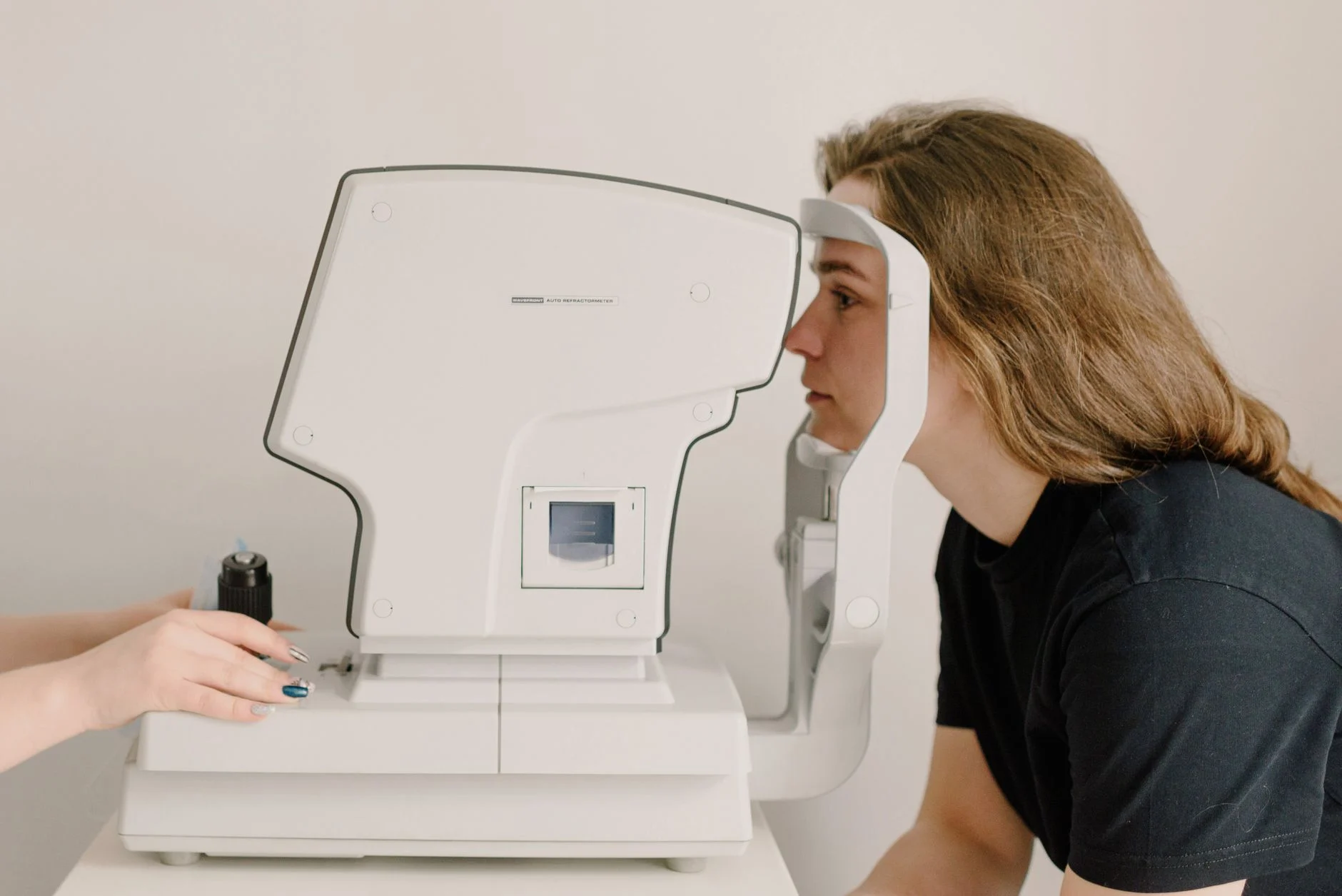
During LASIK, the surgeon creates a thin flap in the outer surface of the cornea, reshapes the underlying tissue with a laser, and lays the flap back down. That flap seals to the cornea within hours through natural adhesion but takes several days to weeks to reach full strength. Rubbing your eye during this window (even gently, and even in your sleep) can shift the flap.
The eye shields prevent this in three ways:
- They stop your hand or fingers from touching the eye while you sleep
- They prevent your pillowcase or bedding from pressing against the eye if you roll over
- They add a mental cue during the first day or two that helps you resist the urge to rub tired or dry-feeling eyes

How Long You Actually Need to Wear Them
The most common instruction from LASIK surgeons in the US is:
- Nights 1 through 5-7: Wear the shields every night while sleeping. This is the critical healing window for the corneal flap.
- Naps during the day (first 2-3 days): Some surgeons ask patients to wear the shields for any sleep, including afternoon naps.
- Beyond week 1: Most patients can stop nighttime shield use. Your surgeon’s 1-week follow-up appointment usually confirms the flap is well-seated.
Your specific instructions may vary. Some surgeons recommend the shields for a full two weeks in older patients or in patients with dryer eyes. Follow the exact schedule your surgeon gives you rather than a generic rule.
How to Put the Shields On
Some general tips:
- Wash your hands before handling the shields
- Center the shield over the eye. The concave side faces your eyelid; the convex side faces out.
- Hold the shield in place with one hand and use medical tape to secure it at the top of the forehead first, then bottom of the cheek, then outer temple, then inner bridge of the nose.
- The shield should not press directly against the eyelid or eyeball. There should be a small air gap.
- Repeat for the second eye.
If you were given a molded goggle-style mask instead, the strap goes over your head like a swim mask, and no tape is required.
How to Sleep Comfortably in LASIK Eye Shields
The first night is usually the strangest. Common tips patients find helpful:
- Sleep on your back if possible for the first several nights. This keeps the shields from being pressed by the pillow.
- Use a supportive pillow that keeps your head slightly elevated. This can also reduce swelling.
- Turn down room lights well before bed. LASIK often causes temporary light sensitivity.
- Use your prescribed artificial tears one to two minutes before putting the shields on, so your eyes feel comfortable during the night.
- Keep the shields nearby if you get up in the middle of the night. If one comes off, reapply it right away.
- If your bed partner or family members roll around, consider sleeping in a spare bed or on the far side for the first few nights.
What If a Shield Slips Off Overnight?
This is very common on the first few nights. Do not panic. If you wake up in the middle of the night and notice a shield has come off:
- Do not rub the eye
- Reach for a fresh piece of medical tape or the goggle mask
- Reapply the shield
- Contact your LASIK center the next morning if you have concerns
If you wake in the morning to find both shields off but your vision feels normal and your eye does not feel scratched, you are almost certainly fine. Reapply them the next night.
Cleaning and Care
- Wipe the shields gently with a soft, dry tissue or lens cloth between uses
- Do not soak them in water or cleaning solution unless your instructions specifically say to
- Do not share shields with anyone
- Discard the shields after the prescribed shield-wearing period; you will not need them long-term
Alternatives and Additional Eye Protection
- Sunglasses: Doctors typically recommend polarized sunglasses outdoors for at least the first week to reduce glare and reflex tearing.
- Safety glasses: If you play sports or work in environments with dust or projectiles, wear appropriate protective eyewear for at least a month.
- Swimming goggles: Avoid swimming pools and hot tubs entirely for the first two weeks, then use tight-fitting goggles for at least another month.
Common Problems and When to Call Your Surgeon
Contact your LASIK center right away if you experience:
- Sudden severe eye pain
- A dramatic drop in vision
- Persistent tearing or discharge that looks different from normal tears
- A sensation that something is stuck under your eyelid or in the corner of your eye
- Redness that is worsening rather than gradually improving
- If you accidentally rubbed the eye hard or received a direct impact to the eye during the shield period
Frequently Asked Questions
Can I sleep without the LASIK eye shields on the first night?
You should follow your surgeon’s instructions. The first night is the highest-risk window for accidentally rubbing the flap during sleep, and skipping the shields that night is not recommended.
Can I use regular safety goggles or ski goggles instead?
Only if your surgeon specifically approves. Most goggle-style eyewear presses against the orbital bone rather than sealing around it, which is fine. But bulky goggles can trap warm air and dry the eyes overnight.
What if I can’t get comfortable in the shields and I only slept two hours the first night?
Understand that poor sleep the first night is common. Take it easy the next day. Rest with your eyes closed rather than reading or looking at screens. The second and third nights are usually much easier as you get used to them.
Related Reading on Know Your Surgery
- LASIK Eye Surgery: Overview, Types, and What to Expect
- LASIK Candidate Evaluation and When to Consider Surgery
- LASIK: Procedure, Recovery, and Rehabilitation
- LASIK: FAQs, Statistics, and Patient Stories
Sources
- American Academy of Ophthalmology (AAO): LASIK patient education and recovery guidelines
- American Refractive Surgery Council: LASIK aftercare resources
- US FDA: LASIK information for patients
- Mayo Clinic and Cleveland Clinic: LASIK patient recovery guides
Medical Disclaimer: This article is for informational purposes only and does not substitute for the specific post-operative instructions provided by your LASIK surgeon. Always follow your surgeon’s exact schedule and contact them with any concerns.