LASIK eye surgery uses a precisely focused laser to reshape the cornea, the clear front surface of the eye, to correct nearsightedness, farsightedness, and astigmatism. For millions of US adults who depend on glasses or contact lenses, LASIK offers a path to clearer vision without daily corrective eyewear. The procedure is one of the most studied and most performed elective surgeries in the United States, with a strong long-term safety record and well-documented outcomes.
This guide explains what LASIK is, the main types of LASIK and refractive surgery available in the US today, who tends to be a good candidate, and what the patient journey looks like at a high level. Detailed information on candidate evaluation, the procedure itself, and patient questions live in the other articles in this cluster.
Significance and Prevalence of LASIK in the United States
LASIK is one of the most common elective surgeries in the US. According to the American Academy of Ophthalmology (AAO) and the American Society of Cataract and Refractive Surgery (ASCRS), hundreds of thousands of LASIK procedures are performed in the United States each year. Roughly 150 million Americans use corrective eyewear (glasses or contacts), and a meaningful share consider LASIK at some point.
The first excimer laser used for LASIK was approved by the US Food and Drug Administration (FDA) in 1995. Since then, the technology has evolved through multiple generations, including wavefront-guided lasers, femtosecond laser flap creation (bladeless LASIK), and topography-guided custom treatments. Modern LASIK systems are highly precise, with most US surgeons using FDA-approved equipment that tracks eye movement and customizes treatment to each patient’s eye.
Patient satisfaction is consistently high. Large US patient series report that 96 percent or more of LASIK patients achieve 20/40 vision or better (the legal driving standard) and 90 percent or more achieve 20/20 or better, according to the AAO and FDA post-approval data. Long-term outcomes are also durable, with most patients maintaining their corrected vision for many years.
What Is LASIK Eye Surgery?
LASIK (Laser-Assisted In Situ Keratomileusis) is a refractive surgery procedure that reshapes the cornea to change how light enters the eye, focusing it more sharply on the retina. By altering the corneal curvature in a precise pattern, LASIK can correct:
- Myopia (nearsightedness): difficulty seeing far objects clearly
- Hyperopia (farsightedness): difficulty seeing close objects clearly
- Astigmatism: blurry vision at all distances due to an irregularly shaped cornea
- Presbyopia (age-related close-vision loss): can be partially addressed with monovision LASIK
The procedure is performed in an outpatient setting under local anesthesia (numbing eye drops). It typically takes 10 to 15 minutes per eye. Most patients return home the same day and resume normal activities within 24 to 48 hours. The full step-by-step procedure walkthrough lives in our procedure and recovery article.
How the Eye and Cornea Work
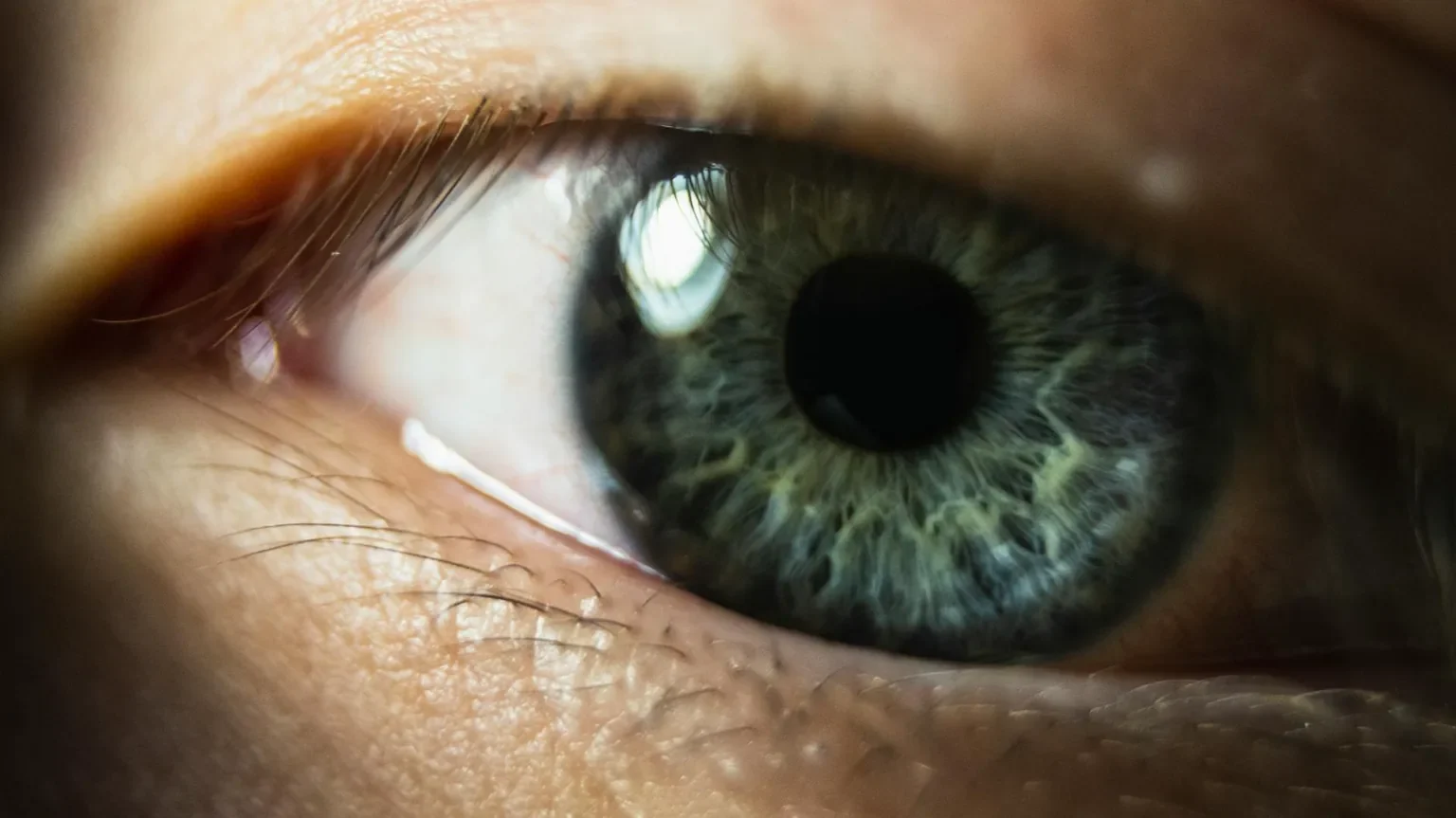
The cornea is the clear, dome-shaped front surface of the eye. Along with the lens, the cornea focuses incoming light onto the retina, which sends visual signals to the brain. The cornea provides about two-thirds of the eye’s focusing power.
When the cornea’s curvature doesn’t match the length of the eye, or when its shape is irregular, light doesn’t focus precisely on the retina. The result is blurred vision (refractive error). Glasses and contact lenses correct vision by bending light before it enters the eye. LASIK corrects vision by permanently reshaping the cornea so the eye focuses light correctly on its own.
The cornea has multiple layers. LASIK works by creating a thin flap in the top layers, gently lifting it aside, reshaping the underlying tissue with an excimer laser, and replacing the flap. The flap heals naturally and acts as a natural bandage.
Main Types of LASIK and Refractive Surgery
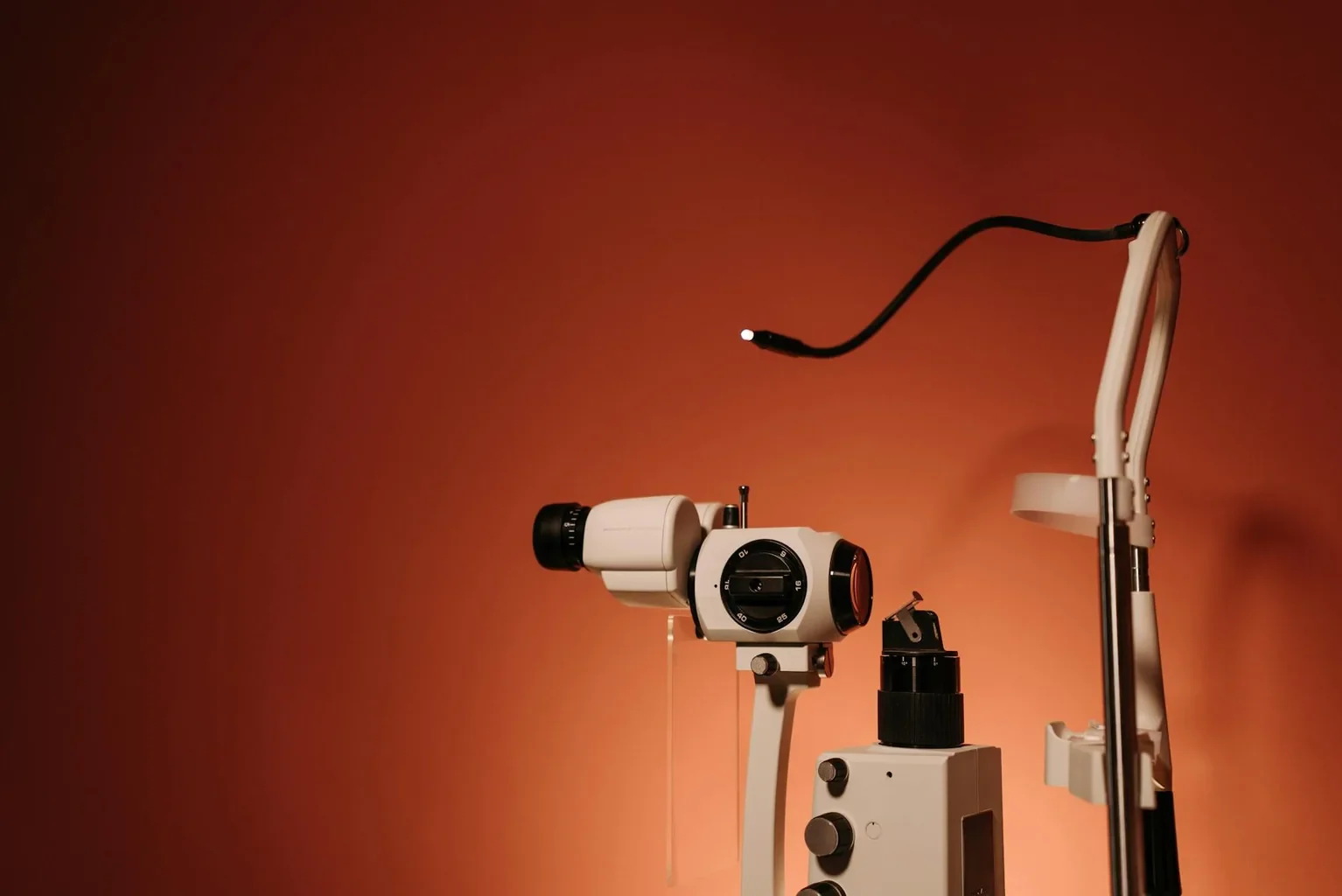
US surgeons today offer several refractive surgery approaches. The choice depends on the patient’s prescription, corneal thickness, eye anatomy, lifestyle, and surgeon preference.
Traditional LASIK (microkeratome-assisted). Uses a microkeratome (mechanical blade) to create the corneal flap, then reshapes the cornea with an excimer laser. This was the standard method for many years and is still used at some centers.
All-laser LASIK (bladeless or femto-LASIK). Uses a femtosecond laser to create the corneal flap, then an excimer laser to reshape the cornea. No blade is used. This is the most common LASIK method in the US today and is associated with more precise flap creation and slightly fewer complications.
Wavefront-guided LASIK (custom LASIK). Uses detailed three-dimensional measurements of how light travels through the eye (wavefront analysis) to create a highly personalized treatment plan, including correction of subtle visual aberrations beyond standard refractive errors.
Topography-guided LASIK. Uses high-resolution maps of corneal shape to guide the treatment, especially helpful for patients with irregular corneas.
PRK (Photorefractive Keratectomy). Skips the flap step — the surgeon removes the thin outer corneal layer (epithelium) and reshapes the cornea directly. Healing takes longer than LASIK (about a week of blurry vision and discomfort), but PRK is often preferred for patients with thin corneas or certain occupations (military, contact sports).
SMILE (Small Incision Lenticule Extraction). A newer FDA-approved technique that uses a femtosecond laser to create a small lens-shaped piece of corneal tissue, which is removed through a tiny incision. No flap is created. SMILE is currently approved for nearsightedness and astigmatism.
Refractive Lens Exchange (RLE) and Intraocular Lenses (ICL). For patients who aren’t LASIK candidates (high prescription, thin cornea, presbyopia), surgeons may recommend implanting an artificial lens inside the eye instead of reshaping the cornea.
A single sentence on emerging methods: some US centers offer presbyopia-correcting LASIK (PresbyLASIK) and combined approaches, but these are less established. We compare techniques in more depth in our procedure and recovery article.
Surgical Techniques at a High Level
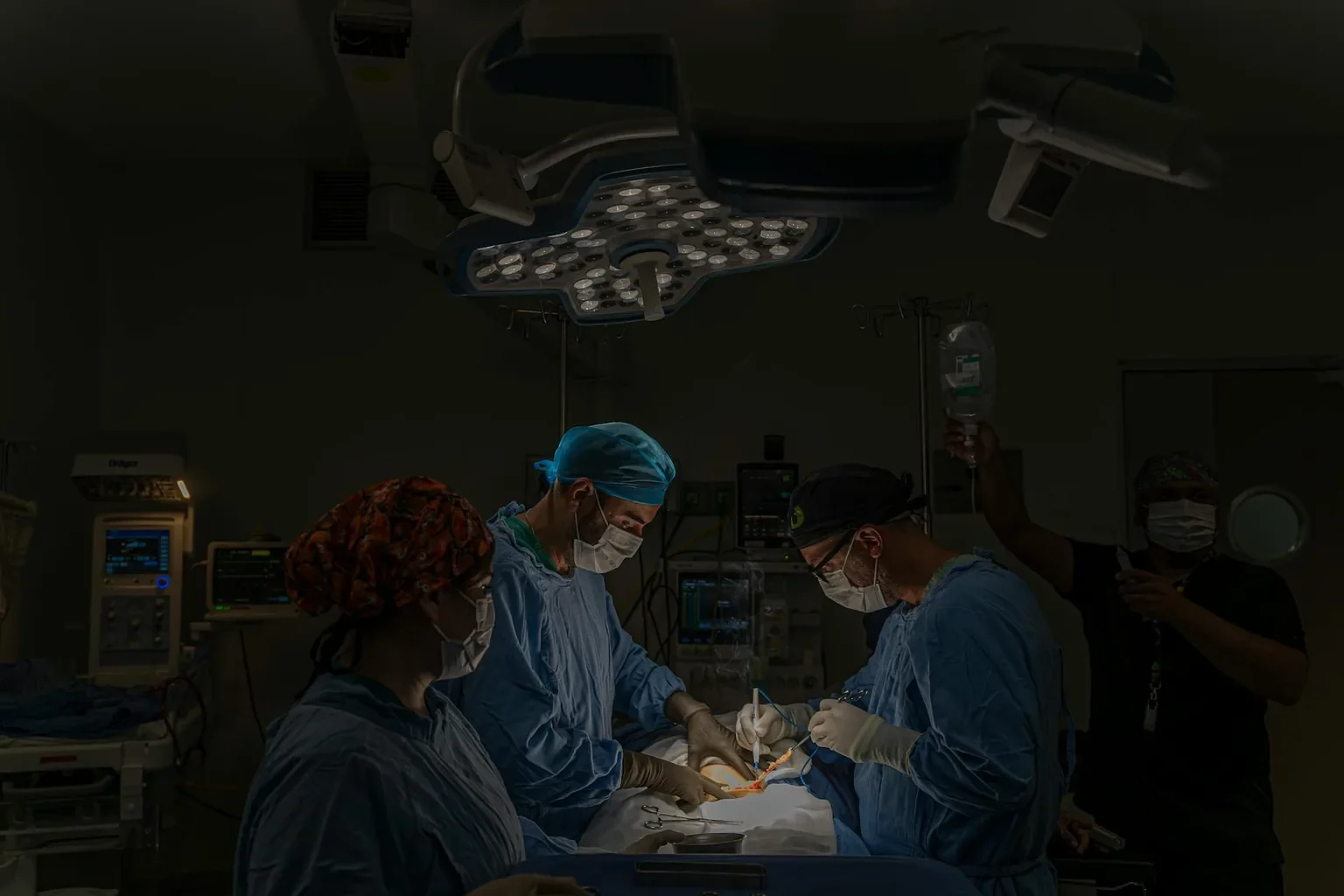
Most LASIK procedures are performed under topical anesthesia (numbing eye drops). The patient is awake and lies on their back beneath the laser system. The actual laser treatment takes seconds per eye; the full procedure including positioning, flap creation, treatment, and flap repositioning takes about 10 to 15 minutes per eye.
Modern LASIK systems include eye-tracking technology that follows tiny eye movements during the procedure, so the laser stays perfectly aligned even if the patient moves slightly. Most patients describe the procedure as painless, with some pressure sensation during flap creation.
After surgery, patients rest briefly, then are taken home (someone else must drive). Many patients see meaningfully better the same day. Most are back to work and driving within 1 to 2 days.
What Gets Changed in LASIK?
Only the cornea is reshaped. The lens, retina, and other eye structures are untouched. LASIK is a permanent change to the corneal shape — the tissue does not grow back.
The thin corneal flap created during LASIK heals as a continuous layer with the underlying cornea over weeks to months. The reshaped corneal surface is what permanently corrects vision.
Who Might Be a Good Candidate for LASIK?
LASIK is generally considered when:
- Age 18 or older (most surgeons prefer 21+ to ensure prescription stability)
- Stable prescription for at least 12 months (no major changes in the last year)
- Healthy eyes (no significant eye disease, dry eye, or corneal disease)
- Adequate corneal thickness to allow safe flap creation and tissue removal
- Realistic expectations about what LASIK can and cannot do
- Not pregnant or breastfeeding (hormonal changes can affect vision and healing)
- No autoimmune conditions that significantly affect healing
- No use of certain medications that affect corneal healing
People who may NOT be good candidates:
- Very high prescriptions beyond the FDA-approved range for the laser system
- Thin corneas or irregular corneal shape (some patients are better suited for PRK or ICL)
- Severe dry eye
- Active eye infection or inflammation
- Certain autoimmune diseases
- Pregnancy or breastfeeding (wait until after)
- History of certain corneal conditions like keratoconus
- Certain professions or sports may favor PRK over LASIK
The detailed evaluation process is covered in our candidate evaluation article.
Early Signs You Might Benefit from Vision Correction
Most LASIK candidates have been wearing glasses or contacts for years. Common patterns that lead people to consider LASIK include:
- Dependence on glasses or contacts for daily activities
- Difficulty with sports, swimming, or outdoor activities due to eyewear
- Discomfort or intolerance with contact lenses
- Recurring contact-lens-related infections
- Cost of glasses/contacts over time
- Career or lifestyle situations where glasses are impractical (military, first responders, athletes)
- Simply wanting to wake up and see clearly
These are personal motivations rather than medical urgency. Unlike many other surgeries, LASIK is elective and based on lifestyle preferences plus eligibility criteria.
Your LASIK Journey at a Glance
Although every patient’s path is different, the typical LASIK journey in the United States follows a familiar pattern.
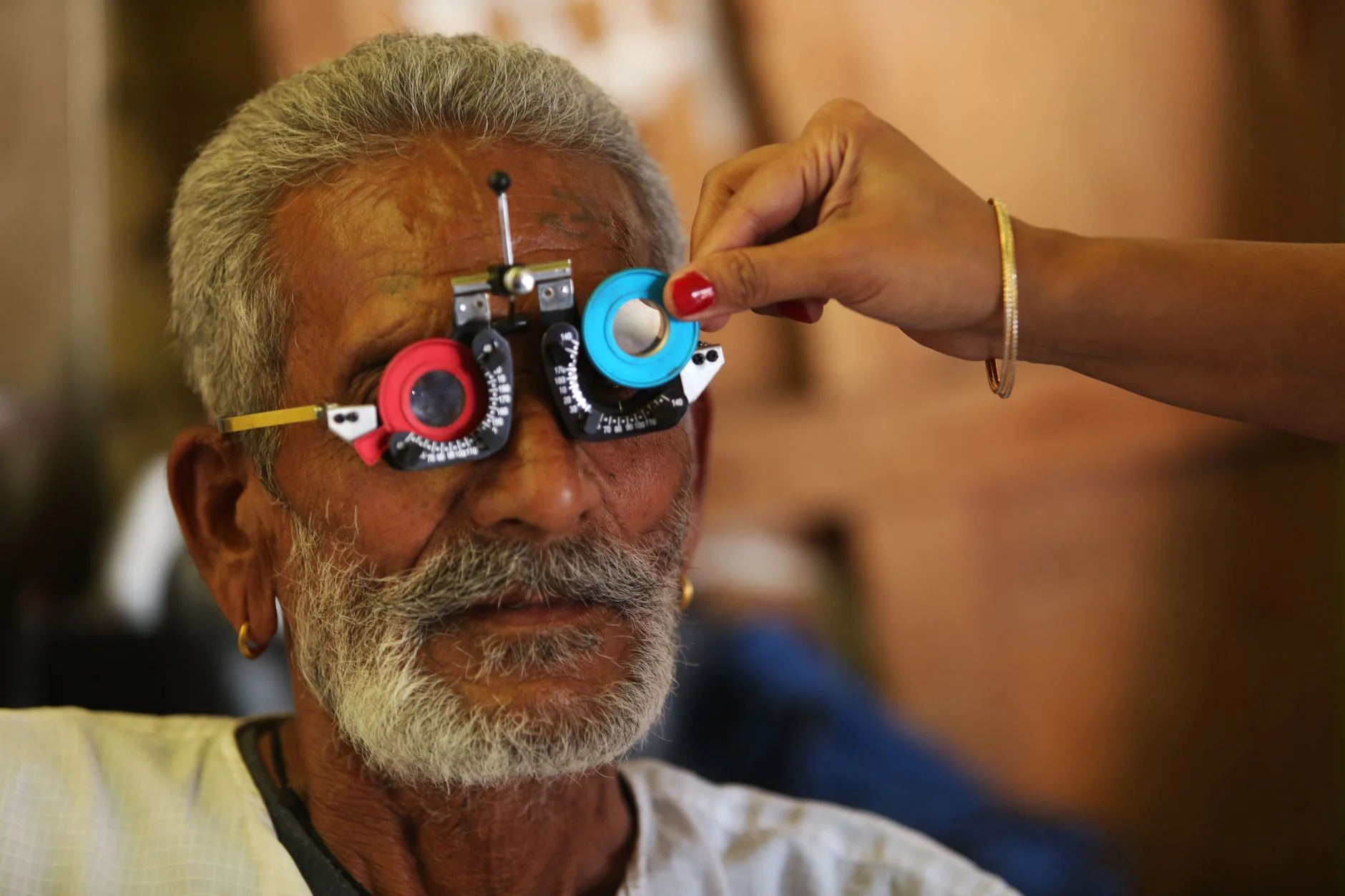
It often begins with an initial interest in vision correction. Many patients start with a free consultation at a LASIK center, where preliminary measurements are taken. A more detailed evaluation follows: corneal mapping (topography), corneal thickness measurement (pachymetry), refraction testing, dilated eye exam, dry eye assessment, and tear film analysis. The surgeon reviews these results, the patient’s lifestyle, and prescription stability to determine eligibility.
If LASIK is appropriate, the surgical team discusses which technique is best (traditional, all-laser, wavefront-guided, etc.), the expected outcomes, risks, and recovery. Patients typically stop wearing contact lenses for a period before surgery (1-4 weeks depending on lens type) to allow the cornea to return to its natural shape.
The surgery itself takes 10-15 minutes per eye. Most patients have both eyes done the same day. After surgery, patients rest, return home, and typically sleep most of the rest of the day. They are seen the next morning for a follow-up check. Most return to office work in 1-2 days. Driving is usually permitted once cleared by the surgeon (often next day).
Vision improvement is dramatic for most patients within hours, with continued sharpening over days to weeks. Eye drops (lubricating and medicated) are used for weeks. Final stable vision is typically reached by 3 to 6 months. Long-term, the corrected vision is durable for most patients, although some may need a touch-up procedure or reading glasses later in life.
Detailed timelines are covered in our procedure and recovery article.
Frequently Asked Questions
Is LASIK painful?
Most patients report no pain during the procedure thanks to numbing eye drops. Some pressure sensation is normal during flap creation. After surgery, mild discomfort, scratchy sensation, or burning is common for several hours, controlled with lubricating drops and rest.
How permanent is LASIK?
The corneal reshaping is permanent — the tissue does not grow back. Most patients enjoy stable corrected vision for many years. However, age-related changes in the eye (such as presbyopia or cataracts) can affect vision over time and may eventually require reading glasses or other interventions.
Can both eyes be done the same day?
Yes. Most US surgeons perform LASIK on both eyes the same day, with a brief pause between eyes. Some patients prefer one eye at a time, but this is less common.
Continue Reading the LASIK Cluster
- LASIK Eye Surgery: Candidate Evaluation and Decision
- LASIK Eye Surgery: Procedure, Recovery, and Rehabilitation
- LASIK Eye Surgery: FAQs, Statistics, and Patient Stories
Sources
- American Academy of Ophthalmology (AAO). LASIK Eye Surgery. https://www.aao.org/eye-health/treatments/lasik
- American Society of Cataract and Refractive Surgery (ASCRS). Patient resources. https://ascrs.org/patients
- U.S. Food and Drug Administration (FDA). LASIK approved laser systems and patient information. https://www.fda.gov/medical-devices/surgery-devices/lasik
- National Eye Institute (NEI). Refractive errors. https://www.nei.nih.gov/learn-about-eye-health/eye-conditions-and-diseases/refractive-errors
- Mayo Clinic. LASIK eye surgery: overview. https://www.mayoclinic.org/tests-procedures/lasik-eye-surgery/about/pac-20384774
- Cleveland Clinic. LASIK eye surgery. https://my.clevelandclinic.org/health/treatments/8596-lasik-eye-surgery
- NIH MedlinePlus. Refractive errors and LASIK. https://medlineplus.gov/refractiveerrors.html
Medical Disclaimer
The information in this article is for general education and is not a substitute for professional medical advice, diagnosis, or treatment. Always consult a qualified eye care professional with questions about vision correction or eye surgery. Never disregard professional medical advice or delay in seeking it because of something you have read here.