Medically reviewed by the Know Your Surgery Editorial Team. Last reviewed: May 2026.
Appendectomy is most often performed urgently after a diagnosis of acute appendicitis. This article explains what causes appendicitis, how emergency clinicians and surgeons confirm the diagnosis, and how the decision to proceed with surgery is made. If you are new to the topic, the cluster overview article is a useful starting place.
What Causes Appendicitis?
Appendicitis develops when the inside of the appendix becomes blocked or inflamed. The most accepted explanation is that the small opening from the appendix into the cecum (large intestine) becomes obstructed, allowing bacteria inside to multiply and the appendix to swell. Several specific causes are recognized.
Fecaliths. Hard pieces of stool can lodge in the opening of the appendix and block normal drainage. These are one of the most common identified causes.
Lymphoid hyperplasia. Lymph tissue around the opening of the appendix can swell during or after a viral or bacterial infection, narrowing the lumen.
Foreign material. Less commonly, undigested food residue or other material can block the appendix.
Tumors of the appendix. Rare, but small appendiceal tumors can occasionally cause obstruction.
Parasitic infections. In some parts of the world, intestinal parasites are recognized causes of appendicitis. Less common in the US.
Trauma. Direct injury to the abdomen can rarely lead to appendicitis.
Once the appendix is blocked, bacteria in the lumen multiply, the wall of the appendix swells, blood flow becomes compromised, and inflammation develops. Without treatment, the appendix may rupture, leaking infection into the abdomen.
Risk Factors That Increase the Likelihood of Appendicitis
Several factors are associated with a higher likelihood of developing appendicitis at some point.
- Age. Most common between 10 and 30 years of age, although appendicitis can occur at any age.
- Family history. Some studies suggest a genetic component, with appendicitis more common in patients with a family history.
- Sex. Slightly more common in males, though both sexes are affected.
- Diet and lifestyle. Some research suggests that diets low in fiber may slightly increase risk, although evidence is mixed.
These factors do not predict appendicitis on their own. Most cases occur without identifiable risk factors. The single most important step is recognizing the symptoms early and seeking medical evaluation.
Symptoms Suggesting Appendicitis

Acute appendicitis often follows a recognizable pattern, although there is meaningful variation between patients.
Classic pattern (more common in adults):
- Vague pain around the belly button
- Pain migrates to the lower right abdomen over a few hours
- Pain becomes sharper, deeper, and worse with movement
- Loss of appetite
- Nausea, sometimes vomiting
- Low-grade fever
- Tenderness when the lower right abdomen is pressed
Atypical patterns may occur in:
- Children, where pain may be more diffuse and irritability is the main sign
- Older adults, where symptoms may be milder despite serious disease
- Pregnant patients, where the appendix may be displaced upward
- Patients with the appendix in an unusual position
Severe symptoms that suggest the appendix has ruptured or that another emergency is happening:
- Severe, sudden abdominal pain
- High fever
- Rapid heart rate
- Lightheadedness or fainting
- Shaking chills
Anyone with these symptoms should seek immediate emergency evaluation.
How Clinicians Diagnose Appendicitis
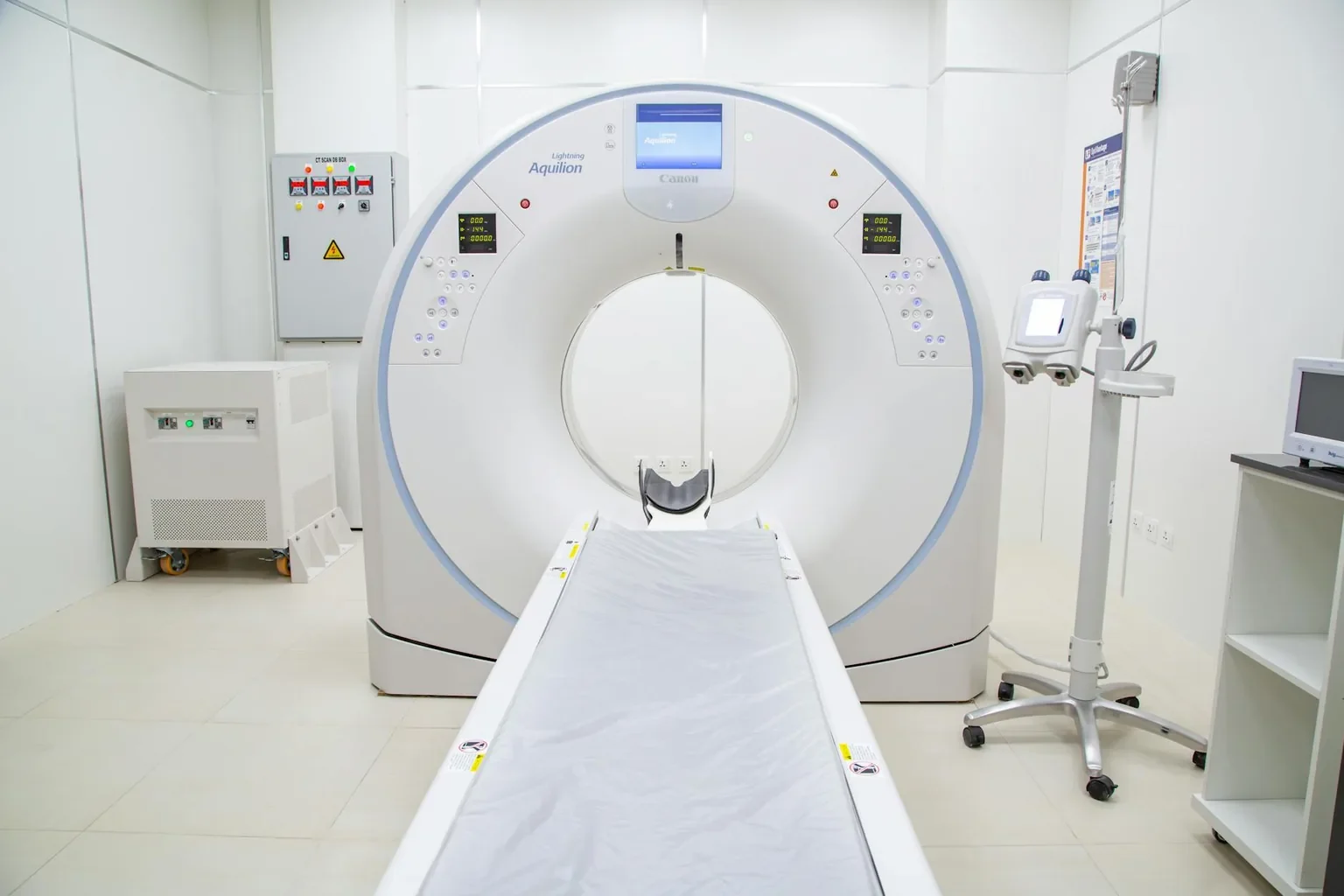
When a patient arrives at the emergency department with possible appendicitis, the clinical team typically follows a structured evaluation.
Detailed history. The clinician asks about the timing, location, and progression of pain, associated symptoms, and any prior abdominal surgeries.
Physical examination. The abdomen is examined for tenderness, especially at McBurney’s point (a specific spot in the lower right abdomen). The clinician checks for guarding (involuntary muscle tightening), rebound tenderness (pain when pressure is suddenly released), and other classic findings.
Blood tests. A complete blood count typically shows an elevated white blood cell count when there is infection or inflammation. Inflammatory markers such as C-reactive protein may also be checked.
Urinalysis. Helps rule out urinary tract infection or kidney stones, which can cause similar pain.
Imaging studies. The choice depends on the patient.
- CT scan of the abdomen is the most accurate imaging test for adults and is widely used in US emergency departments.
- Ultrasound is preferred in children and pregnant patients to avoid radiation. It can be very accurate when performed by experienced clinicians.
- MRI is sometimes used in pregnant patients when ultrasound is inconclusive.
Pregnancy test is performed in patients of reproductive age before any imaging.
Differential Diagnosis
Many conditions can mimic appendicitis. The evaluation is partly aimed at ruling these out.
- Gastroenteritis (stomach bug)
- Urinary tract infection
- Kidney stones
- Ovarian cyst or ectopic pregnancy in patients with ovaries
- Inflammatory bowel disease (Crohn’s disease, ulcerative colitis)
- Diverticulitis
- Mesenteric adenitis (inflamed lymph nodes)
- Constipation
The diagnostic workup helps the team distinguish appendicitis from these conditions and choose the right next step.
Pre-Surgical Preparation
When appendicitis is confirmed and surgery is the plan, the surgical team typically prepares the patient quickly:
- IV fluids to maintain hydration
- IV antibiotics to fight infection before, during, and after surgery
- Pain control while in the emergency department
- Anti-nausea medication as needed
- Pre-operative blood work if not already done
- Anesthesia consultation to review allergies and prior anesthesia experience
- Consent discussion about the procedure, risks, and recovery
If the patient is stable, the surgery is typically performed within hours. Detailed coverage of the procedure itself lives in our procedure and recovery article.
When to Consider Appendectomy
Appendectomy is recommended when:
- Imaging and clinical findings confirm acute appendicitis
- The diagnosis is highly likely based on the pattern of symptoms even if imaging is inconclusive
- The patient has signs of appendix rupture or peritonitis (urgent surgery)
- The patient has recurrent or chronic appendicitis
For some patients with mild, uncomplicated appendicitis, US surgical teams may discuss antibiotic-only treatment as an alternative. This is a relatively newer approach and is not universally appropriate. The decision is made by the surgical team based on the specific clinical picture, with input from the patient.
How the Decision Is Made
Most appendectomies are urgent rather than elective, so the decision is made quickly based on:
Clinical certainty. How confident the team is in the appendicitis diagnosis.
Imaging findings. Whether CT or ultrasound shows clear inflammation, abscess, or rupture.
Patient stability. Whether the patient is stable for surgery now or needs additional resuscitation.
Patient preferences. Where appropriate, the team discusses surgical and (sometimes) antibiotic-only options.
When the appendix has ruptured, surgery may sometimes be delayed by 1 to 3 days while antibiotics treat the immediate infection, with surgery (called interval appendectomy) performed weeks later. This is a specific clinical pathway used by some surgeons.
Conditions That May Affect the Surgical Plan
Some coexisting conditions can change how surgery is performed:
- Pregnancy. The appendix may be displaced and surgery is timed carefully.
- Severe obesity. May influence the choice of laparoscopic versus open approach.
- Prior abdominal surgery. Scar tissue can complicate laparoscopic approaches.
- Bleeding disorders or anticoagulant therapy. Special preparation is needed.
- Severe heart, lung, or kidney disease. Anesthesia plans are tailored.
- Suspected appendiceal tumor. Surgical pathology is important and may change the plan.
The surgical team accounts for these factors when planning the procedure.
What Happens After You Decide
Once surgery is scheduled, the operating room team prepares the patient. The surgery itself, the recovery in the hospital, and the home recovery period are covered in detail in our procedure and recovery article.
The conversation with your surgical team is brief but important. Key things to confirm: the procedure plan, any allergies, current medications, and an emergency contact for after surgery.
Continue Reading the Appendectomy Cluster
- Appendectomy: Overview, Types, and What to Expect
- Appendectomy: Procedure, Recovery, and Rehabilitation
- Appendectomy: FAQs, Statistics, and Patient Stories
Sources
- American College of Surgeons (ACS). Appendectomy guidelines. https://www.facs.org/quality-programs/
- National Institutes of Health (NIH) MedlinePlus. Appendicitis. https://medlineplus.gov/ency/article/000256.htm
- Centers for Disease Control and Prevention (CDC). Inpatient surgery data. https://www.cdc.gov/nchs/fastats/inpatient-surgery.htm
- Mayo Clinic. Appendicitis: diagnosis and treatment. https://www.mayoclinic.org/diseases-conditions/appendicitis/diagnosis-treatment/drc-20369549
- Cleveland Clinic. Appendicitis: causes and diagnosis. https://my.clevelandclinic.org/health/diseases/8095-appendicitis
Medical Disclaimer
The information in this article is for general education and is not a substitute for professional medical advice, diagnosis, or treatment. Always consult a qualified healthcare provider with questions about abdominal pain or symptoms. Never disregard professional medical advice or delay in seeking it because of something you have read here. If you have severe or worsening abdominal pain, fever, or vomiting, seek immediate medical evaluation in an emergency department.