Medically reviewed by the Know Your Surgery Editorial Team. Last reviewed: May 2026.
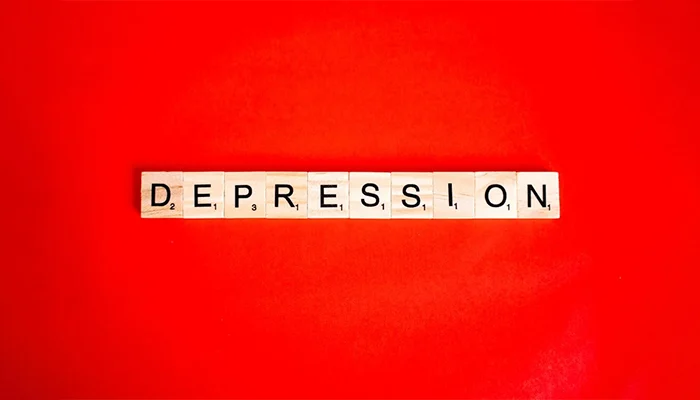
What Is Depression?
Depression is a mental health condition that can feel like a never-ending cloud of sadness and disinterest hanging over you. As a result, you find it challenging to enjoy the activities you once loved.
The condition impacts your sleep patterns, thoughts, eating habits, and memory.
It’s normal to feel upset during tough times like losing a loved one or going through a divorce. However, depression is different because it sticks around every day and involves more than just sadness.
There are different types of depressive disorders, with major depressive disorder being the most intense. If left untreated, depression can deepen and linger, which may lead to self-harm and even suicidal thoughts in some cases.
The silver lining is that people can find significant relief from their symptoms (and feel like themselves again) with the right treatment.
Authoritative sources: NIMH: Depression; APA: Depression; NIH MedlinePlus: Depression.
Types of Depression

The Diagnostic Statistical Manual of Mental Disorders (DSM-5) classifies depression into the following categories.
Clinical Depression
Clinical depression, also known as major depressive disorder, affects your mood, thoughts, and daily activities. This severe form of depression is more than feeling low.
People with clinical depression experience a persistent sense of hopelessness. Besides, you may notice them losing interest in activities they previously enjoyed.
This makes it challenging for the person to study, work, eat, and sleep. According to Depression and Bipolar Support Alliance, clinical depression affects around 17.3 million US adults.
Premenstrual Dysphoric Disorder (PMDD)
PMDD impacts some women in the days leading up to their menstrual period. Unlike typical PMS, PMDD causes intense emotional and physical symptoms. For instance, women might experience extreme irritability, mood swings, and depression.
Besides, physical symptoms like headaches, bloating, and breast tenderness are also common. Howevever, generally, these symptoms resolve as soon as the period starts.
Research suggests that this condition affects around 10% of women. However, certain lifestyle changes and medication can help manage the symptoms.
Disruptive Mood Dysregulation Disorder (DMDD)
Disruptive Mood Dysregulation (DMDD) is typically diagnosed in children and adolescents. It involves severe anger, irritability, and freequent intense temper outbursts. These outbursts occur regularly – at least three times a week – and the mood between outbursts is persistently irritable.
Seasonal Depression
Seasonal Depression, also known as Seasonal Affective Disorder (SAD), is a type of depression that occurs at certain times of the year. Most people experience it in winter when there’s less natural sunlight.
Symptoms include but aren’t limited to:
- Sleeping more than usual
- Feeling low in energy
- Overeating
- Withdrawing from social activities.
Postpartum Depression
Postpartum Depression occurs in some women after giving birth. In fact, research reveals that 85% of new mothers experience it. It involves feelings of anxiety, extreme sadness, and exhaustion that interfere with daily tasks.
Depression Due to Another Medicatical Condition
This is diagnosed when depression is directly caused by a certain medical condition. These may include a chronic illness, hormonal imbalances, or neurological disorders.
Treatment typically involves addressing the underlying medical condition.
Atypical Depression
Atypical depression is generally characterized by mood reactivity. Put simply, a person’s mood brightens in response to positive events. Other symptoms include:
- Weight gain
- Increased appetite
- Excessive sleepiness
- Heaviness in arms and legs.
Persistent Depressive Disorder (PDD)
Persistent Depressive Disorder (PDD) involves a chronic low mood lasting for at least two years. Symptoms may be less severe than major depression but can interfere with daily functioning. However, therapy, antidepressant medications, and support groups can help manage the symptoms effectively.
Psychotic Depression
Some people with severe depression may experience delusional thinking and hallucinations (psychotic symptoms). This subtype of major depression is termed as psychotic depression.
Studies show that 19% of people with major depressive episodes experience psychotic features.
Common symptoms include but aren’t limited to the following:
- Deep sadness
- Seeing or hearing things that aren’t there (hallucinations)
- Having false beliefs (delusions)
- Feelings of hopelessness
Bipolar Depression (Manic Depression)
This type of depression involves extreme mood swings between high energy (mania) and deep lows (depression). Symptoms can range from feeling overly happy and energetic to feeling extremely sad, hopeless, and lacking energy.
Situational Depression (Adjustment Disorder With Depressed Mood)
Situational Depression generally happens after a stressful life event like the loss of a loved one or a major life change. You may feel sad, overwhelmed, and tearful typically starting within three months of the event.
Authoritative sources: Mayo Clinic: Depression; Cleveland Clinic: Depression; Johns Hopkins Medicine: Depression.
Depression Symptoms
The precise depression symptoms vary from person to person, depending on the range (mild to severe) and type of depression. However, some common symptoms include the following.
Cognitive Symptoms
- Memory problems. It can be hard to remember details or make decisions.
- Overthinking. You may constantly worry about things that wouldn’t normally bother you.
- Negative thoughts. A feeling of pessimism may overwhelm you. In some cases, you might be overly self-critical.
Physical Symptoms
- Restlessness. You might feel uneasy and unable to stay still. Besides, even after resting, you may still feel exhausted.
- Changes in motor skills. Your speech or movement may become slower.
- Physical aches. You may experience unexplained headaches or stomaches.
Emotional Symptoms
- Mood swings. Sudden mood changes without an apparent reason.
- Feeling down. You may feel hopeless most of the time.
- Excessive guilt. Feeling worthless or guilty, often more than the situation calls for.
- Anhedonia. No longer enjoying the activities that used to be pleasurable
Behavioral Symptoms
- Social withdrawal. You may avoid social interactions because you no longer enjoy them.
- Changes in routine. You might struggle to stick to a routine or make new habits.
- Neglecting responsibilities. It can be tough to meet work or family responsibilities.
Other Symptoms
- Changes in eating habits. You might eat a lot more or a lot less than usual. This can lead to weight changes.
- Trouble Sleeping. You may have difficulty sleeping or sleep too much.
- Thoughts of suicide. Sometimes, you may have thoughts about ending your life. If you do, it’s important to seek help immediately.
Depression Symptoms In Adults

Depression can affect anyone, and unfortunately, it often goes unnoticed. It’s important to understand the symptoms so you or someone you care about can get the help they need.
Here are some common signs of depression in adults.
- Physical pain
- Extreme fatigue and sleep problems
- An unwillingness to socialize
- Significant changes in eating habits
- Memory problems
- Suicidal thoughts
Depression Symptoms In Children and Teens
Depression can affect young people just as much as adults. Data shows that around 3.2% of US kids and adolescents have depression. However, the signs of depression may look different in both. Some common symptoms include:
- Frequent tantrums or outbursts of anger
- Persistent feelings of sadness
- Feeling tired most of the time
- A drop in academic performance
- Difficulty concentrating
When to Seek Help
If you’re feeling depressed, it’s essential to reach out to a mental health professional as soon as possible. If you’re hesitant, consider talking to a trusted friend or a family member for support.
For someone experiencing thoughts of self-harm or suicide, we recommend seeking emergency help immediately. In the US, dial 911 or your local emergency number. You can also:
- Reach out to a suicide hotline or crisis lifeline (In the US, you can text or call 988 for the Suicide & Crisis Lifeline. It is available 24/7. Alternatively, you can use the Lifeline Chat)
- Talk to your mental health professional.
- If you’re a US veteran, dial “1” after calling 988 for the Veterans Crisis Line. You can also text 838255.
- Consider talking to a spiritual leader for immediate support
Conclusion
Life can be challenging, and everyone experiences ups and downs, but depression is more than a temporary rough patch. It’s a serious mental health condition that needs immediate support to alleviate the symptoms.
If you or someone you know is showing signs of depression, remember that help is available. No one should face depression alone, and with the right support, it’s possible to manage the symptoms (and overcome it).
FAQs
Q1. What Are 4 Characteristics of Depression?
Changes in appetite, feelings of worthlessness, loss of energy, and persistent sadness are the 4 common characteristics of depression.
Q2. What Is the Personality of a Depressed Person?
A depressed person may appear withdrawn and have low energy. You may also notice a lack of motivation and difficulty concentrating on everyday tasks.
Q3. Which Stage of Depression Is Harmful?
The most harmful stage of depression is where suicidal thoughts and behaviors occur. It requires immediate professional help to keep the symptoms from getting worse.
References
- NIMH: Depression. https://www.nimh.nih.gov/health/topics/depression
- APA: Depression. https://www.psychiatry.org/patients-families/depression
- Mayo Clinic: Depression. https://www.mayoclinic.org/diseases-conditions/depression/symptoms-causes/syc-20356007
- Cleveland Clinic: Depression. https://my.clevelandclinic.org/health/diseases/9290-depression
- Johns Hopkins Medicine: Depression. https://www.hopkinsmedicine.org/health/conditions-and-diseases/depression
- NAMI: Depression. https://www.nami.org/About-Mental-Illness/Mental-Health-Conditions/Depression
- NIH MedlinePlus: Depression. https://medlineplus.gov/depression.html
- Medscape: Major Depressive Disorder. https://emedicine.medscape.com/article/286759-overview
- CDC: Mental Health. https://www.cdc.gov/mentalhealth/learn/index.htm
- 988 Suicide & Crisis Lifeline (SAMHSA). https://988lifeline.org/